Bookworm's Corner
Novels and classics, read closely.
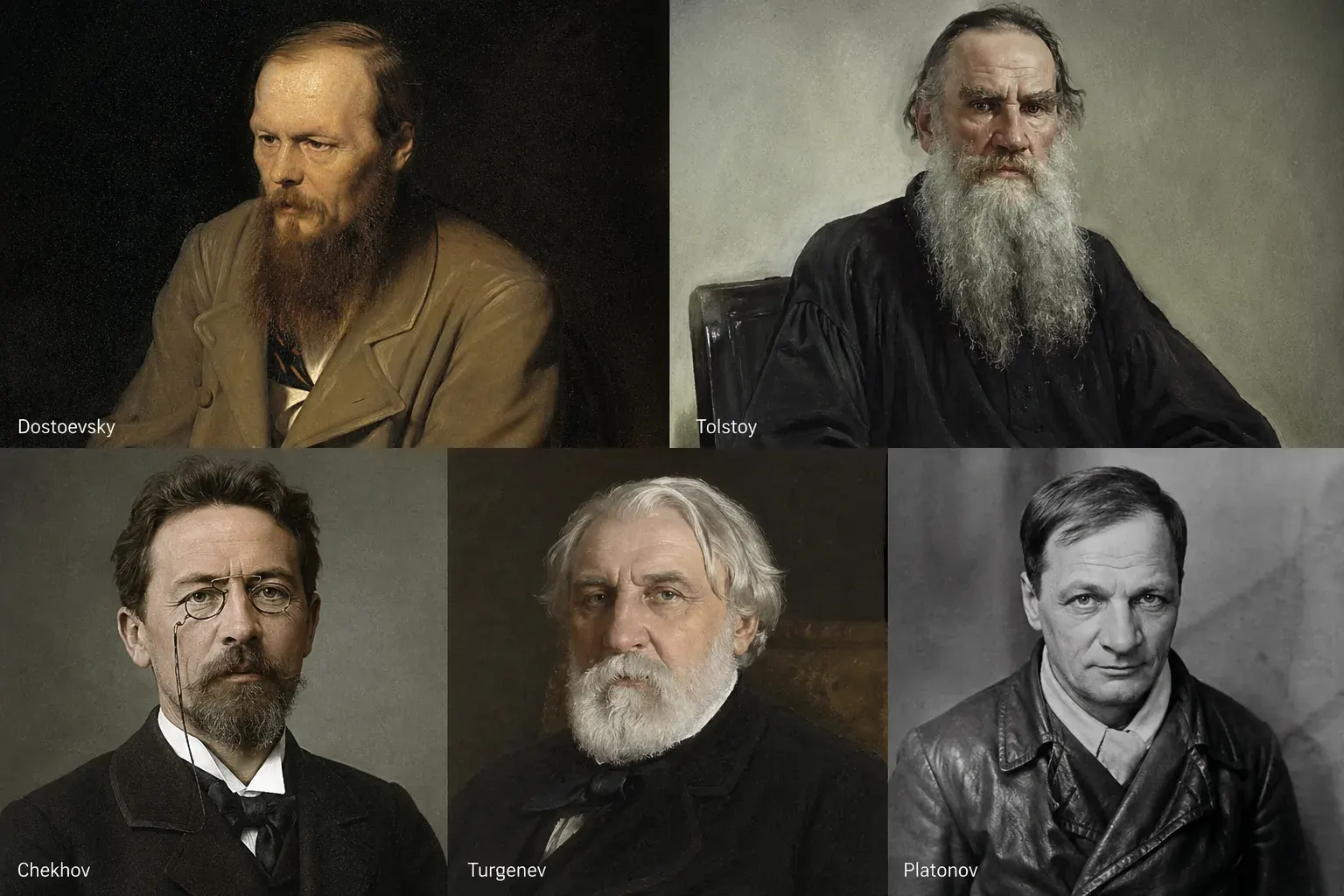
Dostoevsky, Tolstoy, Chekhov, Turgenev and Platonov
Where to start with Russian literature: essential works by Dostoevsky, Tolstoy, Chekhov, Gogol, Turgenev and Platonov, and why each is worth reading.

The Power of Intellectual Enjoyment: What I Learned from Kant's Critique of Pure Reason
When I first picked up Immanuel Kant's Critique of Pure Reason, I had no idea how profoundly it would shape my understanding of intellectual fulfillment.
"Brooks Was Here": The Existential Crisis Hidden Inside The Shawshank Redemption
These were the words of a schoolteacher taking attendance, trying to remind a student that simply showing up has value. But the student, Zein, wasn’t convinced.

Life-Changing Lessons: How Great Philosophers Transformed My Perspective
A personal journey of how reading philosophers like Camus, Kafka, Dostoevsky, Nietzsche, Schopenhauer, and Socrates transformed my perspective on life
The Steps of Zarathustra: Lessons from Friedrich Nietzsche
Friedrich Nietzsche's "Thus Spoke Zarathustra" is a philosophical novel that has captivated readers for over a century.
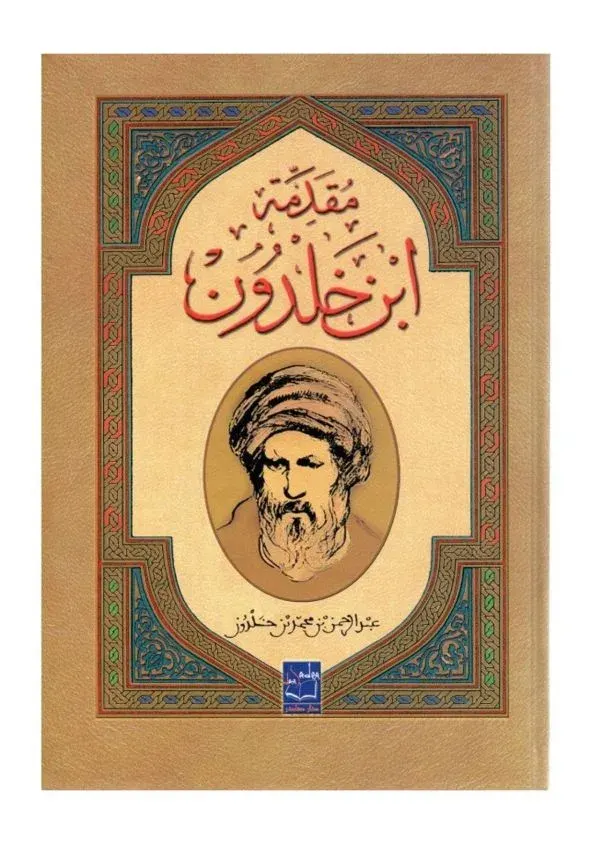
Unveiling the Wisdom of Ibn Khaldun's "The Muqaddimah"
In a world pulsating with the ceaseless rhythm of change, seeking wisdom from the annals of history often offers a beacon of enlightenment.
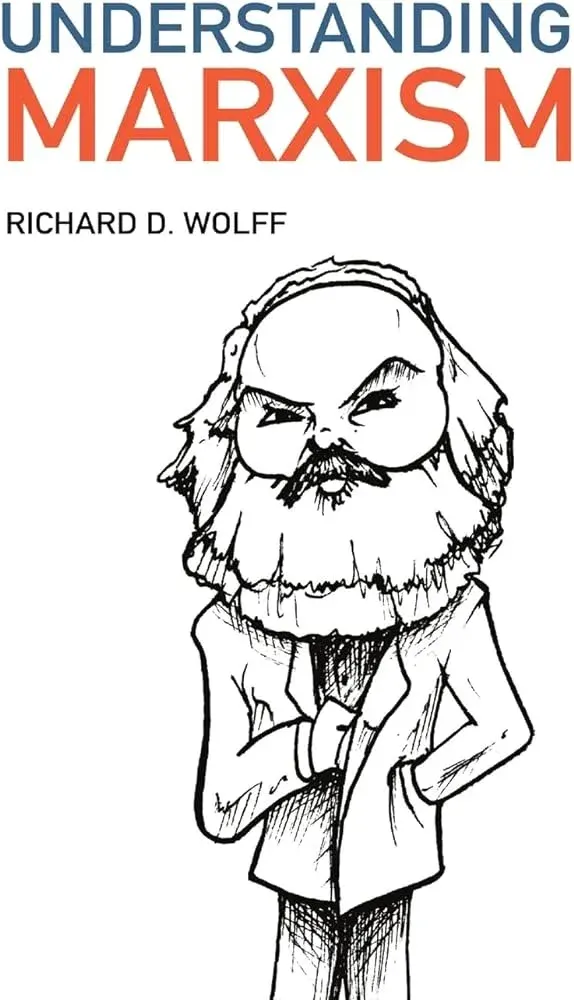
Exploring Marxism: Lessons from Richard D. Wolff's "Understanding Marxism
Lessons from Richard D. Wolff's Understanding Marxism: class struggle, capitalism's contradictions and worker ownership as economic democracy.
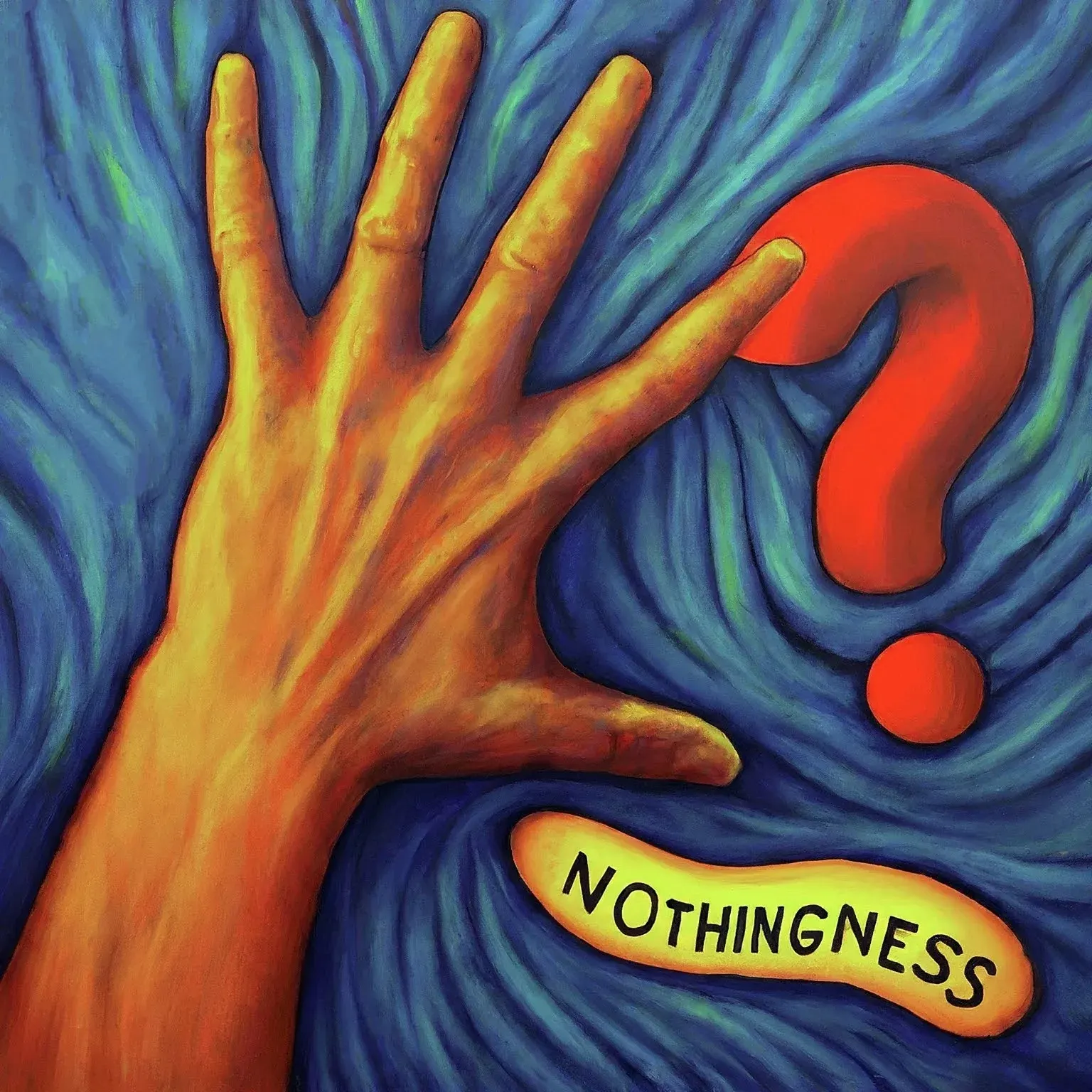
Forget the Grand Theory: How a "Theory of Nothing" Can Help You Be Healthier
Health psychology is obsessed with finding the one theory to rule them all: a master key to unlocking every health behavior. But what if that's a dead end?

The Roulette of the Soul: Dostoevsky's "The Gambler"
Fyodor Dostoevsky's The Gambler is a short, intense, and remarkable novel, made all the more fascinating by the famous circumstances of its writing.
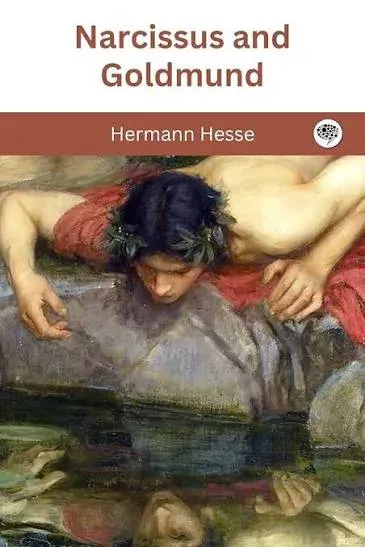
The Thinker and the Wanderer: Hesse's "Narcissus and Goldmund
Hesse's Narcissus and Goldmund: the ascetic scholar and the wandering artist, spirit versus senses and how two friends complete each other.
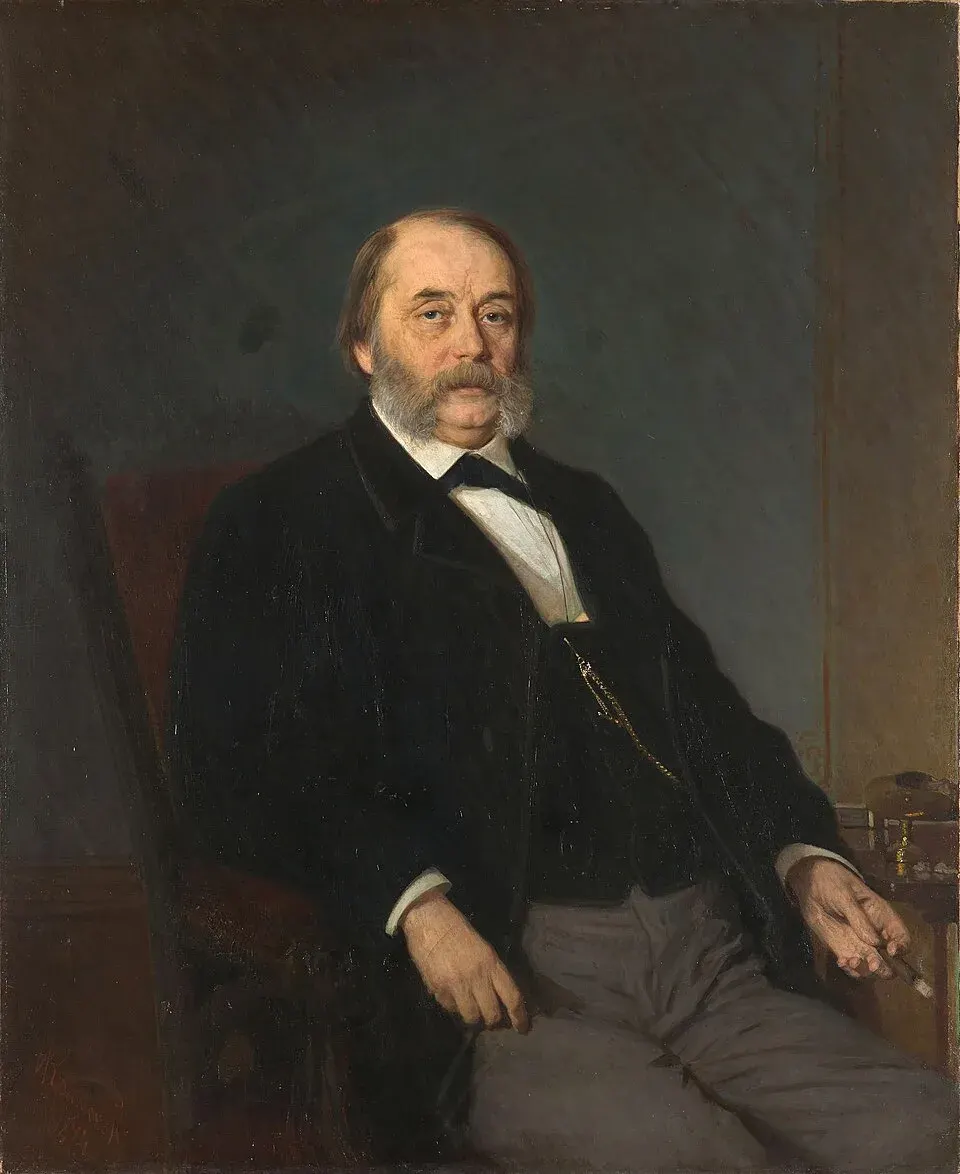
The Man Who Would Not Rise: Goncharov's "Oblomov"
Goncharov's Oblomov: the kindly man who cannot get off his couch, what Oblomovism means and why this comedy of inertia is a gentle tragedy.
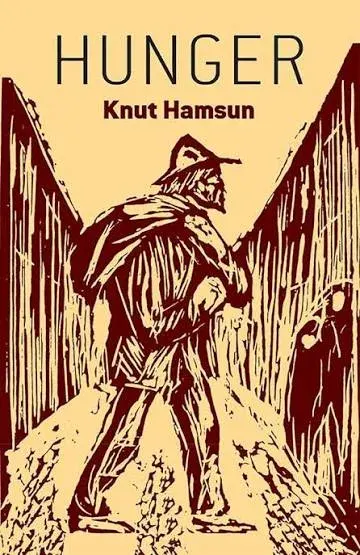
The Starving Mind: Knut Hamsun's "Hunger"
Knut Hamsun's Hunger (1890): a starving writer's mind in Kristiania, the birth of the psychological novel and the strange pride of the destitute.

The Bored Cynic: Lermontov's "A Hero of Our Time"
Lermontov's A Hero of Our Time: Pechorin the superfluous man, boredom and cynicism, and the first great Russian psychological novel.
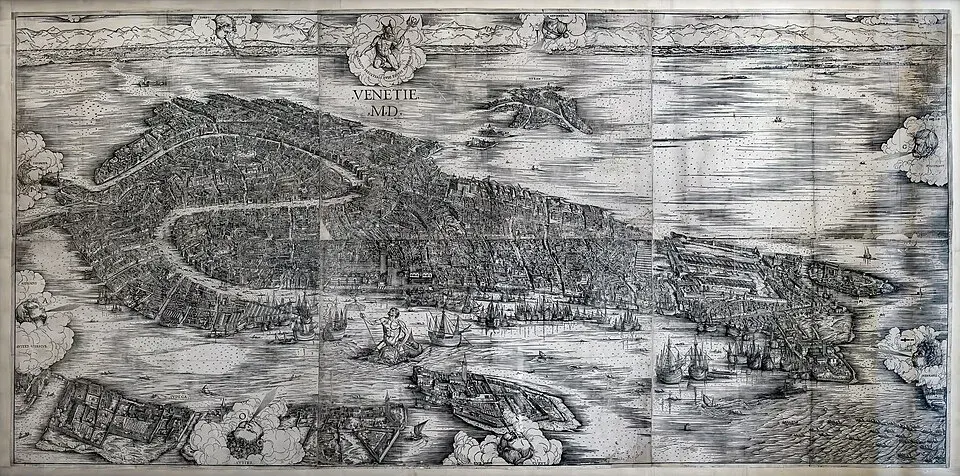
Cities of the Mind: Italo Calvino's "Invisible Cities"
Italo Calvino's Invisible Cities: Marco Polo's dreamlike cities for Kublai Khan, and its wisdom about memory, desire and what is not inferno.

Lightness and Weight: Kundera's "The Unbearable Lightness of Being"
Kundera's The Unbearable Lightness of Being: lightness versus weight, love and betrayal under the 1968 Soviet invasion, and a novel that philosophizes.
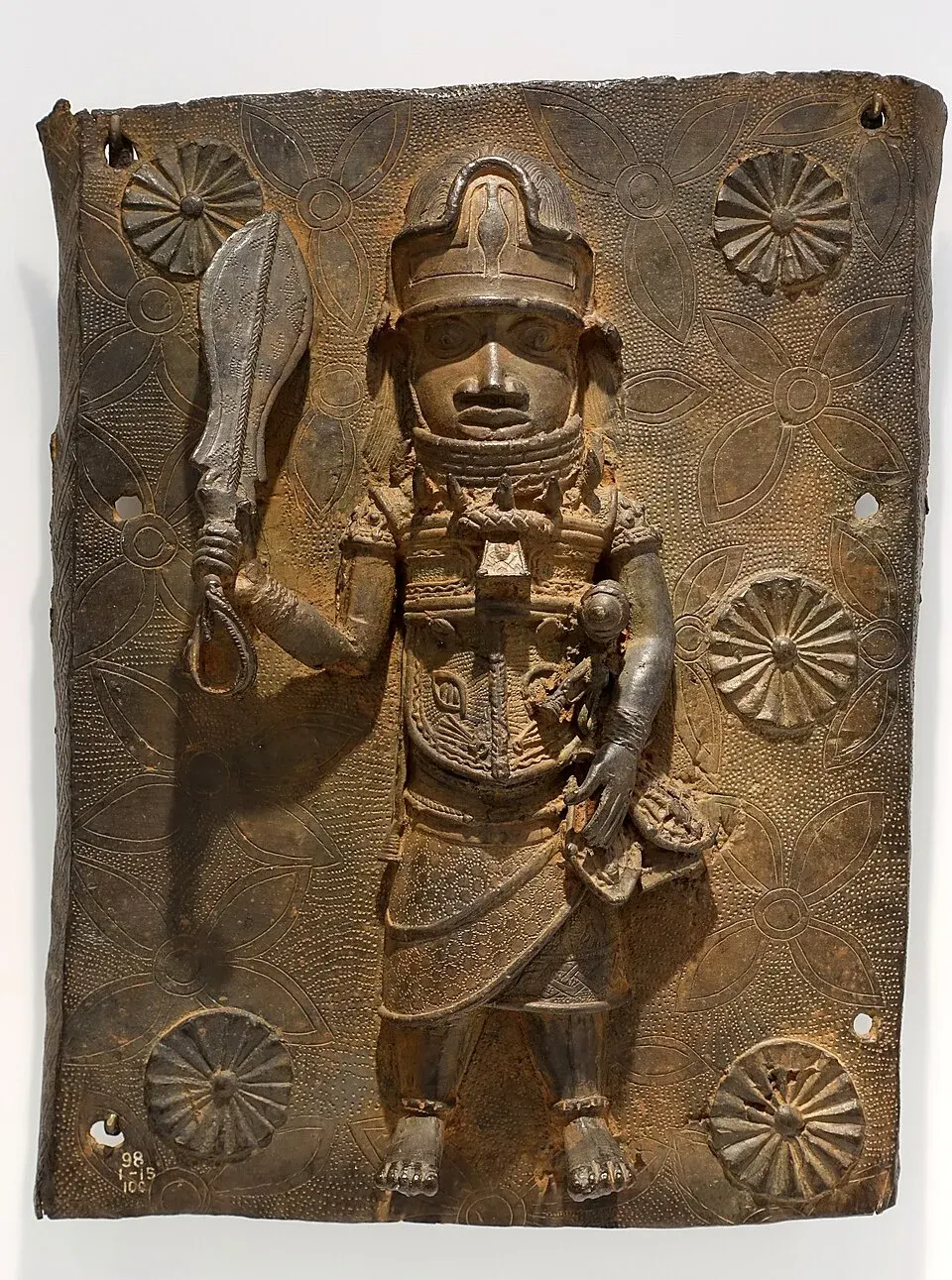
When the Center Cannot Hold: Achebe's "Things Fall Apart"
Chinua Achebe's Things Fall Apart: Okonkwo's tragedy, pre-colonial Igbo society shown whole and how colonialism made things fall apart.
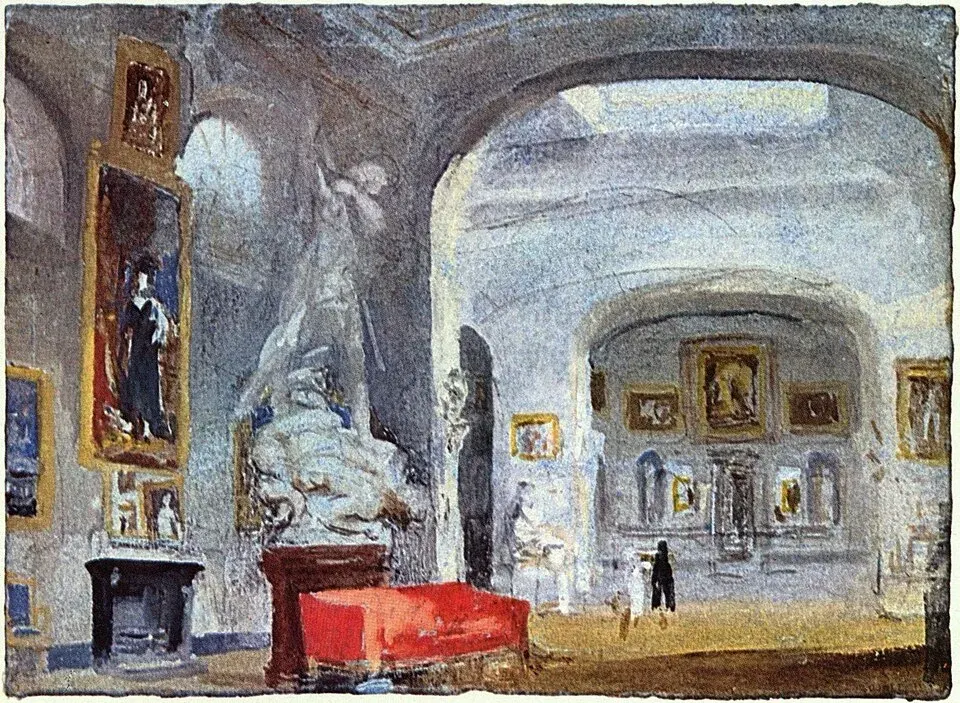
The Dignity of a Wasted Life: Ishiguro's "The Remains of the Day"
Ishiguro's The Remains of the Day: Stevens the butler, duty that crowds out love, an unreliable narrator and the meaning of the title.
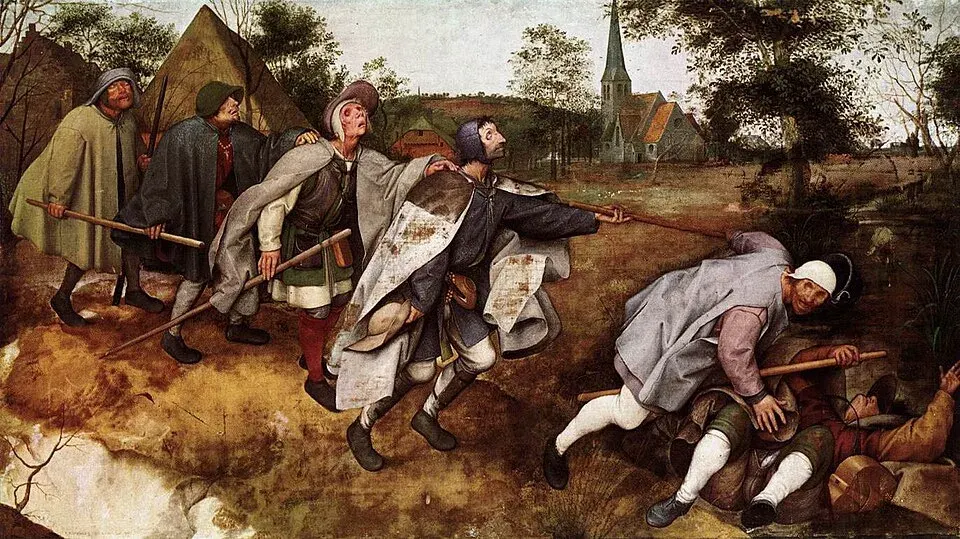
When Everyone Goes Blind: Saramago's Parable of Society's Fragility
José Saramago's Blindness begins with a single, terrifying premise and follows it without flinching to its conclusion.

The Scarlet Letter: Sin, Shame, and Society in Hawthorne's America
Nathaniel Hawthorne's The Scarlet Letter is a foundational American novel, set in the rigid, Puritan world of seventeenth-century Boston.

The Tyranny of Beauty: Mishima's "The Temple of the Golden Pavilion"
Mishima's The Temple of the Golden Pavilion: a young monk's obsession with beauty, alienation and why he destroys what he cannot possess.

Between Two Worlds: Tayeb Salih's "Season of Migration to the North"
Tayeb Salih's Season of Migration to the North: colonialism, identity and the clash of East and West in one of the greatest Arabic novels.
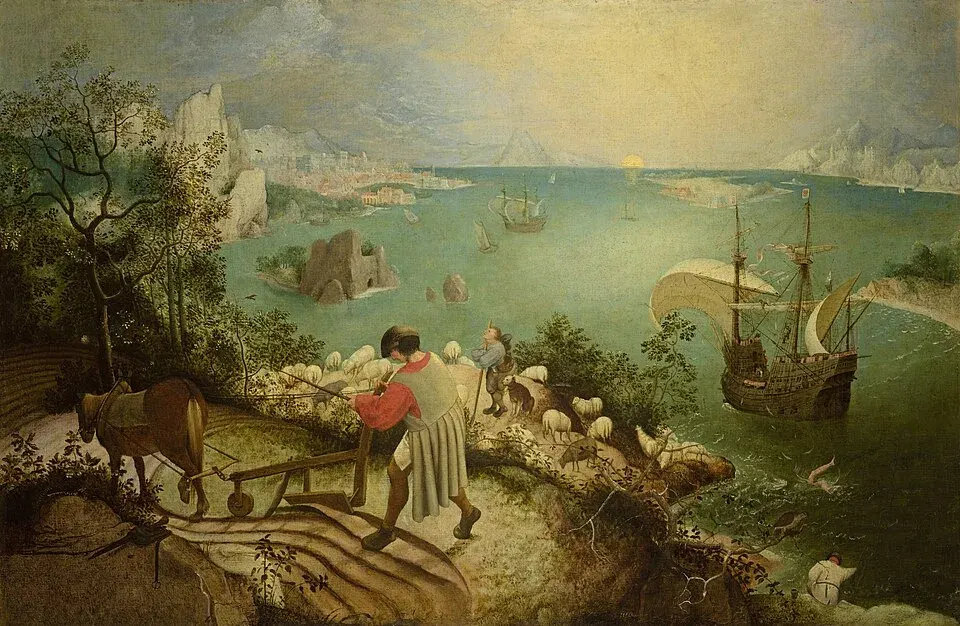
Forging the Conscience of a Soul: Joyce's "A Portrait of the Artist as a Young Man"
Joyce's A Portrait of the Artist as a Young Man: Stephen Dedalus escaping the nets of family, religion and nation, and a style that grows with him.
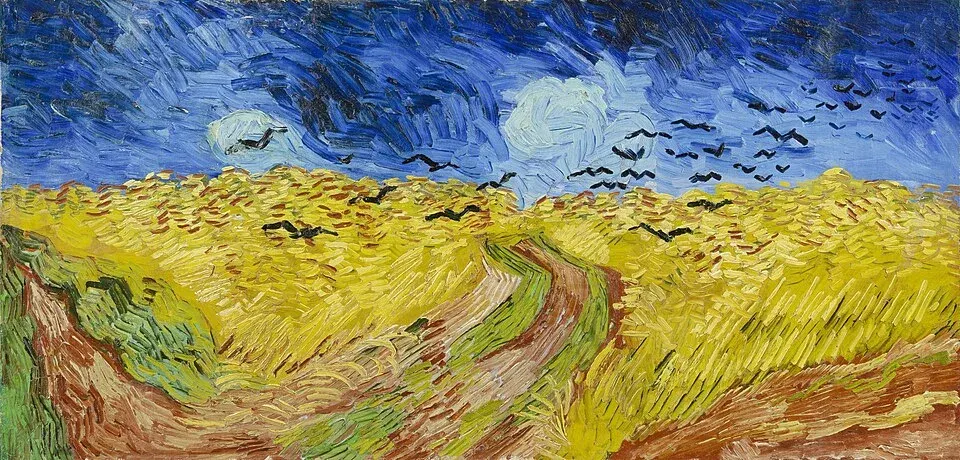
The Phoniness of the World: Holden Caulfield and "The Catcher in the Rye"
Salinger's The Catcher in the Rye explained: Holden's voice, his contempt for phoniness, the fear of growing up and the grief beneath his anger.
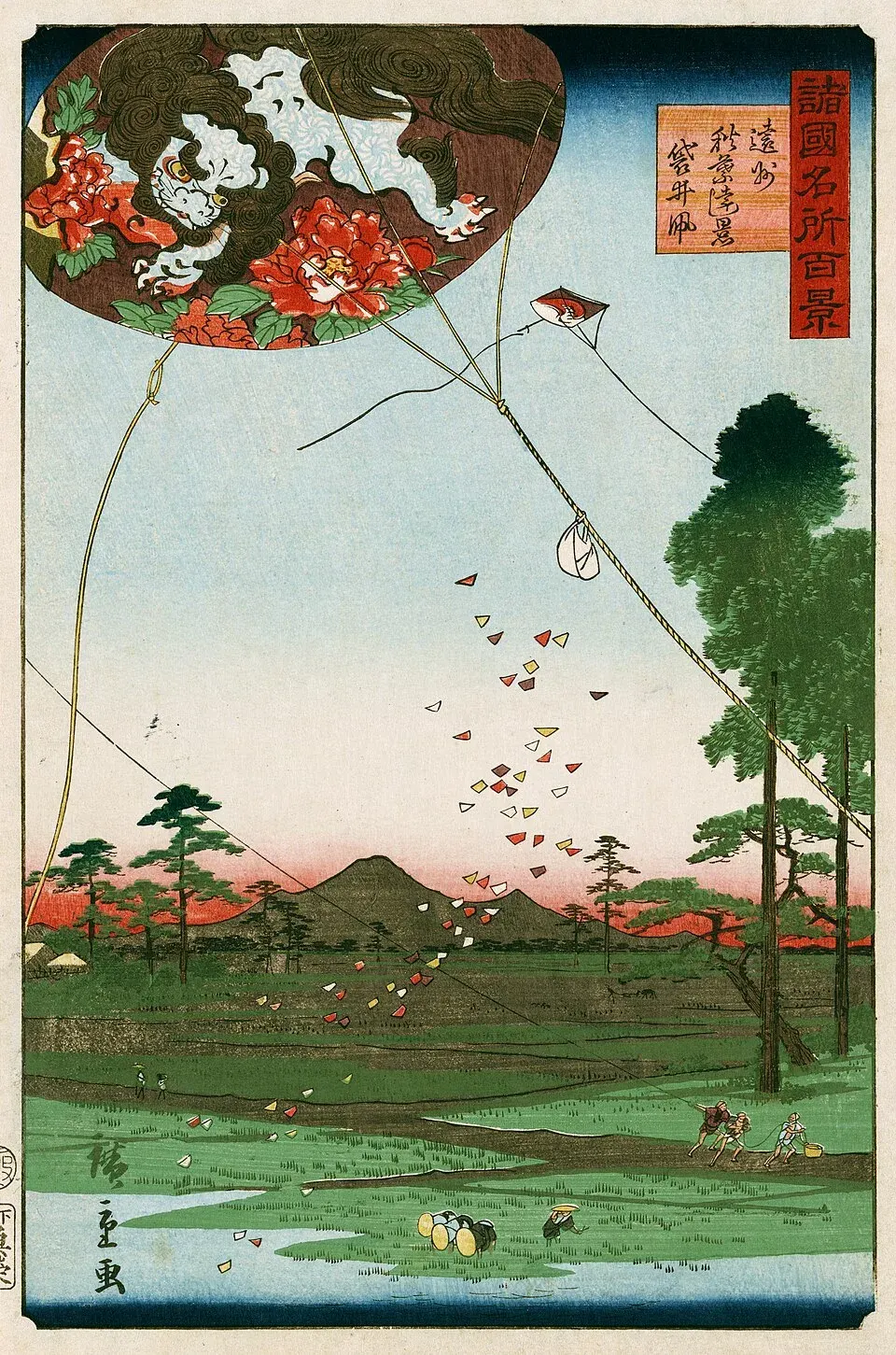
For You, a Thousand Times Over: Guilt and Atonement in "The Kite Runner"
Khaled Hosseini's The Kite Runner: Amir's betrayal of Hassan, the guilt that follows him for decades, and his search for a way to be good again.