The Steps of Zarathustra: Lessons from Friedrich Nietzsche
In one breath
Following Zarathustra's journey in Nietzsche's philosophical novel step by step: the descent from the mountain after ten years of solitude, the proclamation that God is dead, the Übermensch, eternal recurrence, and the struggle and joy of affirming life, with personal reflections on what each step teaches.
On this page
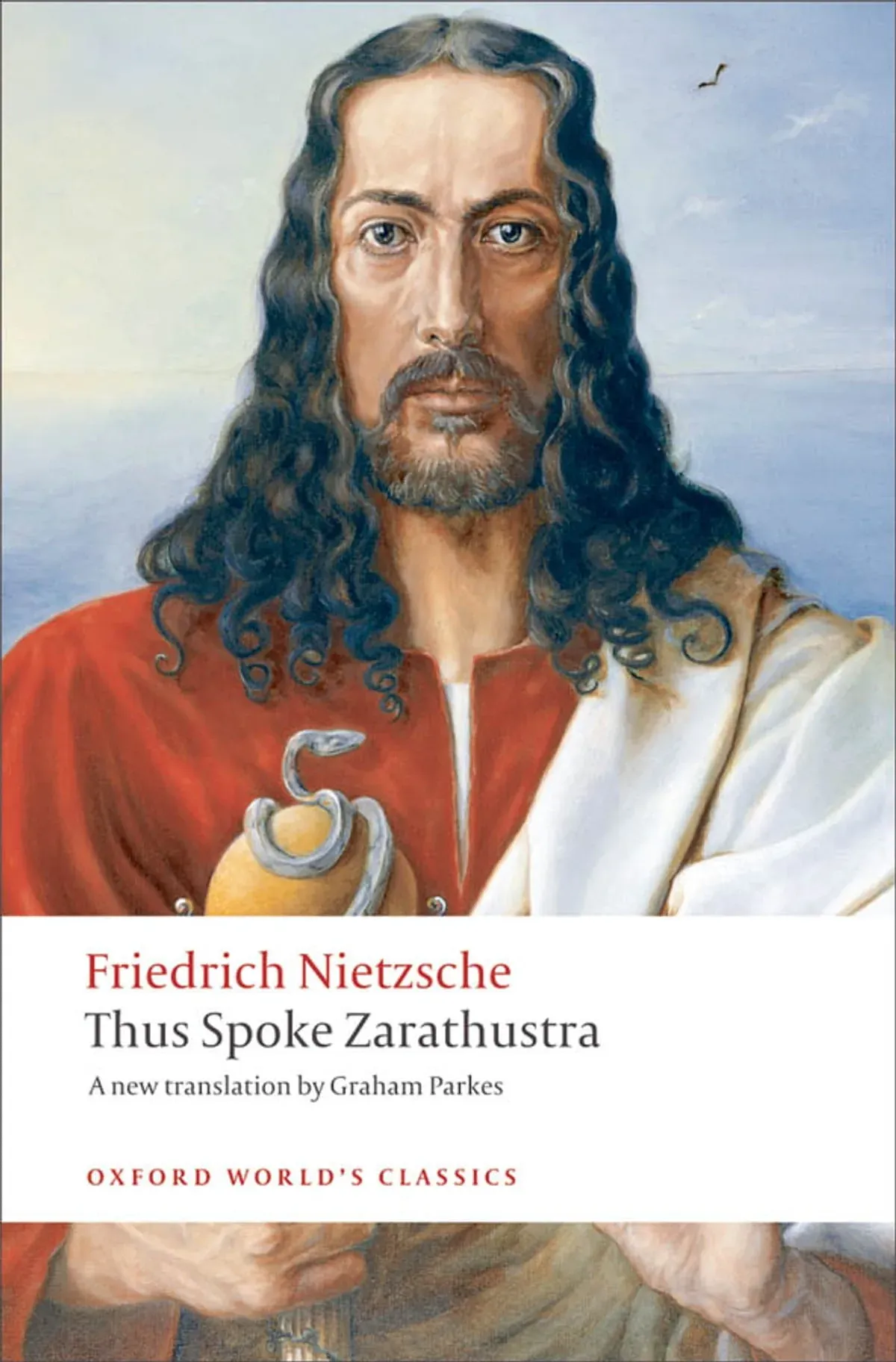
Friedrich Nietzsche’s “Thus Spoke Zarathustra” is a philosophical novel that has captivated readers for over a century. The book is structured around the teachings and travels of Zarathustra, a prophet-like figure who descends from his mountain retreat to share his wisdom with humanity. Through a series of parables and discourses, Nietzsche explores profound themes such as the death of God, the will to power, and the concept of the Übermensch (Overman). Here, we will delve into the key steps of Zarathustra’s journey and the invaluable lessons they impart.
1. The Descent from the Mountain
Zarathustra begins his journey by descending from his mountain solitude after ten years of contemplation. This descent symbolizes the philosopher’s return to society to share his insights. The lesson here is the importance of engaging with the world and sharing one’s knowledge and wisdom, rather than remaining isolated.
2. The Proclamation of the Death of God
One of Zarathustra’s most famous declarations is that “God is dead.” This statement reflects Nietzsche’s belief that traditional religious and moral values are no longer sufficient to guide humanity. The lesson here is the need to create new values and find meaning in a world without absolute truths.
3. The Concept of the Übermensch
Zarathustra introduces the idea of the Übermensch, or Overman, as an ideal for humanity to strive towards. The Übermensch represents the individual who has transcended conventional morality to create their own values. The lesson here is the importance of self-overcoming and personal growth.
4. The Eternal Recurrence
Nietzsche presents the concept of eternal recurrence, the idea that all events in life will repeat infinitely. This thought experiment challenges individuals to live their lives in such a way that they would be willing to relive the same experiences over and over. The lesson here is to live authentically and make choices that one can stand by indefinitely.
5. The Struggle and Joy of Life
Zarathustra’s journey is marked by both struggle and joy. Nietzsche emphasizes that life is a balance of both, and that true fulfillment comes from embracing this duality. The lesson here is to accept the challenges of life as opportunities for growth and to find joy in the process.
Personal Reflections
Reading “Thus Spoke Zarathustra” has been a transformative experience. Nietzsche’s work challenges conventional thinking and encourages deep introspection. Here are some personal takeaways:
- Self-Reliance: Nietzsche’s emphasis on creating one’s own values has inspired me to rely more on my inner convictions rather than external validation.
- Resilience: The concept of eternal recurrence has taught me to approach life with resilience, making choices that I can stand by indefinitely.
- Embracing Complexity: Zarathustra’s journey is a reminder that life is complex and multifaceted, requiring a balance of struggle and joy.
- Continuous Growth: The idea of the Übermensch motivates me to continually strive for self-improvement and personal excellence.
In conclusion, “Thus Spoke Zarathustra” is more than just a philosophical text; it is a guide to living a meaningful and authentic life. Nietzsche’s insights, conveyed through Zarathustra’s journey, offer timeless wisdom that continues to resonate with readers today.
Key takeaways 5
- Zarathustra's descent is the philosopher's return to share wisdom.
- "God is dead" marks the collapse of old sources of meaning.
- The Übermensch creates values instead of inheriting them.
- Eternal recurrence tests whether you fully affirm your life.
- Life's struggle and joy belong together.
Watch: others on this book

Frequently asked questions
What is Thus Spoke Zarathustra about?
It follows the prophet Zarathustra, who comes down from his mountain retreat to teach humanity about the death of God, the Übermensch, the will to power and eternal recurrence.
What does Zarathustra's descent from the mountain symbolize?
It symbolizes the philosopher returning from solitude to share hard-won wisdom with people, even if they are not ready to receive it.
What is the will to power?
For Nietzsche, the will to power is a fundamental drive in all living things to grow, overcome and express their strength, not simply to dominate others.
Read along with me
Book notes, philosophy and the ideas that shape how we build. New essays every month, no spam.
Related reading notes

Beyond Good and Evil: Unpacking Nietzsche's "Thus Spoke Zarathustra"
Nietzsche's Thus Spoke Zarathustra unpacked: the Übermensch, the death of God and eternal recurrence, and the lessons this philosophical novel leaves.
Unveiling the Philosophy of Power: Exploring Friedrich Nietzsche's "The Will to Power"
Exploring Nietzsche's The Will to Power: power as life's driving force, the Übermensch, confronting nihilism and affirming life through eternal recurrence.

Life-Changing Lessons: How Great Philosophers Transformed My Perspective
A personal journey of how reading philosophers like Camus, Kafka, Dostoevsky, Nietzsche, Schopenhauer, and Socrates transformed my perspective on life
Comments
No comments yet. Start the conversation.