The Dignity of a Wasted Life: Ishiguro's "The Remains of the Day"
In one breath
In The Remains of the Day, Stevens, an aging English butler, drives across 1950s England reflecting on his service and his ideal of dignity. Beneath his restrained narration, Ishiguro reveals a quiet tragedy: a life of total duty that crowded out love, feeling and moral judgment, and a last chance to make something of what remains.
On this page
Kazuo Ishiguro’s The Remains of the Day is a quiet, restrained, and devastating novel, narrated by Stevens, an aging English butler, as he takes a rare motoring trip across the English countryside in the 1950s. As he drives, he reflects on his decades of service at Darlington Hall, on his ideal of “dignity” and professional perfection, and on his relationship with the former housekeeper, Miss Kenton, whom he is travelling to see. Beneath the calm, formal surface of Stevens’s narration, a quiet tragedy slowly emerges: a life of duty so total that it crowded out love, feeling, and moral judgment. Ishiguro, a master of the unreliable narrator, lets us see, through what Stevens cannot quite admit even to himself, the full sadness of a life misspent in service to the wrong ideals.
Here is what The Remains of the Day taught me about the cost of duty, about love unspoken, and about the courage to face a wasted life.
Key takeaways
- A life of total duty can crowd out love, feeling, and moral judgment.
- The unreliable narrator reveals more than he admits to himself.
- Stevens’s ideal of “dignity” becomes a way of avoiding life.
- Love unspoken is one of the novel’s quiet tragedies.
- It is never too late, perhaps, to make something of the remains of the day.
The cost of duty
The heart of the novel is Stevens’s lifelong devotion to his profession, and the terrible cost it exacted. Stevens has organised his entire existence around the ideal of being a great butler, around “dignity,” restraint, and flawless service, suppressing his own feelings, opinions, and desires in the name of professional perfection. He served Lord Darlington with total loyalty, never questioning, never allowing himself a personal life, holding his emotions in check even at moments of profound personal crisis. And the novel slowly, devastatingly reveals what this cost him: love, human connection, and ultimately his own moral autonomy. Ishiguro shows how an ideal that seems noble, dedication, duty, professionalism, can, taken to an extreme, become a way of evading life itself, of avoiding the risks and demands of feeling, judgment, and love. Stevens gave everything to his service, and in doing so, we come to see, he gave away his own life.
Love unspoken
One of the quiet tragedies the novel reveals, through all that Stevens cannot bring himself to say, is the lost possibility of love with Miss Kenton. Over their years working together, a deep bond formed between them, and it is clear, to the reader if not fully to Stevens, that she loved him and that he, beneath his rigid restraint, loved her. But Stevens, imprisoned in his ideal of dignity and emotional control, could never acknowledge or act on his feelings, never allow himself the vulnerability that love requires. He let the moment pass, again and again, retreating into formality and duty, and the chance was lost. The novel’s emotional power lies in this aching restraint, in everything left unsaid, in the love suppressed in the name of professionalism until it was too late. Ishiguro never states it directly; he lets us feel the loss through the very things Stevens cannot allow himself to feel or say, and it is heartbreaking.
Facing a wasted life
The deepest movement of the novel is Stevens’s halting, painful, partial coming-to-awareness of what his life has cost him. As his journey and his reflections proceed, the careful self-justifications begin, ever so slightly, to crack. He is forced to confront the possibility that his beloved Lord Darlington, to whom he gave such total, unquestioning loyalty, was in fact a misguided man, even a Nazi sympathiser in the 1930s, and that Stevens’s refusal to think or judge for himself made him complicit. And, in the novel’s quietly shattering climax, sitting on a pier at dusk, he comes close to admitting the enormity of what he has lost in love and life. The “remains of the day” of the title carry a double meaning: the evening of his life, and the little that is left of it. There is a flicker of fragile hope at the end, the suggestion that even now he might learn to live a little, to make something of the remaining evening, but it is shadowed by all that is irrecoverably gone.
What I’m taking with me
The Remains of the Day is a masterpiece of restraint, and its quiet devastation lingers long after reading. What I am taking from Ishiguro is its searching examination of the cost of a life given wholly to duty, and how a seemingly noble ideal can become an evasion of life itself; the aching tragedy of love unspoken, suppressed until too late; and the painful courage required to face, even partly, a life misspent. Stevens haunts me as a warning: against the seductive comfort of duty and restraint as a way of never having to risk feeling, judgment, or love. The novel asks me, quietly but urgently, whether I am truly living, or merely serving, and whether there is still time to make something of the remains of my own day.
Frequently asked questions
What is The Remains of the Day about?
It is Kazuo Ishiguro’s novel narrated by Stevens, an aging English butler, who reflects during a motoring trip on his decades of service, his ideal of “dignity,” and the love and life he sacrificed to duty, slowly confronting a life misspent.
Why is Stevens an “unreliable narrator”?
Because his calm, self-justifying account conceals, even from himself, the truth of what his life cost him. Ishiguro lets readers see, through what Stevens cannot admit, the love he suppressed and the moral blindness of his service.
What is the meaning of the title?
“The remains of the day” refers both to the evening of Stevens’s life and to the little that is left of it, carrying a fragile hope that he might still make something of his remaining time despite all he has lost.
References & further reading
- Ishiguro, Kazuo. The Remains of the Day. Faber & Faber, 1989.
- Ishiguro, Kazuo. An Artist of the Floating World. Faber & Faber, 1986.
- Shaffer, Brian W. Understanding Kazuo Ishiguro. University of South Carolina Press, 1998.
Watch: others on this book


Read along with me
Book notes, philosophy and the ideas that shape how we build. New essays every month, no spam.
Related reading notes
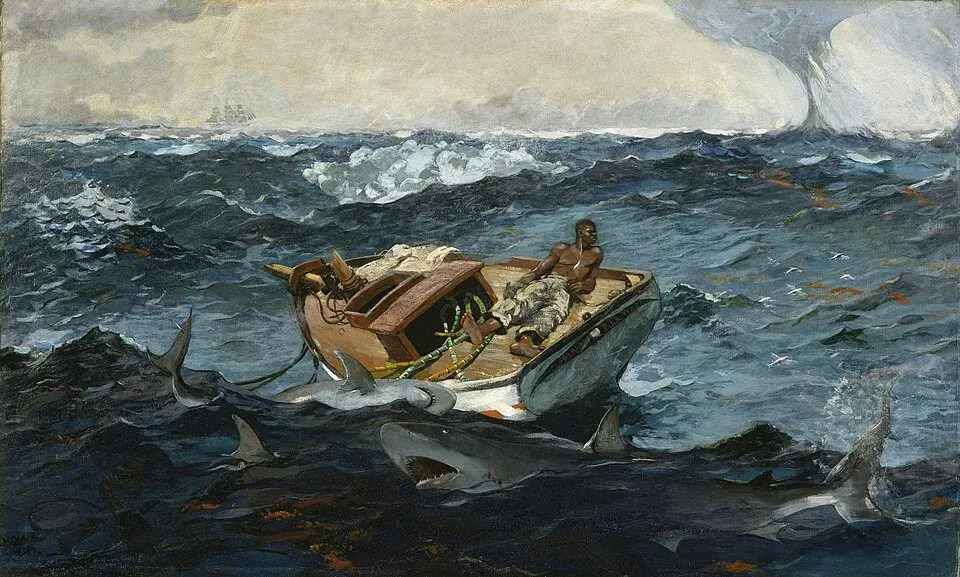
A Man Can Be Destroyed But Not Defeated: Hemingway's "The Old Man and the Sea"
Ernest Hemingway's The Old Man and the Sea is short enough to read in a single sitting, and large enough to carry for a lifetime.

The Dignity of the Dispossessed: Steinbeck's "The Grapes of Wrath"
John Steinbeck's The Grapes of Wrath is the great American novel of the Great Depression, a work of overwhelming compassion and quiet fury.
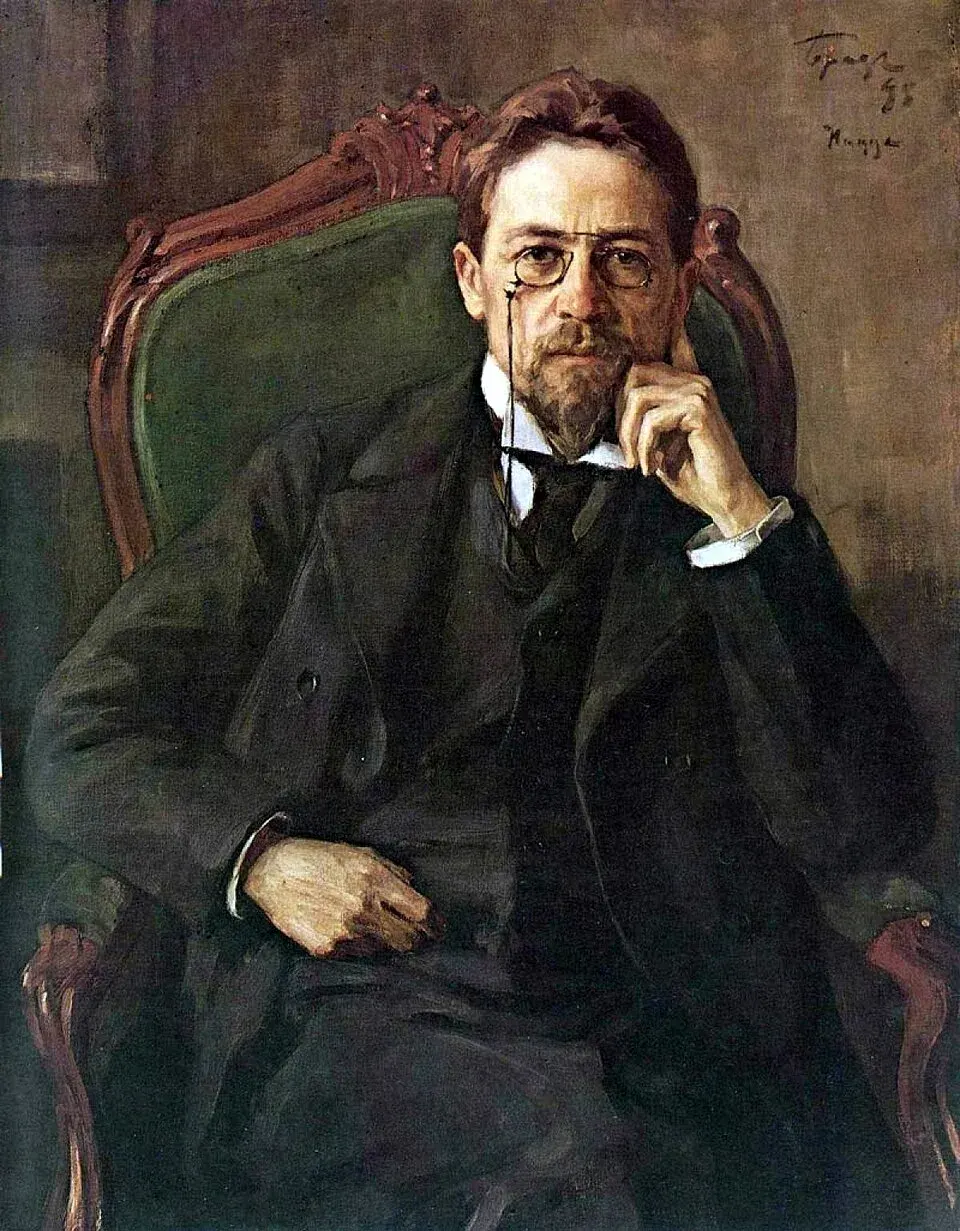
The Music of Ordinary Lives: The Short Stories of Anton Chekhov
After the thunder of Dostoevsky and the vast canvases of Tolstoy, Anton Chekhov can seem, at first, almost too quiet.
Comments
No comments yet. Start the conversation.