The Dignity of the Dispossessed: Steinbeck's "The Grapes of Wrath"
In one breath
The Grapes of Wrath follows the Joad family, driven off their Oklahoma farm in the Dust Bowl, as they journey to California and find exploitation and hunger. Steinbeck's novel of compassion and fury shows the dispossessed keeping their dignity and moving from "I" to "we" through solidarity.
On this page
John Steinbeck’s The Grapes of Wrath is the great American novel of the Great Depression, a work of overwhelming compassion and quiet fury. It follows the Joad family, tenant farmers driven off their land in the Dust Bowl of Oklahoma, as they journey west to California in search of work and dignity, only to find exploitation, hostility, and hunger. Steinbeck wrote it after living among migrant workers and witnessing their suffering firsthand, and the book’s publication in 1939 caused a national outcry. It is at once an intimate family story and a sweeping social document, a novel that made an entire nation see the human reality behind the abstraction of “the poor.”
Here is what The Grapes of Wrath taught me about the dignity of the dispossessed, about the widening from “I” to “we,” and about the human cost of an economic system that treats people as disposable.
Key takeaways
- The dispossessed keep their dignity even when stripped of everything else.
- A movement from “I” to “we”: survival depends on solidarity, not isolation.
- The system treats people as disposable, sacrificing human beings to profit.
- Anger and compassion together drive the novel’s moral vision.
- The final image embodies radical, unexpected human generosity.
The dignity of the dispossessed
What gives The Grapes of Wrath its moral power is Steinbeck’s insistence on the human dignity of people the world treats as worthless. The Joads lose their land, their home, their savings, members of their own family; they are cheated, insulted, hunted, and starved. And yet Steinbeck shows them, again and again, as full, dignified human beings, capable of endurance, loyalty, humour, and astonishing generosity. He refuses to let them be reduced to statistics or objects of mere pity. Ma Joad, the family’s fierce, steady heart, embodies this dignity, holding the family together through every blow, insisting on decency even in degradation. Steinbeck’s achievement is to make the reader see the dispossessed not as an abstract problem but as people, with the same inner depth and worth as anyone, which is precisely what those who exploited them needed to deny.
From “I” to “we”
The deepest movement in the novel is from the isolated individual to the human community, from “I” to “we.” At the start, the Joads think only of their own family’s survival. But as they suffer alongside thousands of others in the same plight, a wider solidarity begins to form. Steinbeck weaves in short, lyrical “intercalary” chapters that pull back from the Joads to show the larger social forces and the dawning collective consciousness of the migrants. The novel’s hope, such as it is, lies in this widening: the discovery that the dispossessed can survive not by competing against each other but by standing together, sharing what little they have, recognising their common fate. The former preacher Jim Casy articulates a kind of secular spirituality of this “we,” the idea that there is no individual soul, only one great human soul of which we are all part. Salvation, in Steinbeck’s vision, is collective.
The human cost of the system
Steinbeck’s fury is directed at an economic system that treats human beings as disposable. In one unforgettable passage, oranges are deliberately burned and crops destroyed to keep prices high, while starving migrants look on, a grotesque image of plenty wasted in the midst of hunger, of profit valued over people. The banks and large landowners are portrayed not as individual villains but as a faceless, inhuman machine, foreclosing, evicting, exploiting, accountable to no one, grinding human lives into the dust for the sake of returns. Steinbeck does not offer a tidy political program, but his moral indictment is clear and devastating: a system that produces such suffering amid such abundance, that treats the people who do the work as expendable, stands condemned. The “grapes of wrath” of the title are the bitter harvest such injustice sows.
What I’m taking with me
The Grapes of Wrath is a novel that changed how a nation saw itself, and it changed how I see the human reality behind economic abstractions. What I am taking from Steinbeck is his unwavering insistence on the dignity of the dispossessed, his refusal to let suffering people be reduced to statistics; the movement from “I” to “we,” the discovery that solidarity is the only real hope of the powerless; and his furious compassion at a system that wastes food while people starve and treats human beings as disposable. The book leaves me with its famous closing image of radical generosity, and with a question that has not aged: how do we see, and how do we treat, those our own system leaves behind?
Frequently asked questions
What is The Grapes of Wrath about?
It follows the Joad family, tenant farmers driven from their Dust Bowl land during the Great Depression, on their journey to California in search of work. It is both an intimate family story and a powerful indictment of economic injustice.
What is the “I to we” theme?
Steinbeck’s central idea that the dispossessed survive not through isolated self-interest but through solidarity, as individuals discover they are part of a larger human community with a shared fate.
Why was The Grapes of Wrath controversial?
Its searing depiction of the exploitation of migrant workers and its indictment of banks and large landowners angered powerful interests, and it was banned and burned in some places, even as it won the Pulitzer Prize.
References & further reading
- Steinbeck, John. The Grapes of Wrath. The Viking Press, 1939.
- Benson, Jackson J. The True Adventures of John Steinbeck, Writer. Viking, 1984.
- DeMott, Robert (ed.). Working Days: The Journals of The Grapes of Wrath. Viking, 1989.
Watch: others on this book


Read along with me
Book notes, philosophy and the ideas that shape how we build. New essays every month, no spam.
Related reading notes

Timshel, Thou Mayest: Choice and Inheritance in Steinbeck's "East of Eden"
John Steinbeck considered East of Eden his masterpiece, the book toward which all his other work had been building.
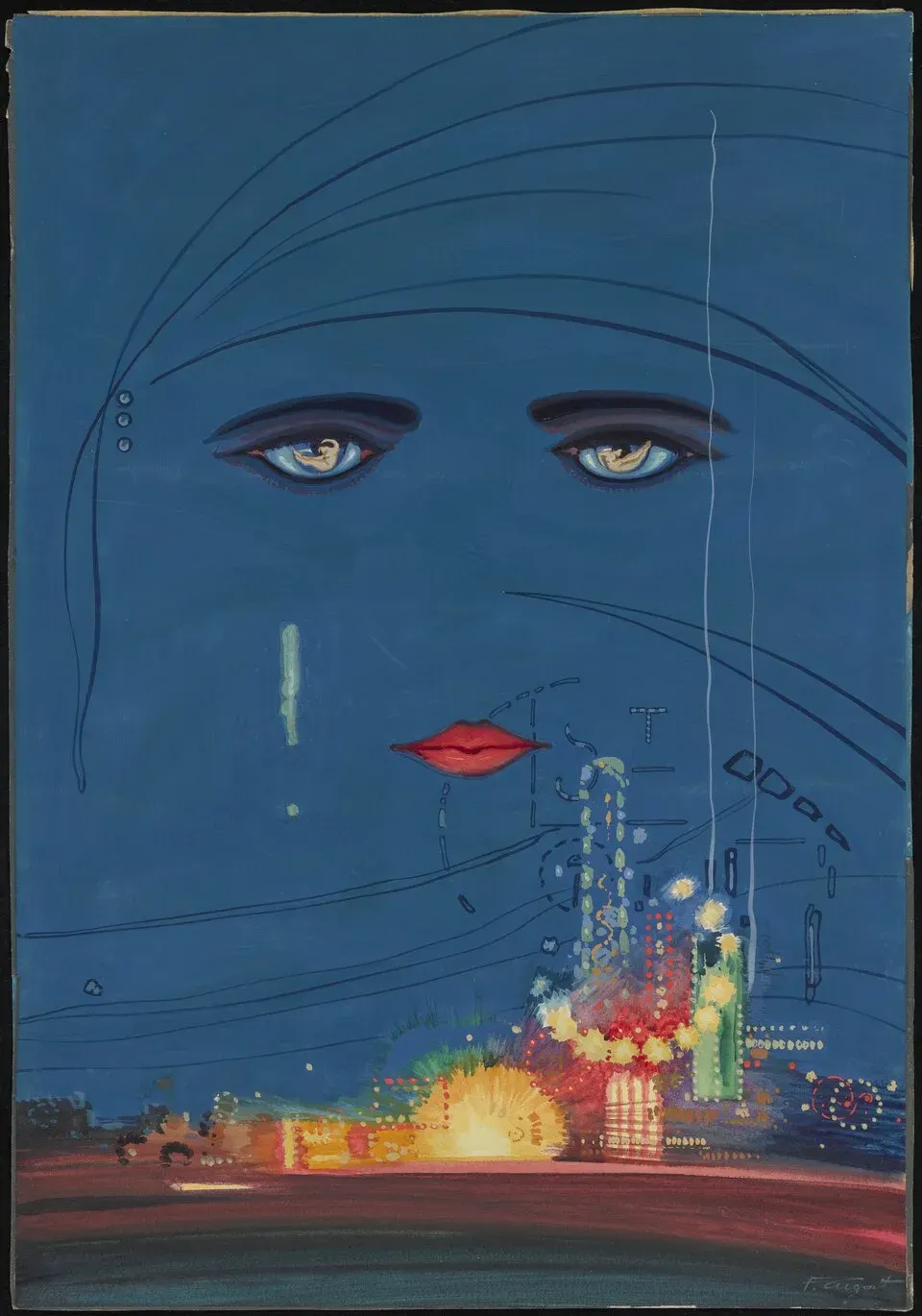
The Green Light and the American Dream: Fitzgerald's "The Great Gatsby"
Fitzgerald's The Great Gatsby explained: the green light, the corruption of the American Dream, careless wealth and why you can't repeat the past.
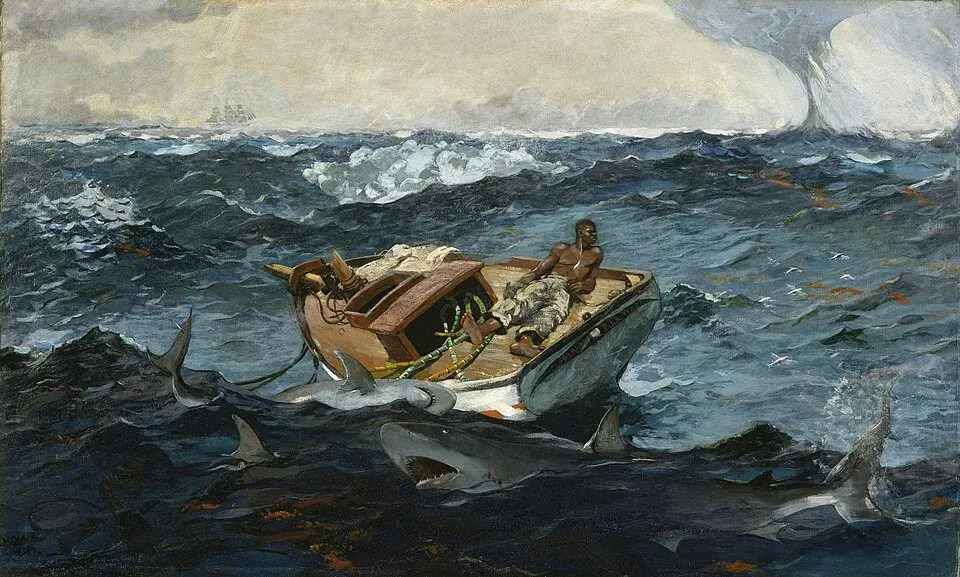
A Man Can Be Destroyed But Not Defeated: Hemingway's "The Old Man and the Sea"
Ernest Hemingway's The Old Man and the Sea is short enough to read in a single sitting, and large enough to carry for a lifetime.
Comments
No comments yet. Start the conversation.