Dostoevsky, Tolstoy, Chekhov, Turgenev and Platonov
In one breath
A personal reading guide to the great Russian writers: Dostoevsky's raw Notes from Underground, Tolstoy's The Death of Ivan Ilyich and Anna Karenina, Chekhov's short stories, Gogol's satire, Turgenev's generational conflicts and Platonov's strange, haunting prose, each with what makes it worth your time.
On this page
1. Fyodor Dostoevsky
Already one of your favorites, and for good reason
If you haven’t read Notes from Underground yet, it’s a raw, painful, brutally honest inner monologue that speaks to isolation, pride, and self-sabotage — like looking straight into the mind of someone at war with the world and himself
2. Leo Tolstoy
More spiritual than Dostoevsky in some ways, but just as emotionally intense
The Death of Ivan Ilyich hits hard if you’ve ever questioned the meaning of a so-called “successful” life
Anna Karenina dives into love, jealousy, and the quiet collapse of the human spirit
He doesn’t just tell stories — he dissects life, inch by inch
3. Anton Chekhov
Master of the short story
He won’t give you grand philosophical systems, but his quiet, subtle writing reveals the sadness and longing behind everyday life
It’s philosophy hidden in silences and unsaid things
Try Ward No. 6 or The Lady with the Dog if you want to feel a quiet ache
4. Nikolai Gogol
Weird, dark, sometimes absurd — kind of a bridge between Kafka and Dostoevsky
His story The Overcoat might hit you with its mix of sadness and surreal comedy
He shows how ridiculous the world can be, but also how much pain is hidden in the ridiculous
5. Ivan Turgenev
A bit softer, more lyrical
Fathers and Sons explores generational conflict and existential restlessness
He’s great if you want something introspective but not as heavy as Dostoevsky
6. Andrei Platonov
Much lesser known but honestly, his writing is like breathing in dust and poetry at the same time
He writes about Soviet life with a kind of broken-hearted beauty
If you liked Kafka’s sense of alienation, you’ll probably feel something deep reading Platonov
Key takeaways 5
- Dostoevsky dissects pride, isolation and self-sabotage from the inside.
- Tolstoy questions what a successful life really means.
- Chekhov is the master of the quiet, precise short story.
- Gogol mixes satire with deep melancholy.
- Turgenev and Platonov show Russia's generational and revolutionary upheavals.
Watch: others on this book

Frequently asked questions
Where should I start with Russian literature?
Short works are a good entry: Tolstoy's The Death of Ivan Ilyich, Dostoevsky's Notes from Underground, Chekhov's short stories or Turgenev's Fathers and Sons, before tackling the long novels.
Who is Andrei Platonov?
Andrei Platonov was a Soviet writer known for strange, poetic and darkly satirical works such as The Foundation Pit, which portray the human cost of utopian revolution.
What makes Russian literature special?
Its deep psychological insight, moral seriousness and willingness to confront the biggest questions about faith, suffering, freedom and the meaning of life.
Read along with me
Book notes, philosophy and the ideas that shape how we build. New essays every month, no spam.
Related reading notes
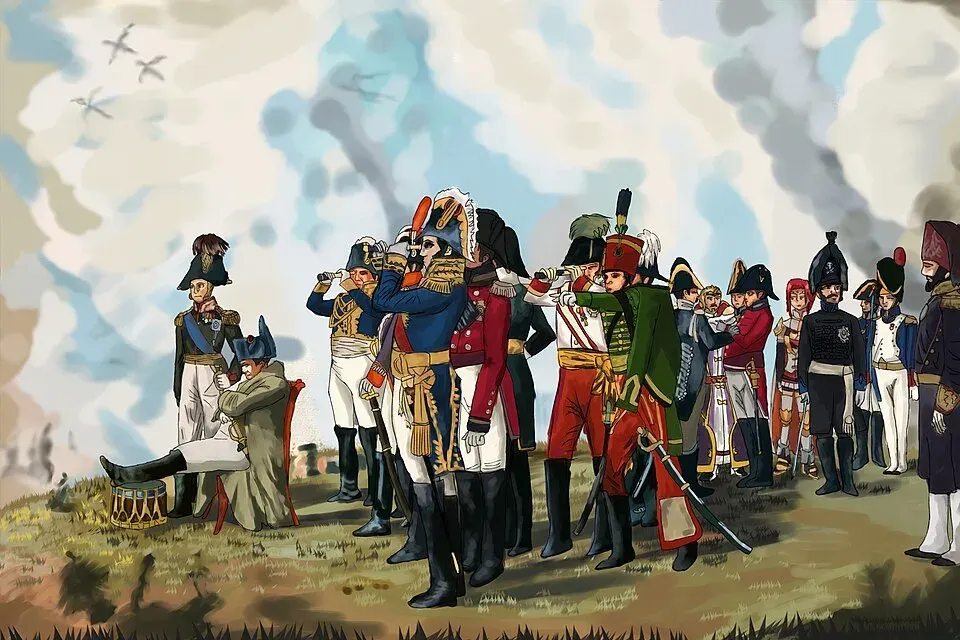
History, Fate, and the Individual: Tolstoy's "War and Peace"
To read Tolstoy's War and Peace is to live, for a few hundred hours, inside an entire world.
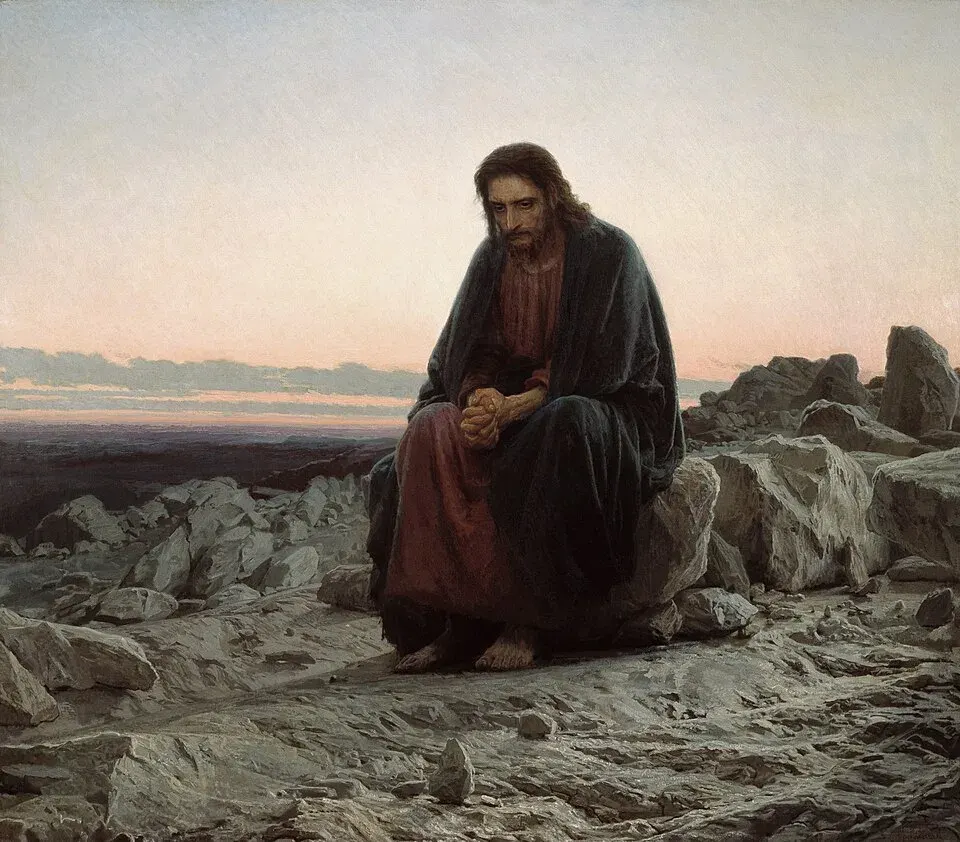
Faith, Doubt, and the Grand Inquisitor: Dostoevsky's "The Brothers Karamazov"
Dostoevsky's The Brothers Karamazov: Ivan's rebellion, the Grand Inquisitor and the novel's answer to doubt through active, humble love.
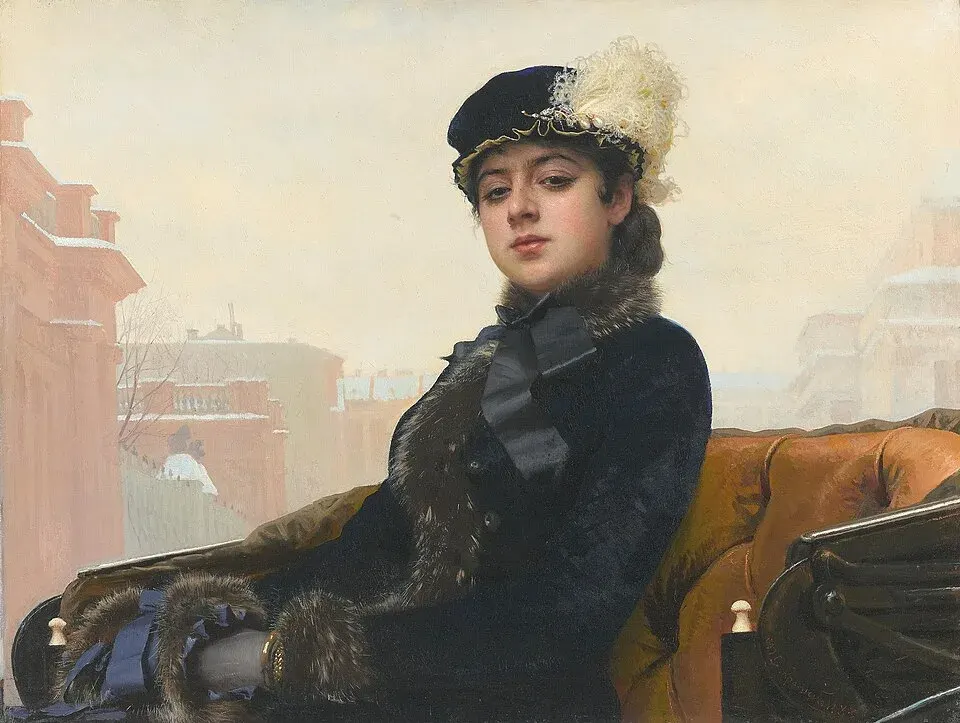
All Happy Families: Love, Society, and Ruin in Tolstoy's "Anna Karenina"
Tolstoy's Anna Karenina: passion, society's hypocrisy and the search for meaning, told through Anna's ruin and Levin's quiet search for a good life.
Comments
No comments yet. Start the conversation.