The Power of Intellectual Enjoyment: What I Learned from Kant's Critique of Pure Reason
In one breath
A personal reflection on reading Kant's Critique of Pure Reason: the difference between fleeting sensory pleasure and lasting intellectual enjoyment, reason as the highest form of human awareness and why the joy of understanding can last a lifetime and drive the pursuit of knowledge.
On this page
When I first picked up Immanuel Kant’s Critique of Pure Reason, I had no idea how profoundly it would shape my understanding of intellectual fulfillment. As one of the most influential works in philosophy, Kant’s exploration of reason, human understanding, and the limits of knowledge opened my eyes to the deeper joys of engaging with the mind. Here, I’ll share what I learned from reading Kant and why intellectual enjoyment is a vital part of a meaningful life.
The Distinction Between Sensory Pleasure and Intellectual Enjoyment
Kant distinguishes between two kinds of pleasures: sensory and intellectual. Sensory pleasure is what we experience through our senses—taste, touch, sound, sight, and smell. It’s the satisfaction we get from a delicious meal, a beautiful view, or relaxing music. While sensory pleasure is enjoyable, Kant argued that it’s temporary and often fleeting. In contrast, intellectual enjoyment comes from engaging our reason, thinking critically, and contemplating abstract concepts. It is longer-lasting and provides a sense of fulfillment that sensory pleasure cannot match.
From this perspective, I began to realize how much of our daily lives are spent chasing sensory satisfaction. Yet, those pleasures are often short-lived, leaving us craving more. On the other hand, intellectual enjoyment, such as reading a thought-provoking book or solving a challenging problem, stays with you. It creates a lasting impact because it engages our minds in deeper, more meaningful ways.
Reason: The Highest Form of Human Awareness
For Kant, reason is the highest form of human awareness, and it is through reason that we achieve enlightenment. In his famous essay What is Enlightenment?, Kant famously defines enlightenment as “man’s emergence from his self-imposed immaturity.” This immaturity is our tendency to rely on others to do the thinking for us. Intellectual maturity, on the other hand, is achieved when we start thinking independently and critically.
Reading Critique of Pure Reason made me appreciate the importance of using my own mind, not just accepting ideas at face value. The book encourages deep thinking and self-reflection, challenging me to question assumptions and explore new ways of understanding the world. Intellectual enjoyment, therefore, is not just about feeling good; it is about the freedom and satisfaction that comes from using reason to guide one’s own life.
Intellectual Enjoyment Is Lifelong
One of the key takeaways from Kant’s work is that intellectual enjoyment is a lifelong pursuit. Unlike sensory pleasures that diminish with time, intellectual fulfillment grows as we continue to develop our reasoning skills and expand our knowledge. The more I read, the more I explore challenging ideas, the richer and more meaningful my life becomes.
Engaging with Kant’s philosophy helped me recognize the importance of continuous learning. Whether it’s through reading, engaging in thoughtful conversations, or reflecting on complex problems, the mind’s capacity for growth is limitless. This sense of intellectual curiosity keeps life interesting and full of purpose.
Intellectual Enjoyment and the Pursuit of Knowledge
Kant’s philosophy also teaches us about the limits of knowledge. In Critique of Pure Reason, he explores how our minds structure experiences and how much we can actually know about the world. He argues that while we can understand phenomena (things as they appear to us), the noumena (things in themselves) remain beyond our grasp. This might sound disheartening at first, but I found it liberating. Accepting that some mysteries remain unsolved frees the mind to focus on what can be known, while still maintaining a sense of wonder about the unknown.
This insight reinforced my appreciation for the pursuit of knowledge. Intellectual enjoyment is not just about acquiring facts; it’s about embracing the journey of learning, even when we know we won’t have all the answers. The joy comes from the process—exploring ideas, asking questions, and engaging in thoughtful inquiry.
What I Learned
Reading Critique of Pure Reason left me with a deeper understanding of intellectual enjoyment and its place in my life. I learned that:
-
Intellectual enjoyment offers deeper, more lasting satisfaction than sensory pleasure. While the pleasures of the senses are fleeting, the fulfillment that comes from reasoning and thinking critically is enduring and meaningful.
-
Reason is our greatest tool for personal growth and freedom. By exercising our reason, we can break free from relying on others to shape our thoughts and instead guide our own intellectual journey.
-
The pursuit of knowledge is lifelong. Intellectual enjoyment grows as we continue to explore and question the world around us. It’s a continuous process that keeps life rich and rewarding.
-
It’s okay not to know everything. Kant’s work taught me to embrace the limits of human understanding and appreciate the intellectual curiosity that comes with not having all the answers.
In a world that often prioritizes instant gratification and surface-level pleasures, Kant’s philosophy is a reminder of the deeper joys that come from engaging the mind. Intellectual enjoyment isn’t something reserved for academics or philosophers; it’s available to anyone willing to reflect, reason, and explore the richness of thought.
If you’re looking for a way to enrich your life, I encourage you to follow Kant’s lead and seek intellectual fulfillment. Whether it’s through reading, learning, or simply thinking more critically about the world, you’ll find that the rewards of intellectual enjoyment are limitless.
This reflection on Kant’s ideas has not only changed how I approach my own thinking but has also given me a greater sense of purpose in seeking deeper knowledge and understanding. Intellectual enjoyment is a powerful and fulfilling aspect of life—one that we can all tap into by exercising our reason and expanding our minds.
Key takeaways 5
- Sensory pleasure fades; intellectual enjoyment lasts.
- Reason is the highest form of human awareness for Kant.
- Understanding brings a deep, durable satisfaction.
- Intellectual enjoyment grows over a lifetime.
- It motivates the lifelong pursuit of knowledge.
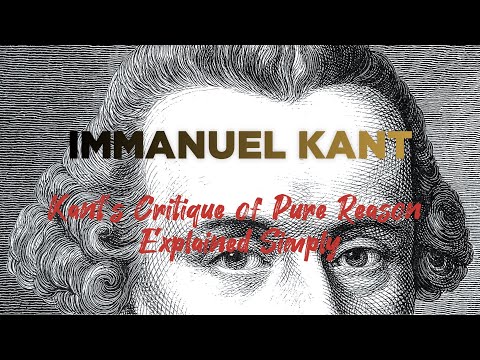
Watch: others on this book

Frequently asked questions
What is the Critique of Pure Reason about?
Kant's 1781 work examines what human reason can know, arguing that knowledge arises from experience shaped by the mind's own structures, and setting limits on metaphysical claims.
What is intellectual enjoyment?
It is the satisfaction that comes from understanding, reasoning and discovering ideas, which tends to be more lasting than pleasures of the senses.
Is the Critique of Pure Reason hard to read?
Yes, it is famously difficult. Reading a good introduction or commentary first and taking it slowly helps a great deal.
Read along with me
Book notes, philosophy and the ideas that shape how we build. New essays every month, no spam.
Related reading notes
The Starry Heavens and the Moral Law: Kant's "Critique of Practical Reason"
Kant's Critique of Practical Reason: the moral law as a fact of reason, ought implies can, the postulates of freedom, God and immortality.
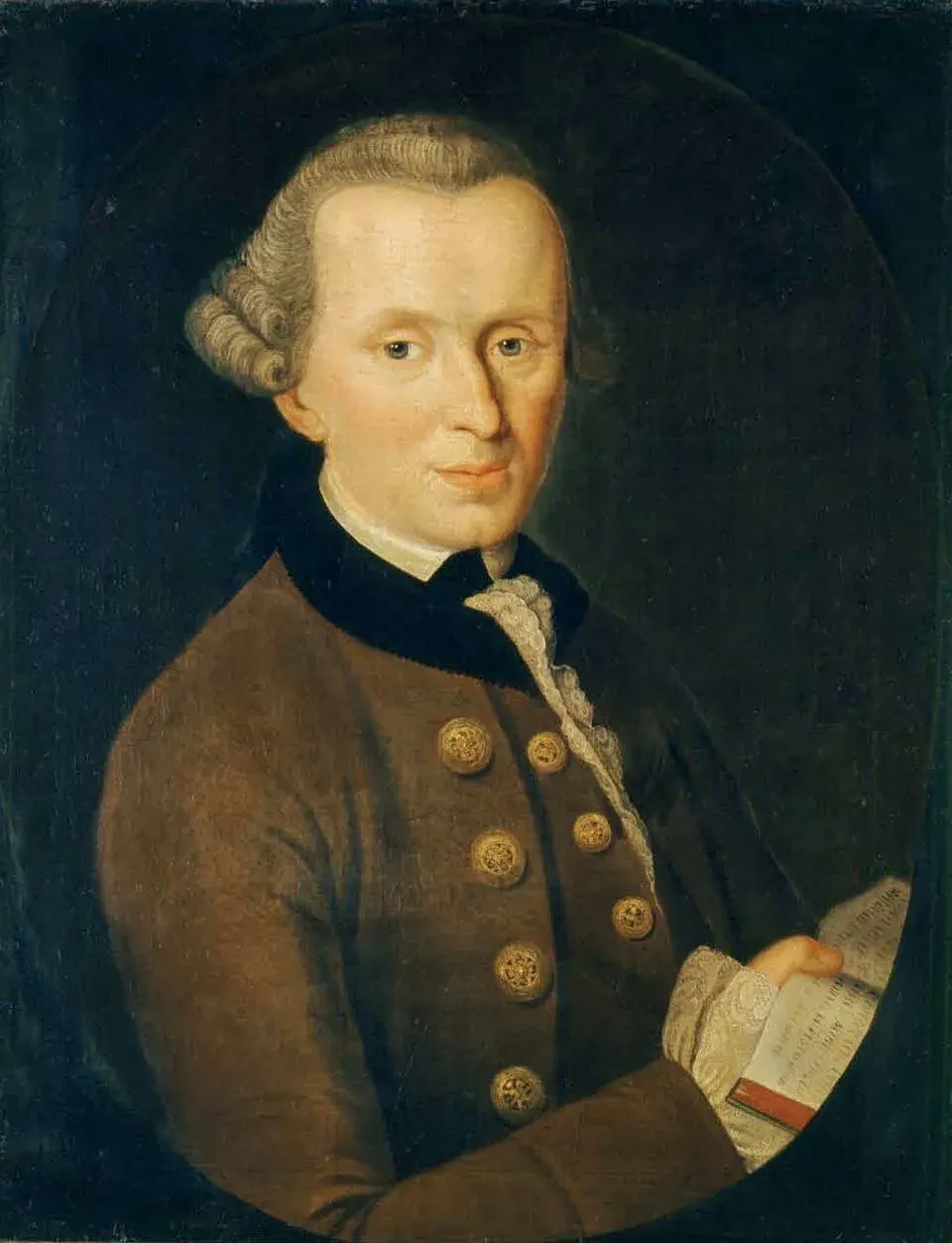
The Categorical Imperative: Kant on Duty and the Moral Law
Kant's categorical imperative explained: the good will, universal laws, treating people as ends in themselves and the foundation of human dignity.
Life-Changing Lessons: How Great Philosophers Transformed My Perspective
A personal journey of how reading philosophers like Camus, Kafka, Dostoevsky, Nietzsche, Schopenhauer, and Socrates transformed my perspective on life
Comments
No comments yet. Start the conversation.