Exploring Marxism: Lessons from Richard D. Wolff's "Understanding Marxism
In one breath
Richard D. Wolff's Understanding Marxism explains Marxism as a critique of capitalism: power relations, exploitation and recurring crises built into the system. It covers class struggle and historical materialism and argues for worker-owned enterprises as a path to economic democracy.
On this page
Introduction:
Delving into the depths of economic theory and societal structures, Richard D. Wolff’s “Understanding Marxism” provides a comprehensive roadmap for understanding one of the most influential ideologies of the modern era. As I journeyed through the pages of this insightful book, I uncovered invaluable lessons that reshaped my understanding of economics, politics, and social dynamics.
Unveiling the Foundations:
Wolff adeptly unravels the foundational principles of Marxism, elucidating its critique of capitalism and its vision for a more equitable society. Through his lucid explanations, I learned to perceive capitalism not merely as an economic system but as a complex web of power relations, exploitation, and inherent contradictions.
Class Struggle and Historical Materialism:
One of the central tenets of Marxism is the concept of class struggle. Wolff’s exposition on historical materialism elucidated how societal change is propelled by the conflicts between different social classes. This historical perspective provided me with a profound insight into the dynamics of social evolution and the forces shaping our present reality.
Capitalism’s Internal Contradictions:
Wolff skillfully outlines capitalism’s inherent contradictions, such as the tendency towards overproduction and the concentration of wealth in the hands of a few. Through his analysis, I came to recognize the systemic flaws embedded within capitalism, shedding light on its unsustainable nature and the recurrent crises it engenders.
Worker Ownership and Economic Democracy:
One of the most inspiring aspects of “Understanding Marxism” is its exploration of alternative economic models, particularly worker cooperatives. Wolff’s advocacy for worker ownership and economic democracy challenged conventional notions of ownership and highlighted the potential for a more participatory and just economic system.
Intersectionality and Social Justice:
In addition to its economic analysis, Marxism offers valuable insights into social justice issues. Wolff underscores the interconnectedness of class, race, gender, and other forms of oppression, emphasizing the importance of intersectionality in understanding and combating systemic inequalities.
Conclusion:
Richard D. Wolff’s “Understanding Marxism” serves not only as an introduction to Marxist theory but also as a catalyst for critical thinking and social engagement. Through its elucidation of Marxist principles and its exploration of alternative socio-economic models, the book equips readers with the tools to interrogate the status quo and envision a more just and equitable future. As I close the final pages of this enlightening work, I carry with me a deeper understanding of Marxism and a renewed commitment to advocating for a world where justice and equality prevail.
Key takeaways 5
- Marxism is above all a critique of how capitalism works.
- Class struggle and historical materialism explain social change.
- Capitalism has internal contradictions that produce recurring crises.
- Wolff proposes worker cooperatives as economic democracy.
- Economics is inseparable from power and social justice.
Watch: others on this book


Frequently asked questions
What is Understanding Marxism by Richard Wolff about?
It is a short introduction by economist Richard D. Wolff explaining Marx's critique of capitalism, the idea of surplus and exploitation, and how Marxian analysis applies to today's economy.
What does Richard Wolff mean by economic democracy?
He means workplaces run democratically by their workers, as in worker cooperatives, where employees collectively decide what to produce and how to use the profits.
What is historical materialism?
Historical materialism is Marx's theory that the way a society organizes production shapes its social classes, politics and ideas, and that conflicts in production drive historical change.
Read along with me
Book notes, philosophy and the ideas that shape how we build. New essays every month, no spam.
Related reading notes
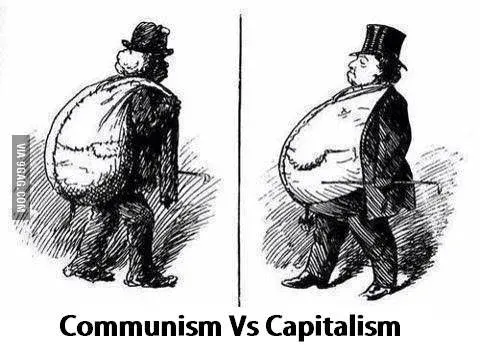
Capitalism vs. Communism: Debunking the Eternal Debate
Capitalism vs communism, written after an economics degree: free markets, social equality, their failures, and the Scandinavian middle ground.
Unveiling the Layers of Capitalism: Insights from Marx to Sen
Capitalism through three lenses: Marx on exploitation and contradictions, Schumpeter on creative destruction and Amartya Sen on capabilities.
Capitalism and Freedom: Milton Friedman's Case for the Free Market
Milton Friedman's Capitalism and Freedom makes the case that economic and political freedom are linked. A fair reading of the free-market classic.
Comments
No comments yet. Start the conversation.