Capitalism vs. Communism: Debunking the Eternal Debate
In one breath
Written after graduating in general economics, this essay compares capitalism, built on free markets and private ownership, with communism, built on collective ownership and equality. Both have well-known failures, and the Scandinavian model suggests a middle ground: market economies with strong social safety nets.
On this page
Today marks a significant milestone in my academic journey as I proudly stand before you having just graduated from GUES - Groupe Universitaire Privé des Écoles Supérieures - with a degree in General Economics Studies. As I reflect on the years of rigorous study and exploration, I am filled with a profound sense of accomplishment and gratitude for the knowledge and experiences gained.
In the realm of economics, I have been exposed to diverse perspectives and ideologies that have shaped my understanding of the world. Among the myriad of theories and frameworks, two ideologies have captured my attention and sparked my curiosity: capitalism and communism. These contrasting systems have long been subjects of debate and contention, each offering unique visions for societal organization and economic governance.
In the following discourse, I aim to share my thoughts on these two ideologies, drawing upon my academic training and personal reflections. Through a critical examination of their principles, merits, and shortcomings, I hope to contribute to a deeper understanding of the complex forces at play in the economic landscape.
The Battle of Ideologies
In the realm of economic ideologies, two giants stand face to face, each claiming to hold the key to societal prosperity and justice: capitalism and communism.
For decades, if not centuries, adherents of each system have engaged in a fierce debate over which is superior. However, the question of which system is “best” is not as straightforward as it may seem, as both capitalism and communism possess distinct strengths and weaknesses.
Capitalism: The Champion of Free Markets
Capitalism, often championed as the epitome of free markets and individual liberty, thrives on competition and private ownership of the means of production.
In capitalist societies, individuals are incentivized to innovate and produce goods and services in pursuit of profit. This profit motive, proponents argue, drives efficiency and leads to the optimal allocation of resources.
Communism: The Pursuit of Social Equality
On the other hand, communism advocates for a classless society where the means of production are owned and controlled collectively.
Proponents of communism argue that by eliminating private ownership and redistributing wealth equitably, it is possible to eradicate poverty and achieve social equality.
Criticism and Challenges
Despite these theoretical advantages, both capitalism and communism have faced criticism and practical challenges.
Capitalism’s pursuit of profit has been associated with income inequality, exploitation of labor, and environmental degradation. Critics argue that the relentless drive for profit often comes at the expense of social welfare and sustainability.
Similarly, communism has encountered significant hurdles in practice. Centralized planning, while intended to streamline resource allocation, has often resulted in inefficiency, bureaucratic red tape, and shortages of essential goods.
Finding a Middle Ground: Scandinavian Model
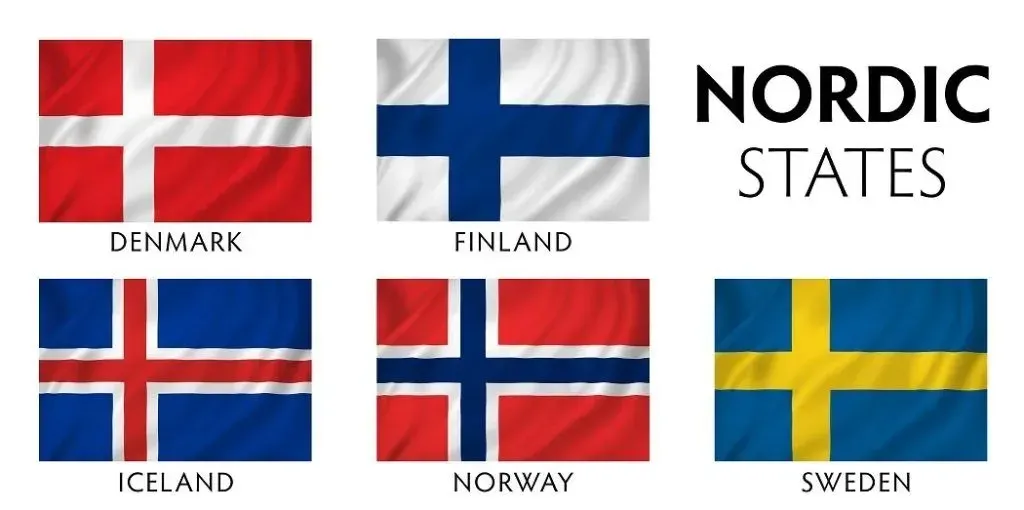
In reality, most modern economies exist somewhere on a spectrum between pure capitalism and pure communism, incorporating elements of both systems.
The Scandinavian countries, such as Sweden, Denmark, and Norway, are often cited as examples of successful hybrid models. These nations blend free-market principles with robust social welfare programs.
For instance, they offer universal healthcare, free education, and generous social safety nets while maintaining thriving capitalist economies. This balance has resulted in high standards of living, low levels of poverty, and strong social cohesion.
Conclusion
The question of whether capitalism or communism is “best” is ultimately a nuanced one. Both systems offer compelling visions for organizing society and addressing economic challenges.
Instead of engaging in ideological battles, societies should focus on pragmatic solutions that draw from the strengths of both systems while mitigating their weaknesses. Only through open-mindedness, innovation, and collaboration can we hope to create a more just and prosperous world.
Key takeaways 5
- Capitalism relies on free markets, private property and competition.
- Communism aims at social equality through collective ownership.
- Capitalism risks inequality; centrally planned communism has struggled with efficiency and freedom.
- The Scandinavian model combines markets with strong welfare systems.
- Real economies mix both ideas rather than choosing a pure system.
Watch: others on this book

Frequently asked questions
What is the main difference between capitalism and communism?
Capitalism is based on private ownership and markets deciding prices and production. Communism aims for collective ownership of the means of production and distribution based on need, usually through central planning.
What is the Scandinavian model?
It is the economic approach of countries such as Sweden, Norway and Denmark: market economies with private enterprise, combined with high taxes, universal welfare and strong labor institutions.
Is any country purely capitalist or communist?
No. Almost all modern economies are mixed, combining markets and private ownership with public services, regulation and some state ownership.
Read along with me
Book notes, philosophy and the ideas that shape how we build. New essays every month, no spam.
Related reading notes
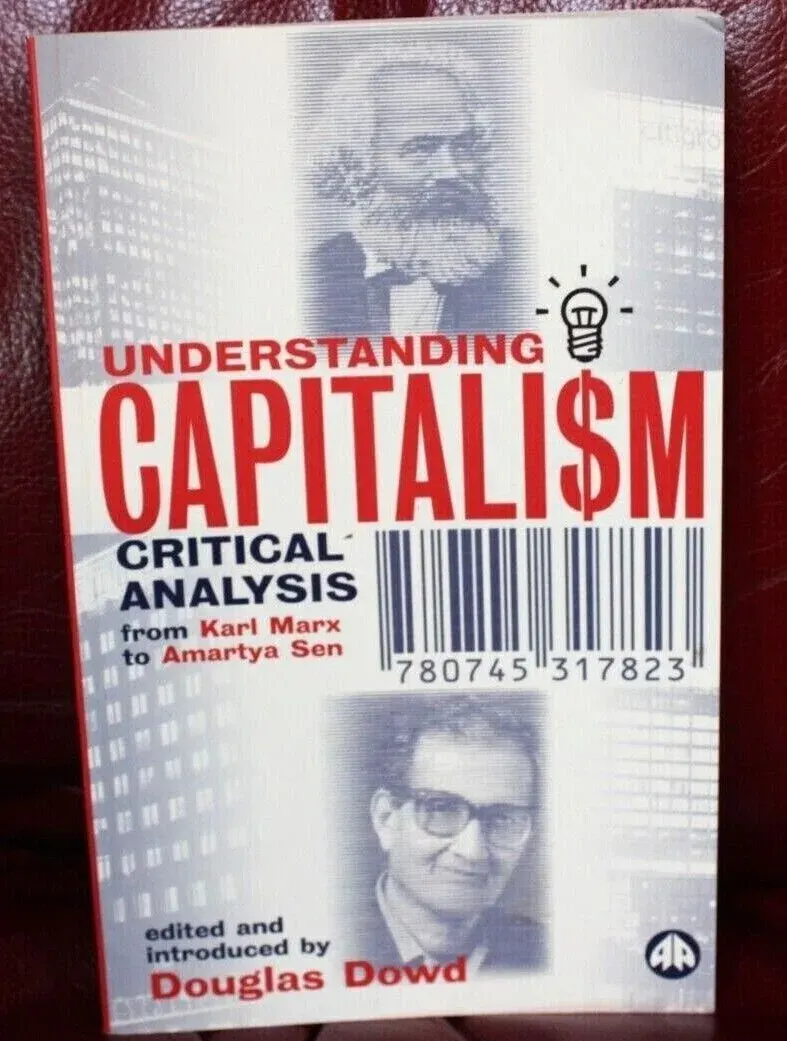
Unveiling the Layers of Capitalism: Insights from Marx to Sen
Capitalism through three lenses: Marx on exploitation and contradictions, Schumpeter on creative destruction and Amartya Sen on capabilities.
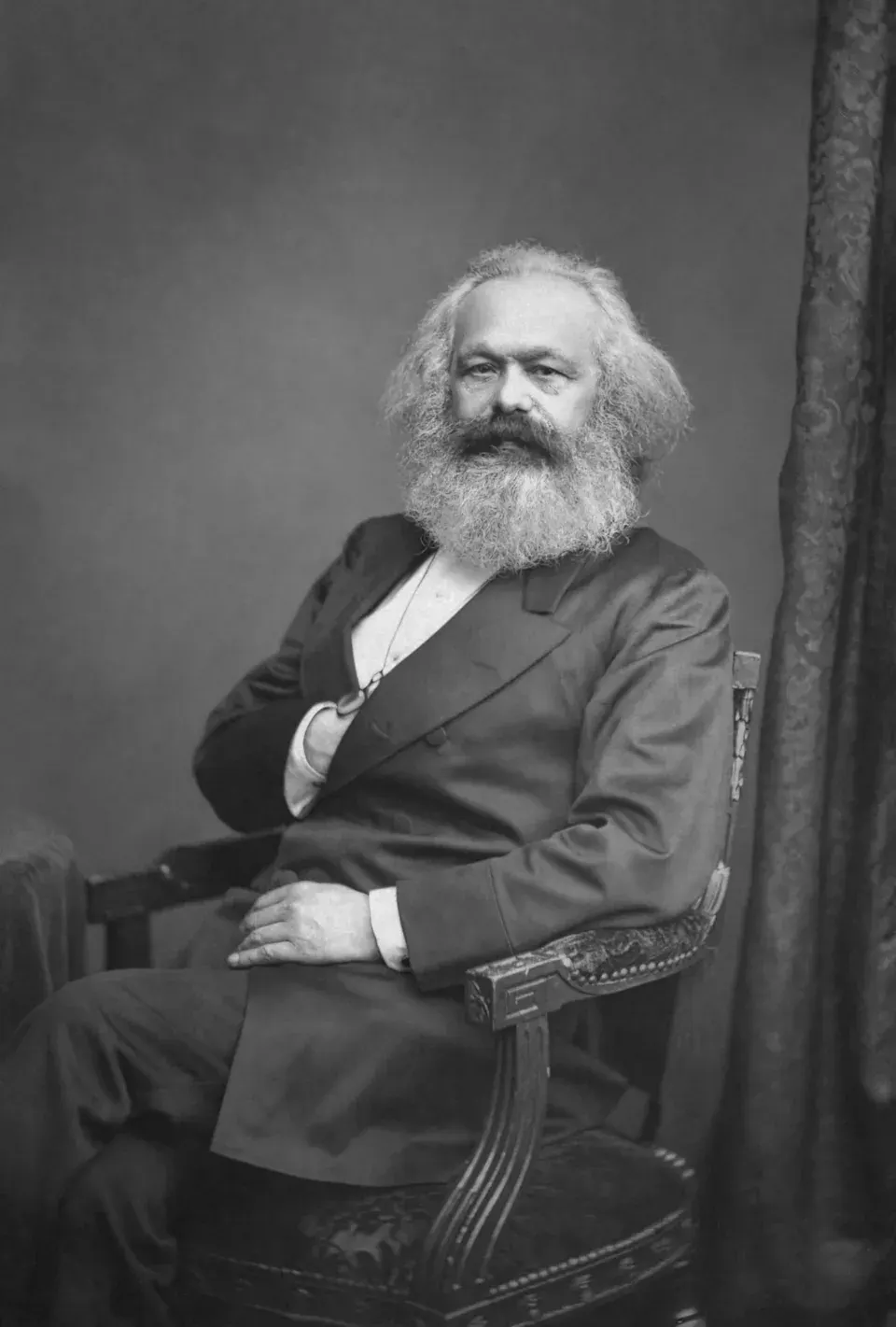
The Secret of the Commodity: A Reading of Marx's "Capital"
A critical reading of Marx's Capital: the commodity, commodity fetishism, surplus value and exploitation, and how to read Marx today.
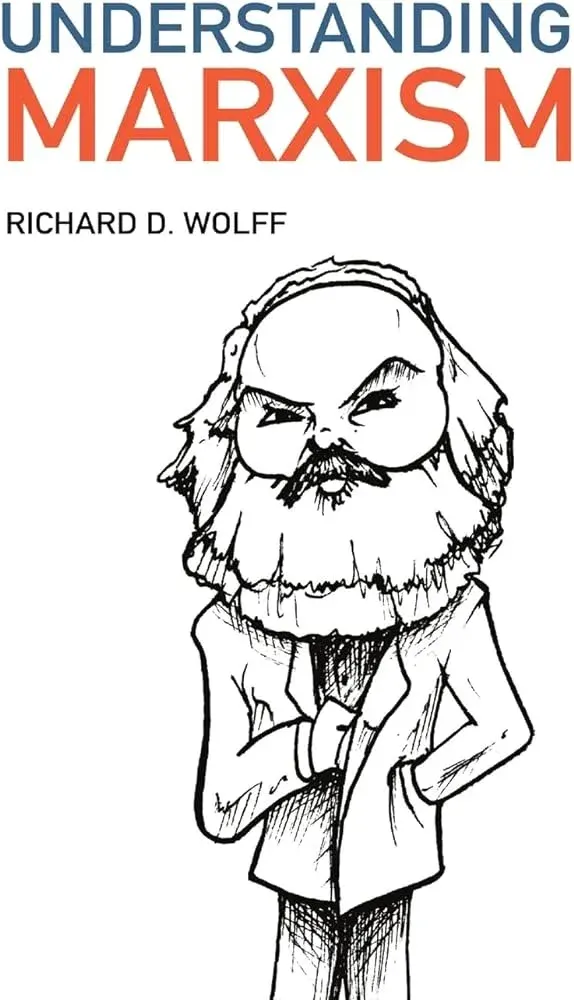
Exploring Marxism: Lessons from Richard D. Wolff's "Understanding Marxism
Lessons from Richard D. Wolff's Understanding Marxism: class struggle, capitalism's contradictions and worker ownership as economic democracy.
Comments
No comments yet. Start the conversation.