Books & Ideas
Reading notes, philosophy and reflections on living and thinking well.
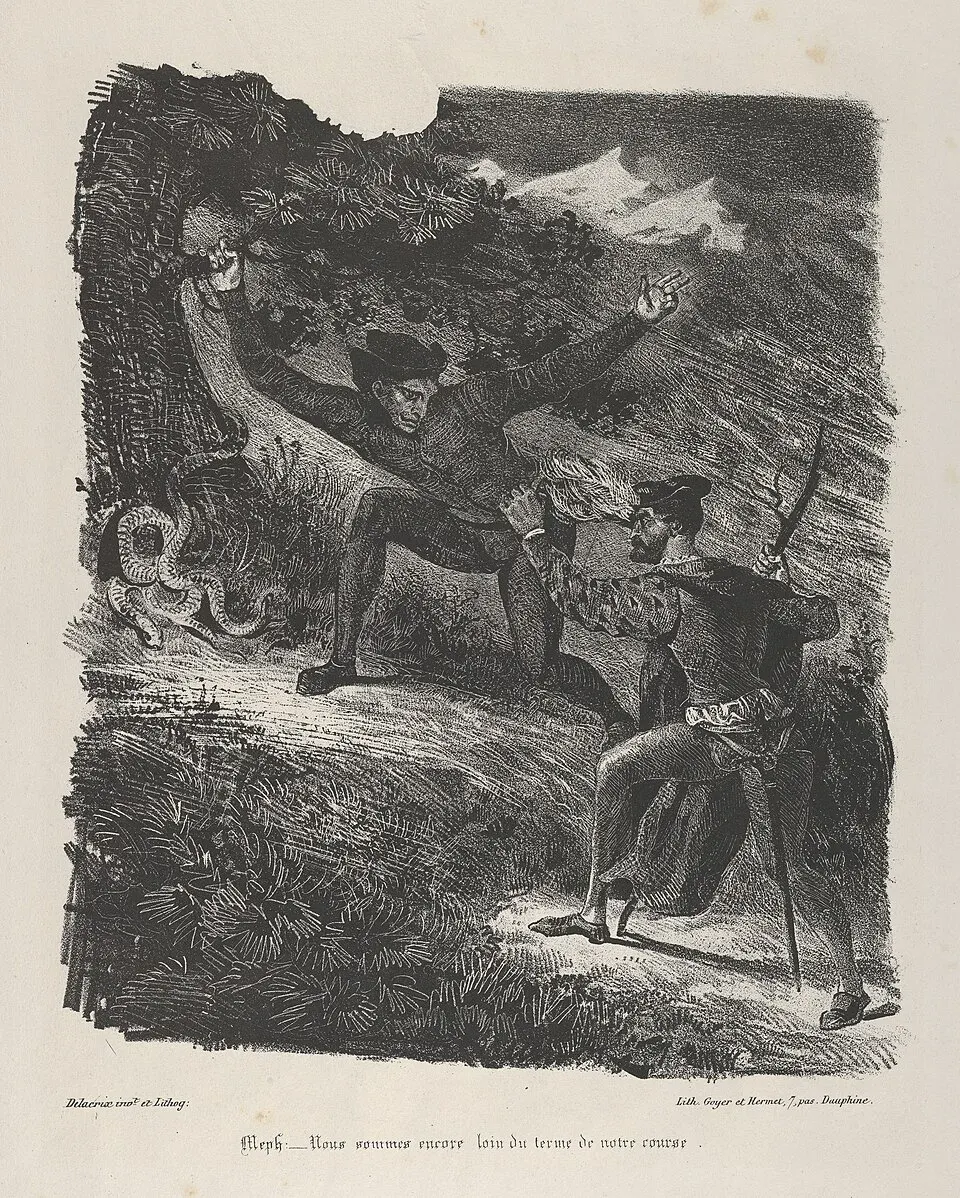
Selling the Soul for Experience: Goethe's "Faust"
Goethe's Faust explained: the restless scholar, his wager with Mephistopheles, the tragedy of Gretchen and why whoever strives may be redeemed.
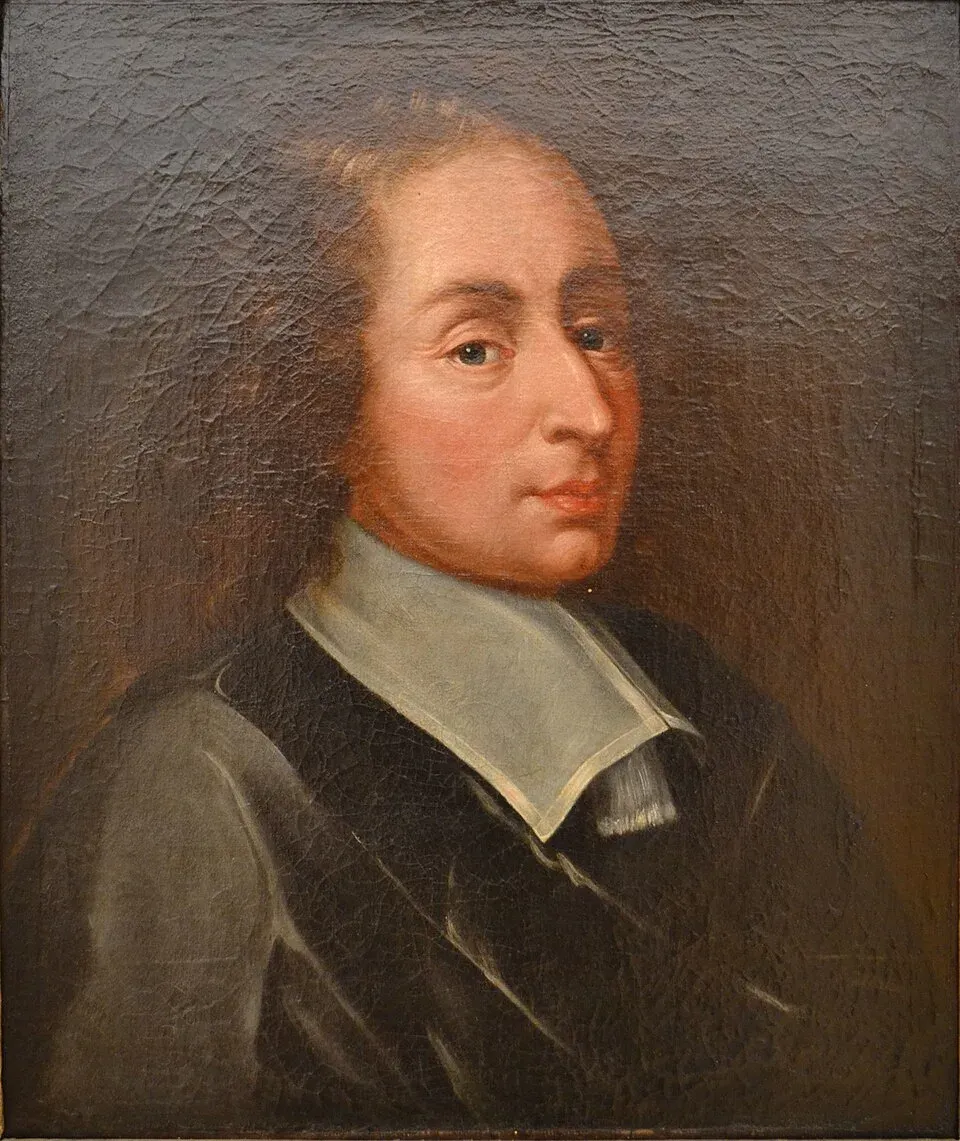
The Thinking Reed: Pascal's "Pensees" and the Wager on Meaning
Pascal's Pensées: man as a thinking reed, our flight into diversion, the heart's reasons and Pascal's Wager on the meaning of life.
The Language of the Unconscious: Jung's "Man and His Symbols"
Jung's Man and His Symbols: what symbols really are, how dreams speak for the unconscious, archetypes and why modern life lost touch with symbols.
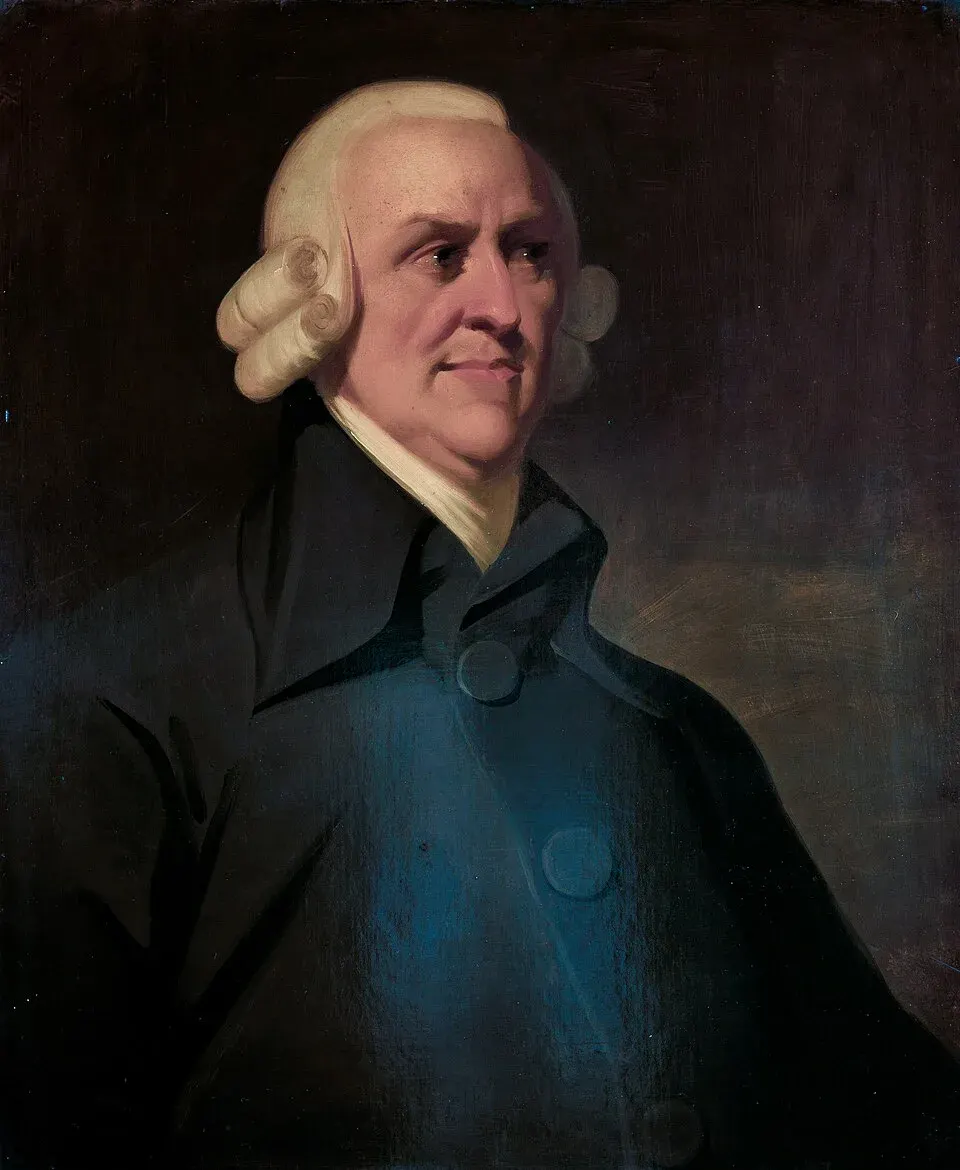
The Impartial Spectator: Adam Smith on Sympathy and Conscience
Adam Smith's The Theory of Moral Sentiments: sympathy as the root of morality, the impartial spectator and why it doesn't contradict The Wealth of Nations.

Waking Up as an Insect: Alienation in Kafka's "The Metamorphosis"
Kafka's The Metamorphosis explained: Gregor Samsa's unexplained transformation, alienation, worth measured by usefulness and the family's turn.

The Starry Heavens and the Moral Law: Kant's "Critique of Practical Reason"
Kant's Critique of Practical Reason: the moral law as a fact of reason, ought implies can, the postulates of freedom, God and immortality.
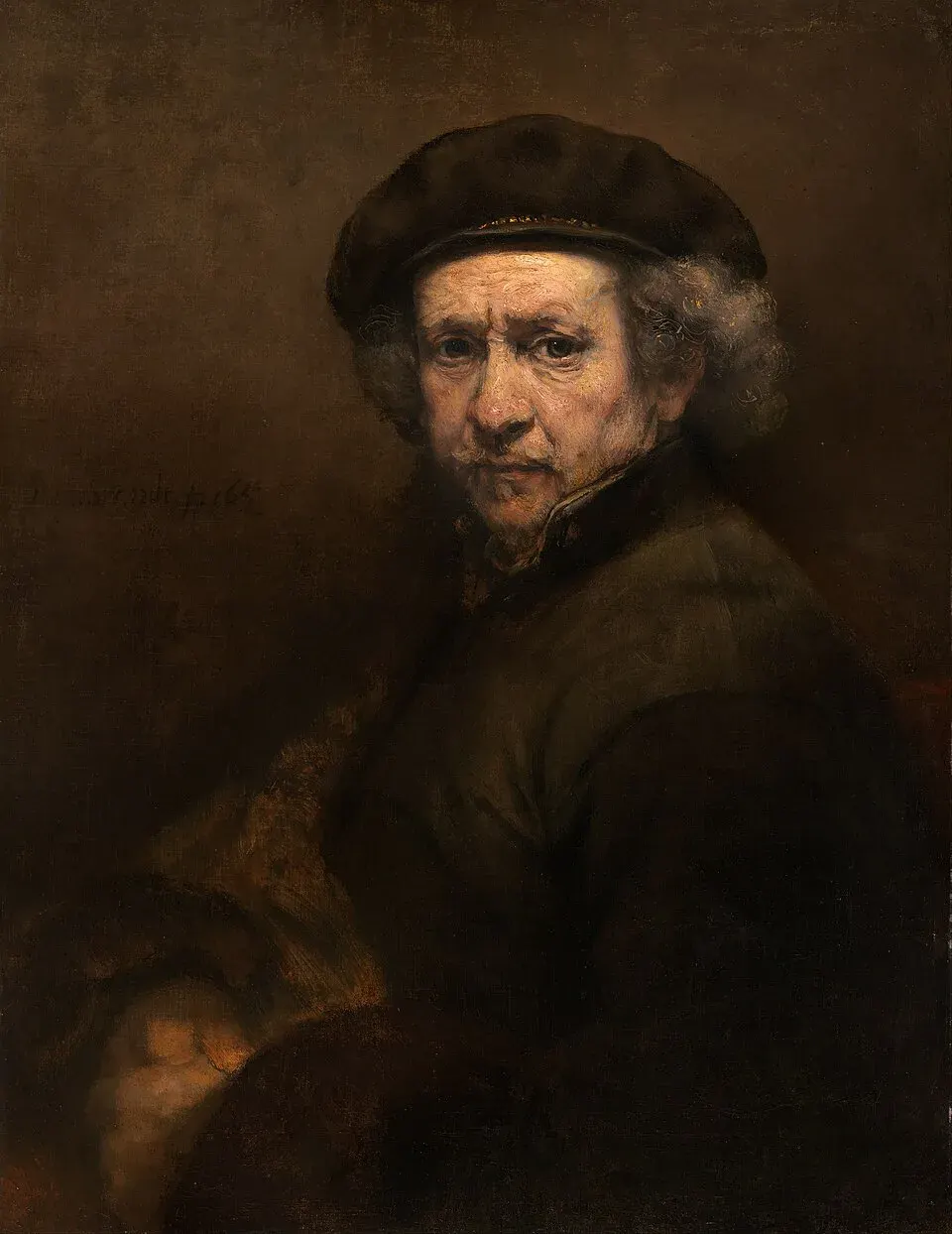
Becoming Who You Are: Carl Rogers and the Therapeutic Self
Carl Rogers' On Becoming a Person: unconditional positive regard, empathy and the curious paradox that we change once we accept ourselves.
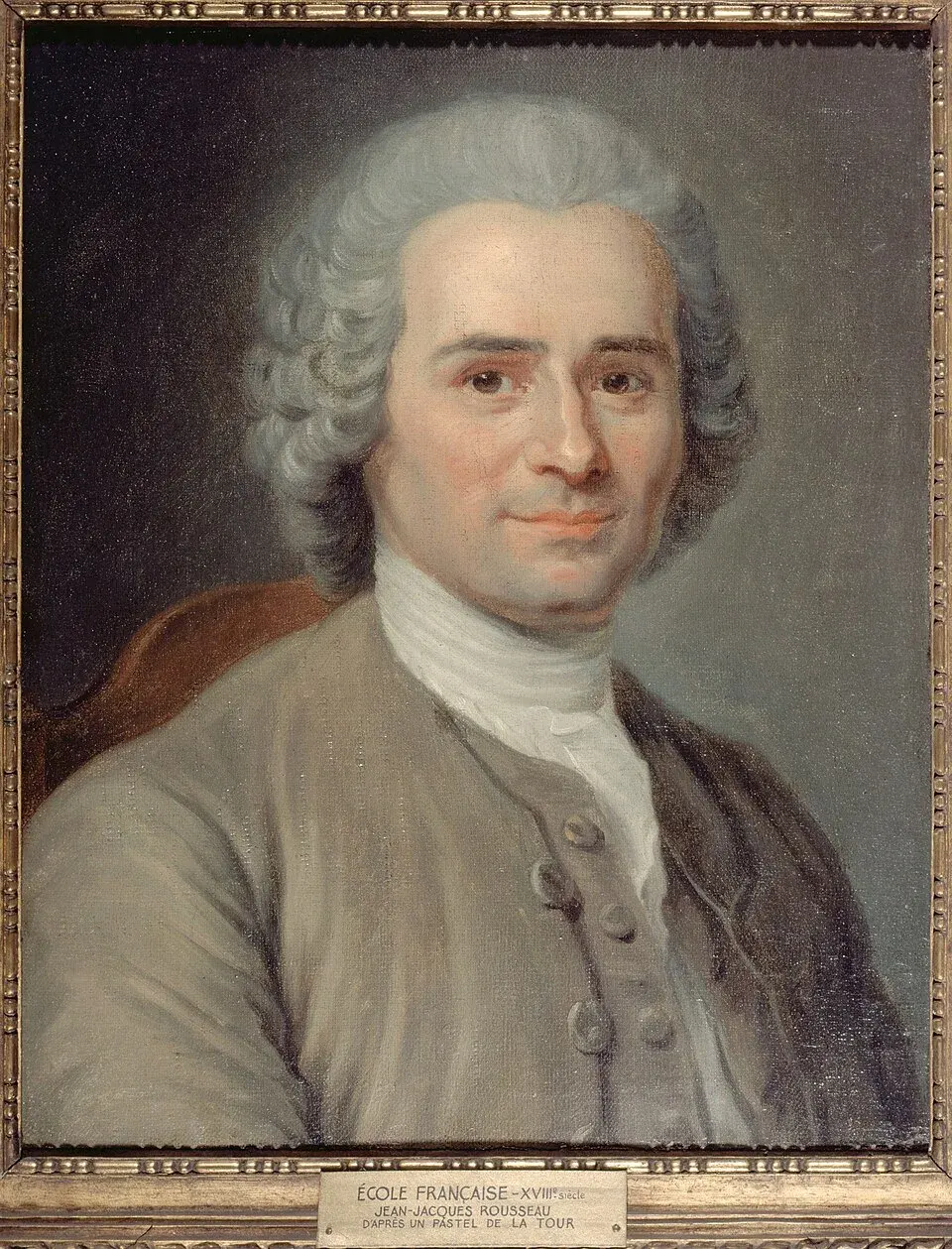
How Inequality Was Born: Rousseau's "Discourse on Inequality"
Before he wrote The Social Contract, Rousseau wrote the Discourse on the Origin of Inequality, and it is in some ways the more startling book.
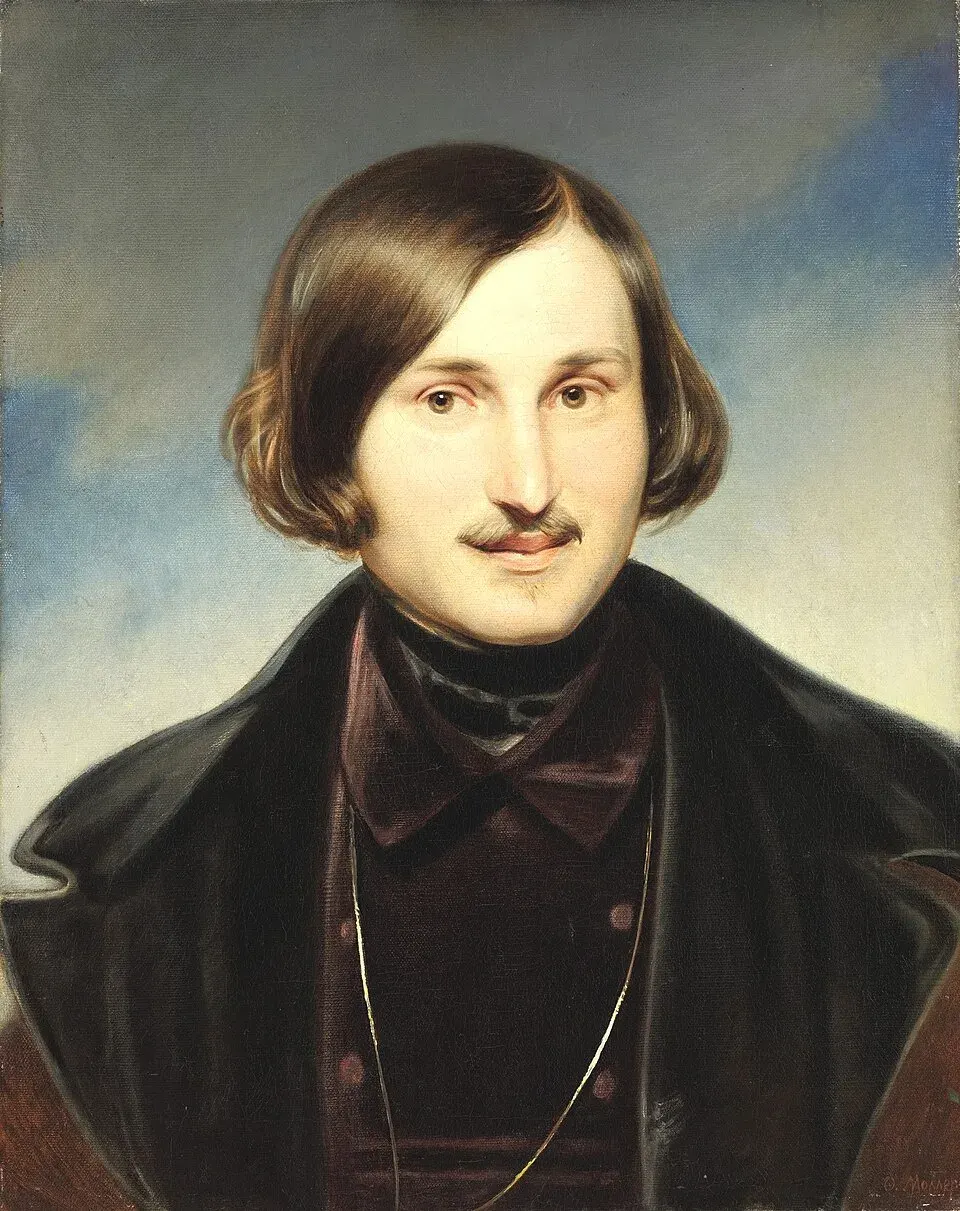
Buying the Dead: Satire and the Russian Soul in Gogol's "Dead Souls"
Nikolai Gogol's Dead Souls has one of the strangest premises in literature, and a darkly perfect one.
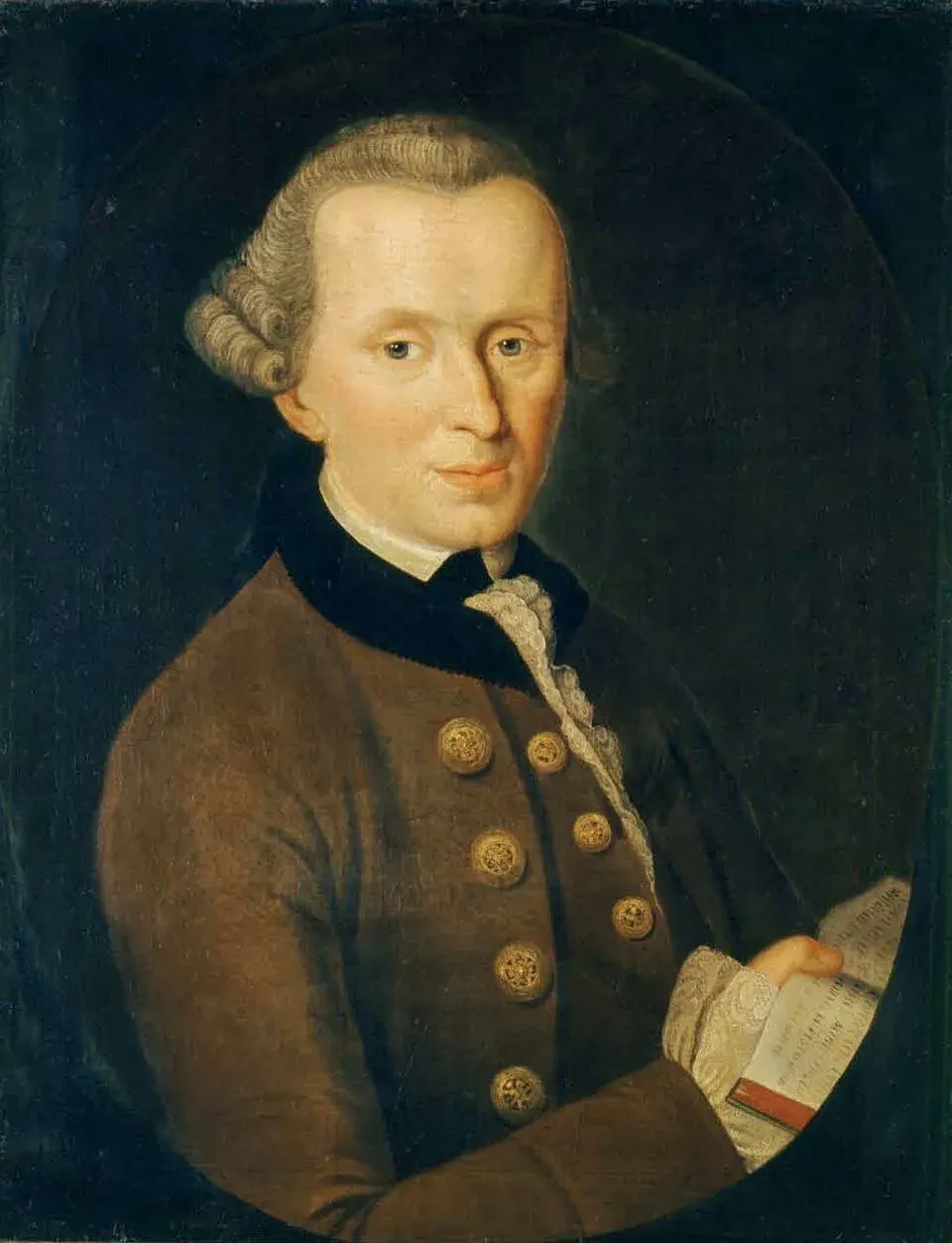
The Categorical Imperative: Kant on Duty and the Moral Law
Kant's categorical imperative explained: the good will, universal laws, treating people as ends in themselves and the foundation of human dignity.

Beyond Survival: Maslow and the Heights of Human Need
Abraham Maslow helped found a movement he called humanistic psychology, and his Toward a Psychology of Being is one of its founding texts.
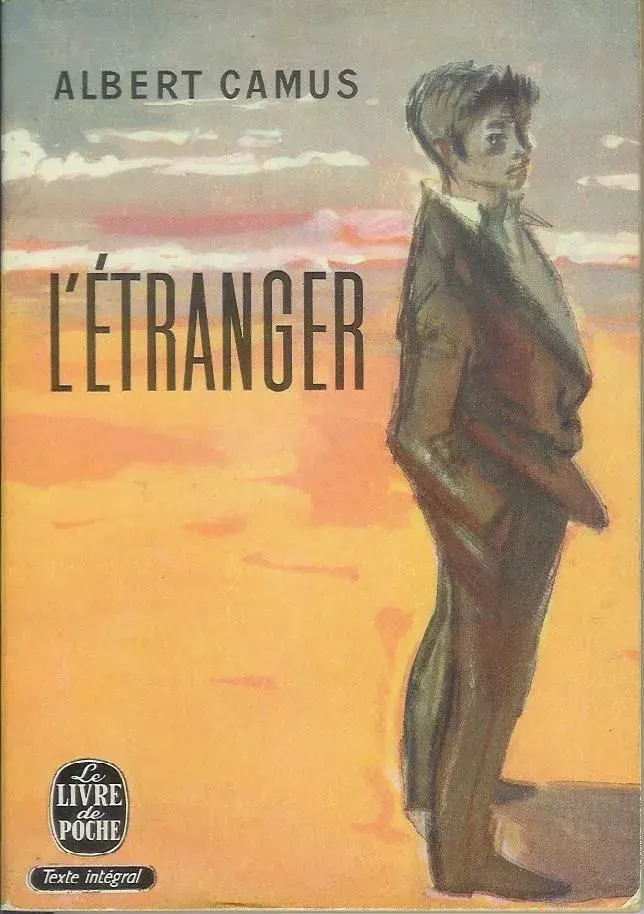
Embracing Absurdity: Reflections on Albert Camus' "The Stranger"
Camus' The Stranger and the absurd: Meursault's indifference, authenticity, alienation and what the novel teaches about finding meaning.
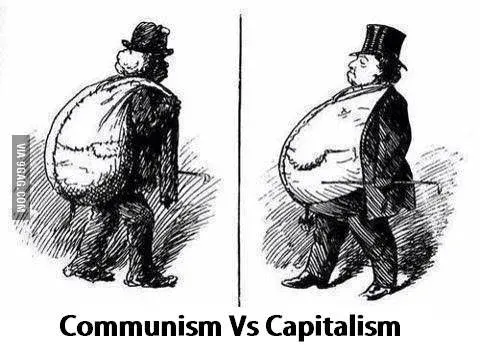
Capitalism vs. Communism: Debunking the Eternal Debate
Capitalism vs communism, written after an economics degree: free markets, social equality, their failures, and the Scandinavian middle ground.
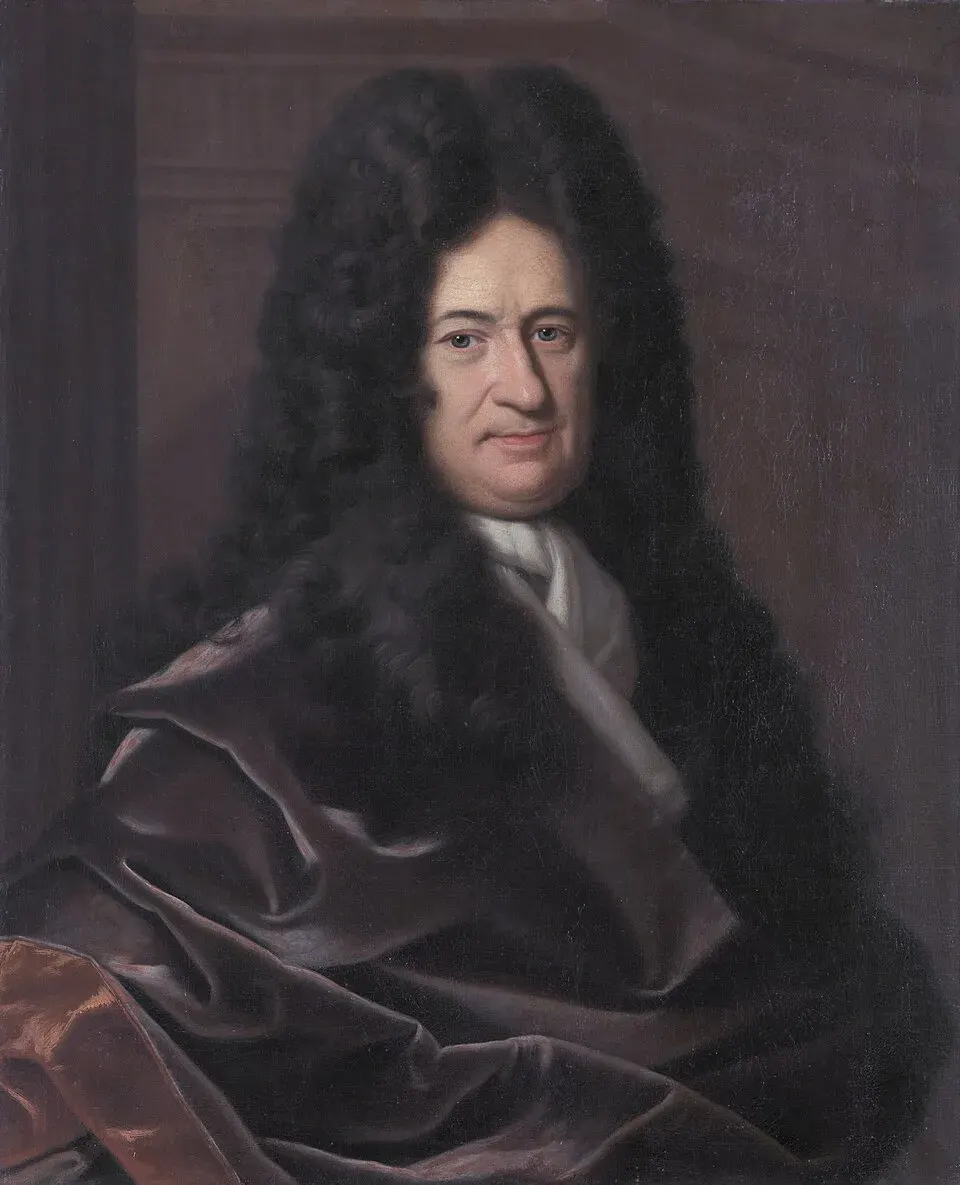
The Best of All Possible Worlds: Leibniz's "Monadology"
Leibniz's Monadology explained: monads, pre-established harmony and why the best of all possible worlds is serious philosophy, not naive optimism.
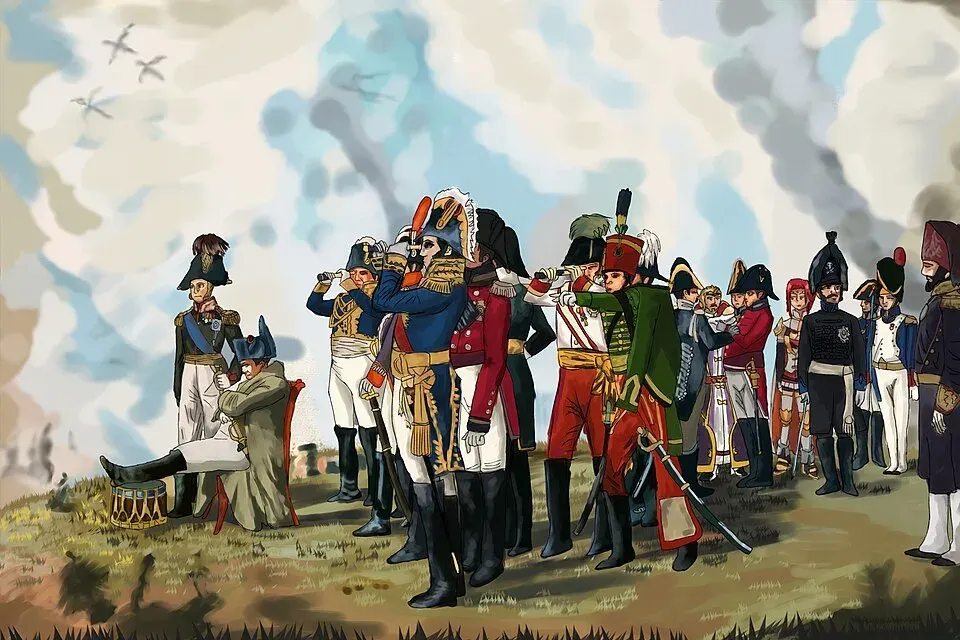
History, Fate, and the Individual: Tolstoy's "War and Peace"
To read Tolstoy's War and Peace is to live, for a few hundred hours, inside an entire world.
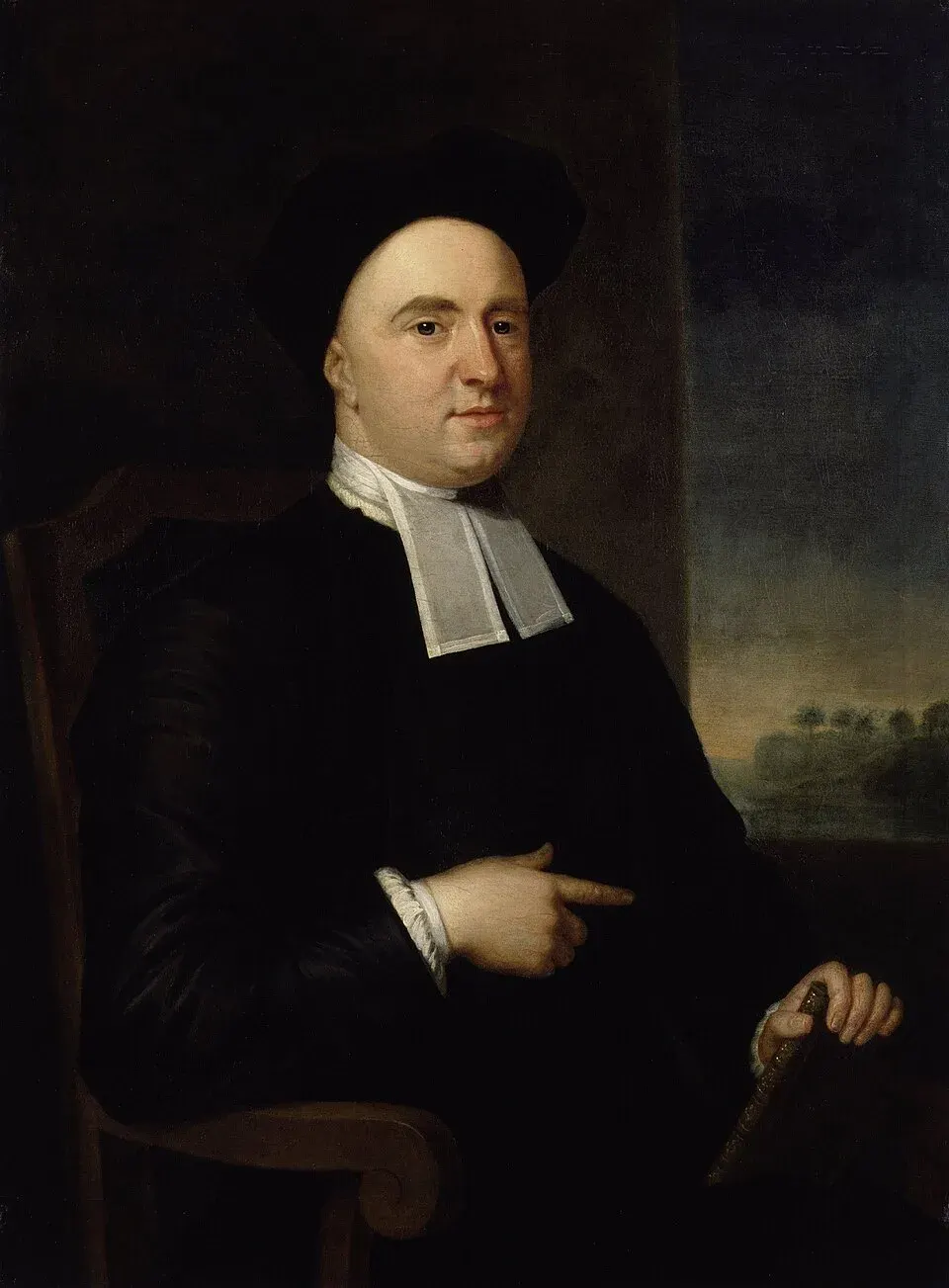
To Be Is to Be Perceived: The Strange Idealism of Berkeley
Berkeley's idealism explained: to be is to be perceived, no mind-independent matter, the tree in the empty quad and why it's so hard to refute.

Rise and Grind... or Not? Exploring the 5 AM Club
The 5 AM Club. A movement promising increased productivity, improved focus, and a head start on the day.
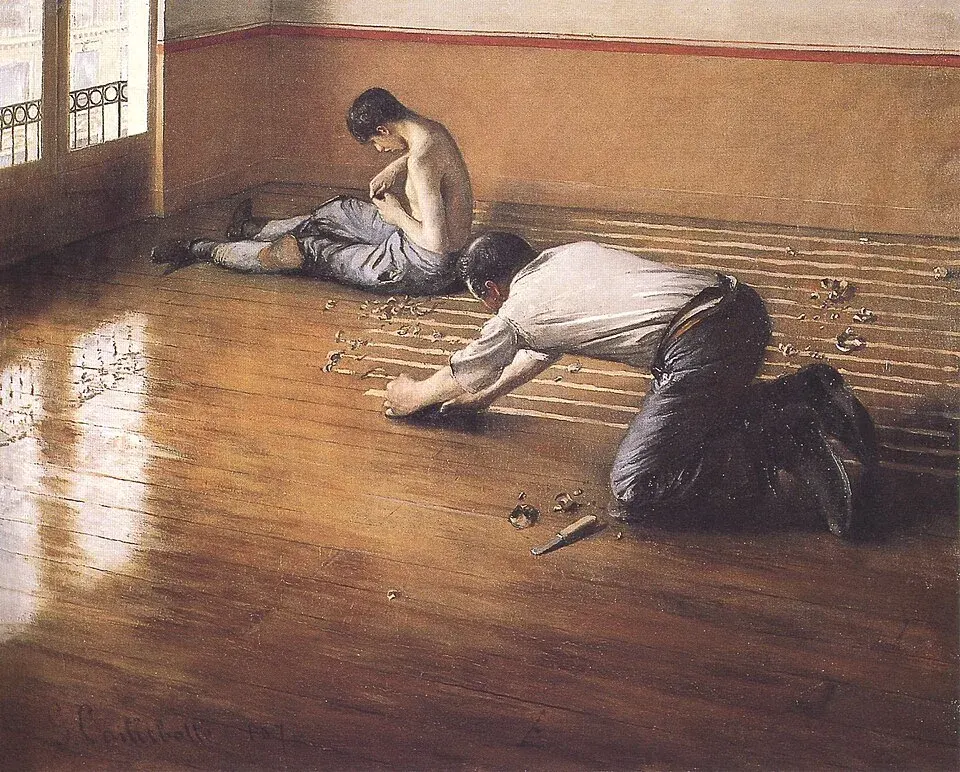
Losing Yourself in the Task: The Psychology of "Flow"
Csikszentmihalyi's Flow explained: what the flow state is, how balancing challenge and skill creates it, and why engagement beats pleasure.
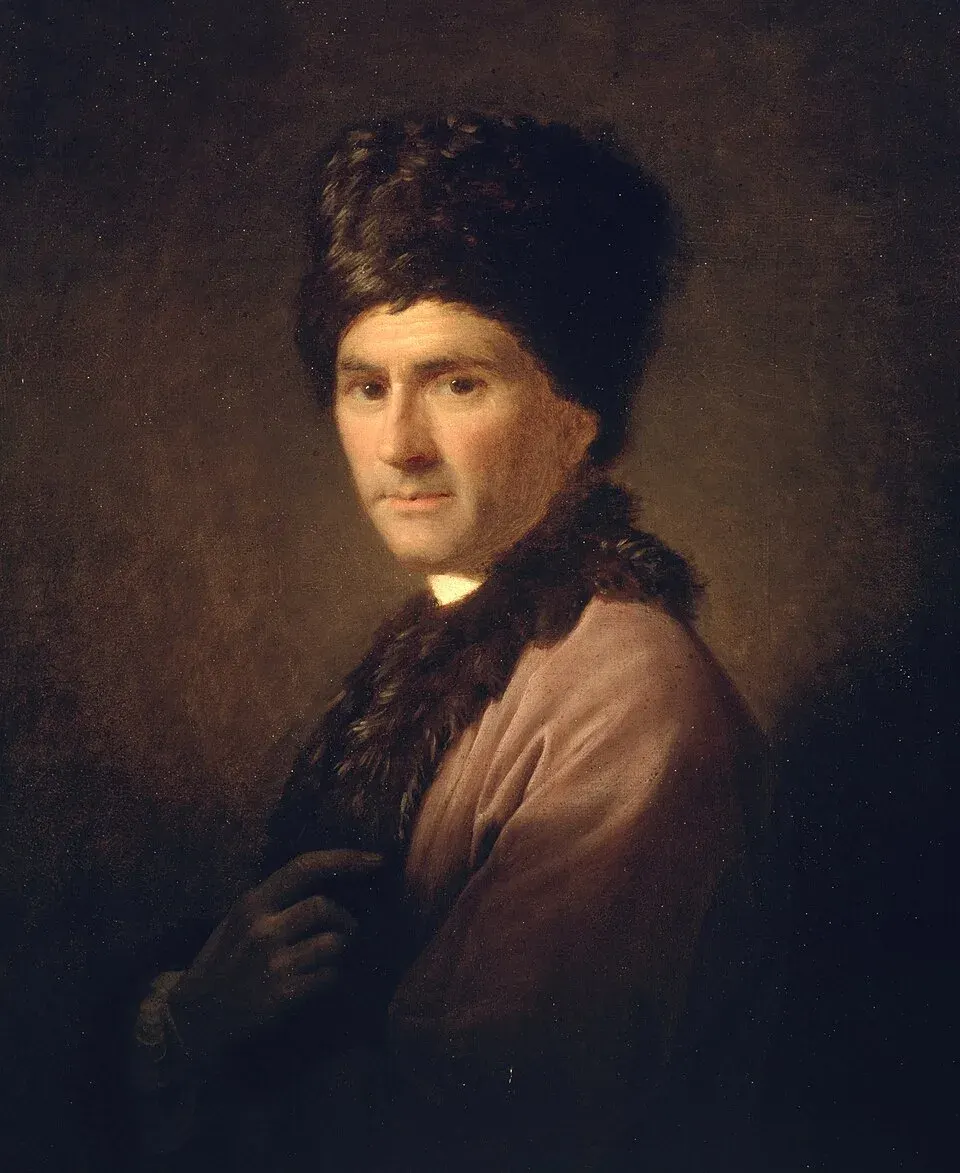
Born Free, Everywhere in Chains: Rousseau's "The Social Contract"
Jean-Jacques Rousseau's The Social Contract opens with a thunderclap of a sentence: man is born free, and everywhere he is in chains.
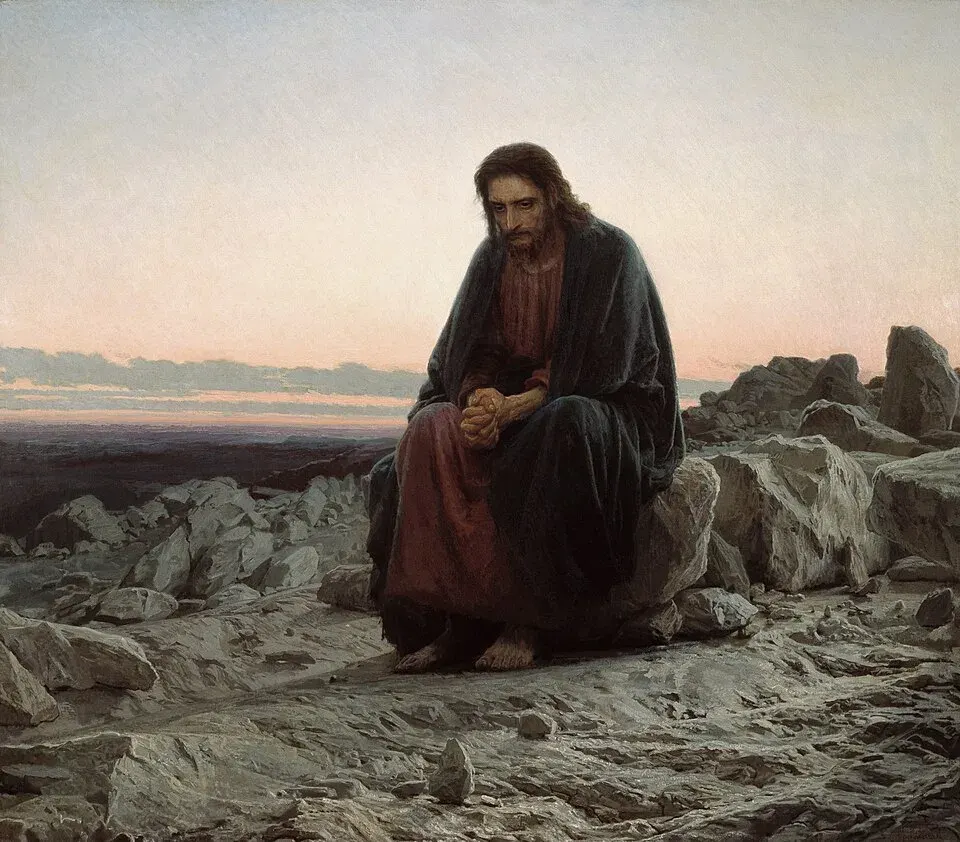
Faith, Doubt, and the Grand Inquisitor: Dostoevsky's "The Brothers Karamazov"
Dostoevsky's The Brothers Karamazov: Ivan's rebellion, the Grand Inquisitor and the novel's answer to doubt through active, humble love.
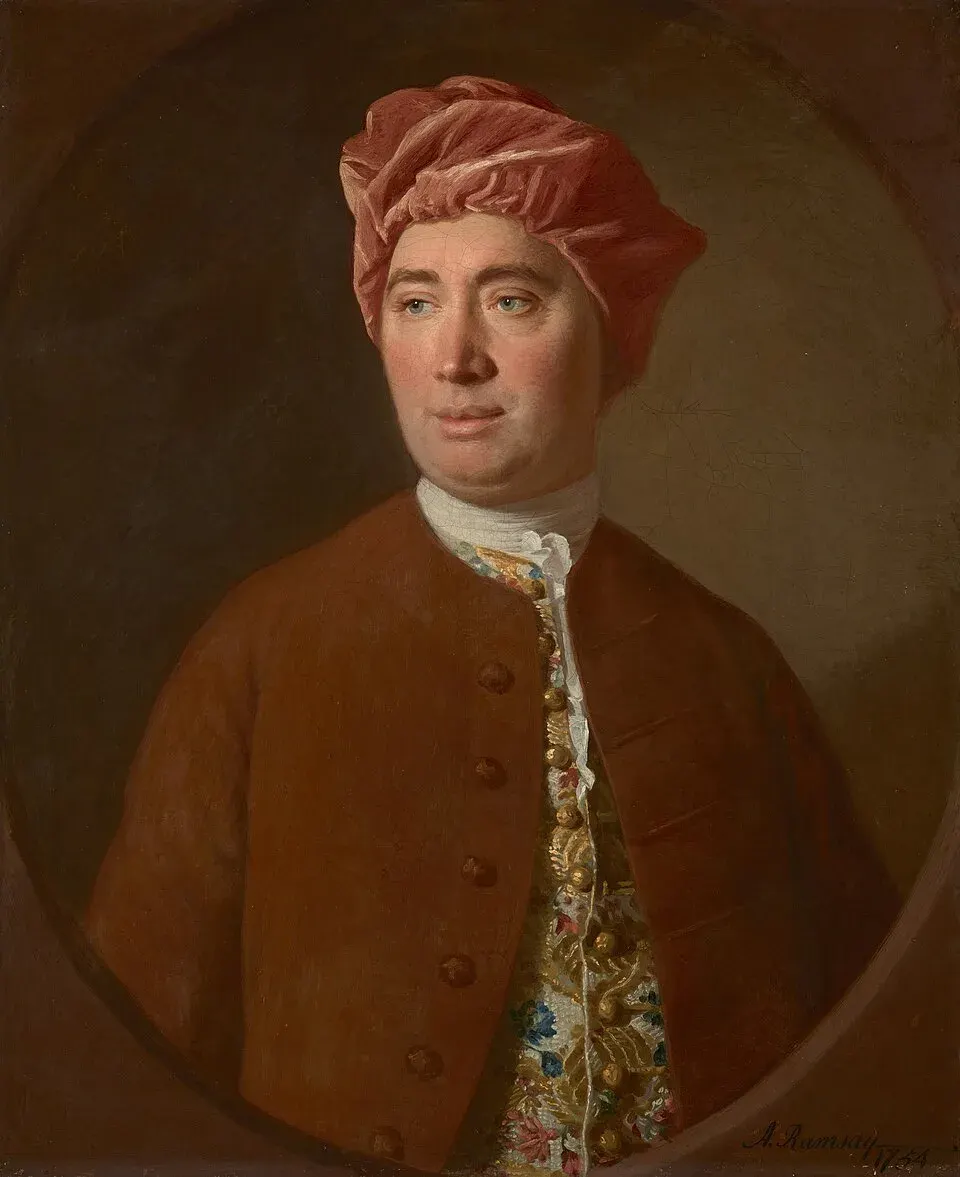
The Limits of Reason: Hume and the Problem of Cause and Effect
Hume's Enquiry Concerning Human Understanding: the problem of induction, why we never observe causation and custom as the great guide of life.
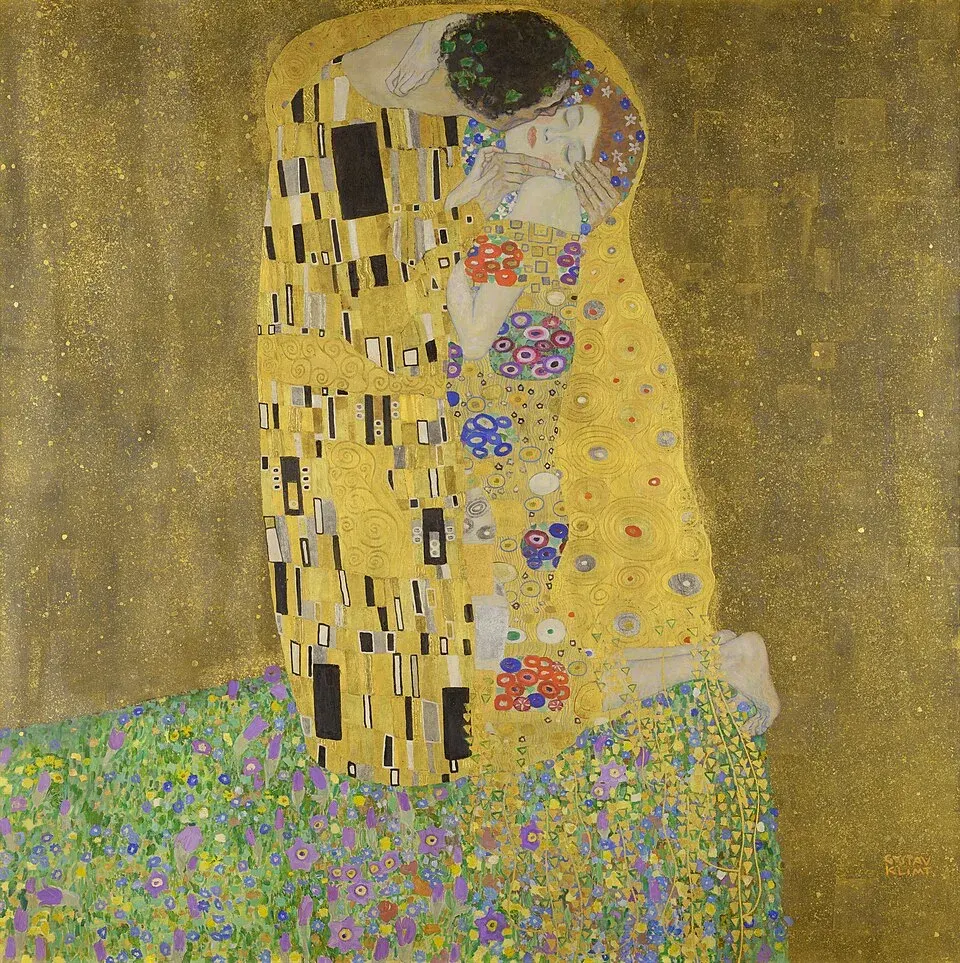
Love as a Practice, Not a Feeling: Erich Fromm's "The Art of Loving"
Erich Fromm's The Art of Loving begins by puncturing one of our most cherished assumptions.
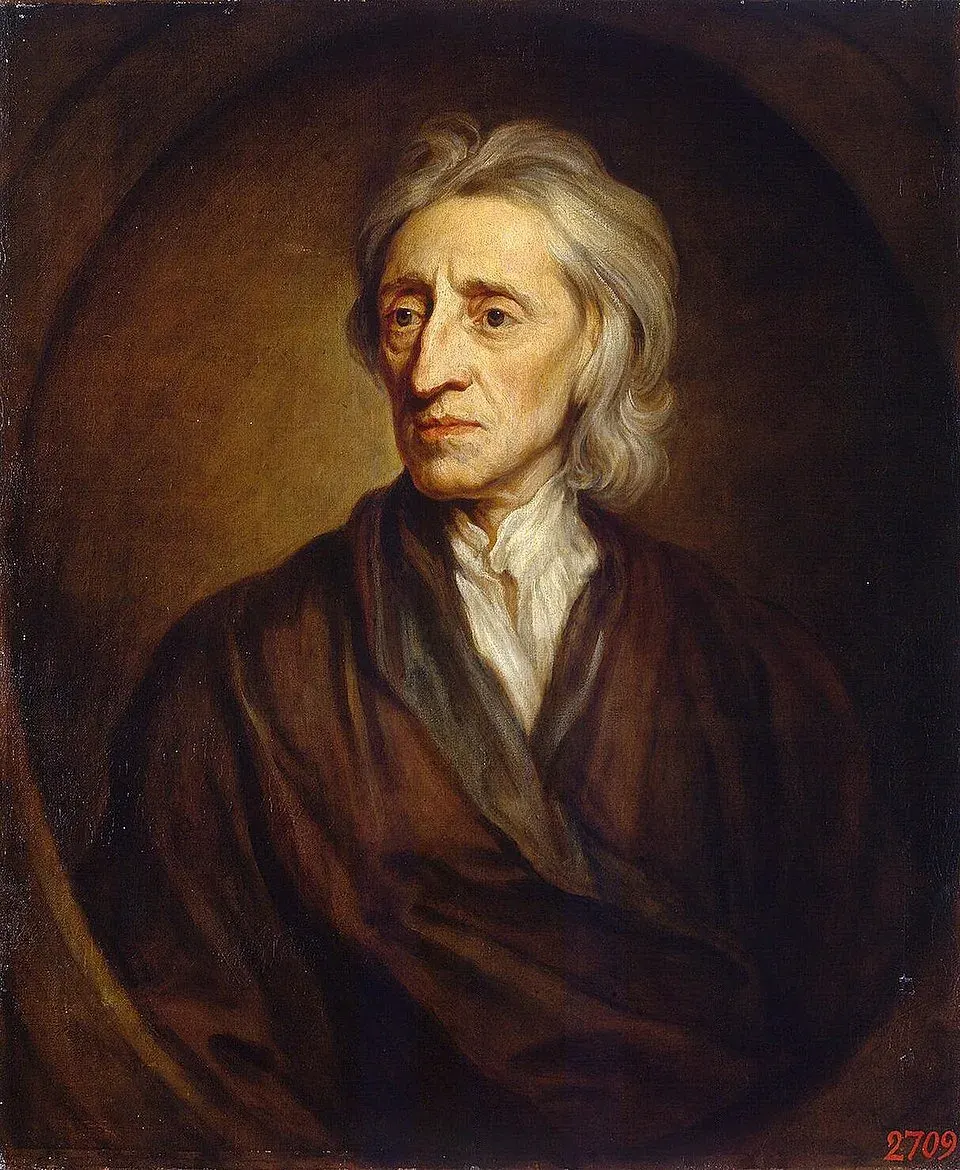
The Mind as Blank Slate: Locke on Where Knowledge Comes From
Locke's Essay Concerning Human Understanding: the mind as a blank slate, knowledge built from experience and why it matters for education and politics.
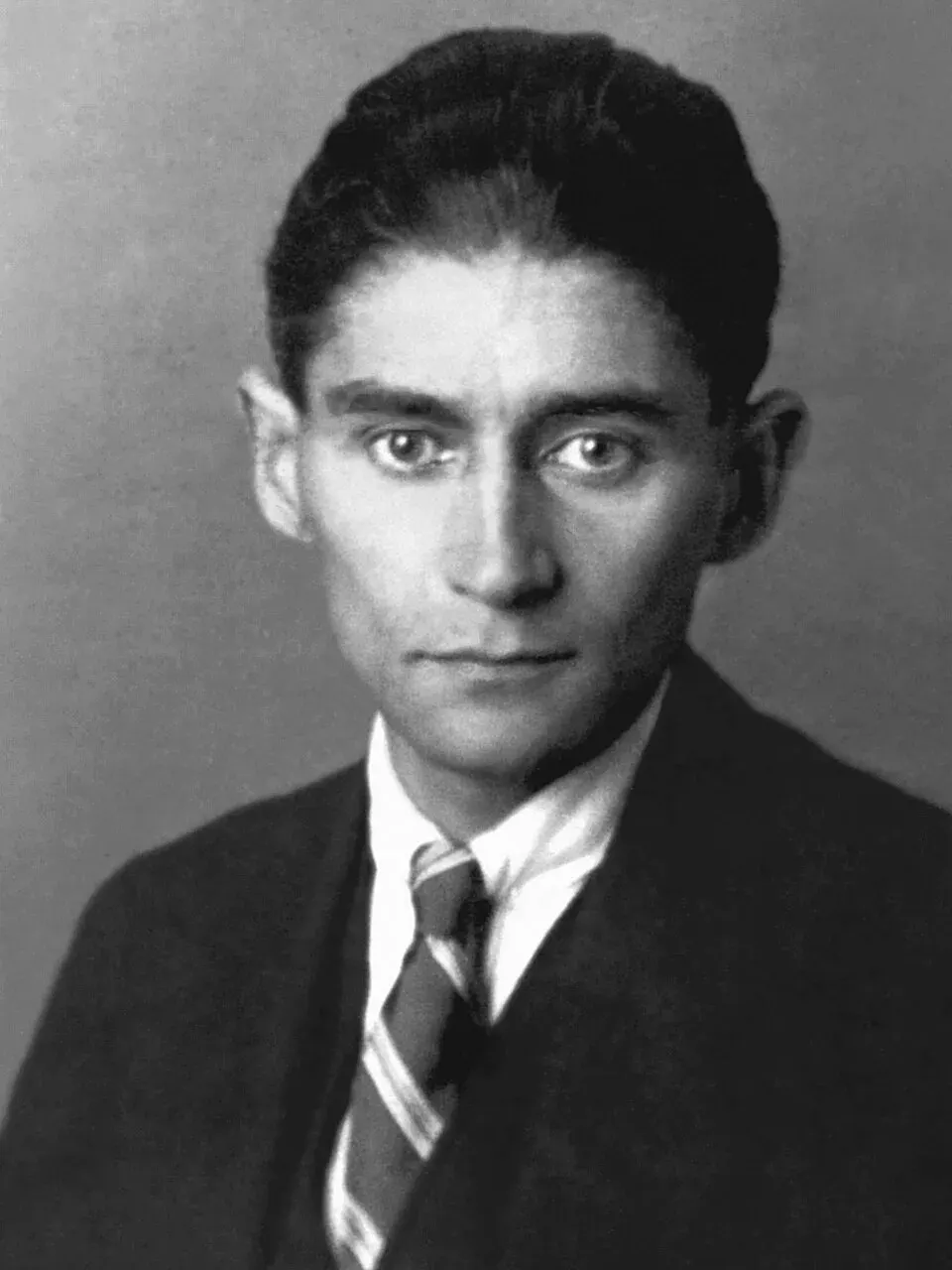
Guilty Without a Crime: The Nightmare Logic of Kafka's "The Trial"
Kafka's The Trial explained: Josef K.'s nameless charge, faceless bureaucratic power, the parable Before the Law and what Kafkaesque really means.