Books & Ideas
Reading notes, philosophy and reflections on living and thinking well.
The Power of Linking Words: Elevating Your Writing with Coherence and Cohesion
How linking words improve your writing: transitions for addition, contrast, cause, sequence and conclusion that create coherence and cohesion.
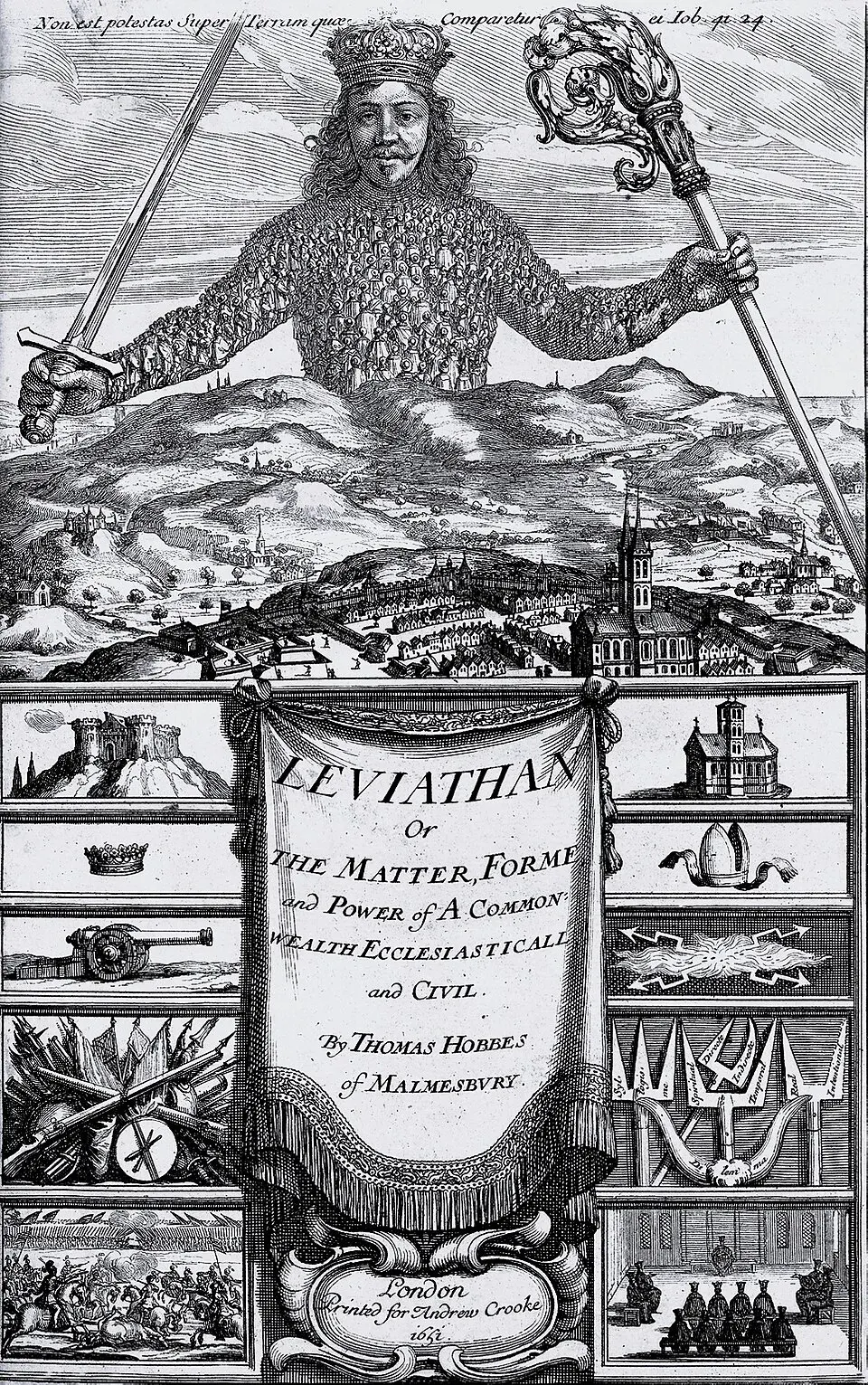
Nasty, Brutish, and Short: Hobbes' "Leviathan" and the Birth of the State
Thomas Hobbes wrote Leviathan in the shadow of the English Civil War, and you can feel the trauma of that chaos on every page.
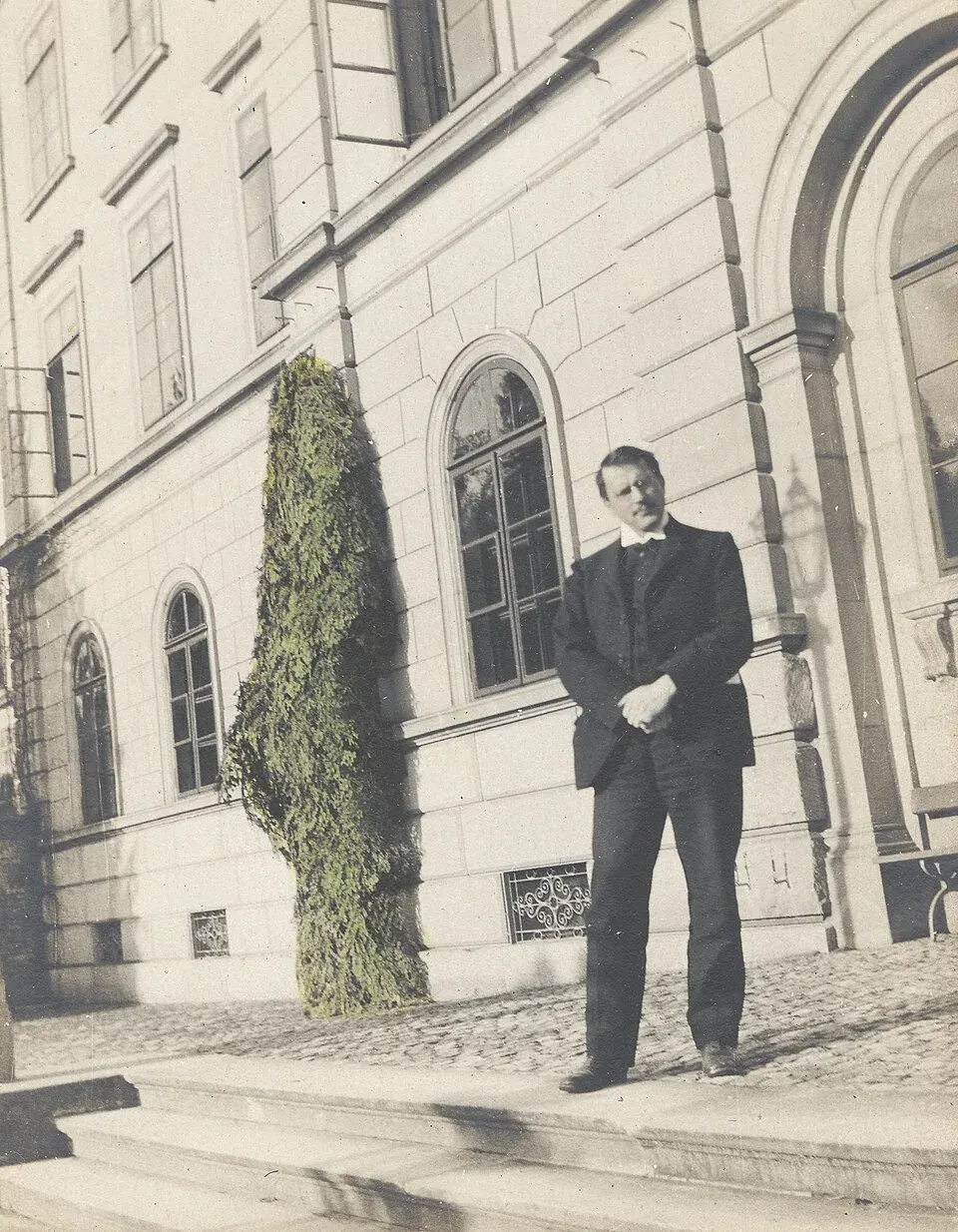
The Undiscovered Self: Jung's "Modern Man in Search of a Soul"
Carl Jung's Modern Man in Search of a Soul is a fine entry point into one of the most original minds in the history of psychology.
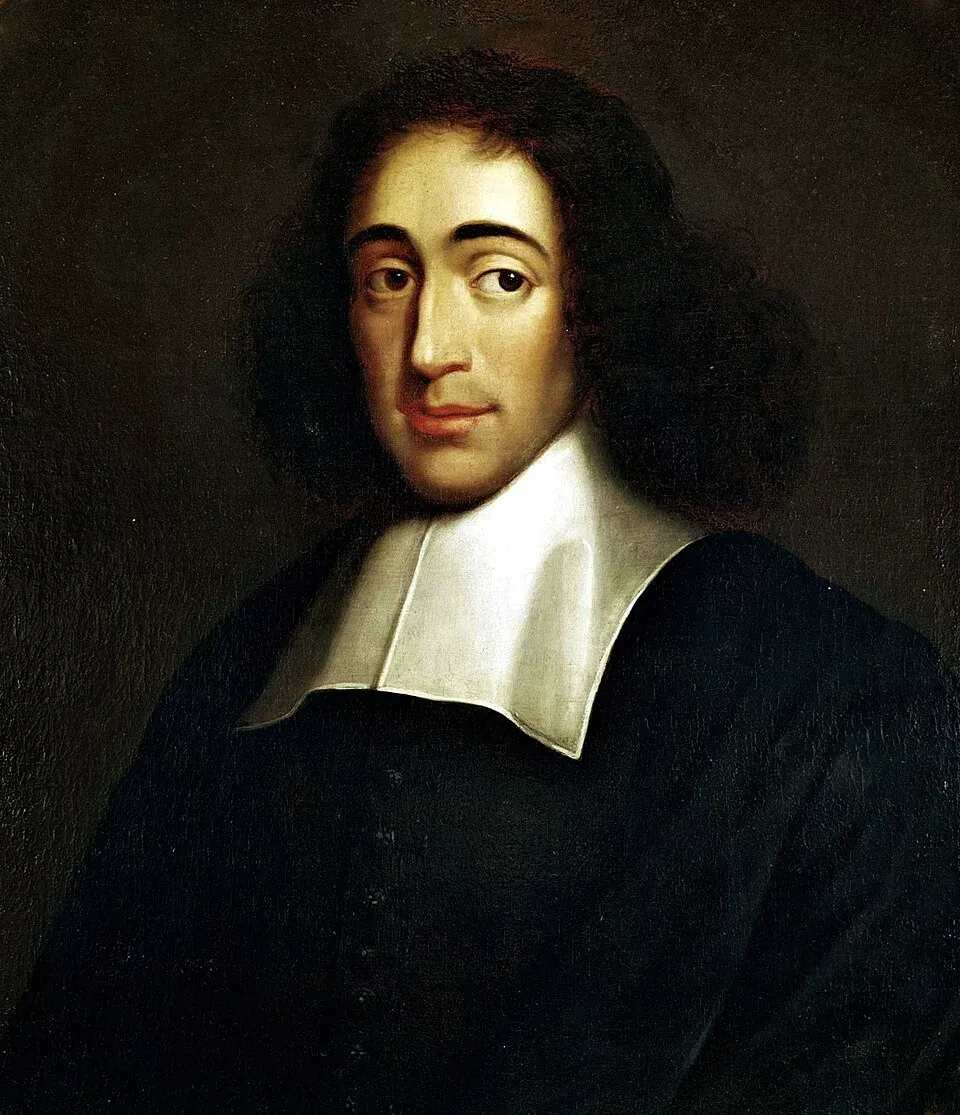
God, or Nature: The Serene Vision of Spinoza's "Ethics"
Baruch Spinoza's Ethics is one of the strangest and most beautiful books in philosophy, and one of the most demanding.
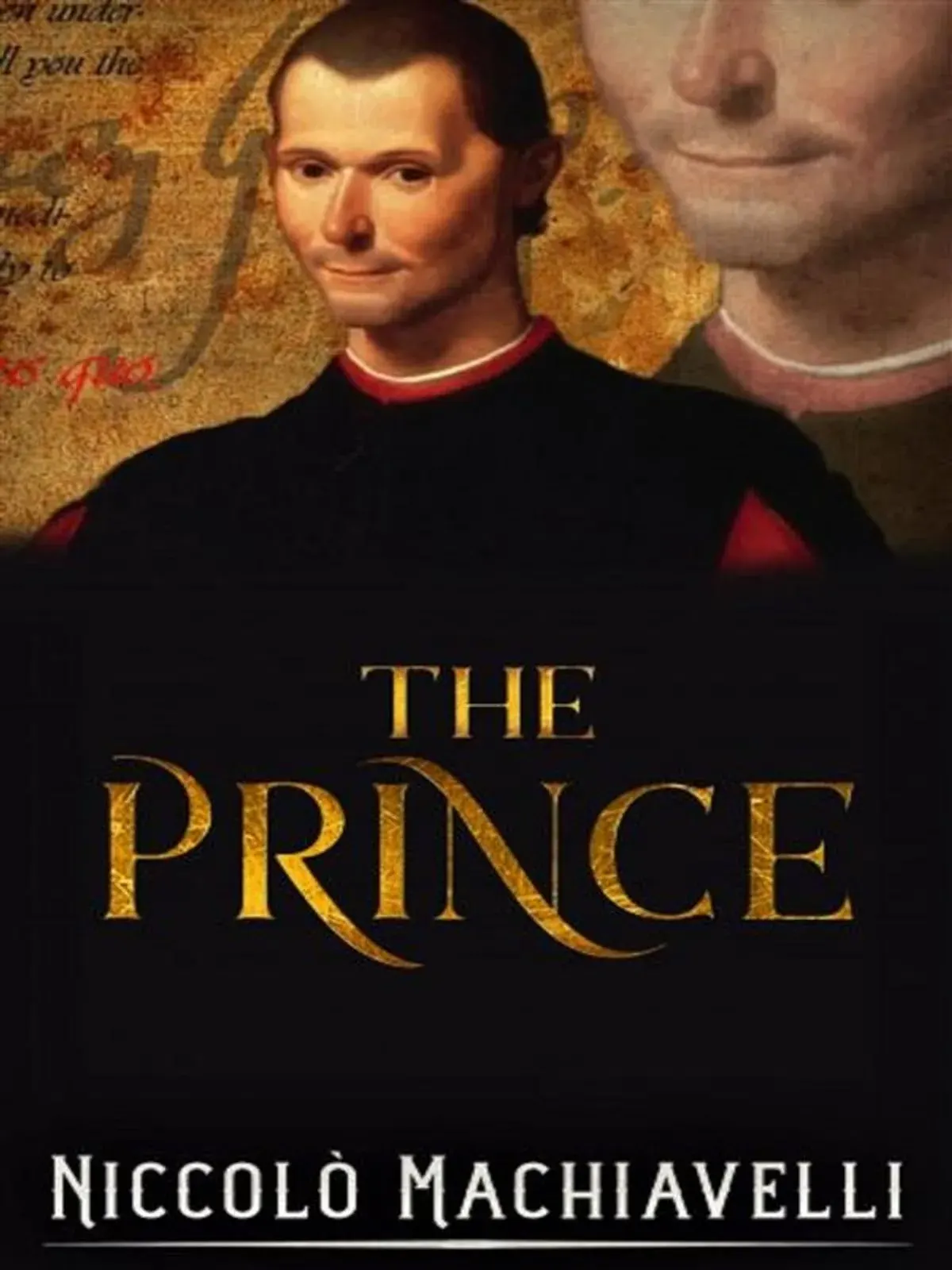
Unveiling the Machiavellian Mind: Lessons from Niccolò Machiavelli's "The Prince"
Lessons from Machiavelli's The Prince: the nature of power, prudence and realism, fortuna and virtù and the importance of public perception.

All Happy Families: Love, Society, and Ruin in Tolstoy's "Anna Karenina"
Tolstoy's Anna Karenina: passion, society's hypocrisy and the search for meaning, told through Anna's ruin and Levin's quiet search for a good life.
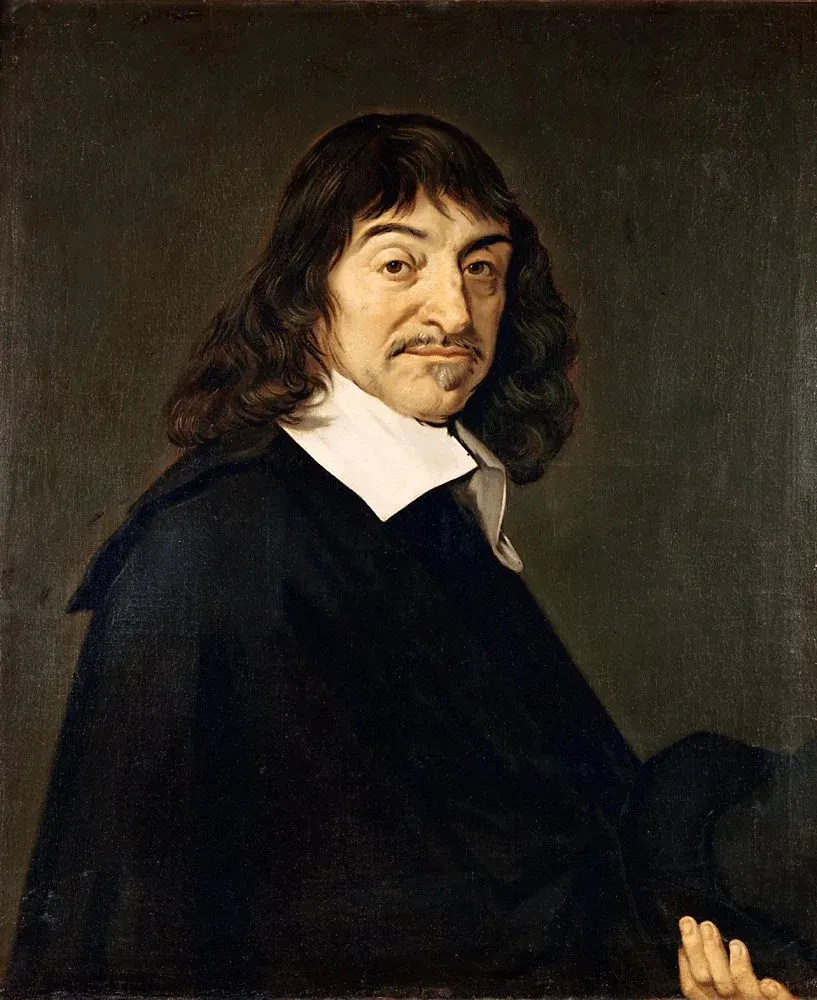
I Think, Therefore I Am: Descartes and the Search for Certainty
With Descartes, philosophy turns a corner, and you can feel it happening inside his Meditations on First Philosophy.
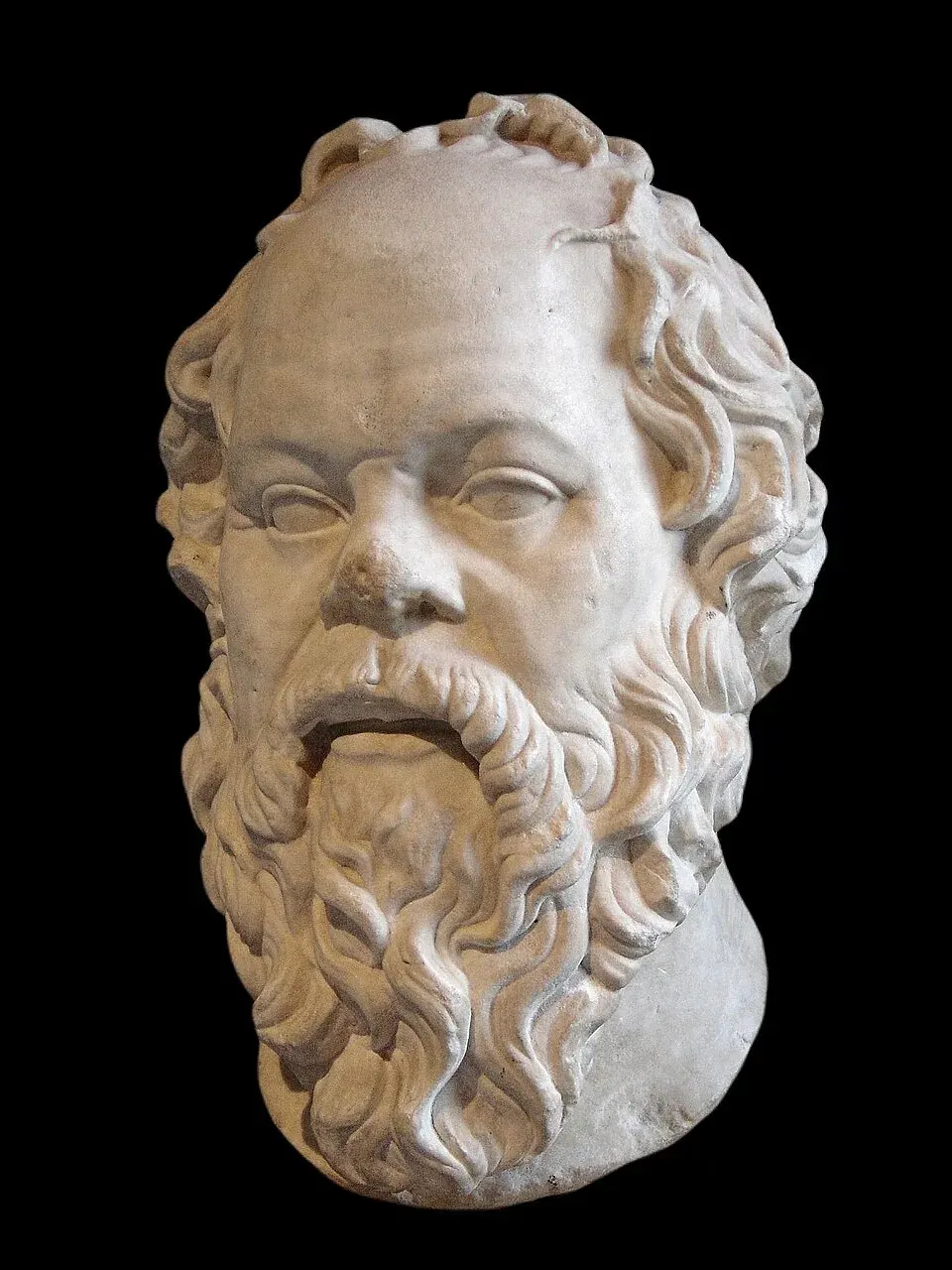
On the Immortality of the Soul: Socrates' Last Hours in Plato's "Phaedo"
Plato's Phaedo recounts the last hours of Socrates, the day he drank the hemlock and died.
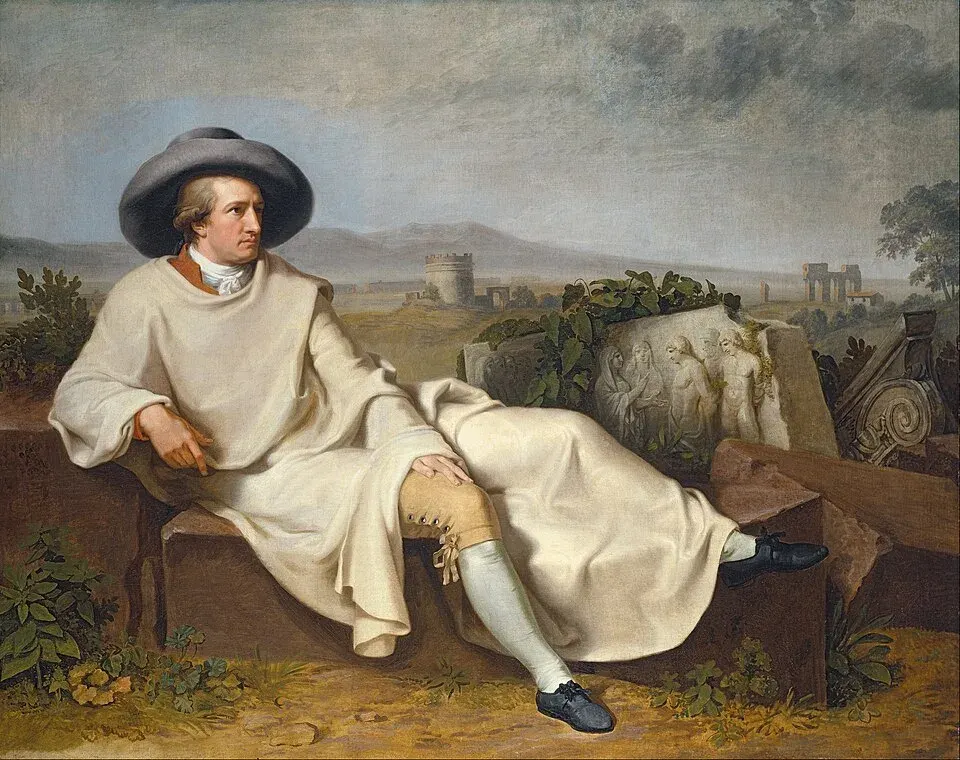
The Fever of Romantic Longing: Goethe's "The Sorrows of Young Werther"
Goethe's The Sorrows of Young Werther: Romantic sensibility, hopeless longing for Lotte, Werther Fever and the gift and peril of intense feeling.
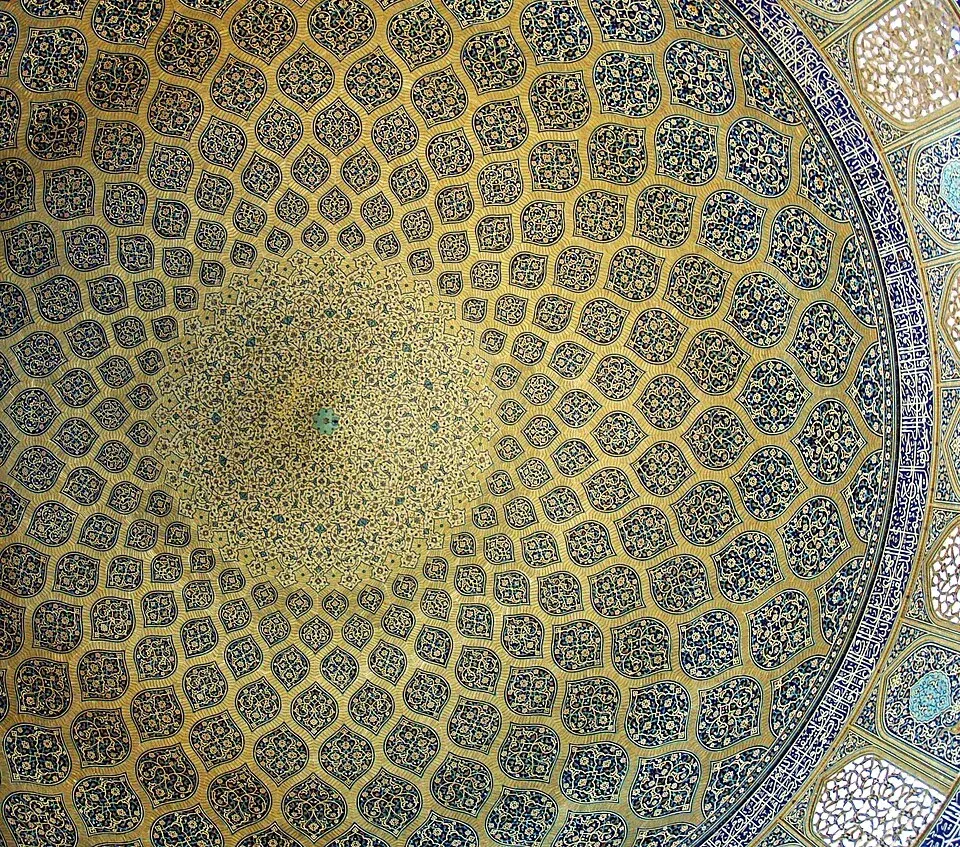
The Unity of Being: An Encounter with Ibn Arabi
An encounter with Ibn Arabi's The Bezels of Wisdom: the Unity of Being, the world as a divine mirror and the humility that difficult wisdom demands.
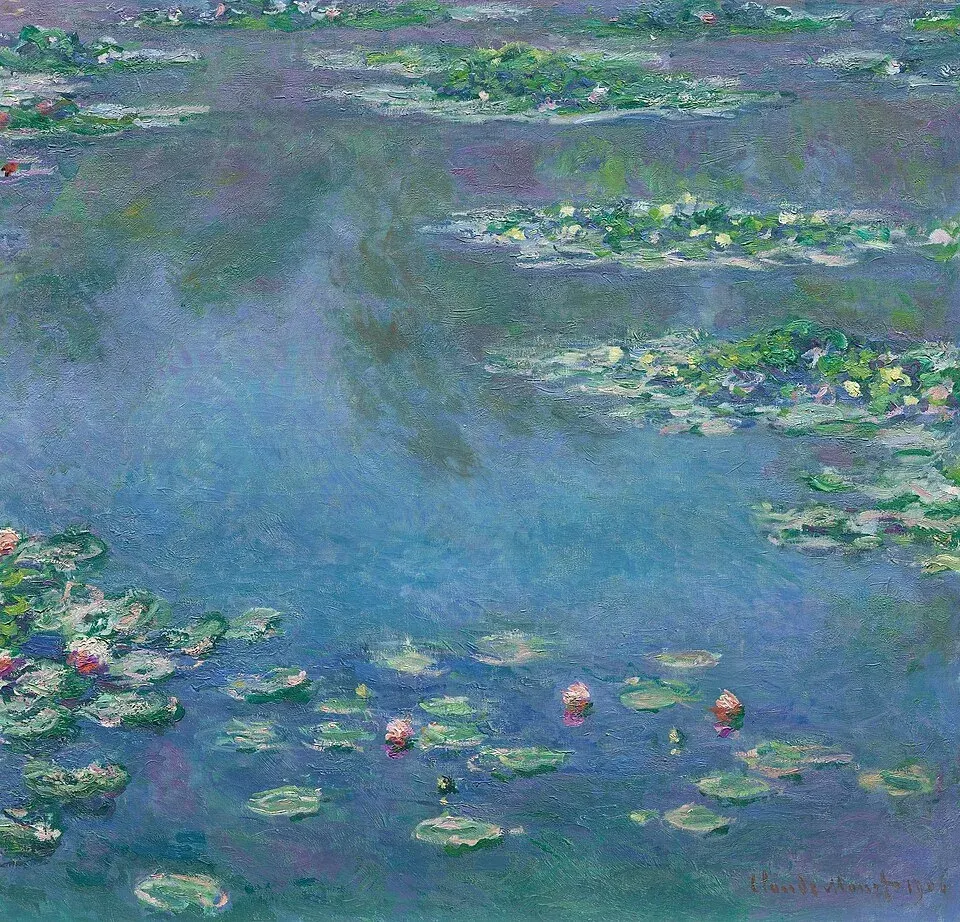
Escaping the Tyranny of Time: A Critical Reading of "The Power of Now"
A critical reading of Eckhart Tolle's The Power of Now: the useful core about presence and thought, and where the grand claims go too far.
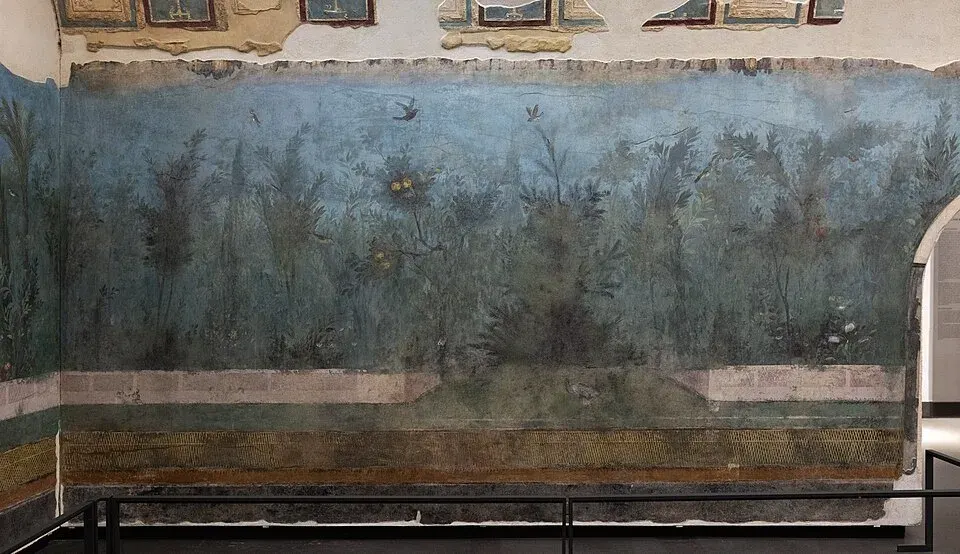
Atoms and the Fear of Death: Lucretius' "On the Nature of Things"
Lucretius' On the Nature of Things explains the universe through atoms and void and argues that death is nothing to fear. Why this ancient poem still matters.
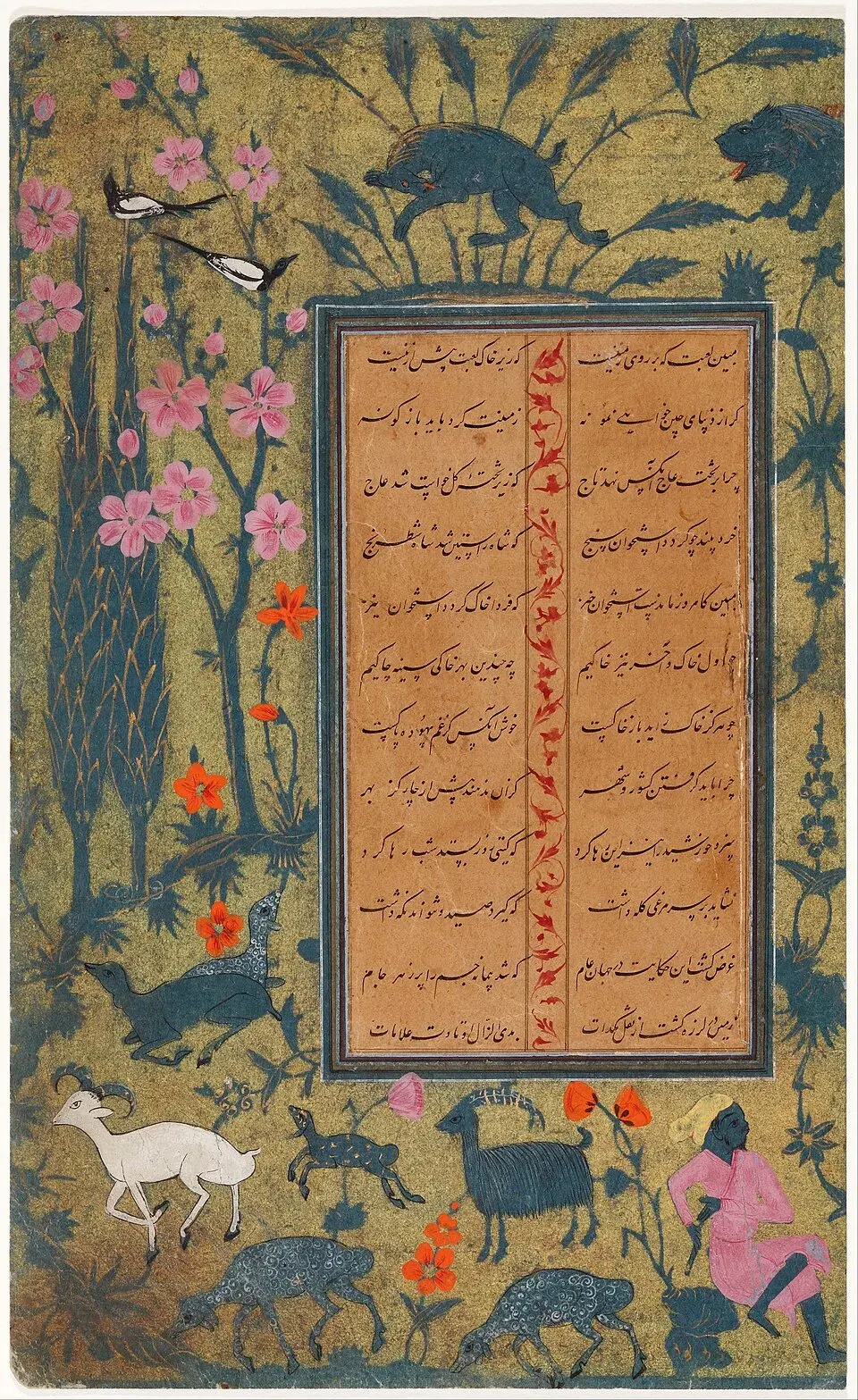
The Rose Garden of Wisdom: Saadi's "Gulistan"
Saadi's Gulistan (The Rose Garden): practical wisdom through stories, the art of speech and silence, contentment and "the children of Adam are one body".
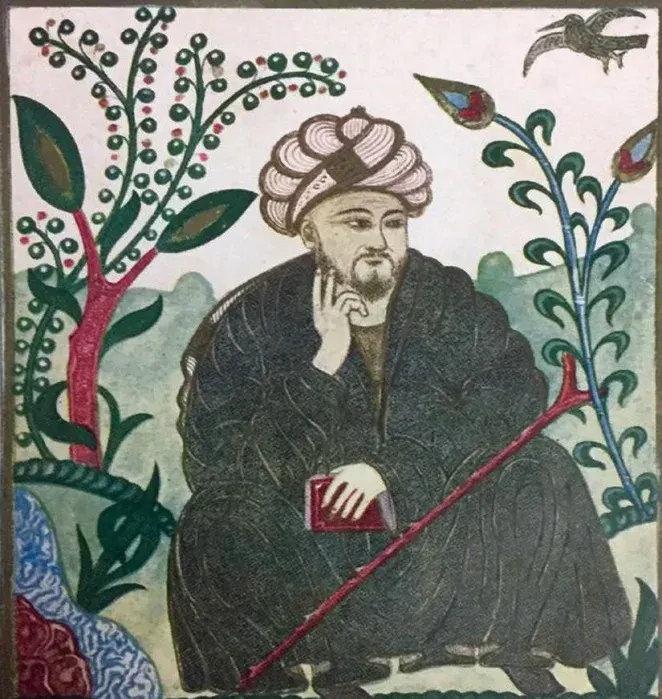
The Philosopher-King Revisited: Al-Farabi's "The Virtuous City"
Al-Farabi's The Virtuous City: the city as a living whole, the philosopher-prophet ruler and how he wove Plato, Aristotle and Islamic thought together.
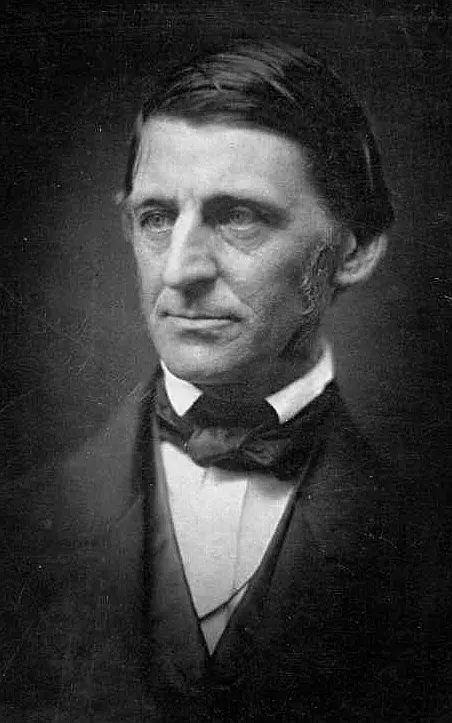
Trust Thyself: Emerson's "Self-Reliance" and the Courage to Be Original
Emerson's Self-Reliance: trust thyself, why conformity is self-betrayal and why a foolish consistency is the hobgoblin of little minds.
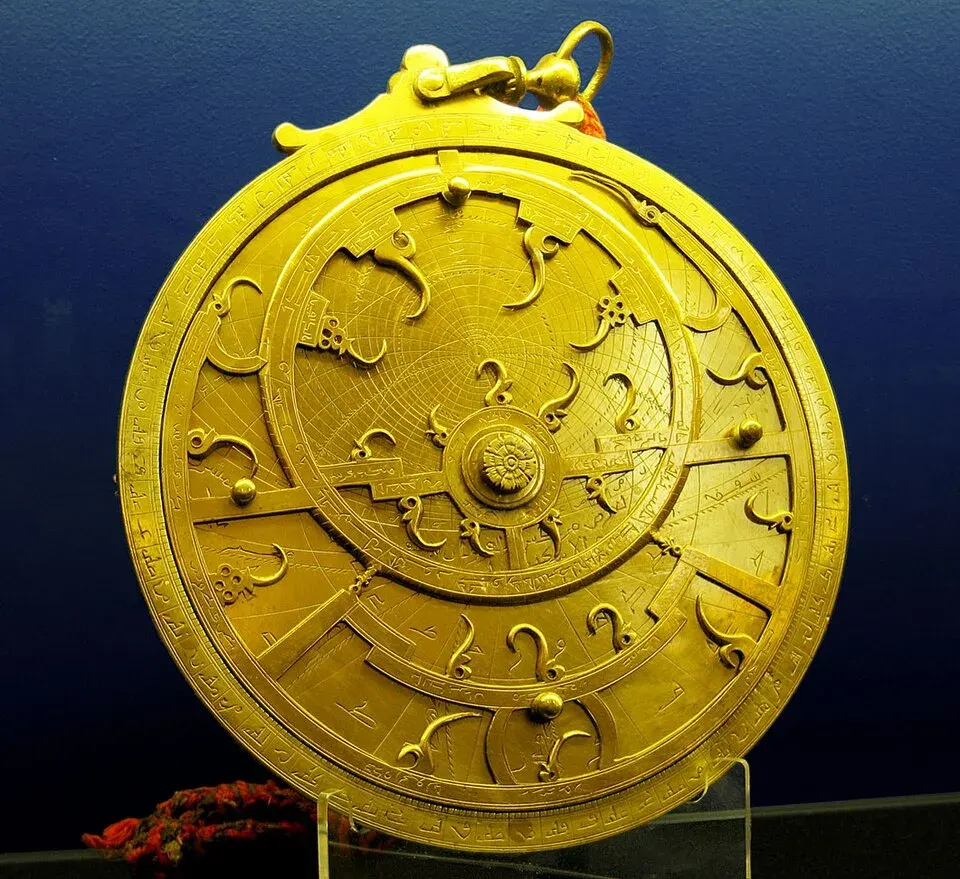
The Game of Life and Knowledge: Hesse's "The Glass Bead Game"
The Glass Bead Game was Hermann Hesse's last and most ambitious novel, the work for which he was awarded the Nobel Prize.
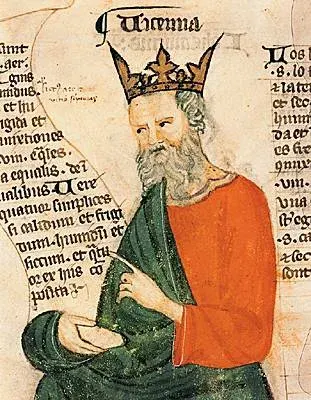
The Floating Man: Avicenna and the Mystery of the Self
Avicenna's Floating Man thought experiment: why self-awareness needs no senses, and how it anticipated Descartes' cogito by six centuries.
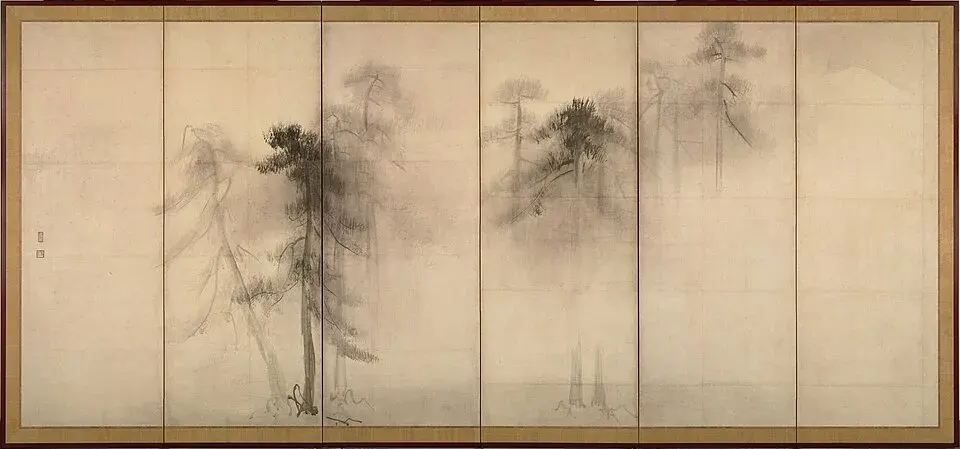
The Beginner's Mind: Lessons from Shunryu Suzuki
Zen Mind, Beginner's Mind is a collection of talks by Shunryu Suzuki, the Japanese Zen master who helped bring Zen practice to the West.
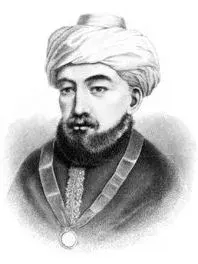
Reason and Revelation: Maimonides' "Guide for the Perplexed"
Maimonides' Guide for the Perplexed: reconciling faith and reason, metaphor in scripture and negative theology, knowing God by what God is not.

Living Deliberately: What Thoreau's "Walden" Taught Me About Simplicity
What Thoreau's Walden teaches about simplicity: the true cost of things, quiet desperation, living deliberately and learning from nature.

A Jug of Wine and the Fleeting Hour: The "Rubaiyat" of Omar Khayyam
Omar Khayyam was an eleventh-century Persian polymath, a brilliant mathematician and astronomer who reformed the calendar and advanced algebra.
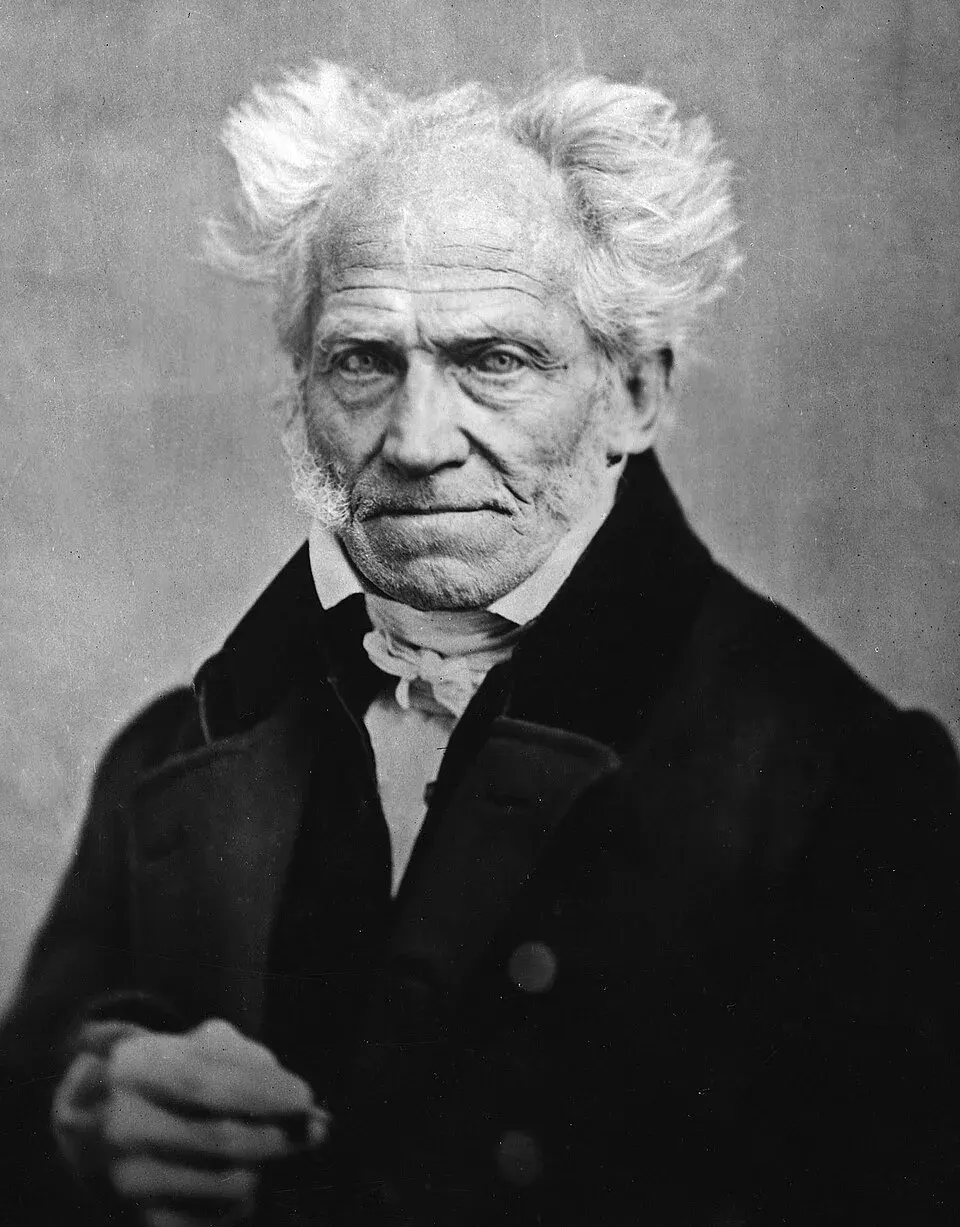
The Art of Being Content: Schopenhauer's "The Wisdom of Life"
Schopenhauer's The Wisdom of Life: why what you are matters more than what you have, wealth as seawater and a pessimist's guide to contentment.
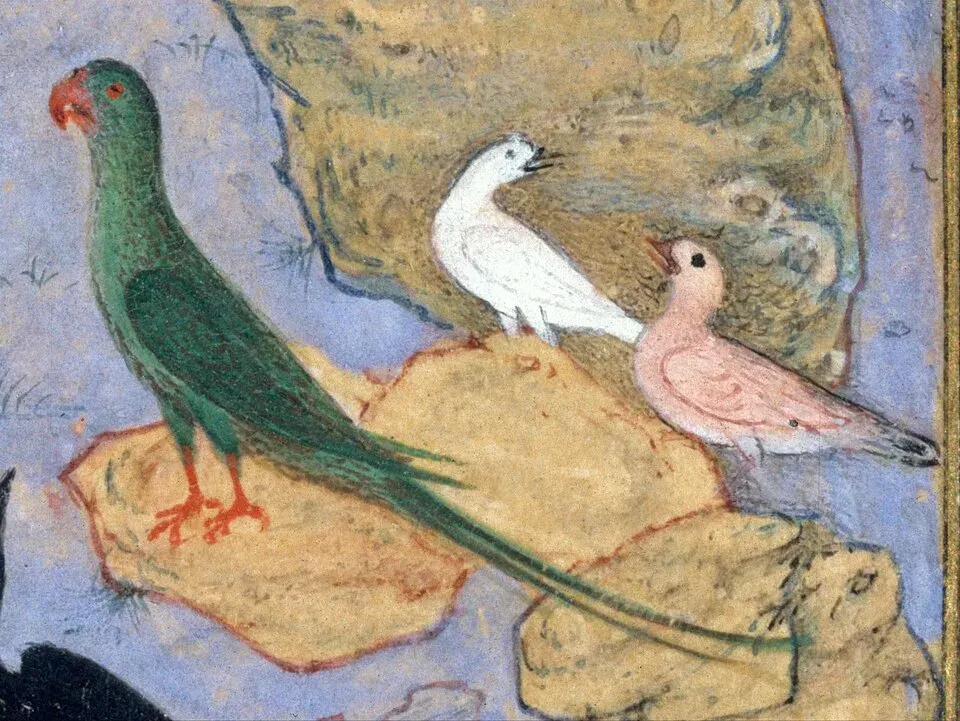
The Journey to the Self: Attar's "The Conference of the Birds"
Attar's The Conference of the Birds: the birds' excuses, the seven valleys of the spiritual path and the Simurgh pun that reveals the divine within.
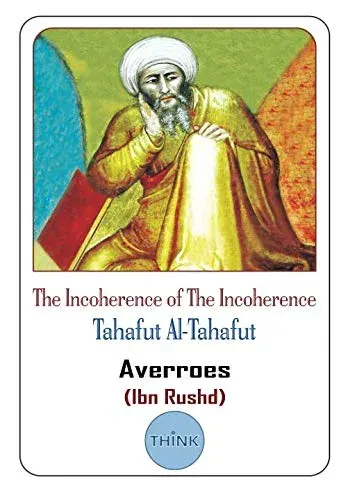
Exploring the Depths of "The Incoherence of the Incoherence"
In the vast ocean of philosophical discourse, certain works emerge as guiding stars, illuminating the path to deeper understanding and critical inquiry.