Unveiling the Machiavellian Mind: Lessons from Niccolò Machiavelli's "The Prince"
In one breath
Machiavelli's The Prince, written in the early 16th century, explores power with startling candor. Rulers must be realistic and prudent, sometimes cunning; fortune (fortuna) must be met with skill and boldness (virtù); and public perception matters as much as reality. It remains a provocative lesson for leaders.
On this page
In the realm of political philosophy, few works have stirred as much controversy and intrigue as Niccolò Machiavelli’s “The Prince.” Written in the early 16th century, this seminal text offers a candid exploration of power, leadership, and the art of statecraft. As I delved into its pages, I found myself captivated by Machiavelli’s shrewd insights and timeless wisdom.
1. The Nature of Power:
At the heart of “The Prince” lies a deep understanding of the nature of power. Machiavelli challenges conventional notions of morality and ethics, arguing that rulers must be willing to employ cunning and ruthlessness to maintain their authority. While his pragmatic approach may seem cynical at first glance, it forces readers to confront uncomfortable truths about the nature of politics and human nature.
2. The Virtues of Prudence and Realism:
Machiavelli emphasizes the importance of prudence and realism in the exercise of power. He urges rulers to be astute judges of character, to act decisively in times of crisis, and to adapt their strategies to changing circumstances. This pragmatic approach to governance serves as a stark contrast to idealistic notions of leadership, reminding us that politics is often a messy and unpredictable affair.
3. The Role of Fortuna and Virtù:
Machiavelli introduces the concepts of fortuna (fortune) and virtù (virtue) as crucial elements in the pursuit of power. While fortuna represents the unpredictable forces of fate, virtù refers to the skill, cunning, and strength of character needed to seize and maintain power. By understanding the interplay between these two forces, rulers can navigate the turbulent waters of politics with greater confidence and efficacy.
4. The Importance of Public Perception:
In “The Prince,” Machiavelli stresses the importance of managing public perception and cultivating a reputation for strength and resolve. He argues that rulers must project an image of authority and decisiveness, even if it means resorting to deception or manipulation. This emphasis on image and perception underscores the Machiavellian principle that in politics, appearances often matter more than reality.
5. Lessons for Leadership:
As I reflected on the lessons of “The Prince,” I couldn’t help but draw parallels to contemporary leadership challenges. While Machiavelli’s advice may seem harsh and unyielding, there is much to be learned from his pragmatic approach to governance. Whether in politics, business, or everyday life, the principles outlined in “The Prince” offer valuable insights into the dynamics of power and influence.
Conclusion:
In conclusion, “The Prince” is a timeless masterpiece that continues to provoke thought and debate centuries after its publication. While Machiavelli’s ideas may be controversial, they compel us to confront the harsh realities of politics and human nature. As I close the final pages of this influential work, I am reminded of the enduring power of philosophy to challenge our assumptions, expand our horizons, and inspire us to strive for a deeper understanding of the world around us.
Until next time, fellow seekers of wisdom – may the lessons of Machiavelli’s “The Prince” guide us on our journey towards greater insight and enlightenment.
Key takeaways 5
- Machiavelli describes power as it is, not as it should be.
- Prudence and realism matter more than idealism in politics.
- Virtù, skill and boldness, must meet fortuna, chance.
- Reputation and public perception are tools of power.
- Leaders can learn from it without adopting its cynicism.
Watch: others on this book

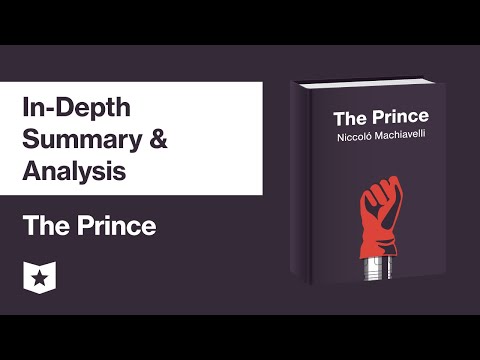
Frequently asked questions
What is The Prince by Machiavelli about?
It is a 1532 political treatise advising rulers how to gain and keep power, emphasizing realism, adaptability and sometimes ruthless pragmatism over conventional morality.
What does "Machiavellian" mean?
It describes cunning, manipulative or unscrupulous behavior in pursuit of power, though Machiavelli's own views are more nuanced than the term suggests.
What are virtù and fortuna?
Fortuna is chance or circumstance beyond our control; virtù is the skill, energy and boldness a leader uses to master circumstances.
Read along with me
Book notes, philosophy and the ideas that shape how we build. New essays every month, no spam.
Related reading notes
Living with Purpose: Lessons from The Highest Goal by Michael Ray
In a world focused on goals, titles, and achievements, it’s easy to chase one thing after another without ever stopping to ask the bigger question: Why?
Unveiling the Manipulative Mechanisms: Lessons from "Propaganda: The Public Mind in the Making"
Lessons from Edward Bernays' Propaganda: engineering consent, symbols and imagery, mass media manipulation and why ethics matter today.
Unveiling the Philosophy of Power: Exploring Friedrich Nietzsche's "The Will to Power"
Exploring Nietzsche's The Will to Power: power as life's driving force, the Übermensch, confronting nihilism and affirming life through eternal recurrence.
Comments
No comments yet. Start the conversation.