The Art of Being Content: Schopenhauer's "The Wisdom of Life"
In one breath
Arthur Schopenhauer, philosophy's great pessimist, wrote in The Wisdom of Life a surprisingly practical guide to suffering less. What you are matters more than what you have or how others see you; health and temperament beat external goods; wealth is like seawater; and an inner life is the best defense against boredom.
On this page
Arthur Schopenhauer has a reputation as the great pessimist of philosophy, and his main work paints existence as a realm of endless, blind striving and inevitable suffering. So I was surprised to find, in his late essay The Wisdom of Life, something almost like a practical happiness manual, written by a man who did not believe deep happiness was really possible. The result is a strangely useful book: clear-eyed, unsentimental advice on how to suffer as little as possible and live as well as one can, from someone with no illusions to sell. A pessimist’s guide to contentment turns out to contain a lot of hard, durable sense.
Here is what Schopenhauer taught me about what we are mattering more than what we have, about the limits of wealth and fame, and about the rich resource of an inner life.
Key takeaways
- What you are matters more than what you have or how others see you.
- Health and a cheerful temperament outweigh almost every external good.
- Wealth is like seawater: the more you drink, the thirstier you become.
- The pursuit of others’ opinion is a chief source of needless suffering.
- An inner life is the best defense against boredom and the surest source of contentment.
Being, having, seeming
Schopenhauer organises the whole essay around a simple division. The things that determine our lot in life, he says, fall into three classes: what a person is (health, temperament, intelligence, character), what a person has (property and possessions), and what a person represents in the eyes of others (reputation, rank, fame). His central claim is that the first category vastly outweighs the other two. A healthy, cheerful, inwardly rich person will be happier in modest circumstances than a miserable, anxious one surrounded by wealth and honours. This sounds obvious until you notice how completely most of us live as if the opposite were true, pouring our energy into having and seeming while neglecting what we actually are.
The seawater of wealth and fame
On the second and third categories, Schopenhauer is bracingly skeptical. Wealth, he observes, resembles seawater: the more we drink, the thirstier we become, because desires expand to swallow whatever we acquire, so that the rich are rarely satisfied for long. As for reputation, he is even harsher. We torture ourselves endlessly over what other people think of us, sacrificing real peace for the phantom of their good opinion, most of which we will never even know and which dies with us anyway. He calls this slavery to the opinions of others one of the great unnecessary torments of life. I found this a useful slap. So much of my own anxiety is exactly this, the management of an image in minds I cannot control.
The wealth within
Schopenhauer’s most positive counsel concerns the inner life. The greatest enemy of human happiness, he argues, is boredom, and the person most vulnerable to it is the one with no inner resources, who depends entirely on external stimulation and the company of others to fill an empty interior. By contrast, the person of rich intellect and lively inner life carries their own entertainment and meaning wherever they go, and can be content in solitude, even in hardship. For Schopenhauer the pessimist, cultivating the mind is not a luxury but the single most reliable strategy for a bearable life. The inner world is the one estate that cannot be taxed, stolen, or lost.
What I’m taking with me
I do not share Schopenhauer’s gloom about existence, but his practical wisdom is hard to argue with, perhaps because it comes free of any need to flatter us. What I am taking from The Wisdom of Life is its order of priorities: tend first to what I am, my health, temperament, and mind, before chasing what I have or how I appear; treat wealth and reputation as unreliable masters; and invest in an inner life rich enough to make solitude a pleasure rather than a threat. A pessimist taught me, unexpectedly, a good deal about contentment.
Frequently asked questions
What is Schopenhauer’s The Wisdom of Life about?
It is a practical essay on how to live as happily as possible, arguing that what we are inwardly matters far more than our possessions or reputation, and that an inner life is the best safeguard against suffering and boredom.
Was Schopenhauer a pessimist?
Yes. He saw existence as driven by blind striving and full of suffering. Yet in this essay he offers clear, practical advice for minimizing unhappiness, making it a kind of pessimist’s guide to contentment.
What did Schopenhauer say about wealth?
That it is like seawater: the more we drink, the thirstier we get. Desires expand with our means, so wealth rarely brings lasting satisfaction.
References & further reading
- Schopenhauer, Arthur. The Wisdom of Life (from Parerga and Paralipomena). (Translated by T. Bailey Saunders; or E. F. J. Payne, Oxford, 1974.)
- Magee, Bryan. The Philosophy of Schopenhauer. Oxford University Press, 1983.
- Gardiner, Patrick. Schopenhauer. Penguin, 1963.
Watch: others on this book


Read along with me
Book notes, philosophy and the ideas that shape how we build. New essays every month, no spam.
Related reading notes
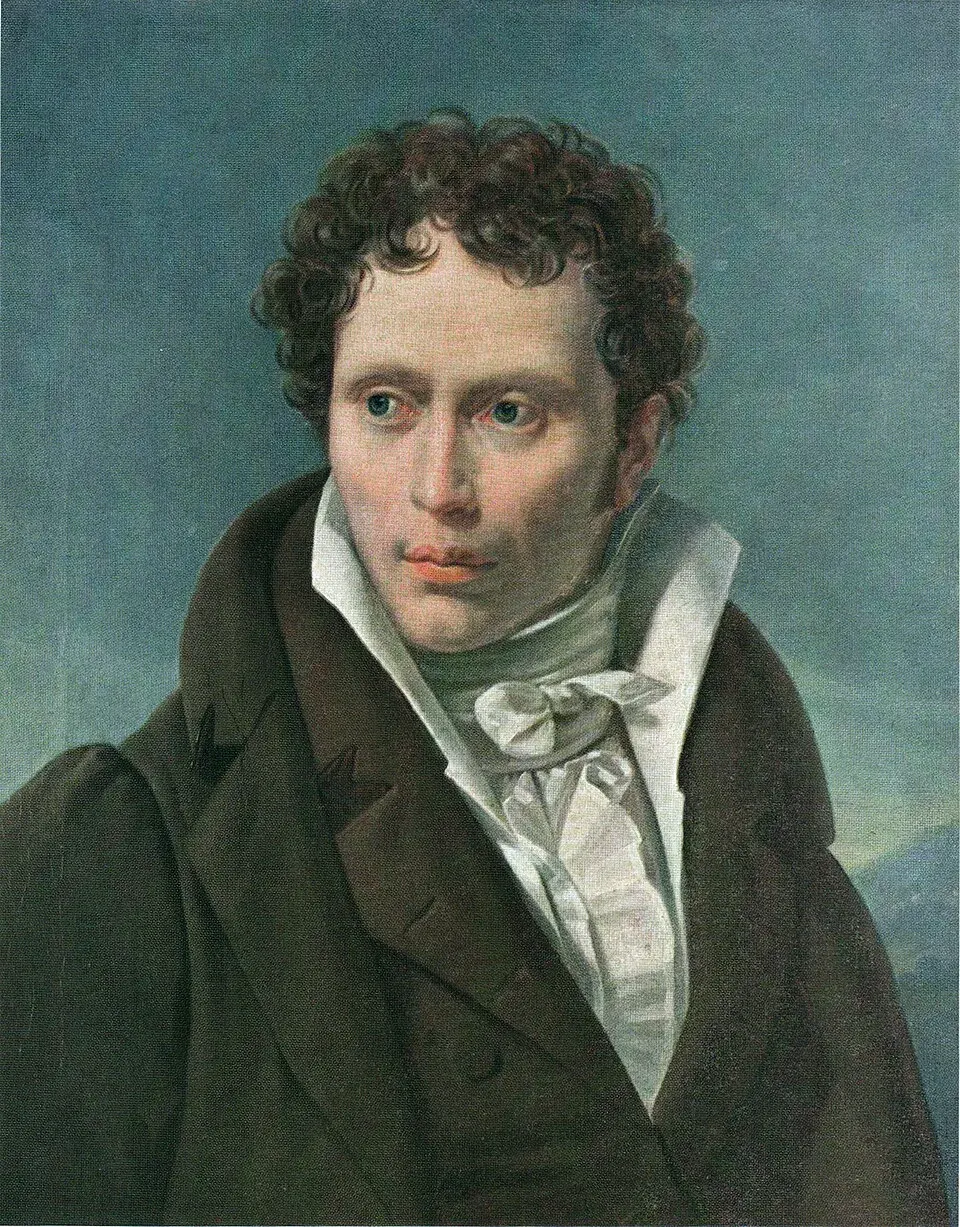
The World as Will: Schopenhauer's Tragic Vision
Schopenhauer's The World as Will and Representation: appearance and the blind Will, why striving means suffering and the escape through art and compassion.
The Conquest of Happiness: Russell's Antidote to Modern Misery
Bertrand Russell's The Conquest of Happiness: why much unhappiness is self-made, and how zest, wide interests and affection lead outward to joy.
Navigating Life's Maze: Wisdom from William James' Pragmatism
Lessons from William James' Pragmatism: truth as a process, the value of experience, radical empiricism, pluralism and an action-oriented philosophy.
Comments
No comments yet. Start the conversation.