Navigating Life's Maze: Wisdom from William James' Pragmatism
In one breath
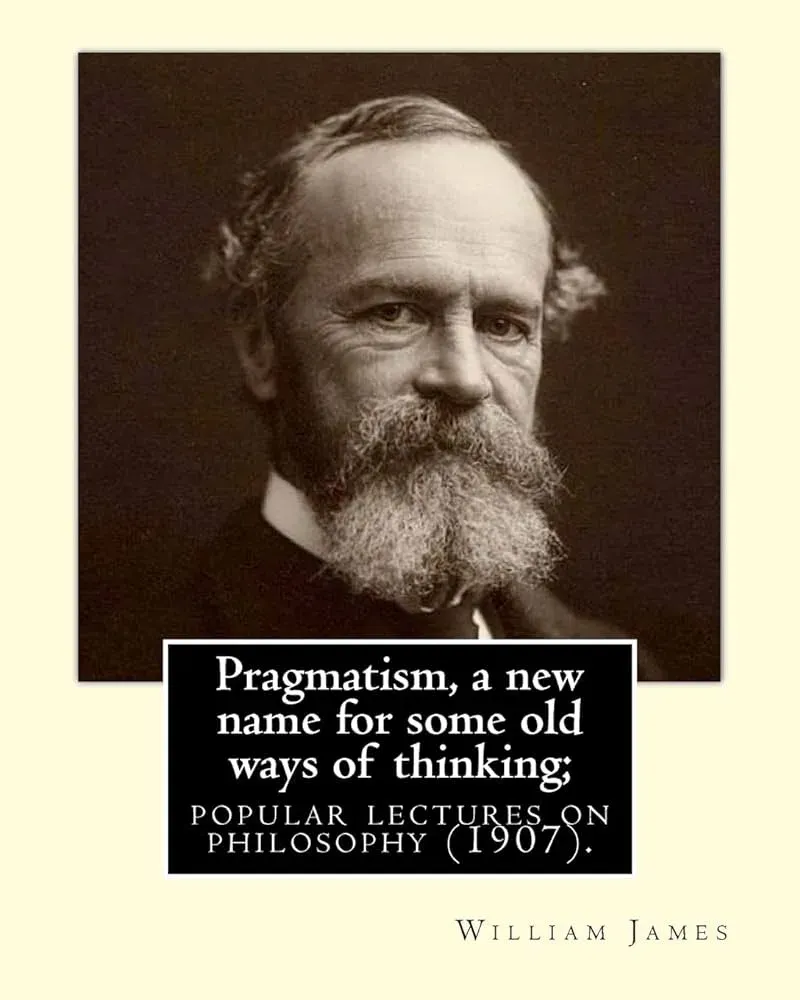
William James' Pragmatism: A New Name for Some Old Ways of Thinking treats truth not as a fixed statue but as a process shaped by practical consequences. It values lived experience, radical empiricism and pluralism, and offers an action-oriented philosophy for navigating everyday life.
On this page
Hey there, fellow explorers of life!
Welcome back to my humble corner of the internet. Today, I’m buzzing with excitement to share some profound insights I’ve gleaned from delving into the world of William James’ Pragmatism: A New Name for Some Old Ways of Thinking. So, grab your favorite brew, get cozy, and let’s embark on this intellectual journey together!
1. Truth as a Process:
Picture this: truth not as a rigid statue, but as a lively dance, constantly evolving and shaped by our actions. That’s the gist of what I’ve soaked in from James’ pragmatic perspective. I’ve come to realize that in life’s intricate tapestry, truth is often a journey, not a destination. It’s about the practical consequences of our beliefs, constantly evolving as we navigate the twists and turns of our experiences.
2. The Importance of Experience:
In a world bombarded with opinions and ideologies, James’ emphasis on lived experience feels like a breath of fresh air. He champions the idea that our beliefs should be rooted in our unique journeys, not just abstract theories. It’s like he’s nudging us to embrace our individual narratives, celebrating the richness of our subjective interpretations.
3. Radical Empiricism:
Ah, radical empiricism – James’ call to embrace the full spectrum of human experience, from the tangible to the intangible. It’s about expanding our empirical toolkit to include not just what we can see and touch, but also our deepest emotions, values, and spiritual inklings. This holistic approach to knowledge invites us to peer beyond the surface, plumbing the depths of our existence for greater understanding.
4. Pragmatic Pluralism:
One size fits all? Not in James’ pragmatic playground. Here, diversity reigns supreme. I’ve come to cherish the idea of pragmatic pluralism – the notion that there’s beauty in embracing multiple perspectives. It’s like having a colorful palette of ideas to paint our worldview, enriching it with hues of intellectual humility and openness.
5. Action-Oriented Philosophy:
Let’s cut through the philosophical jargon and get down to brass tacks: pragmatism is all about rolling up our sleeves and getting stuff done. James urges us to focus not on lofty theories, but on what actually works in the messy arena of real life. It’s like having a pragmatic compass to navigate the labyrinth of existence, guiding us with practical wisdom and resilience.
Conclusion:
As I wrap up this exhilarating dive into James’ pragmatism, I can’t help but feel a sense of empowerment. In a world teeming with complexities and uncertainties, his pragmatic insights serve as a trusty lantern, illuminating our path forward. James offers a refreshing perspective, prioritizing practical consequences over theoretical musings.
Central to James’ philosophy is the concept of truth as a dynamic process rather than a fixed entity. Rather than engaging in endless debates about absolute truths, James encourages us to focus on what works in practice. This perspective liberates us from the constraints of dogma, allowing us to embrace uncertainty and explore diverse avenues of inquiry.
Equally compelling is James’ emphasis on the primacy of experience. He reminds us that our beliefs should be grounded in lived experience rather than abstract theories. This invitation to trust our intuition and personal insights celebrates the richness of individual perspectives, enriching our understanding of the world.
Furthermore, James advocates for pragmatic pluralism, rejecting one-size-fits-all solutions in favor of embracing the diversity of human experience. This approach fosters intellectual humility and openness, encouraging meaningful dialogue and collaboration.
In a world marked by uncertainty and complexity, James’ pragmatism serves as a guiding light – a pragmatic approach to navigating the intricacies of modern life with courage and resilience. Let us embrace the spirit of pragmatism, celebrate the power of experience, and forge our own paths forward in the grand adventure of existence!
Until next time, fellow truth-seekers – keep questioning, keep exploring, and keep embracing the wisdom of William James’ pragmatism!
Key takeaways 5
- For James, truth is a process proven by its practical results.
- Lived experience is the test of ideas.
- Radical empiricism takes all of experience seriously, including relations.
- Pluralism accepts many valid perspectives.
- Philosophy should guide action, not stay abstract.
Watch: others on this book

Frequently asked questions
What is William James' Pragmatism about?
It is a 1907 series of lectures in which James presents pragmatism as a method for settling philosophical disputes by asking what practical difference each view makes, and as a theory of truth based on consequences.
What is the pragmatic theory of truth?
It holds that true ideas are those that work: they can be verified, guide successful action and fit with the rest of our experience.
What is radical empiricism?
Radical empiricism is James' view that philosophy should include everything directly experienced, including the relations between things, and nothing that cannot be experienced.
Read along with me
Book notes, philosophy and the ideas that shape how we build. New essays every month, no spam.
Related reading notes

Navigating Life's Abyss with Nihilism and Pragmatism: A Personal Journey
A personal journey through nihilism and pragmatism: what Nietzsche and William James teach about facing meaninglessness and building meaning.
Embarking on a Spiritual Odyssey: Reflections on "The Varieties of Religious Experience" by William James
Hey there, fellow seekers of enlightenment! Today, I'm thrilled to invite you on a transformative journey through the realms of human spirituality.
From Zero to Infinity: A Playful Mathematical Journey Through Nihilism and Pragmatism
Explore a fun, mathematical journey blending nihilism and pragmatism to navigate life's complexities, inspired by influential mentors.
Comments
No comments yet. Start the conversation.