The World as Will: Schopenhauer's Tragic Vision
In one breath
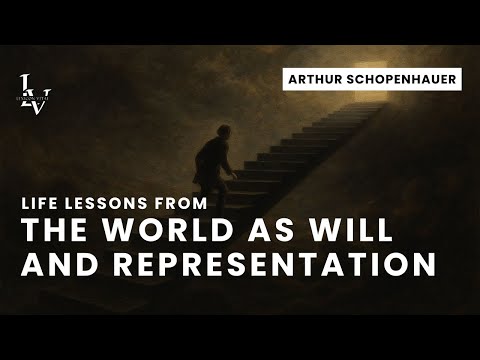
Building on Kant, Schopenhauer's The World as Will and Representation holds that the world we know is representation, appearance, behind which lies a blind, striving Will. Endless desire means endless suffering; art offers temporary escape, and compassion and self-denial offer deeper paths beyond it.
On this page
Arthur Schopenhauer’s The World as Will and Representation is the great pessimistic system of Western philosophy, and one of the most beautifully written. Building on Kant, Schopenhauer argues that the world we experience is mere appearance, “representation,” and that behind it lies a single, blind, striving force he calls the Will. This Will is not rational or benevolent; it is a ceaseless, purposeless craving that drives all of nature and all of us, and it is the source, he believes, of our endless suffering. It is a dark vision, but Schopenhauer pursues it with such clarity, honesty, and even consolation that reading him is bracing rather than merely depressing.
Here is what The World as Will and Representation taught me about the blind Will, about why striving brings suffering, and about the escape Schopenhauer finds in art and compassion.
Key takeaways
- The world as we know it is “representation,” appearance shaped by our minds.
- Behind appearance lies the “Will,” a blind, striving force driving everything.
- Endless striving means endless suffering; satisfied desire only breeds new desire.
- Art offers temporary escape, a respite from the demands of the Will.
- Compassion and self-denial are the deeper, lasting paths beyond suffering.
Will and representation
Schopenhauer takes Kant’s distinction between appearance and the thing-in-itself and gives it a startling new content. The world as “representation” is the world as it appears to us, ordered by space, time, and causality, the world of ordinary experience. But what is the reality behind this appearance? Schopenhauer’s answer is the Will. We know it most directly in ourselves: beneath all our reasoning, we are driven by a restless willing, a constant wanting, striving, craving. And he argues that this same blind Will is the inner reality of everything, the force in the falling stone, the growing plant, the hunting animal, the desiring human. The whole universe is, at bottom, this single purposeless striving, endlessly objectifying itself in countless forms. It is a vision of reality as fundamentally driven rather than designed.
Why striving means suffering
From this follows Schopenhauer’s famous pessimism, and his logic is hard to escape. If our innermost nature is endless willing, then we are condemned to perpetual dissatisfaction. To desire is to lack, and lack is painful; but when we finally get what we want, satisfaction is fleeting, and either a new desire arises to torment us, or, worse, we sink into boredom, which Schopenhauer considers its own kind of suffering. Life thus swings, he says, like a pendulum between pain and boredom, never resting in lasting contentment. Happiness is merely the brief, negative absence of a particular pain, not a positive state we can hold. This is grim, but I found it uncomfortably accurate as a description of how desire actually works, the way getting what we want so rarely satisfies us for long.
The escape: art and compassion
Schopenhauer is not, however, without consolation, and this is what raises his philosophy above mere gloom. He finds two ways to quiet the tyranny of the Will. The first is art, especially music. In aesthetic contemplation, absorbed in a painting, a poem, above all a piece of music, we lose ourselves; for a moment the restless willing falls silent and we become pure, will-less knowing, freed from desire. It is a temporary escape, but a real one. The second, deeper path is ethical: compassion. When we recognise, through pity for the suffering of others, that the same Will lives in all of us, that we are at bottom one, the grip of selfish striving loosens, and we move toward self-denial and a more lasting peace. Schopenhauer, influenced by Hindu and Buddhist thought, points finally toward a kind of renunciation, the quieting of the Will itself.
What I’m taking with me
I am not a pessimist, but Schopenhauer’s honesty is a tonic, and his insights are hard to dismiss. What I am taking from The World as Will and Representation is its penetrating analysis of desire, the recognition that endless striving brings endless dissatisfaction, which echoes the Buddhist wisdom I have read elsewhere; its beautiful account of art as a refuge from the restless Will; and its grounding of ethics in compassion, the felt recognition that we all share one suffering nature. Schopenhauer looks at the darkness without blinking and still finds, in beauty and in pity, a way to bear it. That is a sterner and more durable consolation than easy optimism.
Frequently asked questions
What is The World as Will and Representation about?
It argues that the world we experience is mere appearance, and that behind it lies a single blind striving force, the Will, which drives all things and is the source of suffering, with art and compassion offering escape.
What does Schopenhauer mean by “the Will”?
A blind, purposeless, ceaseless striving that he believes is the inner reality of everything, including ourselves, beneath the world of appearances. It is not rational or benevolent.
Why is Schopenhauer considered a pessimist?
Because he argues that our nature is endless willing, so we swing perpetually between the pain of unsatisfied desire and the boredom of satisfied desire, making lasting happiness impossible.
References & further reading
- Schopenhauer, Arthur. The World as Will and Representation. (1818; translated by E. F. J. Payne, 1958.)
- Magee, Bryan. The Philosophy of Schopenhauer. Oxford University Press, 1983.
- Janaway, Christopher. Schopenhauer. Oxford University Press, 1994.
Watch: others on this book

Read along with me
Book notes, philosophy and the ideas that shape how we build. New essays every month, no spam.
Related reading notes
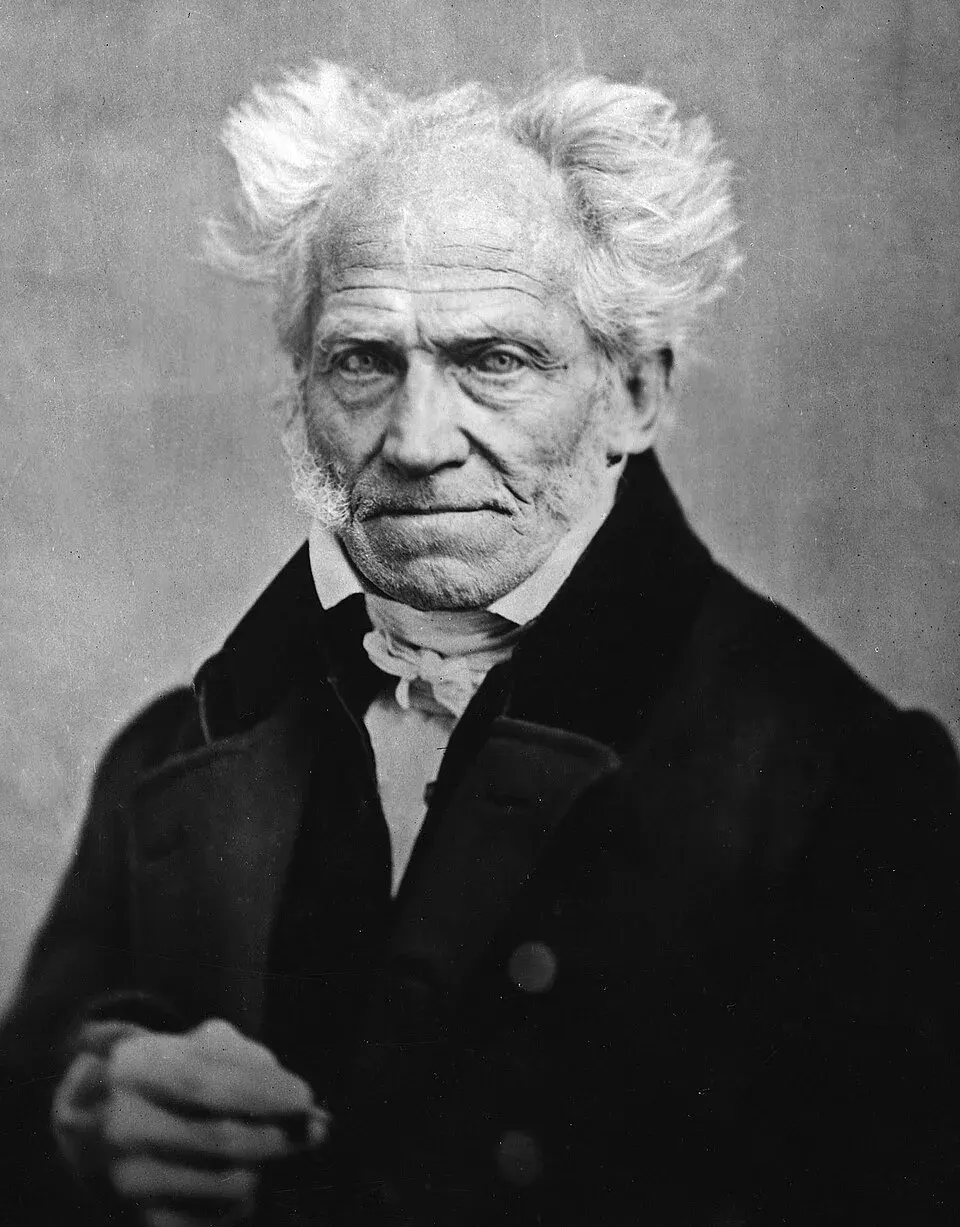
The Art of Being Content: Schopenhauer's "The Wisdom of Life"
Schopenhauer's The Wisdom of Life: why what you are matters more than what you have, wealth as seawater and a pessimist's guide to contentment.
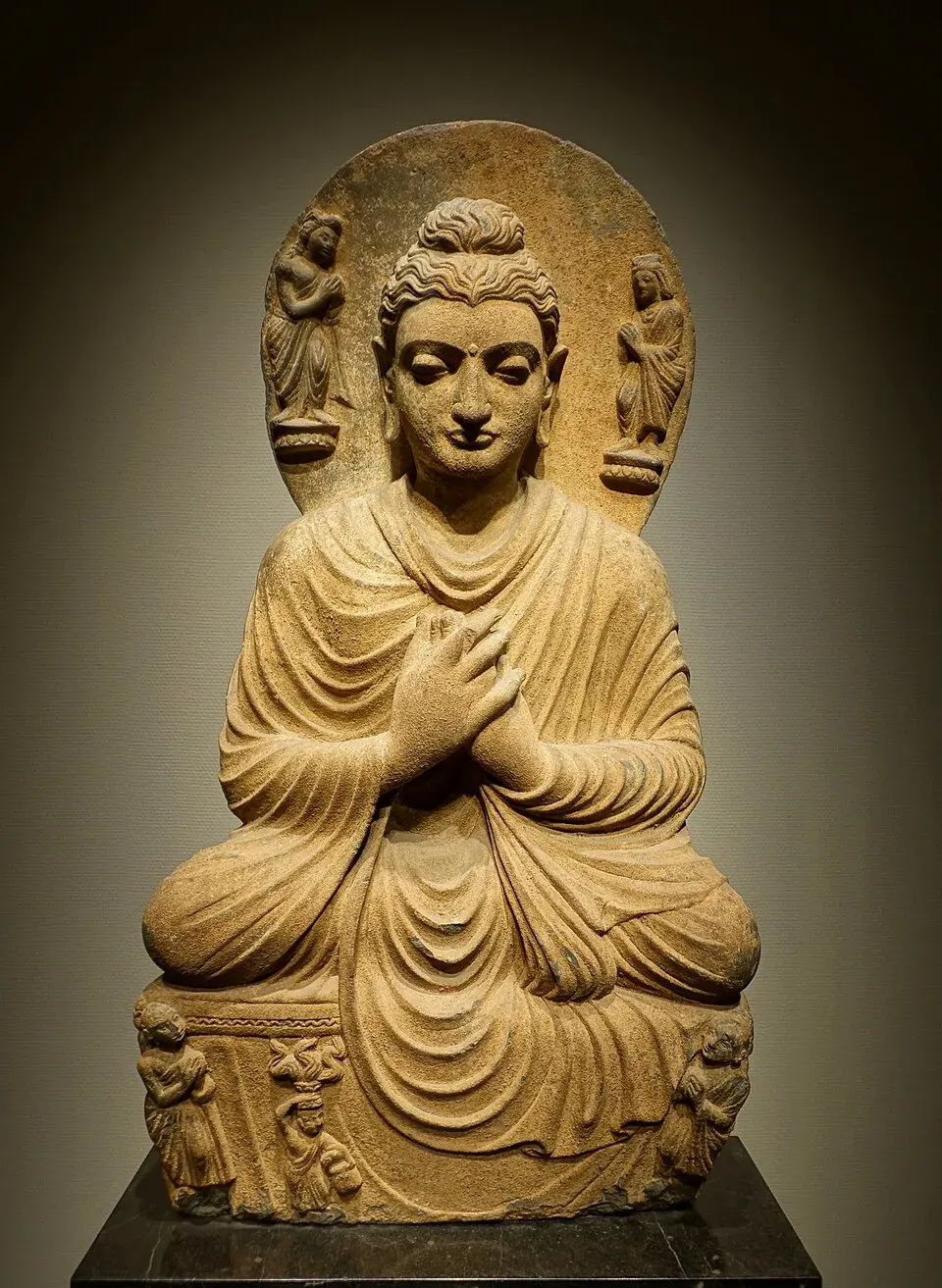
The Path of the Calm Mind: Walking Through the "Dhammapada"
Lessons from the Dhammapada: the mind shapes experience, hatred ends only through love, craving causes suffering and self-mastery is the greatest victory.
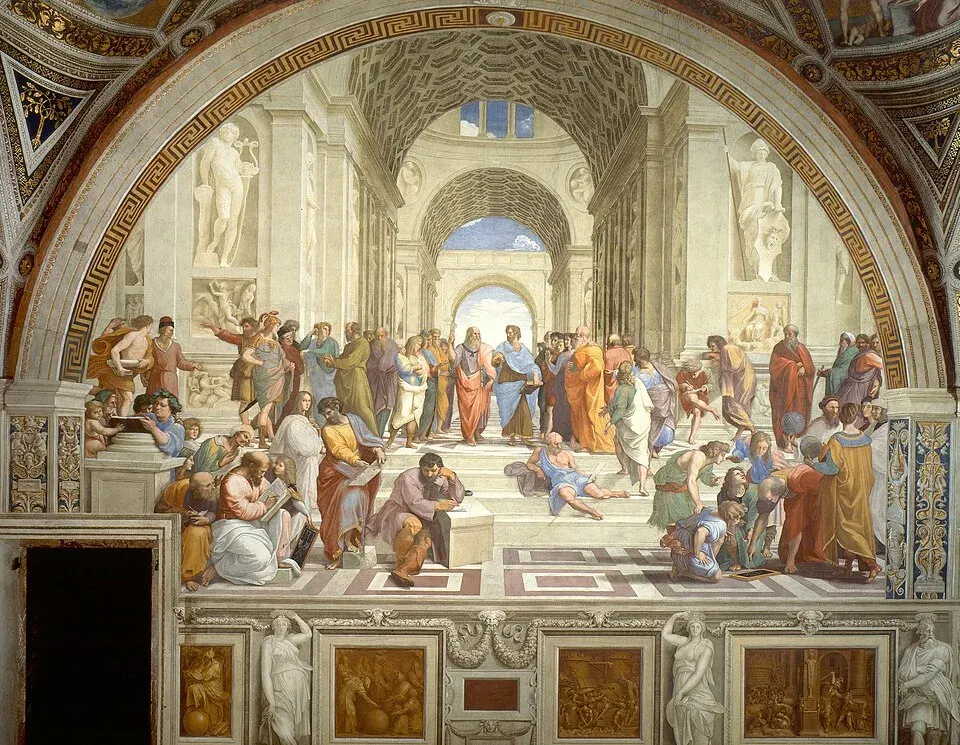
The Pleasures of Philosophy: Reflections on Will Durant's "The Story of Philosophy"
Will Durant's The Story of Philosophy: great thinkers told through their lives, why it suits beginners and why philosophy can be a pleasure.
Comments
No comments yet. Start the conversation.