The Beginner's Mind: Lessons from Shunryu Suzuki
In one breath
Zen Mind, Beginner's Mind collects talks by Shunryu Suzuki, who helped bring Zen to the West. Its core is in one sentence: in the beginner's mind there are many possibilities, in the expert's few. Practice is the point itself, do one thing completely, let thoughts pass and practise without grasping for results.
On this page
Zen Mind, Beginner’s Mind is a collection of talks by Shunryu Suzuki, the Japanese Zen master who helped bring Zen practice to the West. It is gentle, plain, and deceptively simple, the kind of book that seems easy on first reading and inexhaustible on the tenth. Its whole spirit is captured in one famous sentence from the prologue: in the beginner’s mind there are many possibilities, but in the expert’s mind there are few. Suzuki is pointing at something that runs against everything we usually value, the wish to become an expert, to master, to know. He suggests that what we most need is to keep the open, fresh, humble mind of a beginner.
Here is what Suzuki taught me about the beginner’s mind, about practice as its own goal, and about the freedom of doing one thing at a time.
Key takeaways
- Beginner’s mind stays open and full of possibility; the expert’s mind narrows and closes.
- Practice is not a means to enlightenment; the practice itself is the point.
- Do one thing completely; full attention to the ordinary is the heart of Zen.
- Let thoughts come and go without fighting them or chasing them.
- Effortless effort: sincere practice without grasping for results.
The open mind of the beginner
The central teaching is right there in the title. When we are beginners at something, our minds are wide open, eager, ready to learn, unburdened by assumptions. As we grow expert, we accumulate knowledge, but we also accumulate fixed ideas, and our minds close around what we already “know,” shutting out new possibilities. Suzuki urges us to preserve the beginner’s mind even as we deepen our practice, to keep meeting each moment freshly, without the heavy filter of expectation. I find this profoundly counterintuitive and profoundly useful. So much of my own dullness comes from thinking I already understand, from greeting the new with the tired eyes of the expert. The beginner sees more.
The practice is the point
One of the most freeing ideas in the book is Suzuki’s insistence that practice, in his case, sitting meditation, is not a technique for getting somewhere else. We tend to treat everything as a means to an end: we meditate in order to become enlightened, exercise in order to be fit, work in order to arrive. Suzuki gently overturns this. The sitting is not a ladder to enlightenment; the sitting, done wholeheartedly, already is the thing. This dissolves the restless goal-chasing that poisons so much of life. If the practice itself is complete in each moment, then there is nowhere else to get to, and the striving that exhausts us simply falls away.
One thing at a time
Suzuki keeps returning to the value of doing one thing completely. When you bow, just bow. When you eat, just eat. When you sit, just sit. This sounds almost too simple to be wisdom, until you notice how rarely you actually do it, how the mind is always somewhere other than where the body is, rehearsing the next thing while half-performing this one. To do one ordinary thing with full attention is, in Zen, no small matter; it is the whole practice in miniature. There is a deep rest in it, a relief from the scattered, divided way most of us move through our days, always partly absent from our own lives.
What I’m taking with me
Zen Mind, Beginner’s Mind resists summary, because its point is not a set of ideas but a quality of attention. What I am taking from it is the aspiration to keep a beginner’s mind, to stay open and unhardened by my own supposed expertise; the relief of treating practice as complete in itself rather than a means to some future payoff; and the simple discipline of doing one thing at a time, fully. Suzuki offers no dramatic promises. He offers something quieter and harder: the invitation to actually show up for the life I am already living.
Frequently asked questions
What is Zen Mind, Beginner’s Mind about?
It is a collection of talks by Zen master Shunryu Suzuki on the spirit and practice of Zen, centered on keeping an open, fresh “beginner’s mind” and treating meditation practice as complete in itself.
What does “beginner’s mind” mean?
An attitude of openness, eagerness, and freedom from preconceptions, the way a beginner approaches a subject. Suzuki argues this open mind sees more possibilities than the closed mind of the expert.
Do you have to practice Zen to benefit from the book?
No. While it is rooted in Zen meditation, its insights about attention, openness, and letting go of constant goal-seeking are valuable to any reader.
References & further reading
- Suzuki, Shunryu. Zen Mind, Beginner’s Mind. Weatherhill, 1970.
- Kapleau, Philip. The Three Pillars of Zen. Harper & Row, 1965.
- Watts, Alan. The Way of Zen. Pantheon, 1957.
Watch: others on this book


Read along with me
Book notes, philosophy and the ideas that shape how we build. New essays every month, no spam.
Related reading notes
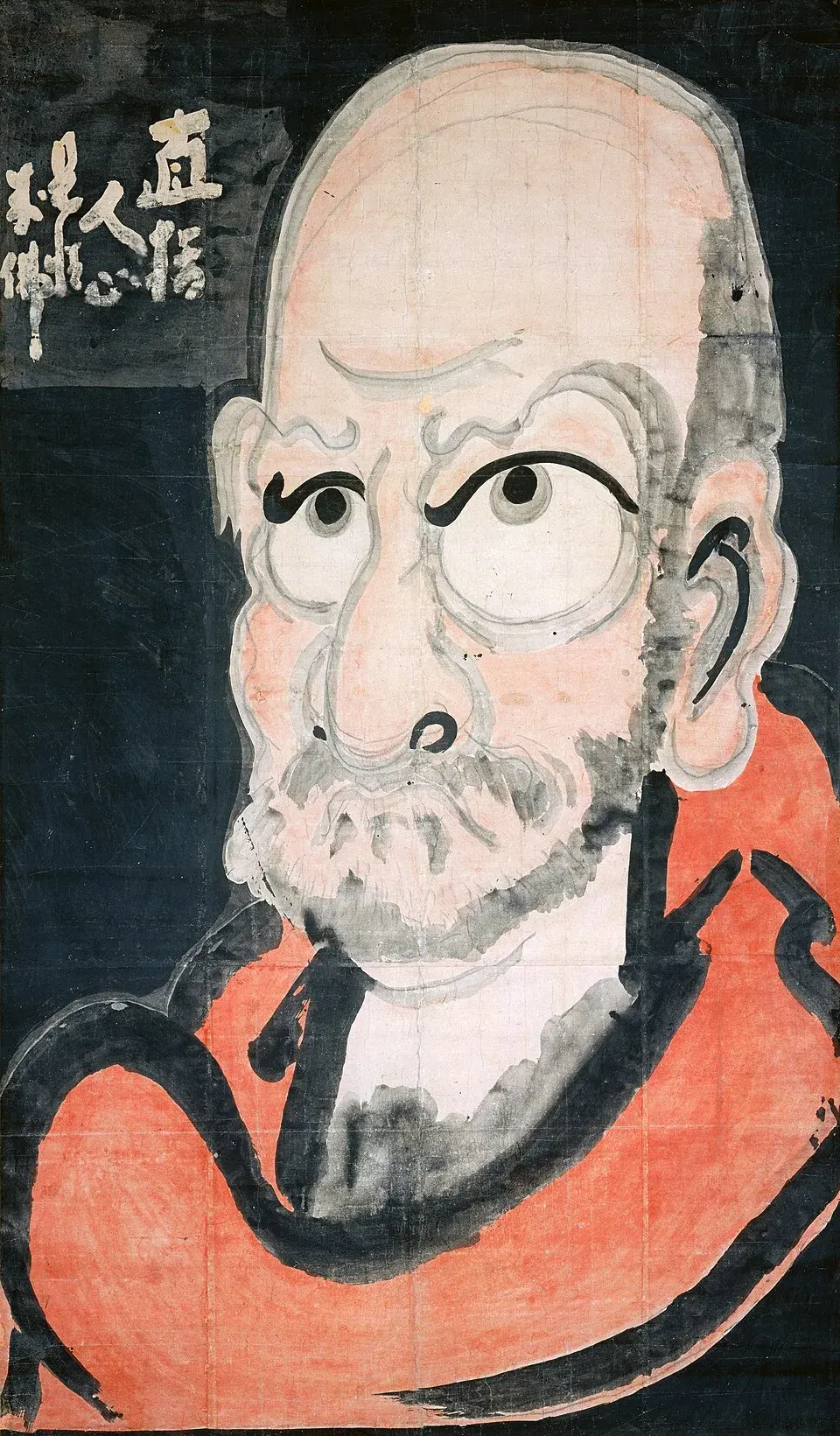
Satori and the Sudden Glimpse: D.T. Suzuki on Zen
D.T. Suzuki's An Introduction to Zen Buddhism: satori, the limits of the intellect, koans and Zen as direct experience rather than doctrine.
Washing the Dishes to Wash the Dishes: Thich Nhat Hanh's "The Miracle of Mindfulness"
Thich Nhat Hanh's The Miracle of Mindfulness: wash the dishes to wash the dishes, breathing as an anchor and mindfulness in ordinary life.
The Path of the Calm Mind: Walking Through the "Dhammapada"
Lessons from the Dhammapada: the mind shapes experience, hatred ends only through love, craving causes suffering and self-mastery is the greatest victory.
Comments
No comments yet. Start the conversation.