Books & Ideas
Reading notes, philosophy and reflections on living and thinking well.
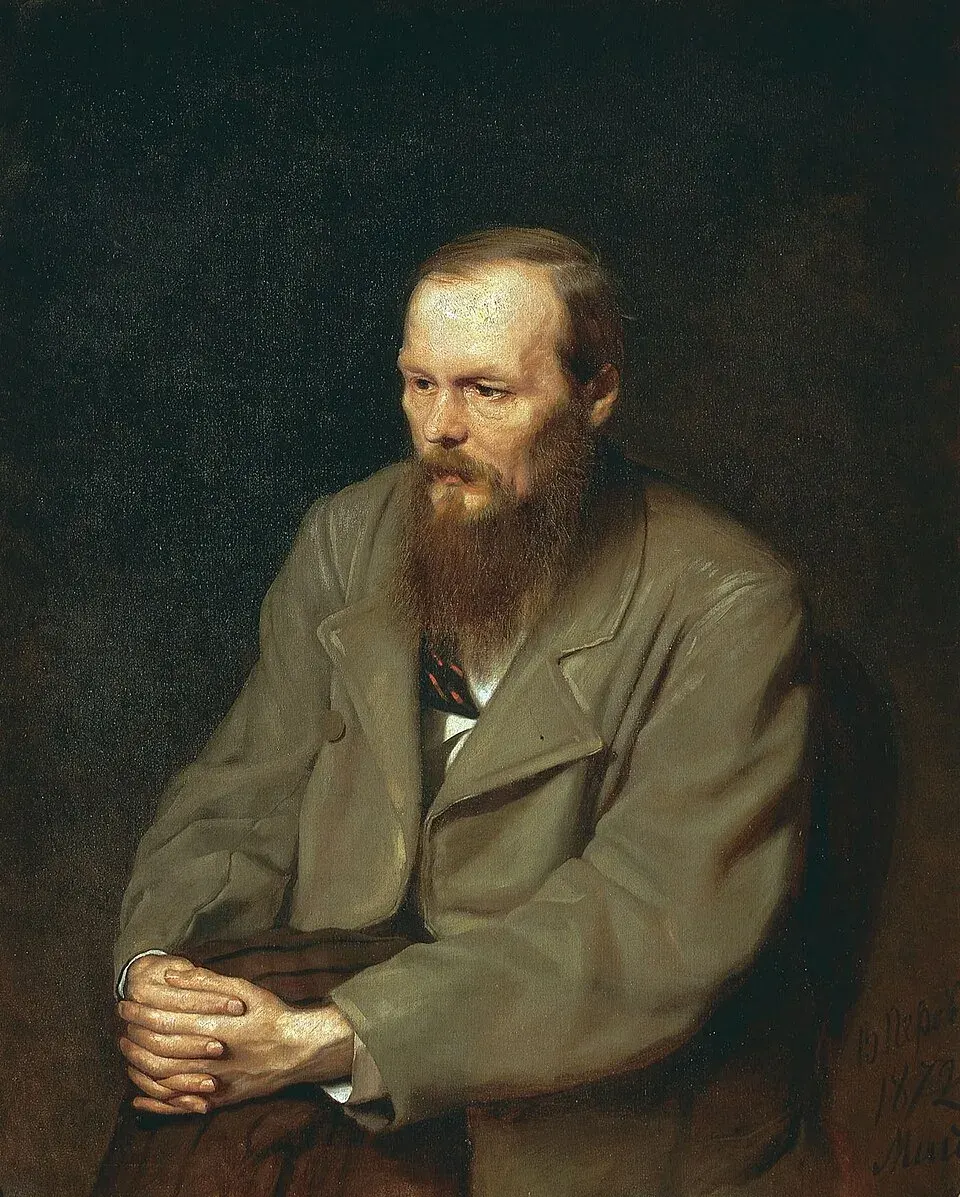
The Spite of the Underground Man: Dostoevsky's First Existential Cry
Fyodor Dostoevsky's Notes from Underground is short, ugly, and astonishing.
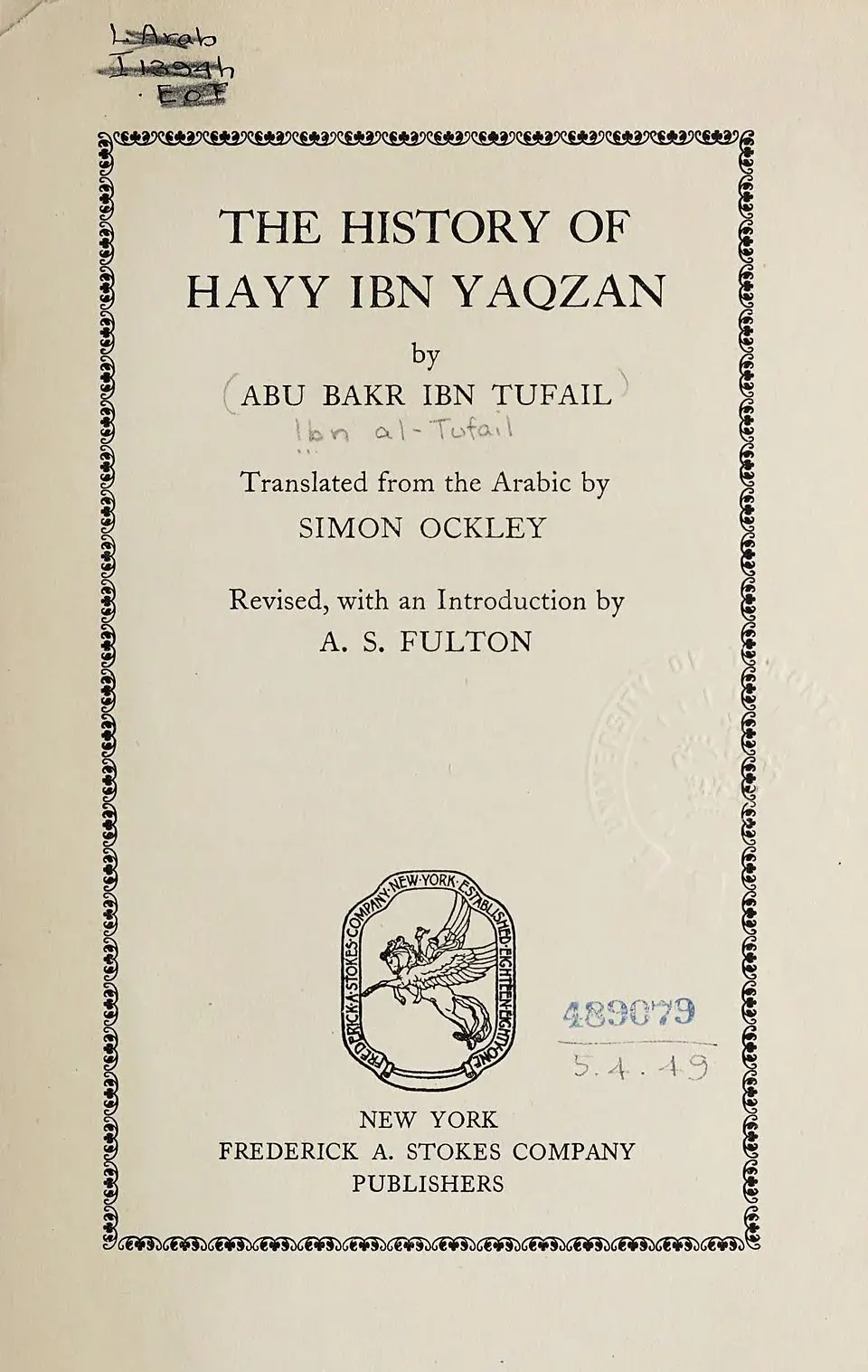
The Self-Taught Philosopher: Ibn Tufayl's "Hayy ibn Yaqzan"
Hayy ibn Yaqzan, written by the twelfth-century Andalusian philosopher Ibn Tufayl, may be the most remarkable book most people have never heard of.
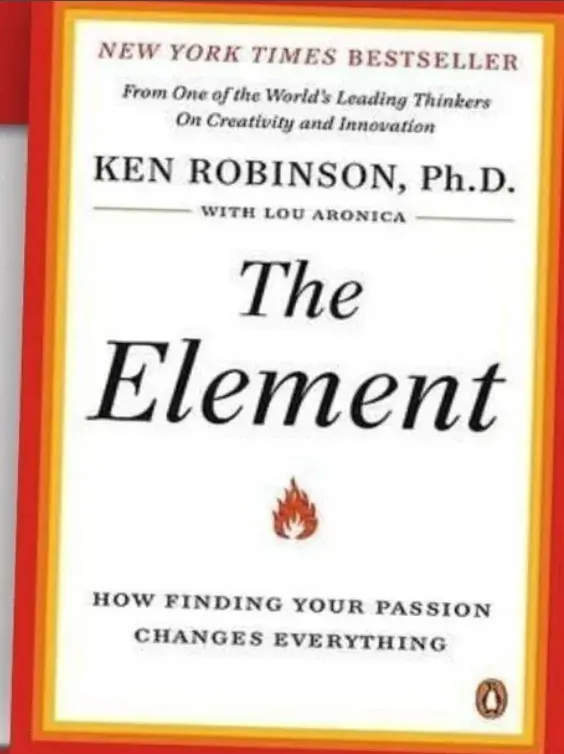
What I Learned from The Element by Sir Ken Robinson
Most of us have been asked, "What do you want to be when you grow up?" But rarely are we asked, "What are you good at, and what do you truly love doing?"
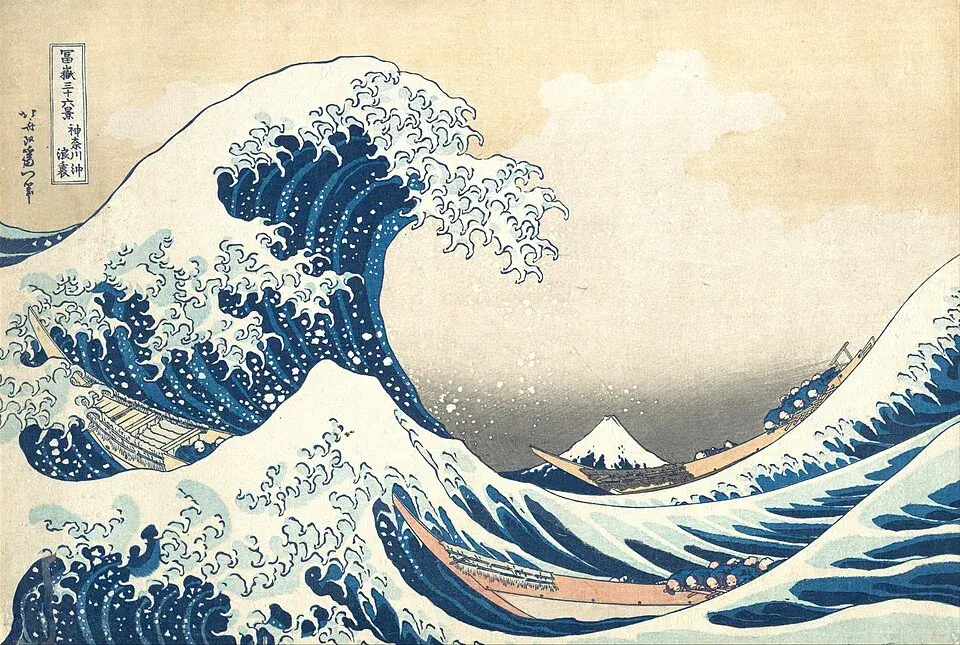
Letting Go of the Ground: Alan Watts' "The Wisdom of Insecurity"
Alan Watts' The Wisdom of Insecurity: why the search for security makes us anxious, the self as process and living fully in the present.

A Restless Heart: Reflections on Augustine's "Confessions"
Augustine's Confessions, written around 400 CE, is often called the first true autobiography, and reading it I understood why.
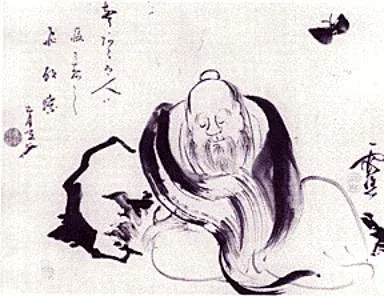
The Butterfly Dream: Freedom and Flow in Zhuangzi
If the Tao Te Ching is the calm, aphoristic face of Taoism, Zhuangzi is its laughing, mischievous one.
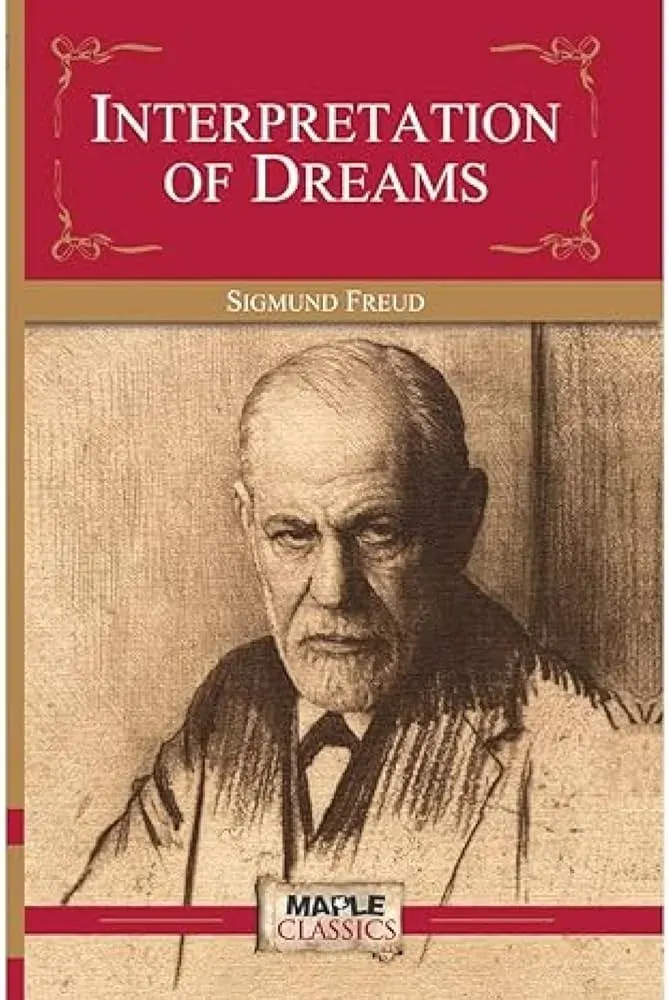
Unlocking the Depths of the Mind: Lessons from Freud's "The Interpretation of Dreams"
Lessons from Freud's The Interpretation of Dreams: the unconscious, dreams as wish fulfillment, symbolism and dream work, and their lasting influence.

Knowing the Self, Knowing the Divine: Al-Ghazali's "The Alchemy of Happiness"
Al-Ghazali is one of the towering figures of Islamic thought, a jurist and theologian so influential he was called the Proof of Islam.
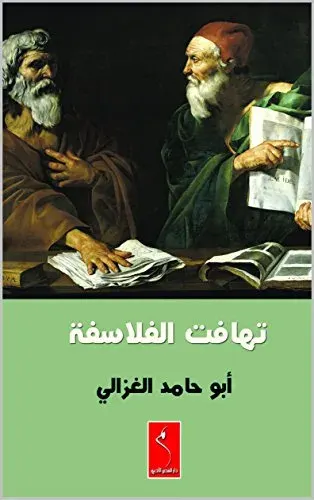
Unveiling the Wisdom of "The Incoherence of the Philosophers"
In the realm of philosophical discourse, few works stand as towering monuments of intellectual inquiry like "The Incoherence of the Philosophers".

Staring Into the Abyss: Tolstoy's "A Confession" and the Search for Faith
When Leo Tolstoy wrote A Confession, he had everything a person could want.
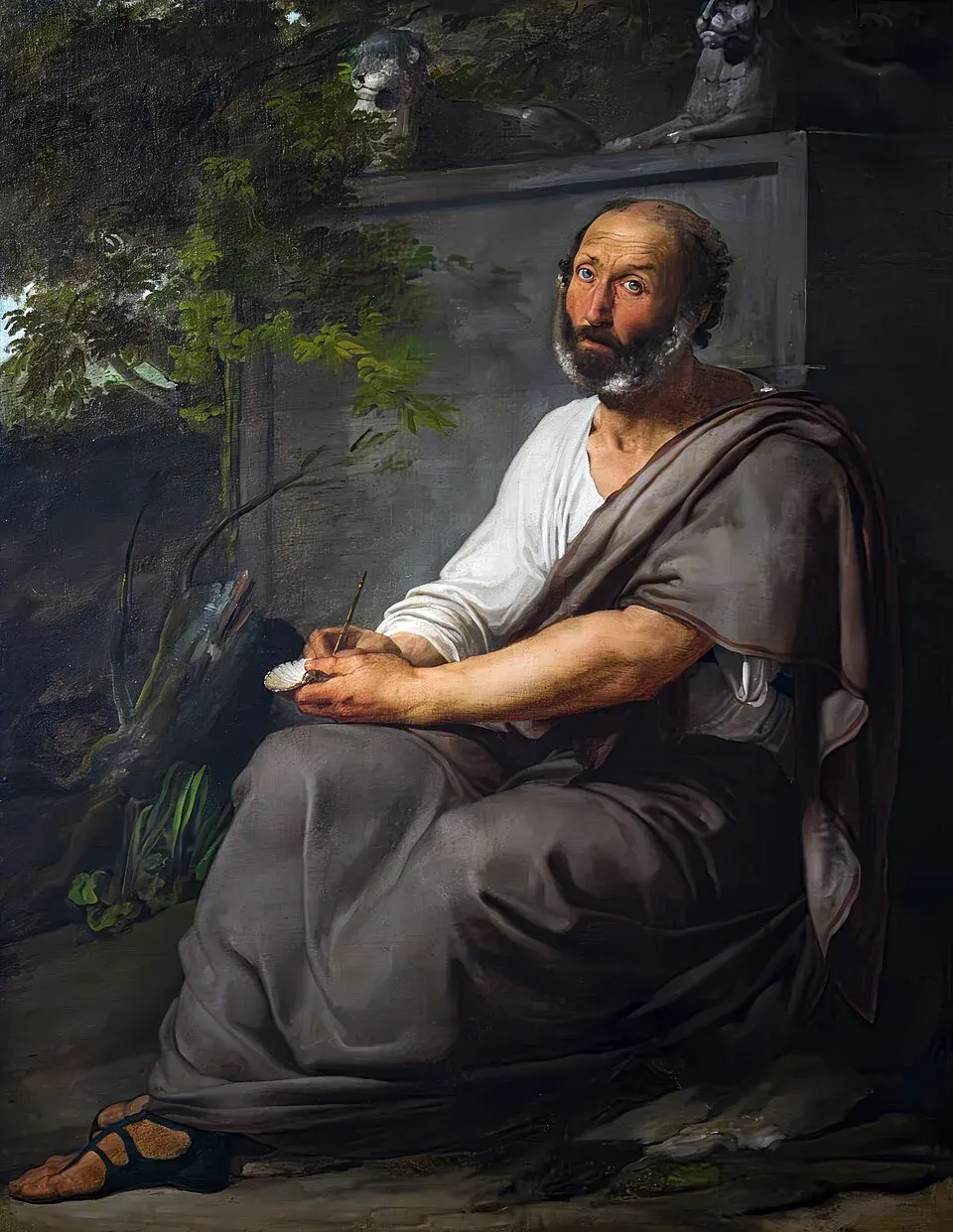
Man, the Political Animal: Insights from Aristotle's "Politics"
Having read Aristotle's ethics, I turned to his Politics expecting a change of subject.
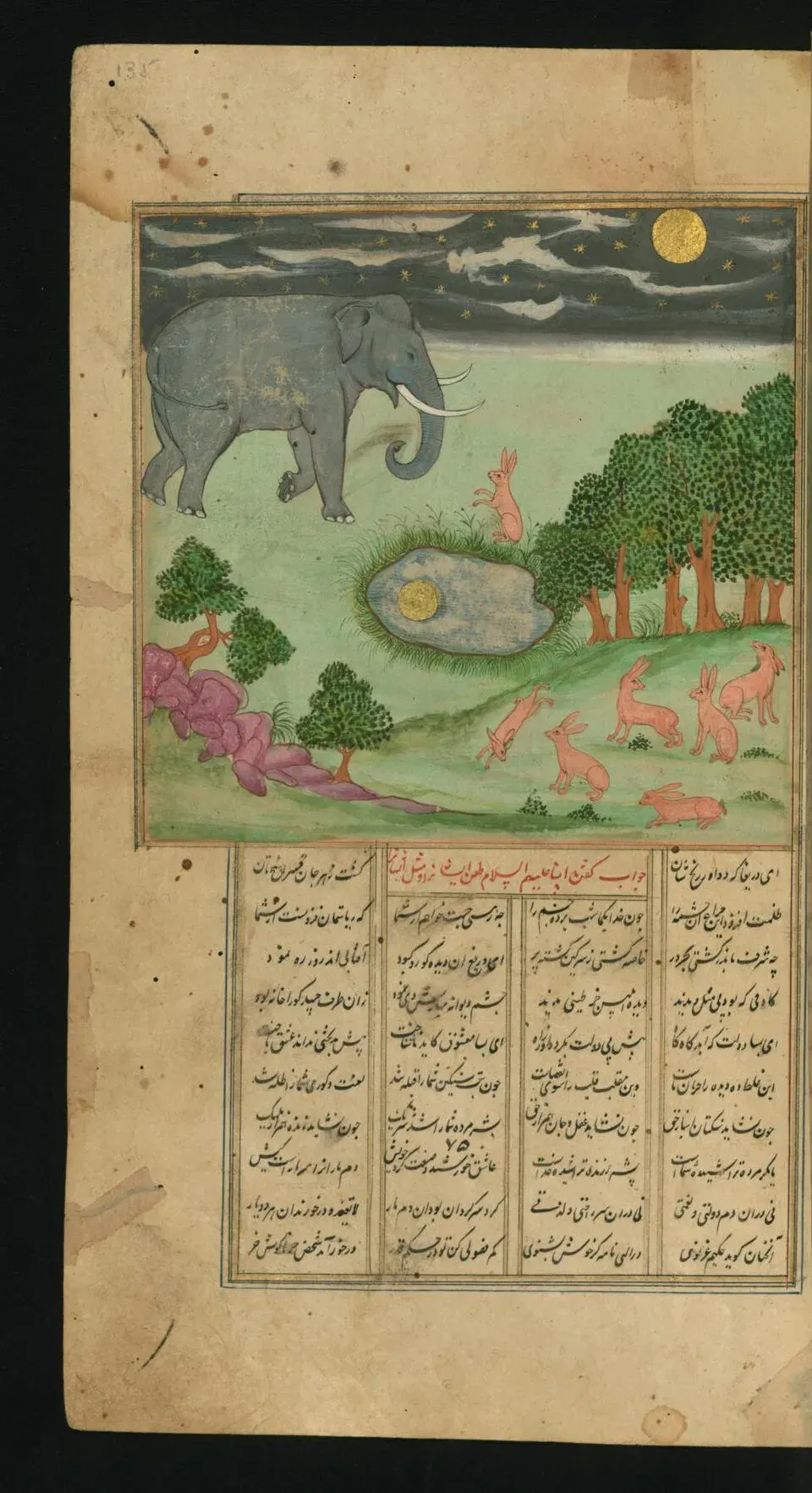
The Lover's Religion: Reflections on the Poetry of Rumi
There is a reason Rumi, a thirteenth-century Persian mystic and jurist, is one of the best-selling poets in the modern world.
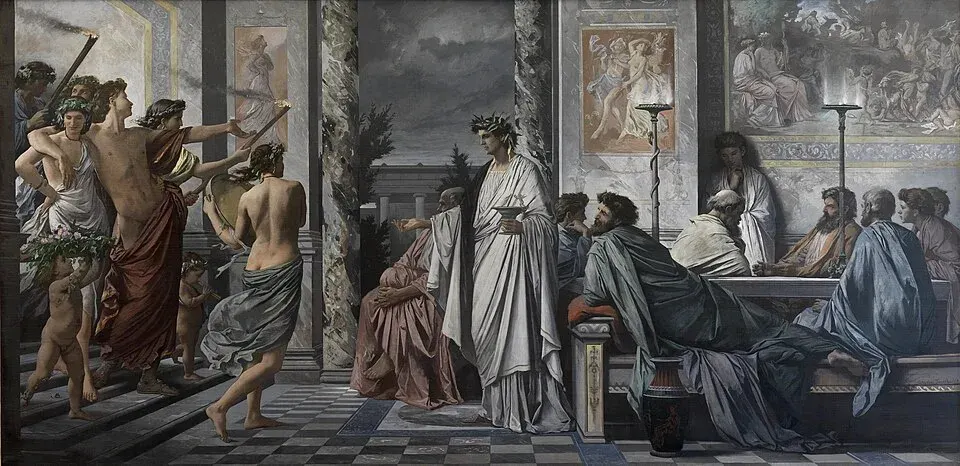
The Ladder of Love: Exploring Plato's "Symposium"
Plato's Symposium explained: Aristophanes' myth of our other half, love born of lack and the ladder of love rising toward Beauty itself.

Desire, Faith, and the Mind: A Critical Look at "Think and Grow Rich"
A critical look at Napoleon Hill's Think and Grow Rich: what holds up (definite goals, persistence) and what is magical thinking.

The Wheel of Fortune: Boethius and the Consolation of Philosophy
Boethius wrote The Consolation of Philosophy in a prison cell, awaiting execution on charges he believed were false.

Cultivating Our Garden: Satire and Survival in Voltaire's "Candide"
Voltaire's Candide is short, fast, and very funny, which makes it easy to underestimate.
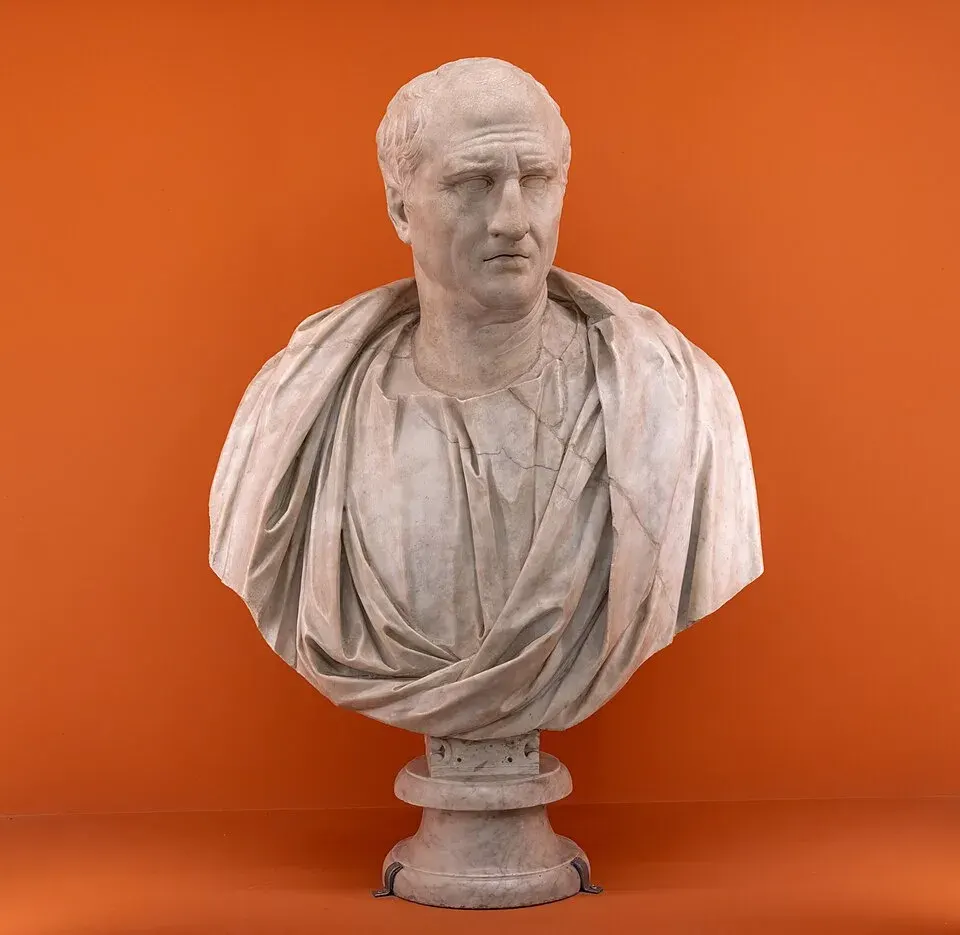
On Duty and Friendship: The Quiet Wisdom of Cicero
Cicero was not an original philosopher in the way Plato or Aristotle were, and he knew it.
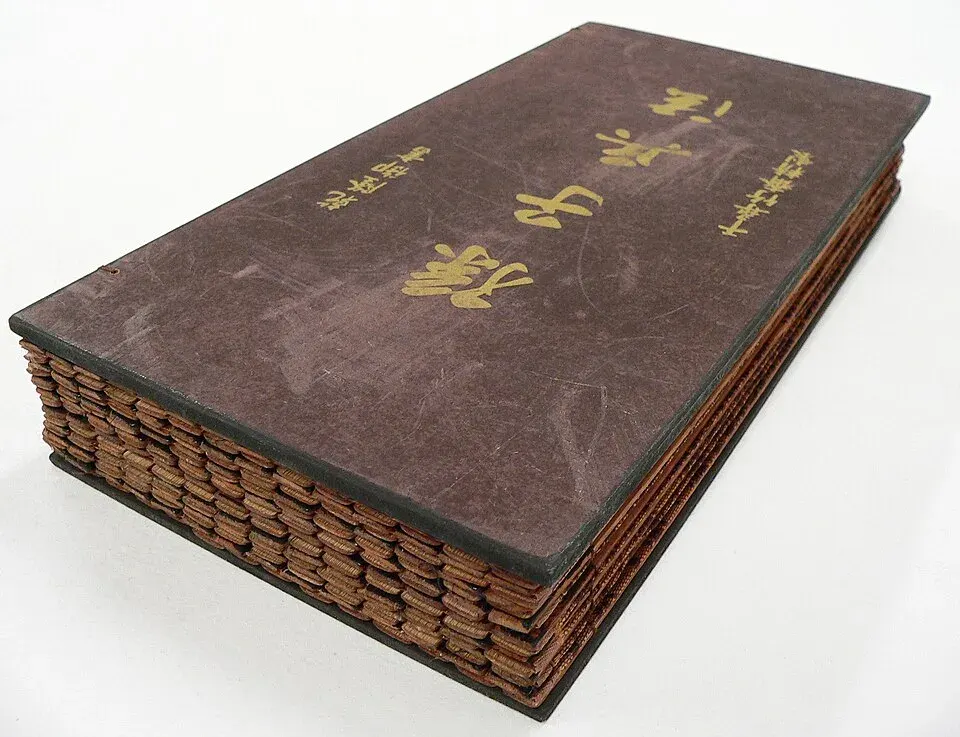
Winning Without Fighting: Strategy and Self-Knowledge in Sun Tzu's "The Art of War"
Sun Tzu's The Art of War beyond the battlefield: winning without fighting, knowing yourself and your opponent and victory decided before battle.
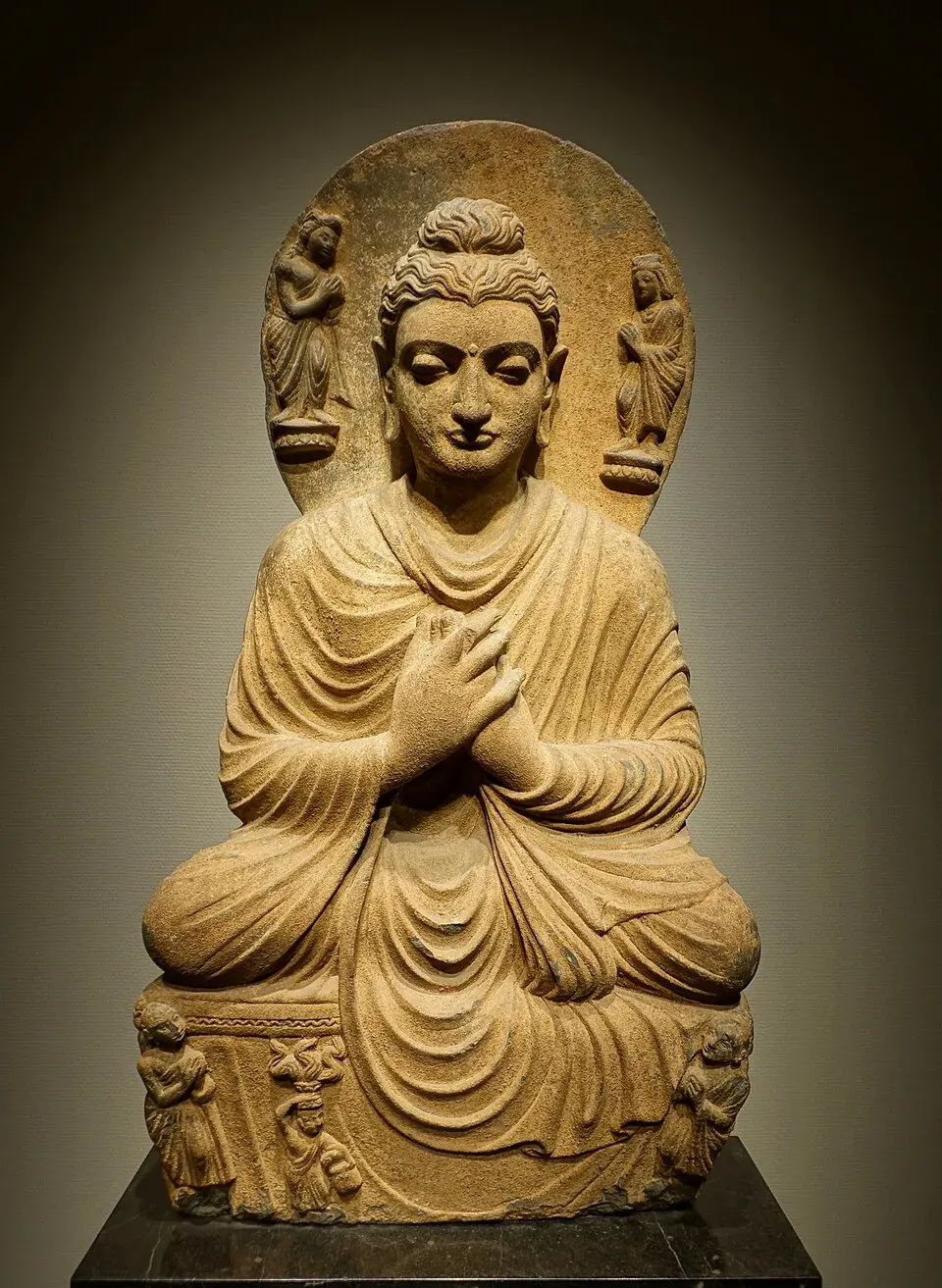
The Path of the Calm Mind: Walking Through the "Dhammapada"
Lessons from the Dhammapada: the mind shapes experience, hatred ends only through love, craving causes suffering and self-mastery is the greatest victory.

You Are What You Think: Lessons from James Allen's "As a Man Thinketh"
James Allen's As a Man Thinketh is tiny, a little essay you can read in under an hour, written in 1903 in plain, almost biblical prose.

The Wolf and the Man Within: Reflections on Hesse's "Steppenwolf"
If Siddhartha is Hesse at his most serene, Steppenwolf is Hesse at his most tormented.

Everything Flows: The Riddling Wisdom of Heraclitus
Heraclitus explained: everything flows, the unity of opposites, the logos and character as destiny, the riddling wisdom of an ancient Greek.

Beyond Manipulation: What Dale Carnegie Really Teaches About People
What Dale Carnegie's How to Win Friends and Influence People really teaches: genuine interest, appreciation and empathy, not manipulation.
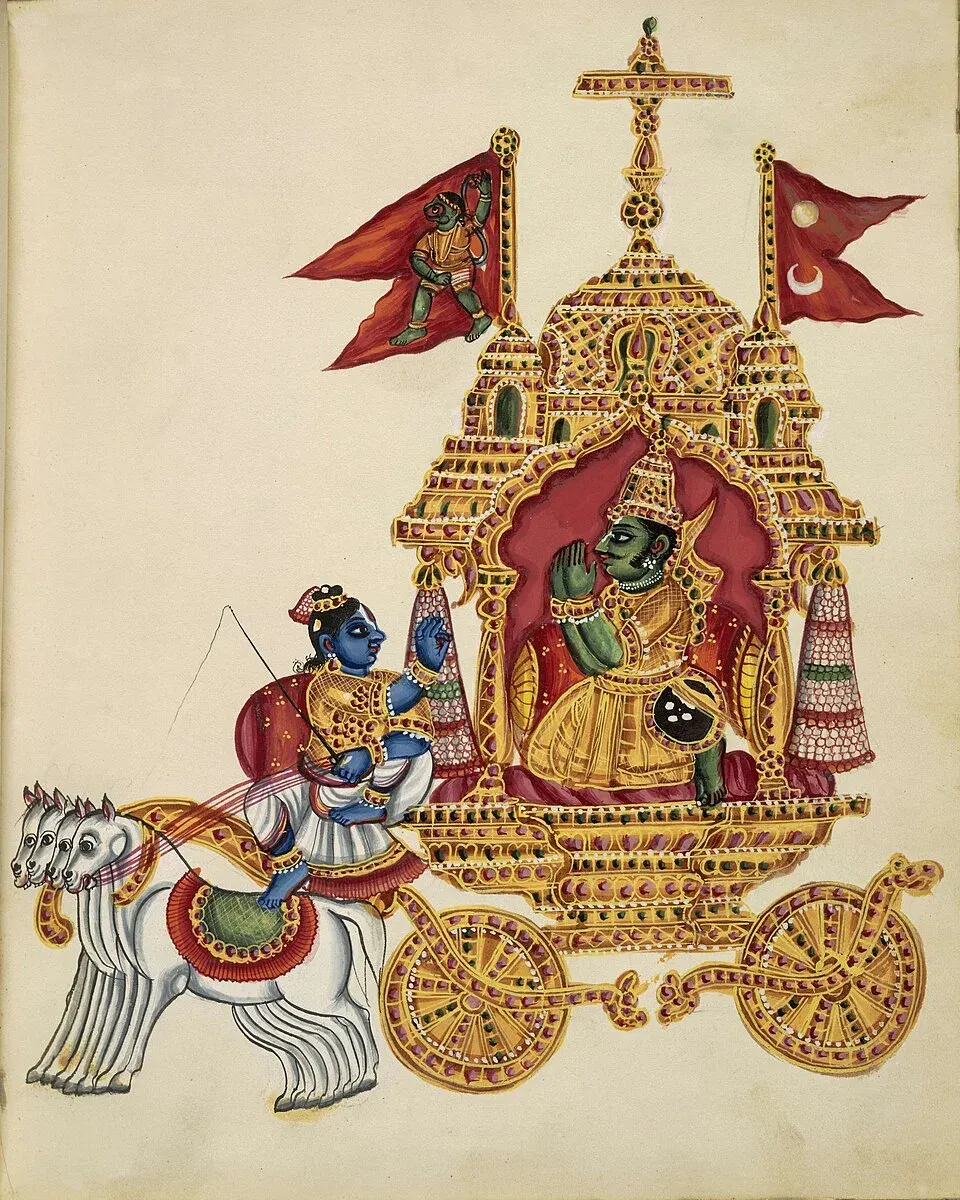
Duty Without Attachment: Lessons from the "Bhagavad Gita"
Lessons from the Bhagavad Gita: act without attachment to results, why inaction is not an escape, and the many paths to the divine.