Winning Without Fighting: Strategy and Self-Knowledge in Sun Tzu's "The Art of War"
In one breath
Sun Tzu's The Art of War is less a manual of tactics than a philosophy of conflict. The supreme skill is to win without fighting; know yourself and your enemy and you need not fear a hundred battles; victory is decided by preparation before battle; and adapt like water, because conflict is costly.
On this page
I expected Sun Tzu’s The Art of War to be a bloody manual of tactics. Instead I found something closer to a philosophy of conflict, and through it, of life. Written in China some two and a half thousand years ago, it is brief, aphoristic, and far more concerned with avoiding battle than with fighting it. Its highest praise is reserved not for the general who wins a hundred victories, but for the one who achieves his aims without a single fight. That inversion, that the supreme skill is to win without fighting, reframed the whole book for me and made its wisdom surprisingly relevant far from any battlefield.
Here is what Sun Tzu taught me about self-knowledge, about choosing your battles, and about winning before the contest even begins.
Key takeaways
- The supreme excellence is to win without fighting, by strategy rather than slaughter.
- “Know yourself and know your enemy” and you need not fear a hundred battles.
- Victory is decided before the battle, by preparation and position, not by chance in the moment.
- Adapt like water, shaping your approach to the terrain rather than forcing a fixed plan.
- Conflict is costly, so the wise avoid it whenever the goal can be reached another way.
Winning without fighting
Sun Tzu’s most famous principle turns the glory of war on its head. To win one hundred victories in one hundred battles is not the height of skill, he writes; to subdue the enemy without fighting is the height of skill. War is expensive, ruinous, and uncertain; the truly excellent commander achieves his ends through foresight, diplomacy, and position, so that the fight becomes unnecessary. I find this a deeply mature idea. Most of us, in arguments and ambitions alike, are eager to prove ourselves by winning the confrontation. Sun Tzu suggests the higher art is to arrange things so that the confrontation never needs to happen.
Know yourself, know the other
The single line everyone quotes is also the most useful: if you know the enemy and know yourself, you need not fear the result of a hundred battles. If you know yourself but not the enemy, you will win some and lose some. If you know neither, you will lose every time. What strikes me is that he puts self-knowledge first and treats it as the harder half. We tend to obsess over the opponent, the rival, the obstacle, while remaining strangers to our own strengths, weaknesses, and blind spots. Sun Tzu’s counsel applies far beyond combat: clear-eyed knowledge of yourself is the foundation on which every wise decision rests.
The battle is won before it begins
A recurring theme is that the outcome is mostly decided in advance, by preparation, intelligence, timing, and position, long before the first move. The skilled warrior, Sun Tzu says, positions himself so that victory is already certain, and only then engages; the loser rushes into the fight and hopes to win it through effort in the moment. This is a profound shift of attention from heroics to homework. So much of what looks like brilliance under pressure is really the result of quiet, unglamorous preparation done beforehand. Sun Tzu would have me spend less energy on dramatic last stands and more on setting things up so the dramatic moment never arrives.
What I’m taking with me
Read as philosophy rather than warfare, The Art of War is a meditation on conflict and how to rise above it. Its deepest lessons are about restraint: that real strength knows when not to strike, that self-knowledge matters more than raw force, and that the wise win quietly, through preparation, rather than loudly, through struggle. The habit I am keeping is to ask, before any contest, whether it is worth fighting at all, and if it is, to win it beforehand through understanding rather than in the moment through force.
Frequently asked questions
Is The Art of War only about military strategy?
No. Although written for war, its principles about strategy, self-knowledge, preparation, and avoiding needless conflict are widely applied to business, leadership, sport, and everyday life.
What is Sun Tzu’s most famous teaching?
That the supreme art of war is to subdue the enemy without fighting, and that knowing both yourself and your opponent is the key to never being defeated.
Why is it still read today?
Because its insights into conflict, strategy, and human nature are timeless and concise, making it valuable to anyone who must compete, negotiate, or lead.
References & further reading
- Sun Tzu. The Art of War. (Translated by Lionel Giles, 1910; or Samuel B. Griffith, Oxford University Press, 1963.)
- Griffith, Samuel B. Sun Tzu: The Art of War (introduction and commentary). Oxford University Press, 1963.
- Cleary, Thomas. The Art of War. Shambhala, 1988.
Watch: others on this book


Read along with me
Book notes, philosophy and the ideas that shape how we build. New essays every month, no spam.
Related reading notes
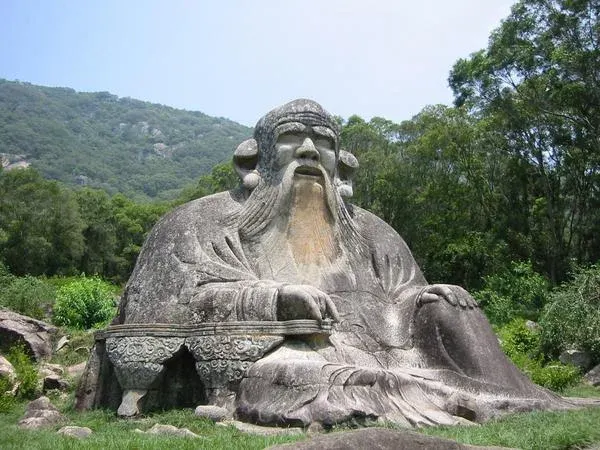
The Way That Cannot Be Named: Exploring Lao Tzu's "Tao Te Ching"
The very first line of the Tao Te Ching tells you that the book is about to fail on purpose: the Tao that can be spoken is not the eternal Tao.
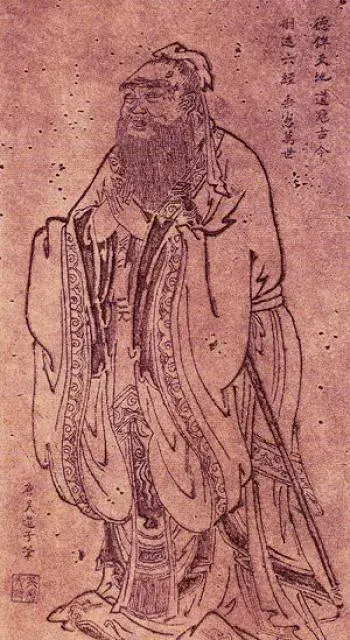
The Art of Becoming Human: Reflections on Confucius' "Analects"
Lessons from Confucius' Analects: ren (humaneness), the Golden Rule, why ritual and courtesy matter and the junzi, the person of noble character.
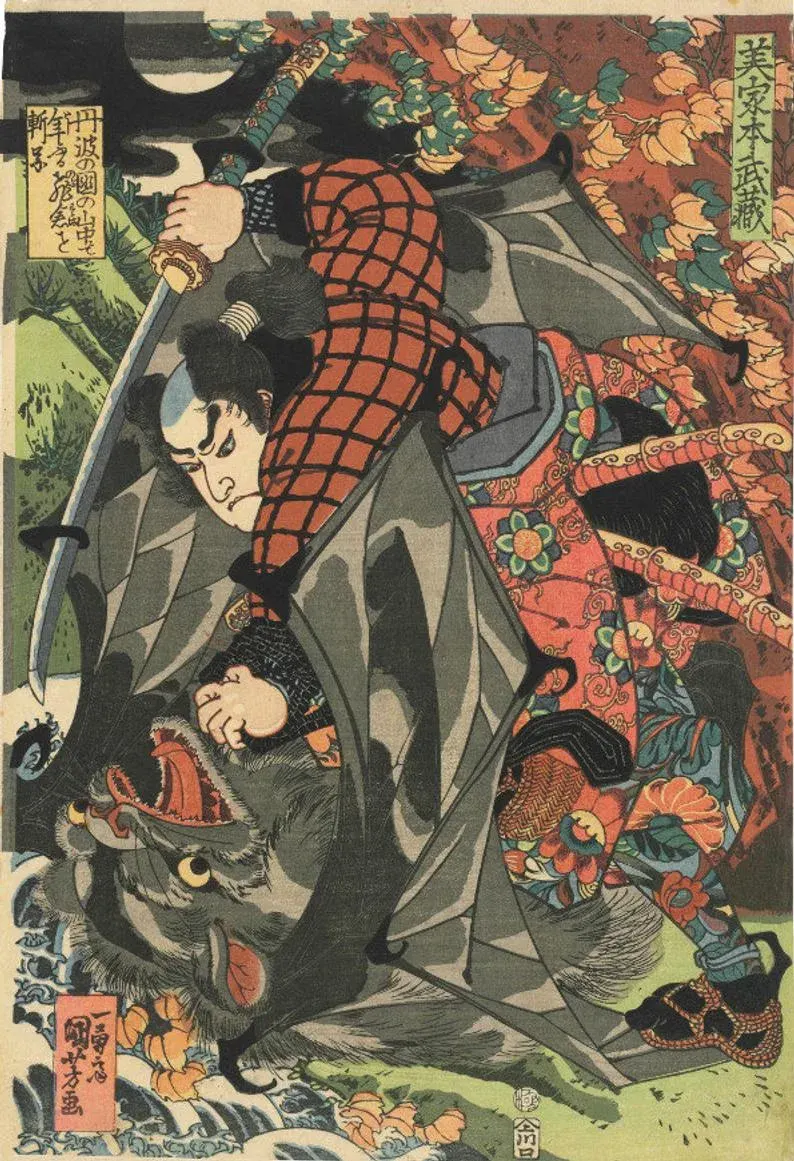
The Way of the Sword and the Self: Musashi's "The Book of Five Rings"
Musashi's The Book of Five Rings: the Way of mastery, clear perception, the five rings of Earth, Water, Fire, Wind and Void and lessons beyond combat.
Comments
No comments yet. Start the conversation.