The Way of the Sword and the Self: Musashi's "The Book of Five Rings"
In one breath
Miyamoto Musashi, Japan's legendary undefeated swordsman, wrote The Book of Five Rings in a cave at the end of his life. Its five scrolls, Earth, Water, Fire, Wind and Void, teach a Way of mastery for any pursuit: see the whole situation, master the fundamentals, stay calm and adaptable and act with intuitive clarity.
On this page
Miyamoto Musashi was the most famous swordsman in Japanese history, reputedly undefeated in more than sixty duels, and at the end of his life he retired to a cave to write The Book of Five Rings, a treatise on strategy, swordsmanship, and the way of the warrior. Like Sun Tzu’s Art of War, it is ostensibly about combat but turns out to be about far more, about discipline, perception, mastery, and the cultivation of the self. Organised into five “rings” or scrolls, Earth, Water, Fire, Wind, and Void, it distills a lifetime of hard-won wisdom from a man who lived, literally, by the edge of his understanding. Its lessons reach far beyond the dojo, into any pursuit of excellence.
Here is what The Book of Five Rings taught me about the way as a path to mastery, about perceiving clearly, and about the discipline that frees.
Key takeaways
- The “Way” is a lifelong path of disciplined mastery, applicable to any pursuit.
- True perception sees the whole situation, not just the obvious surface.
- Master the fundamentals so deeply they become second nature.
- Calm and adaptability matter more than force.
- The “Void”: the highest stage, acting with effortless, intuitive clarity.
The Way of mastery
Central to Musashi’s teaching is the idea of the “Way” (do), the disciplined, lifelong path toward mastery. For Musashi, swordsmanship was not just a skill but a Way, a total discipline of body, mind, and spirit pursued over a whole lifetime, demanding endless practice, self-examination, and refinement. And crucially, he insists that the principles of the Way are universal: what he learned through the sword applies to any craft, any art, any serious pursuit of excellence. The carpenter, the merchant, the artist, the warrior, all follow a Way, and the deep principles of mastery are the same across them. This is why the book has been read by so many beyond the martial arts. Musashi is really teaching how to pursue genuine mastery of anything, through total commitment, relentless practice, and the integration of skill into the whole self.
Perceiving clearly
A recurring theme is the importance of true perception, of seeing the whole situation clearly rather than being captured by its surface. Musashi distinguishes between “observation” and “perception,” and insists that the master must perceive deeply, taking in the entire context, the opponent’s intention, the rhythm of the encounter, the things not immediately obvious, rather than fixating narrowly on the surface. He warns against being deceived by appearances, against tunnel vision, against reacting to what seems to be happening rather than what truly is. This deep, wide, clear perception is itself a discipline, cultivated through long practice until one can take in the whole at a glance. The lesson reaches far beyond combat. In any difficult situation, the ability to see clearly and wholly, past the distracting surface to the real dynamics underneath, is the foundation of wise action. We act badly mostly because we see partially.
Discipline and the Void
Musashi’s path of mastery moves from rigorous discipline toward a kind of freedom. In the early stages, the warrior must master the fundamentals through relentless, conscious practice, until the techniques become second nature, ingrained so deeply that they no longer require thought. And the highest stage, which Musashi names in the scroll of the “Void” (ku), is when this mastery becomes effortless and intuitive: the warrior acts with perfect, spontaneous clarity, without deliberation, without ego, in complete harmony with the situation. The Void is not emptiness in a negative sense but a state of pure, unobstructed awareness and action, where the long discipline has dissolved into freedom. This is the same paradox I have met in Zen and Taoism: that the deepest discipline leads not to rigidity but to a liberated, effortless naturalness. The years of constraint are what finally make true freedom possible. One masters the form so completely that one can, at last, forget it.
What I’m taking with me
The Book of Five Rings is a lean, hard, profound book, the testament of a man who pursued mastery to its very limit. What I am taking from Musashi is the idea of the Way as a universal path of lifelong, disciplined mastery applicable to any pursuit; the emphasis on true perception, seeing the whole situation clearly past its surface; and the movement from rigorous discipline toward the effortless freedom of the Void. The deepest lesson is one I keep meeting in different traditions and trust more each time: that mastery is not the enemy of freedom but its precondition, that we must master the fundamentals so completely that they become second nature, and that only then can we act with the calm, intuitive clarity Musashi spent his life pursuing.
Frequently asked questions
What is The Book of Five Rings about?
It is a treatise on strategy, swordsmanship, and the way of the warrior written by the legendary Japanese swordsman Miyamoto Musashi, organized into five scrolls, whose lessons on discipline, perception, and mastery apply far beyond combat.
What are the five “rings”?
The five scrolls of the book: Earth (the overview), Water (technique and adaptability), Fire (combat and decisiveness), Wind (other schools and their flaws), and Void (the highest, intuitive state of mastery).
What is the “Void” in Musashi?
The highest stage of mastery: a state of pure, unobstructed awareness in which long discipline has become effortless and intuitive, so one acts with spontaneous clarity, free of deliberation and ego.
References & further reading
- Musashi, Miyamoto. The Book of Five Rings. (c. 1645; translated by Victor Harris, 1974, or Thomas Cleary, 1993.)
- Wilson, William Scott. The Lone Samurai: The Life of Miyamoto Musashi. Kodansha, 2004.
- Sun Tzu. The Art of War. (Translated by Samuel B. Griffith, Oxford University Press, 1963.)
Watch: others on this book


Read along with me
Book notes, philosophy and the ideas that shape how we build. New essays every month, no spam.
Related reading notes
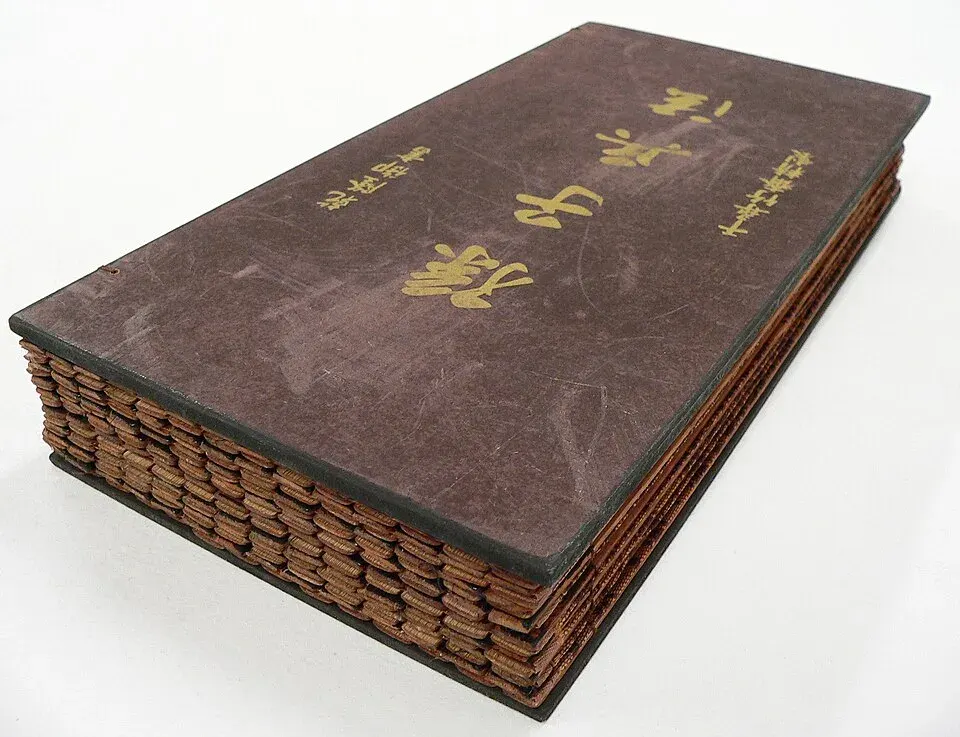
Winning Without Fighting: Strategy and Self-Knowledge in Sun Tzu's "The Art of War"
Sun Tzu's The Art of War beyond the battlefield: winning without fighting, knowing yourself and your opponent and victory decided before battle.
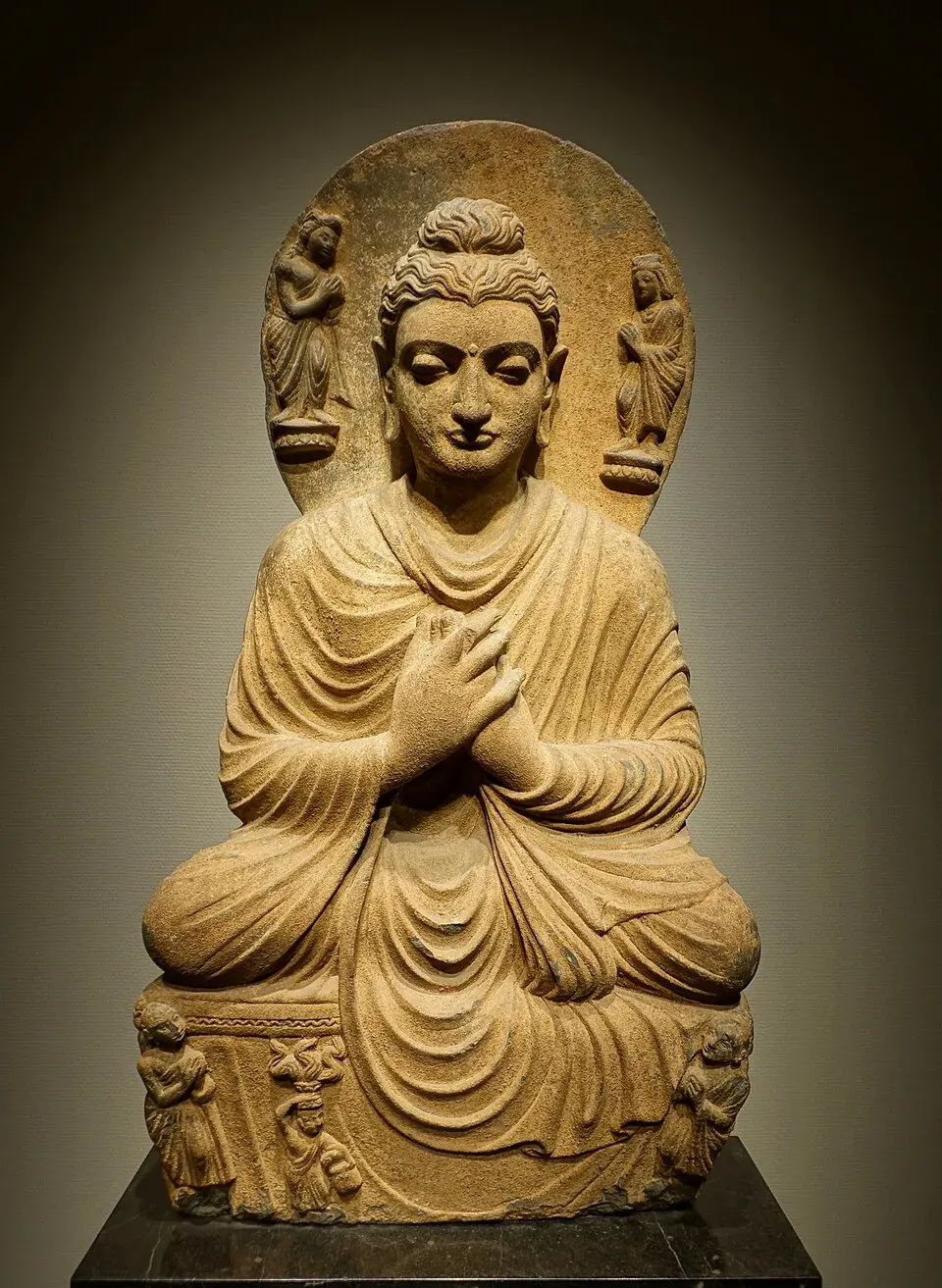
The Path of the Calm Mind: Walking Through the "Dhammapada"
Lessons from the Dhammapada: the mind shapes experience, hatred ends only through love, craving causes suffering and self-mastery is the greatest victory.
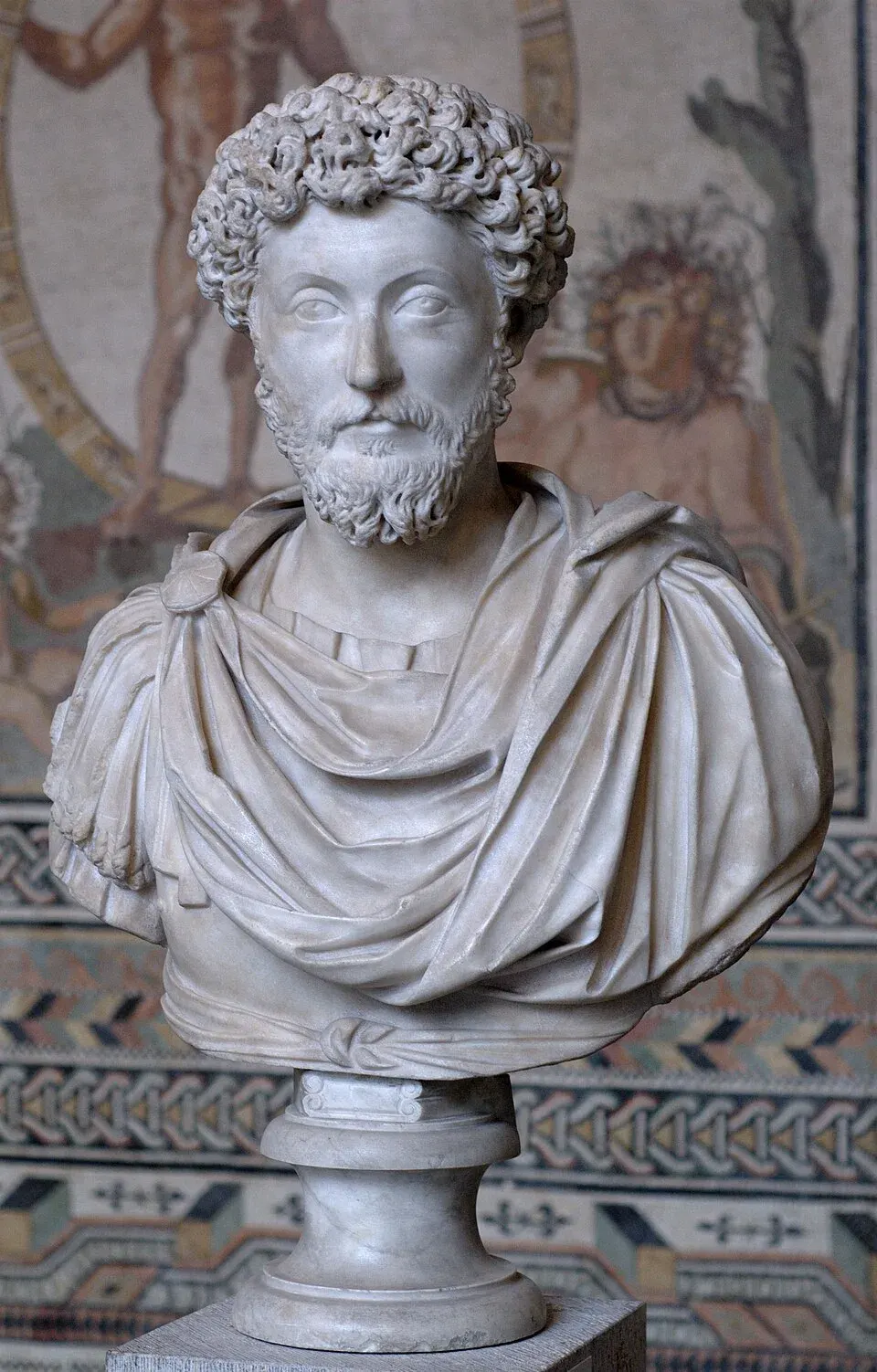
Meditations on the Inner Citadel: What Marcus Aurelius Taught Me About Self-Mastery
There is something almost unbearably intimate about reading Meditations by Marcus Aurelius.
Comments
No comments yet. Start the conversation.