Meditations on the Inner Citadel: What Marcus Aurelius Taught Me About Self-Mastery
In one breath
Marcus Aurelius' Meditations is the private notebook of a Roman emperor reminding himself how to be good and calm. Its core is a Stoic distinction: we don't control events, only our judgments of them. Guarding that inner citadel and remembering death clarify what truly matters.
On this page
There is something almost unbearably intimate about reading Meditations by Marcus Aurelius. This is not a book he wrote for us. It was never meant to be published. It is the private notebook of a man who happened to rule the largest empire on earth, written at night, in army camps along the Danube, reminding himself, over and over, how to be good, how to be calm, and how to die without bitterness. When I closed it, I felt less like I had read a philosophy book and more like I had overheard a wise man talking himself through the hardest parts of being alive.
What follows are my reflections on what Meditations taught me about self-mastery, about the Stoic idea of the “inner citadel,” and about the strange freedom that comes from drawing a clear line between what we control and what we do not.
Key takeaways
- You don’t control events, only your judgments about them. This single distinction is the engine of the whole book.
- The “inner citadel” is a fortress no one can storm: your own ruling mind, which stays free as long as you guard your reactions.
- Memento mori is not morbid, it is clarifying. Remembering death is how Marcus filters the trivial from the essential.
- Virtue is the only thing fully in your power, so it is the only thing worth staking your peace on.
- Philosophy, for Marcus, is a daily practice, not a theory. It is closer to training than to argument.
A philosophy written by hand, for an audience of one
Most philosophy reaches us polished, argued, and addressed to the world. Meditations reaches us by accident. Marcus Aurelius (121 to 180 CE) titled his notes, in Greek, simply Ta eis heauton, meaning “to himself.” That changes how you read every line. He is not trying to convince me of Stoicism; he already believes it. He is trying to remember it, because he keeps forgetting, just like I do. The repetition that some readers find tedious is, to me, the most human thing about the book. We do not master ourselves once. We master ourselves again every morning.
The one distinction that changes everything
At the center of Stoicism, and of this book, is a deceptively simple cut: some things are “up to us” and some are not. Our opinions, intentions, and desires are ours. Our reputation, our health, the behaviour of other people, and the outcome of our efforts are not, not fully. Marcus returns to this constantly, and the more I sat with it, the more radical it became.
“You have power over your mind, not outside events. Realize this, and you will find strength.”
At first this can sound like resignation. It is the opposite. When I stop spending my energy on what I cannot move, all of that energy returns to the one place where it actually works: my own response. The traffic, the rude email, the project that failed despite my best work, these were never mine to command. But the meaning I assign them, and what I do next, always was.
The inner citadel
The image I keep from this book is the inner citadel, the phrase the scholar Pierre Hadot used to describe Marcus’ ruling faculty, the hegemonikon. Empires can be invaded. Bodies can be imprisoned. Fortunes collapse. But there is an innermost keep, the seat of judgment, that no external force can enter without our permission. Marcus, who could have anything, discovered that the only secure possession is the freedom to choose his own attitude. A man with absolute power concluded that real power is internal. I find that quietly astonishing.
Remembering death in order to live
Marcus is unflinching about mortality. He reminds himself that Alexander the Great and his stable boy were leveled by the same death, and that we live only in the present moment, which is all anyone can ever lose. This is the Stoic memento mori, and it is not gloom. It is a lens for focus. When I genuinely accept that my time is finite, the petty grievances I was nursing lose their grip. Death, held in view, is a ruthless editor of what matters.
What I’m taking with me
I came to Meditations expecting cold logic and found something warmer: a tired, decent man trying to stay decent under enormous pressure. The lesson I am keeping is not a doctrine but a habit. I want to begin each day by asking what is actually in my hands today, and to spend myself only there. Everything else I can meet with what Marcus called a “well-ordered mind.” I will forget this by tomorrow afternoon. And then, like him, I will remind myself again.
Frequently asked questions
What is the main idea of Marcus Aurelius’ Meditations?
That we cannot control external events, only our own judgments and actions, so a good life comes from mastering our reactions and living by virtue, rather than chasing outcomes we can’t command.
Is Meditations hard to read?
It is short and made of brief, standalone entries, so it is approachable. Its challenge is repetition and depth, not difficulty. It rewards slow, returning reading more than a single pass.
What is the “inner citadel”?
A term for the ruling part of the mind that stays free no matter what happens outside it. Guarding it, meaning your judgments and intentions, is, for the Stoics, the source of lasting calm and strength.
References & further reading
- Marcus Aurelius. Meditations. (Recommended translations: Gregory Hays, Modern Library, 2002; or Maxwell Staniforth, Penguin Classics, 1964.)
- Hadot, Pierre. The Inner Citadel: The Meditations of Marcus Aurelius. Harvard University Press, 1998.
- Hadot, Pierre. Philosophy as a Way of Life. Blackwell, 1995.
- Epictetus. The Enchiridion, the handbook that shaped Marcus’ thought.
- Long, A. A. Epictetus: A Stoic and Socratic Guide to Life. Oxford University Press, 2002.
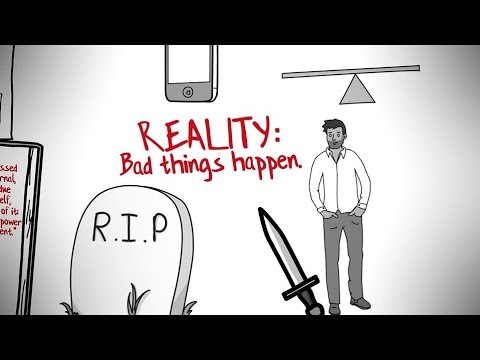
Watch: others on this book

Read along with me
Book notes, philosophy and the ideas that shape how we build. New essays every month, no spam.
Related reading notes
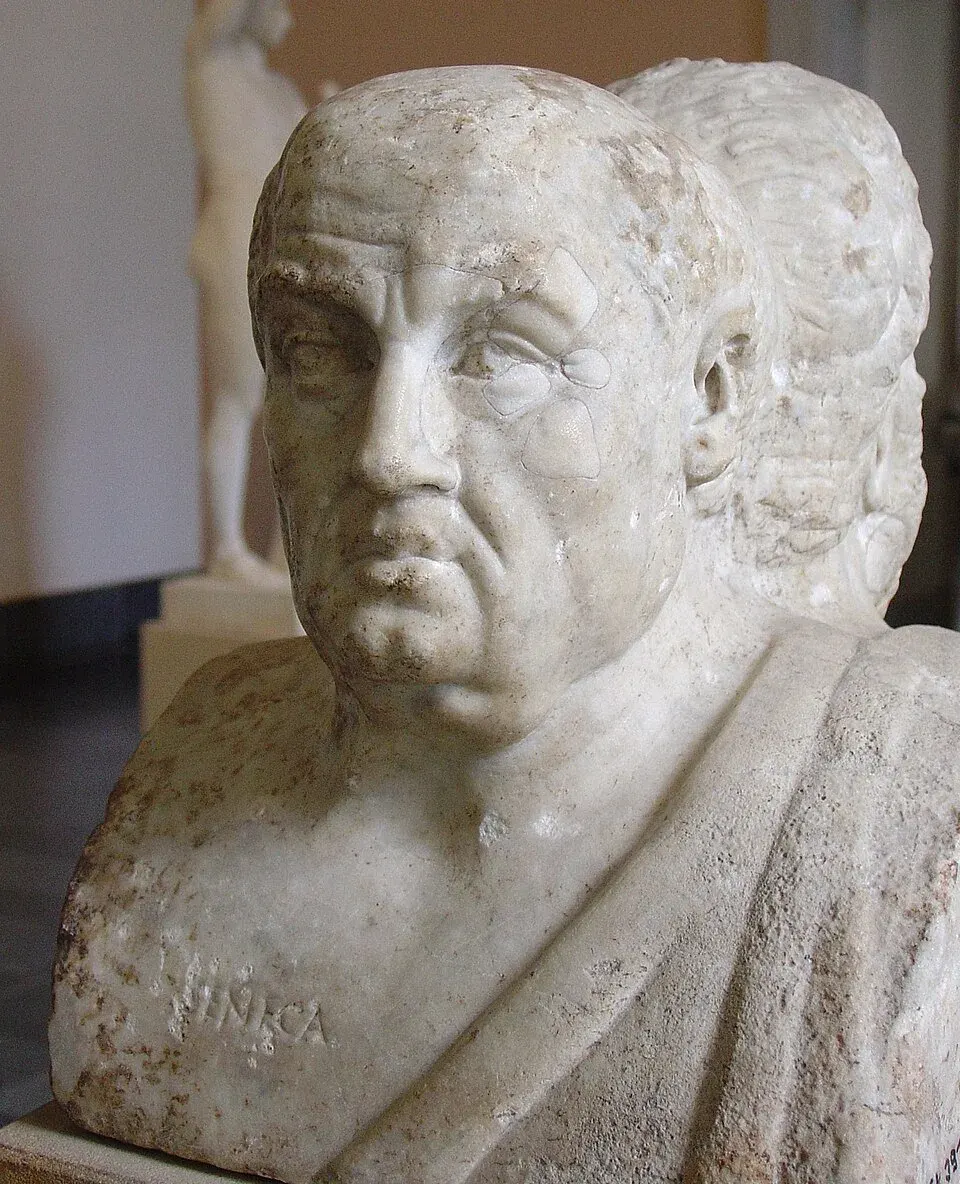
On Borrowed Time: Lessons from Seneca's "Letters from a Stoic"
Lessons from Seneca's Letters from a Stoic: how we waste time, rehearsing hardship, deciding what is enough and philosophy as daily medicine.
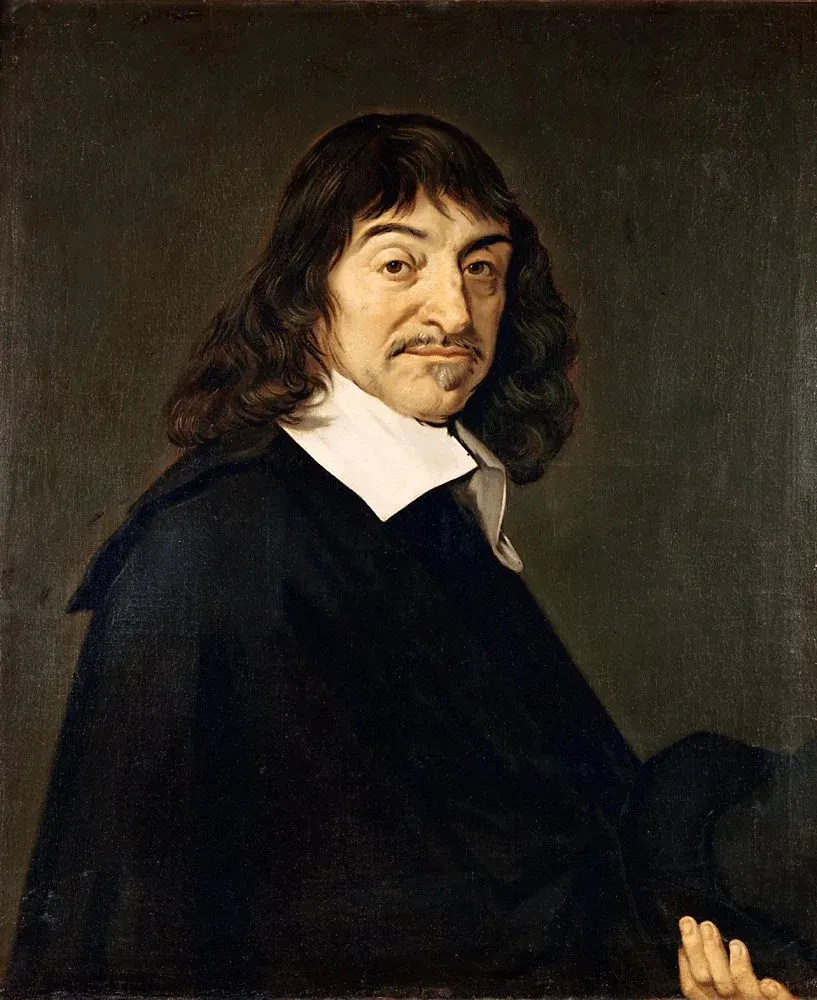
I Think, Therefore I Am: Descartes and the Search for Certainty
With Descartes, philosophy turns a corner, and you can feel it happening inside his Meditations on First Philosophy.
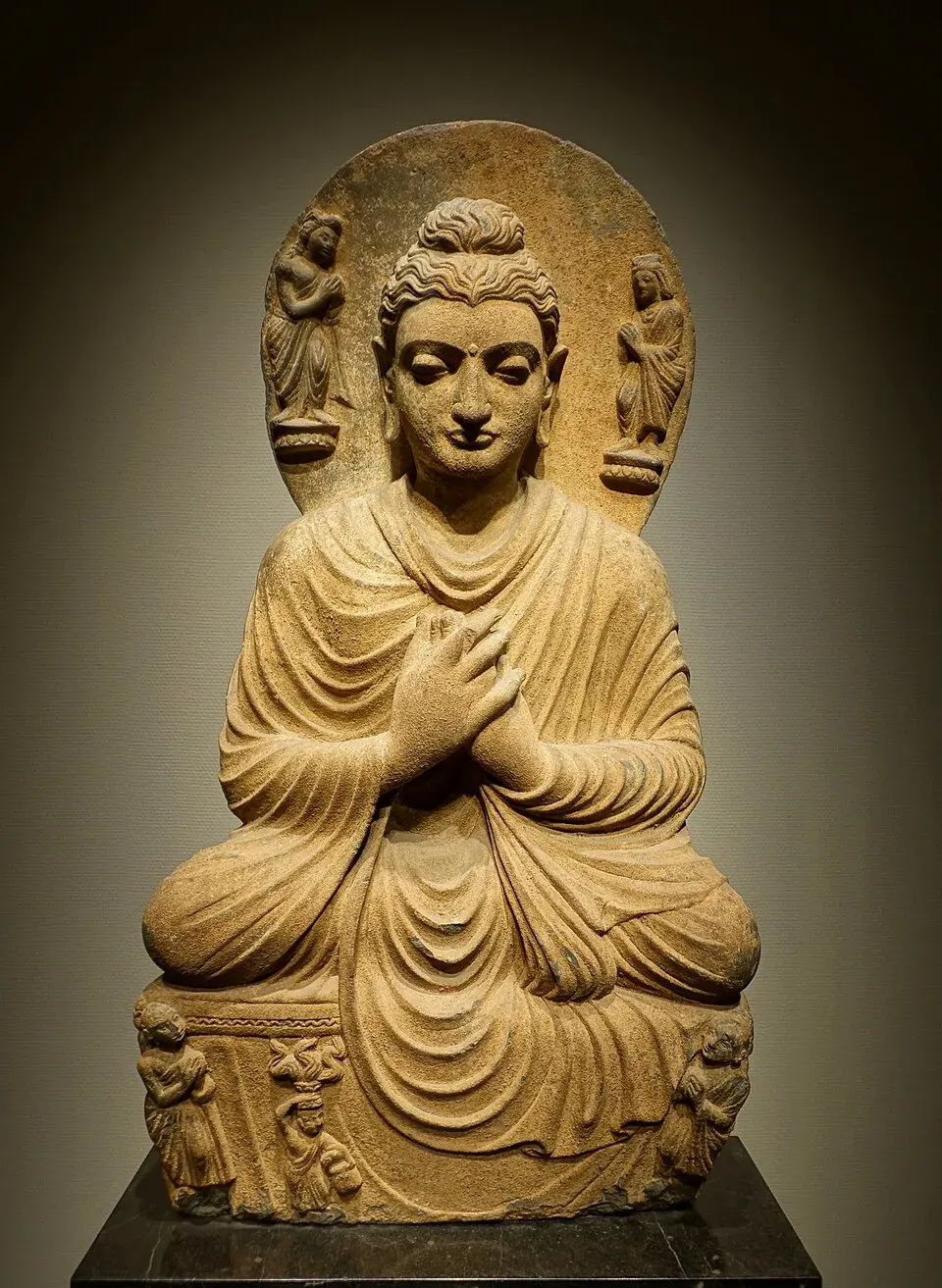
The Path of the Calm Mind: Walking Through the "Dhammapada"
Lessons from the Dhammapada: the mind shapes experience, hatred ends only through love, craving causes suffering and self-mastery is the greatest victory.
Comments
No comments yet. Start the conversation.