On Borrowed Time: Lessons from Seneca's "Letters from a Stoic"
In one breath
Seneca's Letters from a Stoic, written to his young friend Lucilius, read like mail from a warm, blunt friend. Life is not short, we make it short by wasting time; rehearsing hardship disarms it; enough is a decision, not an amount; and philosophy is medicine to practise daily.
On this page
Reading Seneca’s Letters from a Stoic feels like getting mail from a friend who happens to be two thousand years older than you and somehow knows exactly what you are worrying about. These are real letters, written to a younger man named Lucilius, and they have none of the cold dryness I expected from “ancient philosophy.” Seneca is warm, funny, and blunt. He talks about money, illness, noisy neighbours, bad dinner parties, and above all about time, which he treats as the one possession we squander without ever noticing.
These are my reflections on what Seneca taught me about living on borrowed time, and why the Stoic answer to anxiety is not to feel less but to want differently.
Key takeaways
- We are not given a short life, we make it short by wasting it. Time is the only thing truly ours.
- Rehearse hardship in advance. Imagining loss in calm moments takes away its power to ambush us.
- It is not poverty but greed that makes us poor. Enough is a decision, not an amount.
- Philosophy is medicine for the soul, meant to be practised daily, not just admired.
- Living well, not living long, is the goal. A complete life can be a short one lived fully.
The thief we invite in
Seneca’s most famous theme is the shortness of life, and his diagnosis stings because it is so accurate. We act, he says, as though we will live forever. We give our time away to people we do not even like, to busyness, to status, to endless postponement, and then complain that life is brief. But life is long enough, he insists, if we knew how to use it. The problem is not the size of the loan but our carelessness in spending it. I read this and immediately thought of all the hours I let slip without choosing them. Seneca does not want me to panic. He wants me to pay attention.
Rehearsing the worst
The practice that has stayed with me most is what the Stoics called the premeditation of adversity. While things are calm, Seneca says, picture the losses that might come: illness, exile, the death of those you love, the collapse of your fortune. This sounds grim, but the purpose is the opposite of gloom. What ambushes us hurts twice, once by happening and once by surprise. By facing misfortune in imagination, we take away its shock and discover that we could, in fact, bear it. Fear shrinks when we look straight at the thing we are afraid of.
Enough is a decision
Seneca was enormously wealthy, which his critics never let him forget, and he knew the charge of hypocrisy well. His answer is honest: a Stoic need not throw away his possessions, but he must hold them loosely, ready to lose them without losing himself. Real poverty, he argues, is not having little but always wanting more. The richest person is the one who has decided that what they have is enough. In an age, his and mine, that runs on the manufacture of dissatisfaction, this is quietly radical.
What I’m taking with me
I came away from these letters feeling less lectured to than accompanied. Seneca does not pretend to be a finished sage; he writes as a fellow patient describing the medicine that helps. The habit I am keeping is small and daily: to treat my time as the thing it actually is, finite and unrepeatable, and to ask of each day not whether it was busy but whether it was mine. As he puts it, it is not that we have a short time to live, but that we waste much of it.
Frequently asked questions
What is Letters from a Stoic about?
It is a selection of Seneca’s letters to his friend Lucilius offering practical Stoic guidance on time, wealth, death, friendship, and how to keep an untroubled mind in a chaotic world.
What is Seneca’s main idea about time?
That life is long enough if we stop wasting it. We treat time as if it were limitless, give it away carelessly, and only then complain that life is short.
Is Seneca worth reading for beginners in Stoicism?
Yes. His letters are personal, concrete, and easy to read in small doses, which makes him one of the most approachable entry points into Stoic philosophy.
References & further reading
- Seneca. Letters from a Stoic. (Translated by Robin Campbell, Penguin Classics, 1969.)
- Seneca. On the Shortness of Life. (Penguin Great Ideas, 2004.)
- Hadot, Pierre. Philosophy as a Way of Life. Blackwell, 1995.
- Long, A. A., and D. N. Sedley. The Hellenistic Philosophers. Cambridge University Press, 1987.
Watch: others on this book


Read along with me
Book notes, philosophy and the ideas that shape how we build. New essays every month, no spam.
Related reading notes
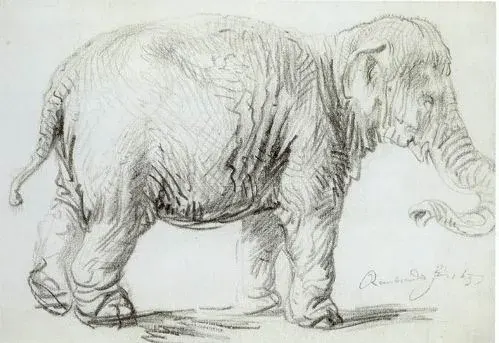
Ancient Wisdom Meets Modern Psychology: Haidt's "The Happiness Hypothesis"
Haidt's The Happiness Hypothesis tests ancient wisdom about happiness against modern psychology: the elephant and the rider, relationships and meaning.
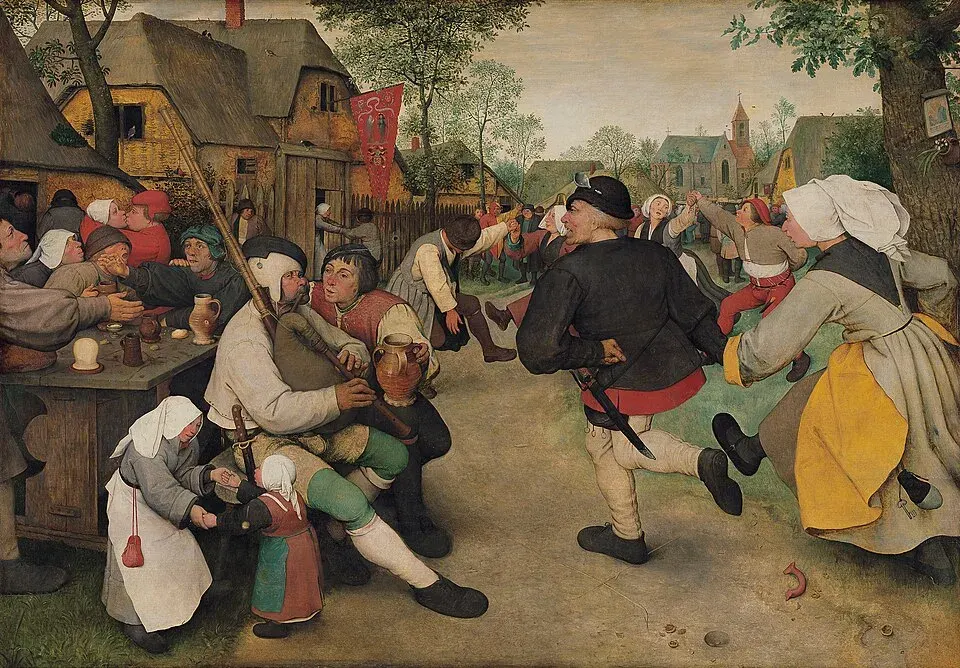
The Conquest of Happiness: Russell's Antidote to Modern Misery
Bertrand Russell's The Conquest of Happiness: why much unhappiness is self-made, and how zest, wide interests and affection lead outward to joy.
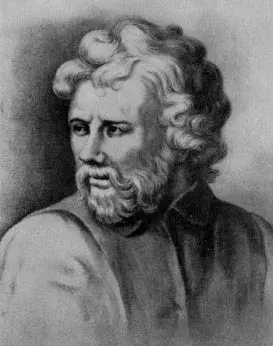
What Is and Isn't in Our Power: Lessons from Epictetus' "Enchiridion"
Lessons from Epictetus' Enchiridion: what is and isn't in our power, why opinions disturb us more than events and Stoic freedom as wanting what happens.
Comments
No comments yet. Start the conversation.