Man, the Political Animal: Insights from Aristotle's "Politics"
In one breath
For Aristotle, ethics and politics are one inquiry: the good life can only be lived in a good community. Man is by nature a political animal, the state exists for living well rather than mere survival, and a strong middle class anchors stability between the extremes of rich and poor.
On this page
Having read Aristotle’s ethics, I turned to his Politics expecting a change of subject. It is not. For Aristotle, ethics and politics are one continuous inquiry, because the good life he described for the individual can only be lived within a good community. His famous claim that man is by nature a political animal is not a comment on elections or parties. It is a claim about what kind of creature we are: beings who can only become fully human in the company of others, under shared laws, in a city. We are not solitary creatures who happen to live together. We are made for it.
Here is what the Politics taught me about why we need community, about the purpose of the state, and about the fragile conditions of a stable society.
Key takeaways
- Man is by nature a political animal; we flourish only within a community.
- The state exists for the good life, not merely for survival or trade.
- The middle class is the anchor of stability; extremes of rich and poor breed conflict.
- Constitutions can be good or corrupt, depending on whether rulers serve the common good.
- Politics is the study of how we live together well, the highest of the practical arts.
Why we cannot go it alone
Aristotle builds the city from the ground up, from households to villages to the polis, the city-state, which he sees as the natural completion of human community. Anyone who can live without a community, he says, is either a beast or a god, not a human being. We need others not only for protection and trade but for the very development of our nature, our language, our reason, our virtue, all of which are cultivated in common life. I find this a healthy corrective to the modern myth of the self-made individual. We are formed by the communities that raise us, and the question is never whether we belong to one but whether the one we belong to is good.
The purpose of the state
Aristotle insists that the city does not exist merely so that people can live, but so that they can live well. A community that secures safety and prosperity but produces no good human beings has failed at its real task. This sets a high and demanding standard for politics, one we have largely abandoned. We tend to judge a state by its wealth, its security, its efficiency. Aristotle judges it by the kind of citizens it produces, by whether it helps people become virtuous and flourish. It is an inconvenient measure, because it asks the state to care about character, not just outcomes, but I think he is pointing at something we lose at our peril.
The wisdom of the middle
The most strikingly practical part of the Politics is Aristotle’s analysis of stability. Cities are torn apart, he observes, by the conflict between the very rich and the very poor, each grasping for power and resentful of the other. His remedy is a large and secure middle class, people with enough to be independent but not so much as to be greedy, who have a stake in the common order and act as a moderating ballast between the extremes. Reading this two and a half thousand years later, during a time of widening inequality, I was struck by how contemporary it sounds. The health of a society, Aristotle suggests, depends on its middle.
What I’m taking with me
The Politics left me thinking less about systems and more about purposes. Aristotle reminds me that we are communal by nature, that the point of organising ourselves is not mere survival but a good and flourishing life together, and that the stability of any society rests on moderation and a broad, secure middle. His questions are the right ones to keep asking of any community I belong to: not just whether it is rich or powerful, but whether it actually helps the people in it become better and live well.
Frequently asked questions
What does Aristotle mean by “man is a political animal”?
That human beings are by nature suited to life in a community (a polis), and can only fully develop their capacities, including reason and virtue, by living together under shared laws.
What does Aristotle think the state is for?
Not merely survival, security, or trade, but the good life, helping citizens to become virtuous and to flourish. He judges a state by the kind of people it produces.
Why does Aristotle value the middle class?
Because he believed a large, secure middle class moderates the conflict between rich and poor and gives the most people a stake in the stability and good order of the community.
References & further reading
- Aristotle. The Politics. (Translated by T. A. Sinclair, Penguin Classics, 1962; or Ernest Barker, Oxford, 1946.)
- Barker, Ernest. The Political Thought of Plato and Aristotle. Methuen, 1906.
- Mulgan, R. G. Aristotle’s Political Theory. Oxford University Press, 1977.
Watch: others on this book

Read along with me
Book notes, philosophy and the ideas that shape how we build. New essays every month, no spam.
Related reading notes
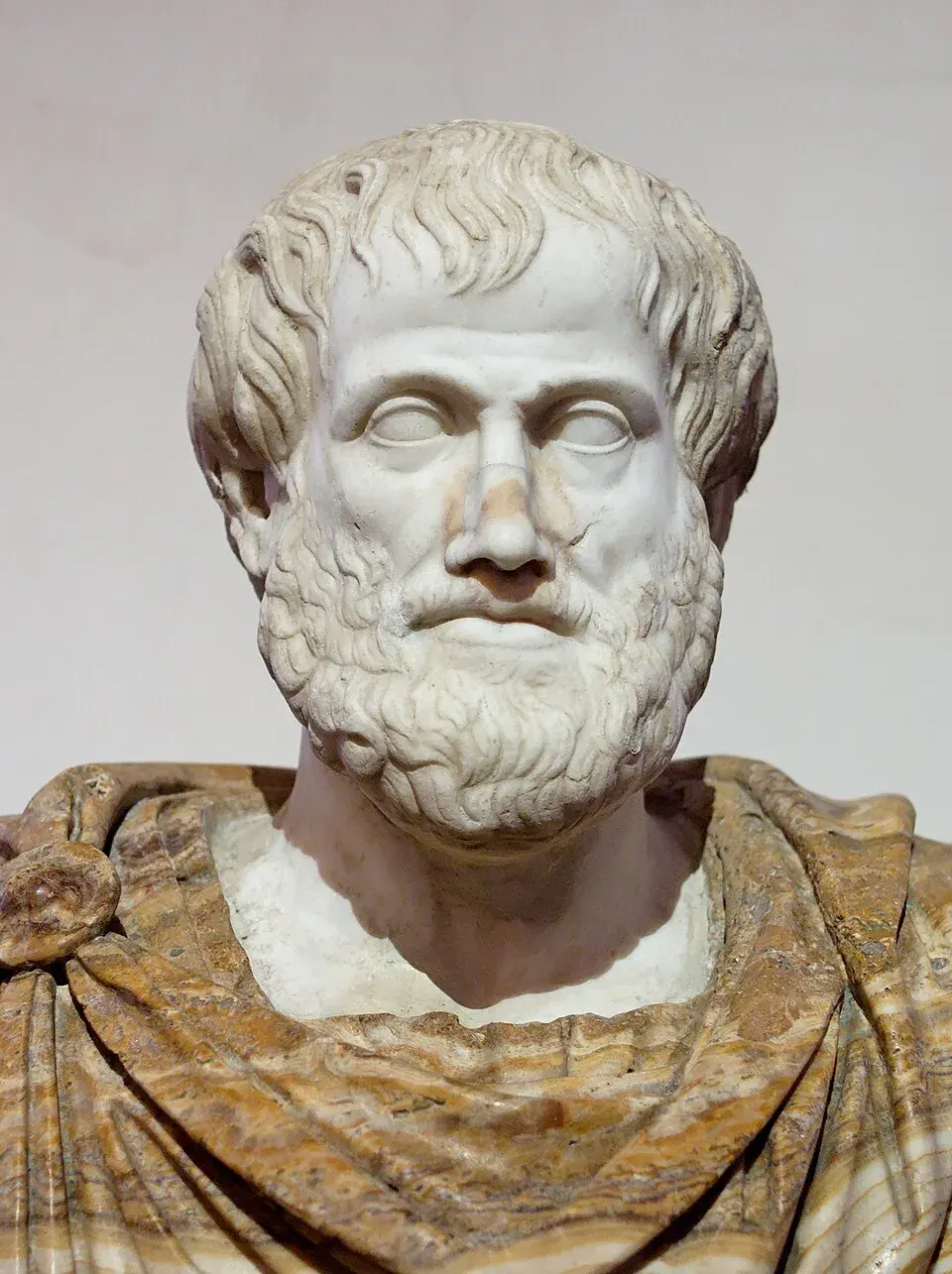
The Pursuit of the Good Life: Insights from Aristotle's "Nicomachean Ethics"
If Plato's ethics points us toward a perfect world beyond this one, Aristotle's Nicomachean Ethics keeps both feet firmly on the ground.
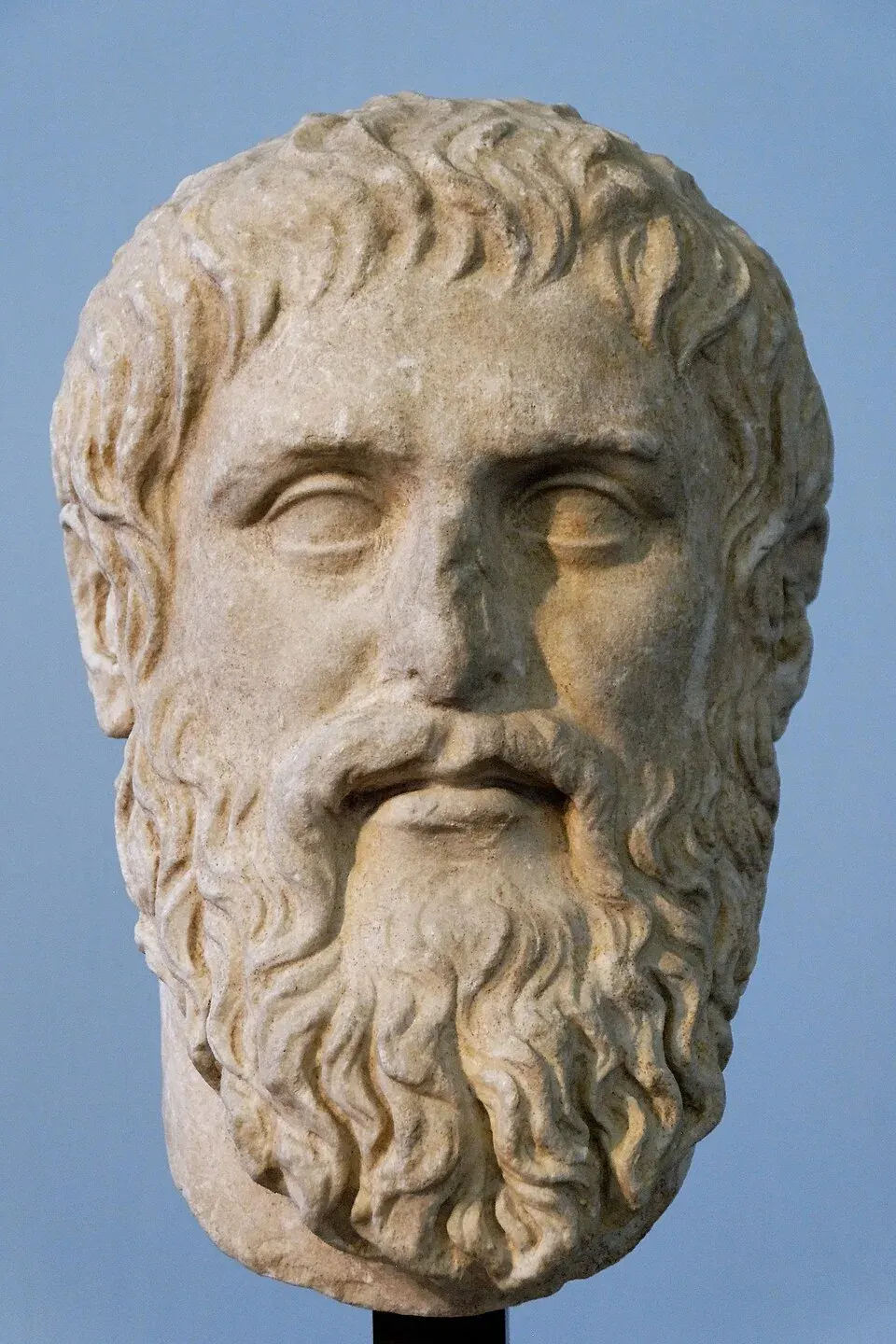
Justice, the Soul, and the City: Exploring Plato's "The Republic"
I went into Plato's The Republic thinking it was a book about politics.
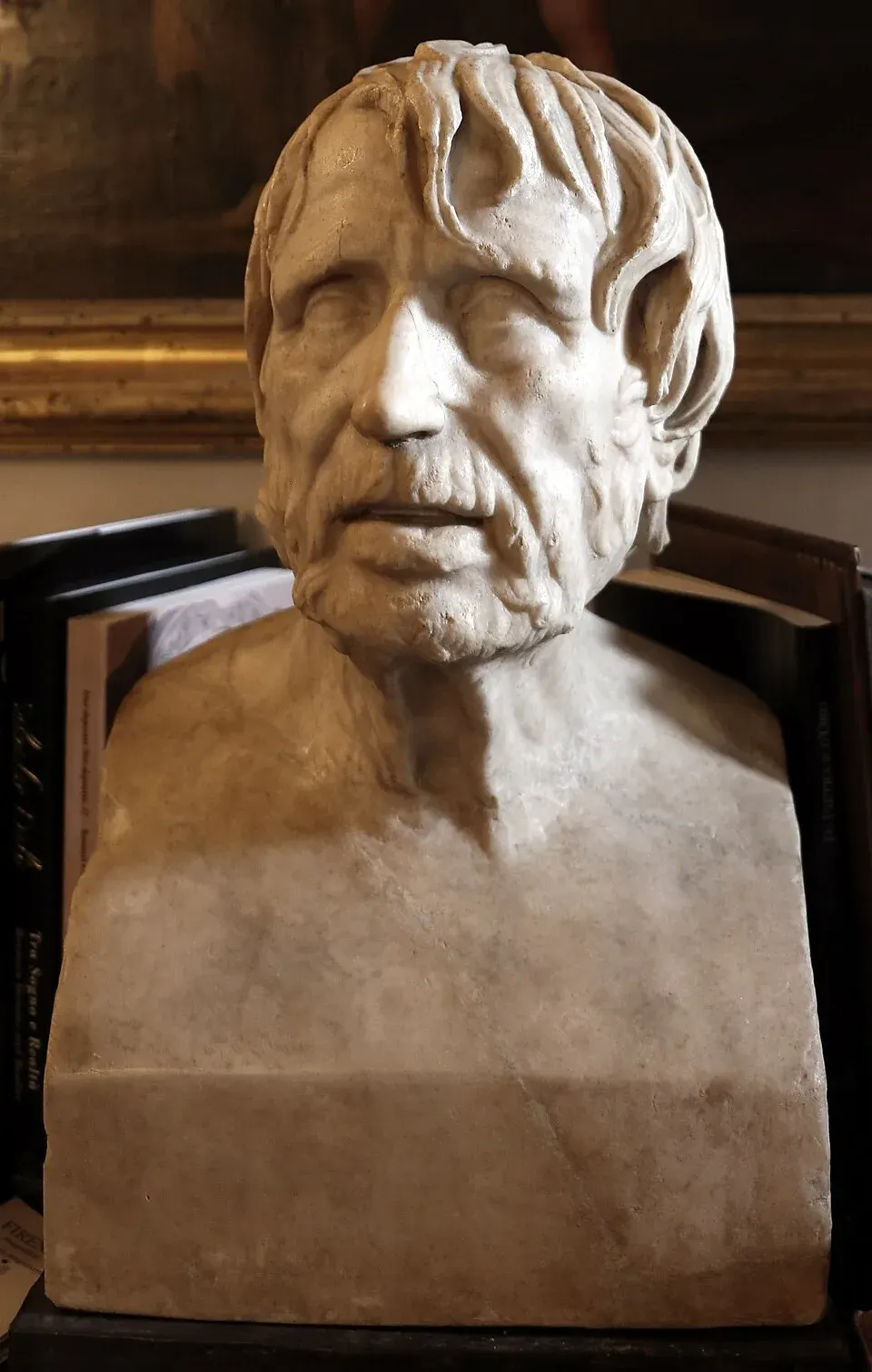
Philosophy as Spiritual Exercise: Pierre Hadot's "Philosophy as a Way of Life"
Pierre Hadot's Philosophy as a Way of Life: ancient philosophy as spiritual exercises for transforming the self, and how to recover that practice.
Comments
No comments yet. Start the conversation.