Justice, the Soul, and the City: Exploring Plato's "The Republic"
In one breath
Plato's Republic looks like a book about politics but is really about the soul. To find justice, Plato studies the city as the soul written large: a just person has reason guiding spirit and appetite. The Allegory of the Cave pictures education as turning the whole self toward truth.
On this page
I went into Plato’s The Republic thinking it was a book about politics. I came out convinced it is really a book about the soul. The famous question that opens it, “what is justice?”, looks like an argument about how to run a city. But Plato keeps turning the telescope around. The city, he suggests, is just the human soul written in large letters, easier to read because it is bigger. To understand a just society, we first have to understand a just person.
These are my reflections on what The Republic taught me about justice, the divided self, and the uncomfortable idea that doing the right thing might be its own reward even when no one is watching.
Key takeaways
- The city is the soul, magnified. Plato studies justice in the state to see it more clearly in the individual.
- A just soul is a well-ordered soul, with reason guiding spirit and appetite rather than being ruled by them.
- The Allegory of the Cave is a portrait of education as a painful turning of the whole self toward the truth.
- Justice pays from the inside. Plato wants to show it is good for us, not just useful for keeping the peace.
- Even Plato’s “ideal” city should unsettle us, and reading him critically is part of the gift.
The question that will not go away
The drama begins with a challenge. Glaucon tells the story of the Ring of Gyges, a ring that makes its wearer invisible. If you could do anything without consequence, without reputation, without getting caught, would you still be just? Most people, Glaucon suspects, are good only because they are afraid of being seen. Plato spends the rest of the book trying to prove him wrong, trying to show that justice is something we would still want even with the ring on our finger. I find that this is the real test, and it is still the right one to ask of any moral idea.
The three parts of the soul
Plato’s answer rests on a picture of the self as divided into three. There is reason, the part that calculates and seeks truth. There is spirit, the part that feels honour, anger, and the love of recognition. And there is appetite, the hungry part that wants food, money, and pleasure. A soul is just, he argues, when these three are in the right order, with reason in charge, spirit as its ally, and appetite kept in its place. Injustice is civil war inside a single person. Reading this, I recognised myself immediately. So much of my own struggle is exactly this quarrel between what I know, what I want, and what I am proud of.
The cave
Then comes the image everyone remembers: prisoners chained in a cave, watching shadows on a wall and mistaking them for reality. One is freed, dragged painfully up into the sunlight, and slowly learns to see real things. Education, for Plato, is not pouring facts into an empty mind. It is turning the whole person around so the eye of the soul can face the light. What stays with me is the ending. When the freed prisoner returns to tell the others, they do not thank him. They want to kill him. Truth is rarely welcomed by those who are comfortable in the dark.
What I’m taking with me, and where I push back
I cannot follow Plato all the way. His ideal city, with its rigid classes, its censorship of poetry, and its rule by an elite of philosopher-kings, reads to me less like a utopia and more like a warning. A society arranged so perfectly around one vision of the good leaves dangerously little room for freedom. But that disagreement is part of why the book is alive. What I keep is the inner lesson, not the political blueprint: that a good life is an ordered life, that justice begins inside, and that the hardest journey is the one out of our own comfortable cave.
Frequently asked questions
What is Plato’s The Republic actually about?
On the surface it asks what justice is and what an ideal city would look like, but its deeper subject is the human soul and whether being just is good for the person who is just.
What is the main point of the Allegory of the Cave?
That most people live among shadows and illusions, and that education is the difficult process of turning toward the truth, which is often resisted by those who prefer the familiar darkness.
Why do people criticize Plato’s ideal state?
Because it limits individual freedom, censors art, and concentrates power in a ruling elite, which many readers see as a blueprint that risks authoritarianism rather than genuine justice.
References & further reading
- Plato. The Republic. (Recommended translations: G. M. A. Grube, revised by C. D. C. Reeve, Hackett, 1992; or Allan Bloom, Basic Books, 1968.)
- Annas, Julia. An Introduction to Plato’s Republic. Oxford University Press, 1981.
- Ferrari, G. R. F. (ed.). The Cambridge Companion to Plato’s Republic. Cambridge University Press, 2007.
- Popper, Karl. The Open Society and Its Enemies, Volume 1: The Spell of Plato. Routledge, 1945.
Watch: others on this book

Read along with me
Book notes, philosophy and the ideas that shape how we build. New essays every month, no spam.
Related reading notes
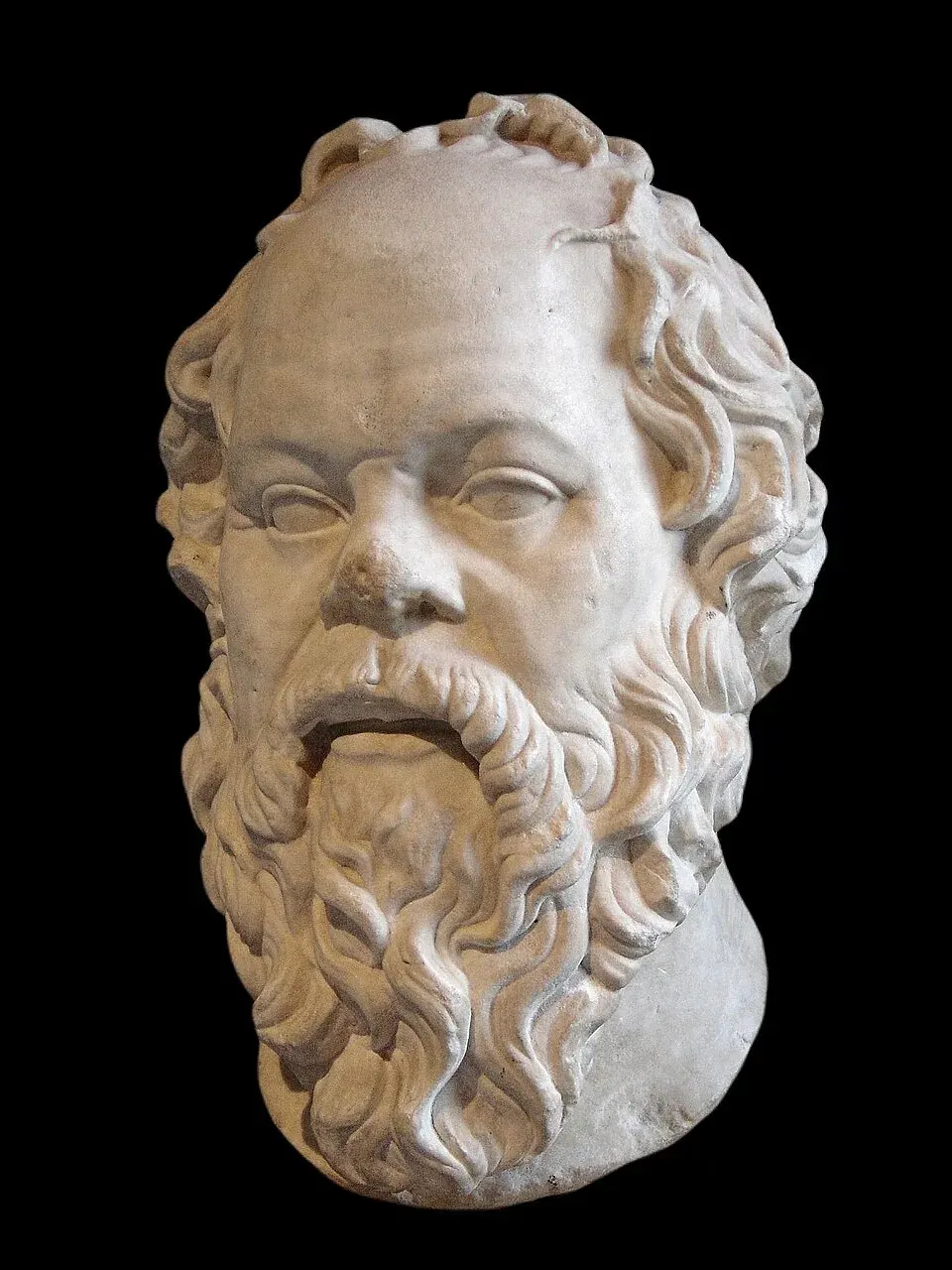
On the Immortality of the Soul: Socrates' Last Hours in Plato's "Phaedo"
Plato's Phaedo recounts the last hours of Socrates, the day he drank the hemlock and died.
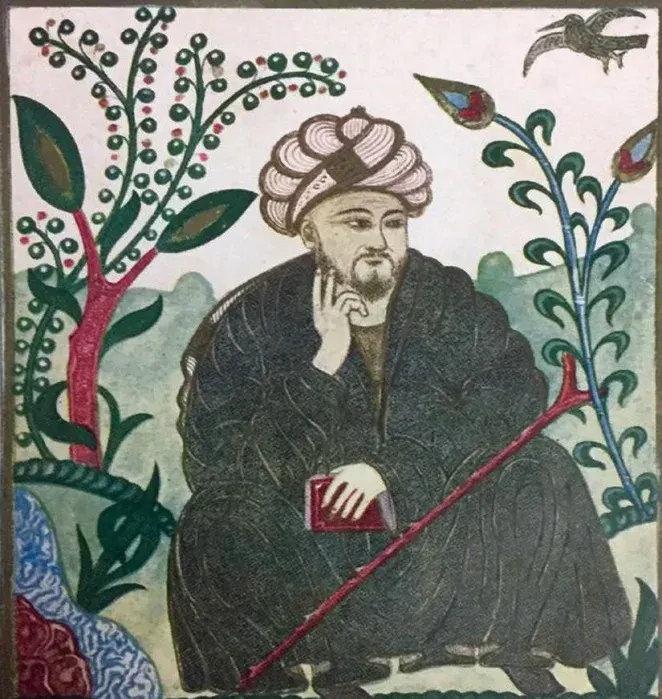
The Philosopher-King Revisited: Al-Farabi's "The Virtuous City"
Al-Farabi's The Virtuous City: the city as a living whole, the philosopher-prophet ruler and how he wove Plato, Aristotle and Islamic thought together.
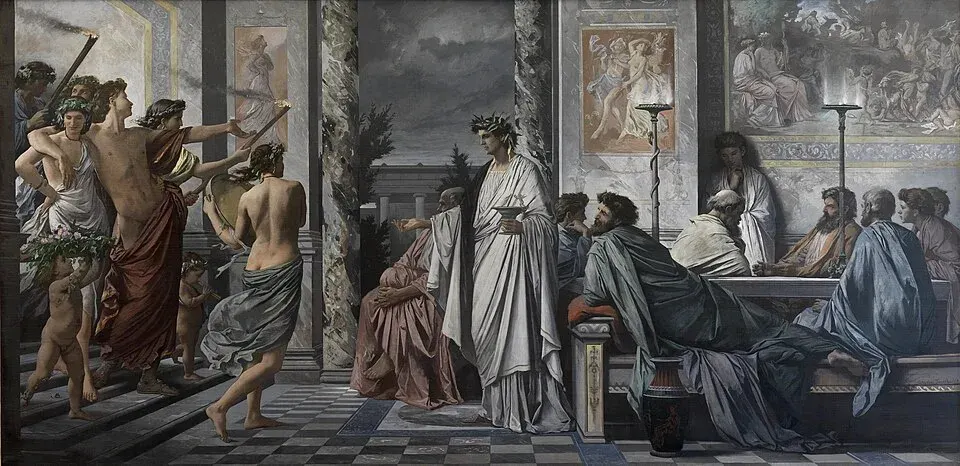
The Ladder of Love: Exploring Plato's "Symposium"
Plato's Symposium explained: Aristophanes' myth of our other half, love born of lack and the ladder of love rising toward Beauty itself.
Comments
No comments yet. Start the conversation.