Philosophy as Spiritual Exercise: Pierre Hadot's "Philosophy as a Way of Life"
In one breath
Pierre Hadot shows that for the ancient Greeks and Romans philosophy was not abstract theory but a way of life: daily spiritual exercises, such as attention, meditation and reframing, meant to transform the self and learn to live well. Theory served practice, and we can recover philosophy as a guide to living.
On this page
Pierre Hadot’s Philosophy as a Way of Life is a profound and, for me, deeply moving work of scholarship that fundamentally changed how I understand philosophy itself. Hadot, a French historian of ancient thought, argues that we have largely misunderstood what philosophy meant to the ancients. For the Greeks and Romans, he shows, philosophy was not primarily a body of abstract theories and arguments to be studied and debated, as it has so often become in the modern university; it was a way of life, a practical, lived discipline aimed at transforming the self, at learning how to live well, wisely, and at peace. Philosophy was a set of “spiritual exercises,” practices to be performed daily, to reshape one’s character, attention, and way of being. This recovery of philosophy’s original purpose is illuminating and, I find, genuinely inspiring, and it gathers up so much of what I have been reading these years into a single, clarifying vision.
Here is what Philosophy as a Way of Life taught me about philosophy as a lived practice, about the spiritual exercises of the ancients, and about recovering wisdom as the goal.
Key takeaways
- Ancient philosophy was a way of life, not just a set of theories.
- Its goal was transformation: to learn to live well, wisely, and at peace.
- “Spiritual exercises” were daily practices to reshape the self.
- Theory served practice, not the other way around.
- We can recover philosophy as a guide to living, not merely an academic subject.
Philosophy as a lived practice
Hadot’s central and transformative insight is that for the ancient philosophers, philosophy was fundamentally a way of life, a practical discipline of living, rather than the abstract theoretical pursuit it has largely become. To be a philosopher in antiquity, whether a Stoic, an Epicurean, a Platonist, or a Cynic, was not merely to hold certain views or master certain arguments; it was to live in a particular way, to belong to a school understood as a community devoted to a shared way of life, to commit oneself to a daily practice of self-transformation aimed at wisdom and the good life. The whole point of philosophy was practical and existential: to learn how to live, how to face hardship and death, how to find tranquillity, how to become a better and wiser human being. Theories and doctrines mattered, but they were in the service of this practical aim, tools for living rather than ends in themselves. This recovers what philosophy was for the ancients, and it stands in sharp contrast to the modern academic conception, in which philosophy too often becomes a purely intellectual discipline, a matter of technical arguments studied for their own sake, divorced from any question of how one actually lives. Hadot reminds us that philosophy was born as, and can again be, a guide to living.
The spiritual exercises of the ancients
Hadot’s most illuminating contribution is his recovery of what he calls the “spiritual exercises” of ancient philosophy: the concrete practices the ancients used to transform themselves and live according to their philosophy. These were not abstract reflections but real, repeated exercises, daily disciplines of the mind and soul. They included practices I have encountered across the ancient schools and met again in my own reading: the meditation on death (remembering our mortality to live more fully and fearlessly); the examination of conscience (reviewing one’s day to improve); the discipline of attention to the present moment (focusing on what is here and now, rather than being lost in anxiety about past and future); the “view from above” (imagining oneself looking down on human affairs from a cosmic height, to gain perspective and see the smallness of our troubles); the distinction between what is and is not in our control; the daily reading and re-reading of guiding maxims. These exercises were meant to be practised, repeatedly, until they reshaped one’s character, emotions, and way of seeing the world. Marcus Aurelius’s Meditations, Hadot shows, was precisely such a practice, the emperor performing his spiritual exercises in writing. This is philosophy not as something you know but as something you do, daily, to become wiser and more at peace, and I find the idea genuinely transformative.
Recovering wisdom as the goal
The deepest value of Hadot’s work, for me, is its recovery of the original goal of philosophy: wisdom, understood not as abstract knowledge but as the art of living well. The very word “philosophy” means the love of wisdom, and Hadot reminds us that wisdom, for the ancients, was inseparable from how one lived, faced adversity, treated others, and met death. To pursue philosophy was to pursue this practical wisdom, to work, through ongoing exercise and self-transformation, toward becoming the kind of person who lives well and is at peace. Hadot’s book is at once a work of historical scholarship and a quiet invitation to recover philosophy in this original sense, to treat it not merely as an academic subject but as a living guide to our own lives, to take up its practices and let them transform us. This speaks directly to why I have been drawn to so much of what I have read over these years: not for abstract knowledge alone, but for wisdom about how to live. Hadot gives a name and a noble lineage to that pursuit, showing that to read philosophy seeking guidance for life is not a naïve misuse of it, but a return to what it was always, at its origin, meant to be.
What I’m taking with me
Philosophy as a Way of Life is a book that reframed my whole understanding of why we read and think about the great questions, and it has the feel of a key that unlocks much of what I have loved in philosophy. What I am taking from Hadot is his recovery of ancient philosophy as a lived practice aimed at transforming the self, not merely a set of theories; his illuminating account of the “spiritual exercises,” the concrete daily practices by which the ancients pursued wisdom and peace; and his restoration of wisdom, the art of living well, as philosophy’s true and original goal. Above all, Hadot gives me permission and encouragement to treat philosophy as I have always instinctively wanted to: not as a distant academic subject, but as a living guide and a daily practice, a love of wisdom meant to be taken up, exercised, and lived, in the work of becoming a better and wiser human being.
Frequently asked questions
What is Philosophy as a Way of Life about?
It is Pierre Hadot’s study showing that ancient philosophy was primarily a way of life and a practice of self-transformation aimed at wisdom and living well, rather than the abstract theoretical discipline philosophy has often become.
What are “spiritual exercises”?
Hadot’s term for the concrete practices ancient philosophers used to transform themselves, such as the meditation on death, the examination of conscience, attention to the present moment, and the “view from above,” performed daily to reshape character and find peace.
How does Hadot change our view of philosophy?
He argues that we have forgotten philosophy’s original purpose. For the ancients it was a practical, lived discipline for learning how to live well, and Hadot invites us to recover philosophy as a guide to life rather than only an academic subject.
References & further reading
- Hadot, Pierre. Philosophy as a Way of Life. (1981 in French; English edition translated by Michael Chase, Blackwell, 1995.)
- Hadot, Pierre. What Is Ancient Philosophy? (1995; English translation, Harvard University Press, 2002.)
- Marcus Aurelius. Meditations. (c. 170–180 CE.)
Watch: others on this book


Read along with me
Book notes, philosophy and the ideas that shape how we build. New essays every month, no spam.
Related reading notes
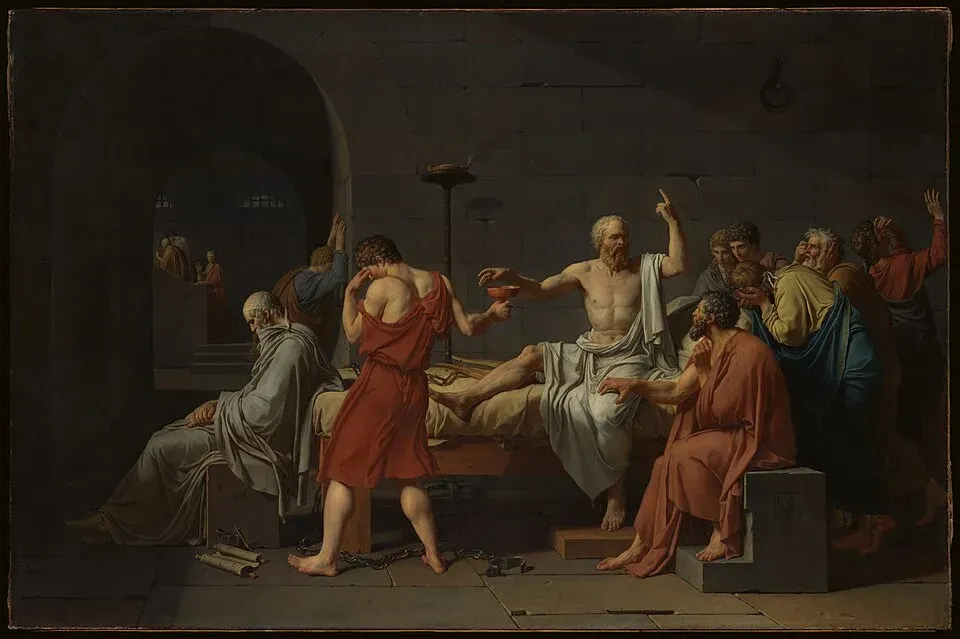
The Unexamined Life: Socrates' Defense in Plato's "Apology"
Plato's Apology: Socrates' defense at his trial, why the unexamined life is not worth living, Socratic wisdom and conscience over the crowd.
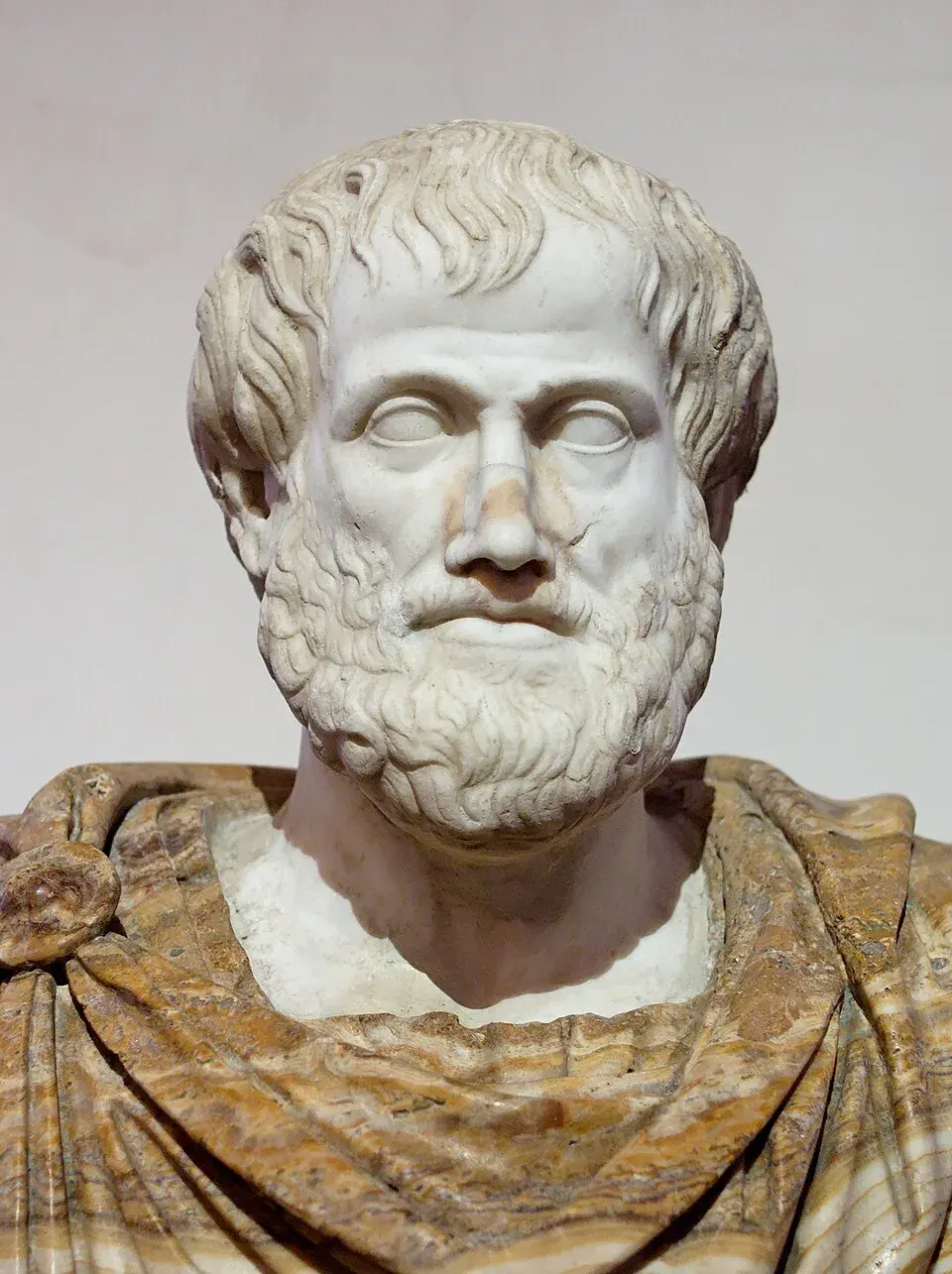
The Pursuit of the Good Life: Insights from Aristotle's "Nicomachean Ethics"
If Plato's ethics points us toward a perfect world beyond this one, Aristotle's Nicomachean Ethics keeps both feet firmly on the ground.
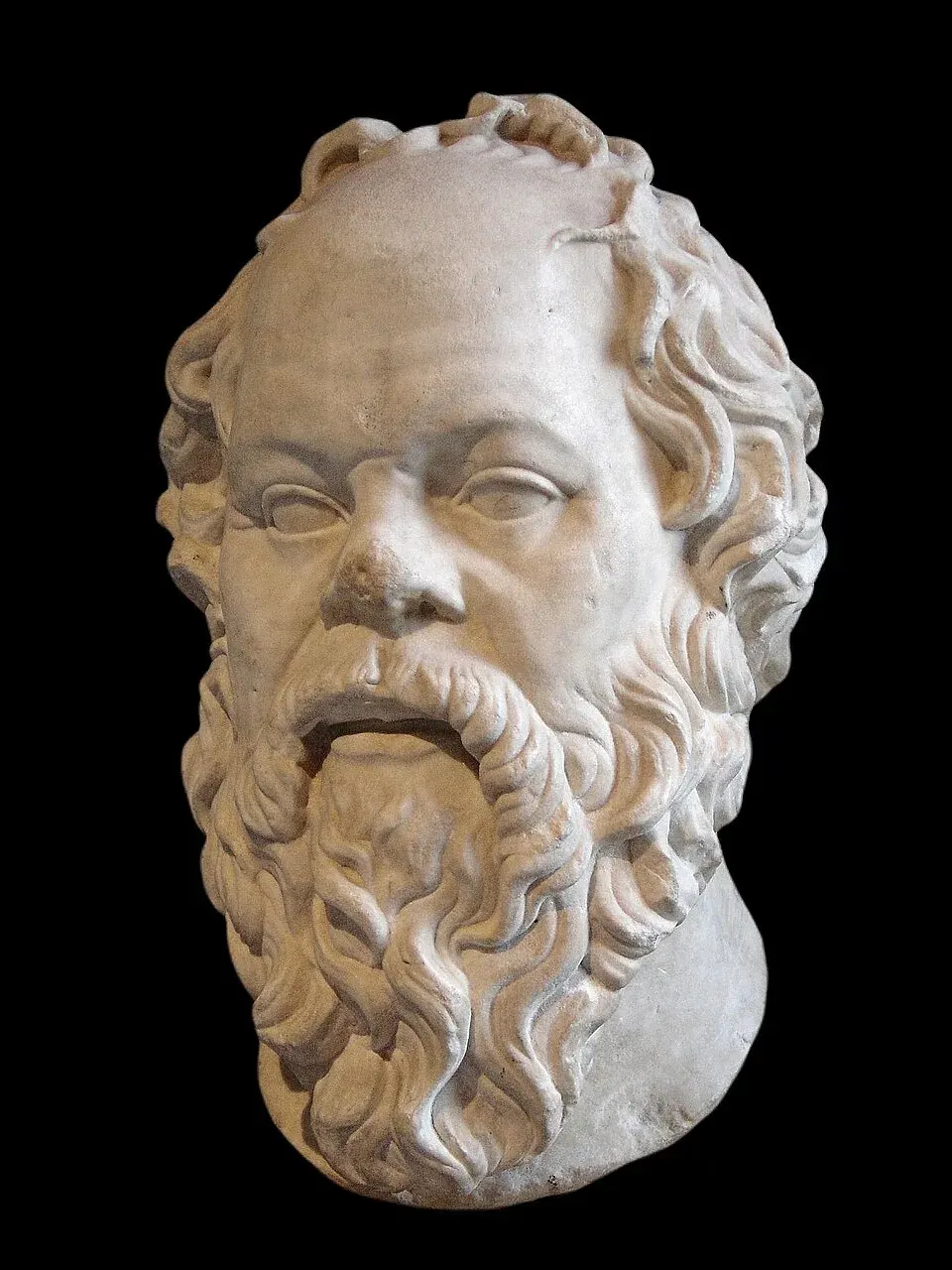
On the Immortality of the Soul: Socrates' Last Hours in Plato's "Phaedo"
Plato's Phaedo recounts the last hours of Socrates, the day he drank the hemlock and died.
Comments
No comments yet. Start the conversation.