The Unexamined Life: Socrates' Defense in Plato's "Apology"
In one breath
Plato's Apology is Socrates' defense at his trial for corrupting the youth. Refusing to grovel or stop philosophizing, he explains that his wisdom lies in knowing he doesn't know, calls himself the city's gadfly, puts conscience before the majority and declares that the unexamined life is not worth living.
On this page
Plato’s Apology is the speech Socrates gives at his own trial, defending himself against the charge of corrupting the youth and not believing in the city’s gods. The word “apology” here does not mean saying sorry; it comes from the Greek apologia, a defence. And what a defence it is. Facing a jury that holds his life in its hands, Socrates refuses to grovel, refuses to stop philosophising, and tells them plainly that he will obey the god and the truth before he obeys them. It is one of the bravest documents in the history of thought.
Here is what the Apology taught me about the value of admitting what we do not know, and about the line Socrates would not cross even to save his own life.
Key takeaways
- “The unexamined life is not worth living.” Socrates would rather die than stop questioning.
- Socratic wisdom is knowing that you do not know. He is wise only in being aware of his ignorance.
- He saw himself as a “gadfly,” stinging a sluggish city awake by relentless questioning.
- Conscience outranks the crowd. He obeys what he believes is right over the majority’s verdict.
- Death is not to be feared by someone who has lived in pursuit of truth and virtue.
The wisest man knows he is not wise
The story turns on a riddle. The oracle at Delphi declared that no one was wiser than Socrates, which baffled him, because he felt he knew nothing. So he went around questioning the people reputed to be wise, politicians, poets, craftsmen, and discovered that they all believed they knew things they did not. He concluded that his only advantage was this: he did not imagine he knew what he did not know. That is the whole of Socratic wisdom, and it is harder than it sounds. Most of our errors come not from ignorance but from confident ignorance, from being sure of things that are not so. Socrates made a method, and a life, out of dismantling that false certainty.
The gadfly
Socrates describes himself with a wonderful, prickly image. Athens, he says, is like a great and noble horse grown sluggish, and he is the gadfly the god has set on it, stinging it awake all day long. It is not a flattering self-portrait, and he knows the city resents the sting. But he insists the questioning is a service, even a gift, however unwelcome. A society that silences its questioners grows comfortable and stupid. I think of this whenever the urge to smooth things over, to stop asking the awkward question, gets the better of me. Some stings are medicine.
The line he would not cross
The jury offers Socrates, in effect, a way out: stop philosophising and live. He refuses. He tells them that if they released him on condition that he give up examining himself and others, he would answer that he will obey the god rather than them, and will never stop. He would rather die as he has lived than live as someone he is not. This is the moment that makes the Apology unforgettable. There are things worth more than survival, and a life bought by betraying what gives it meaning is not, for Socrates, a life worth having. The unexamined life, he says, is not worth living.
What I’m taking with me
The Apology is short, but it sets a standard that has haunted philosophy ever since. What I am taking from it is twofold. First, intellectual humility: to hold my certainties more loosely and to treat “I do not know” as the beginning of wisdom rather than an embarrassment. Second, courage: to remember that there are commitments worth keeping even when keeping them costs something. Socrates did not win his trial. He lost it and drank the hemlock. But he won the longer argument, and we are still listening.
Frequently asked questions
What is Plato’s Apology about?
It is Socrates’ defence speech at his trial in Athens, where he was accused of corrupting the youth and impiety. He defends his life of questioning and refuses to abandon philosophy to save himself.
What does “the unexamined life is not worth living” mean?
That a life lived without self-reflection and the honest pursuit of truth lacks real value. For Socrates, questioning and examining one’s beliefs is what makes a human life worthwhile.
What is Socratic wisdom?
The recognition of one’s own ignorance. Socrates claimed to be wise only in that, unlike those who think they know, he was aware of how little he actually knew.
References & further reading
- Plato. Apology, in The Last Days of Socrates. (Translated by Hugh Tredennick and Harold Tarrant, Penguin Classics, 1954/1969.)
- Vlastos, Gregory. Socrates: Ironist and Moral Philosopher. Cambridge University Press, 1991.
- Brickhouse, Thomas C., and Nicholas D. Smith. Socrates on Trial. Princeton University Press, 1989.
Watch: others on this book


Read along with me
Book notes, philosophy and the ideas that shape how we build. New essays every month, no spam.
Related reading notes
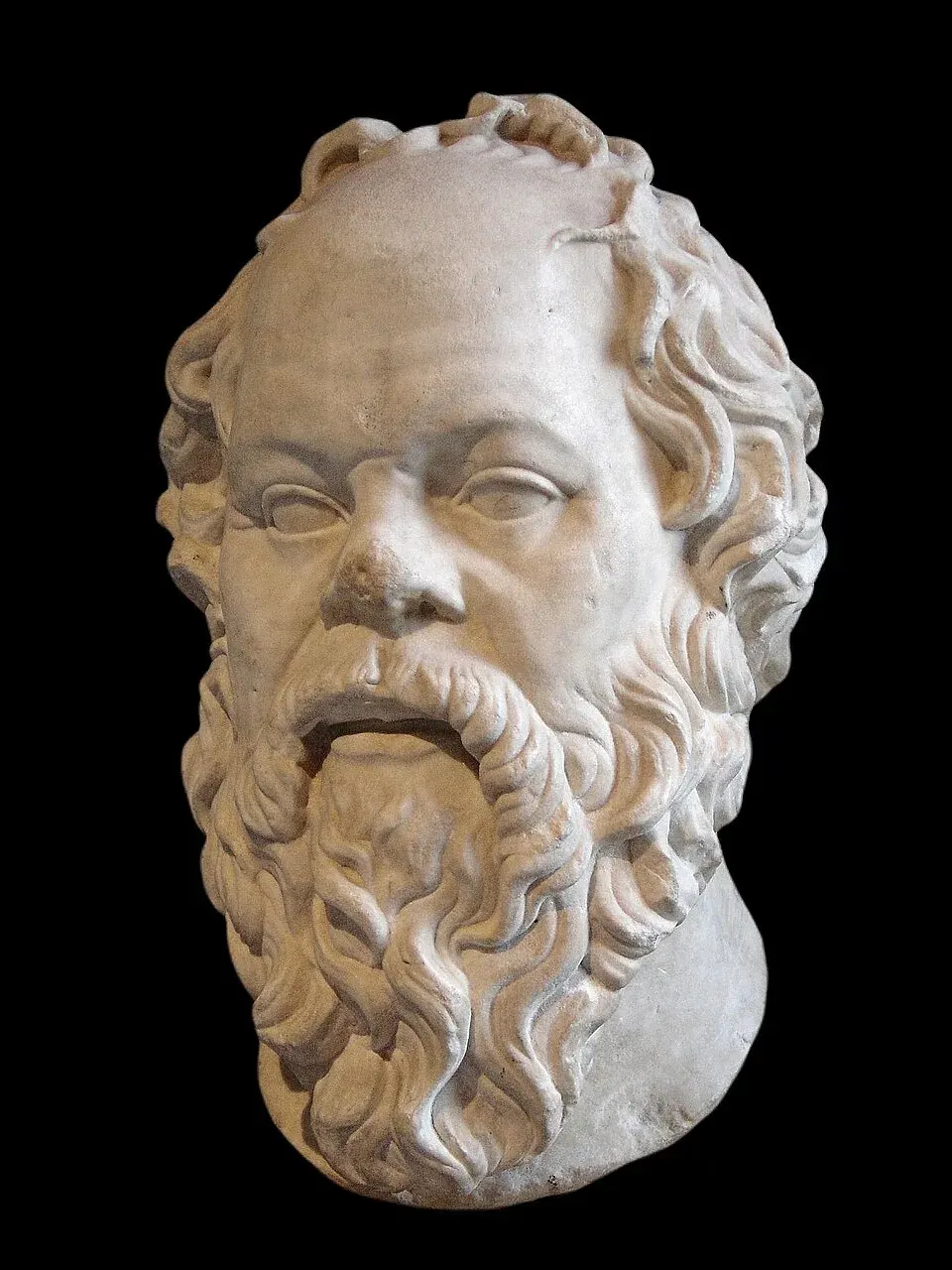
On the Immortality of the Soul: Socrates' Last Hours in Plato's "Phaedo"
Plato's Phaedo recounts the last hours of Socrates, the day he drank the hemlock and died.
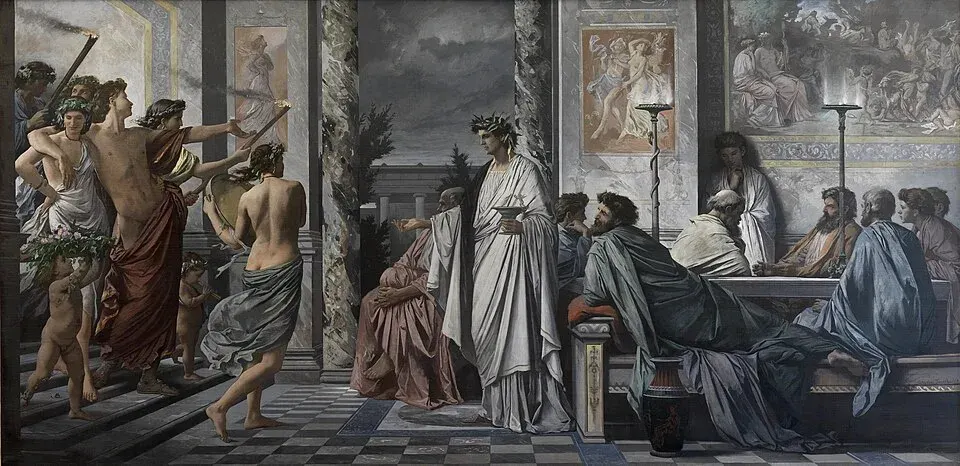
The Ladder of Love: Exploring Plato's "Symposium"
Plato's Symposium explained: Aristophanes' myth of our other half, love born of lack and the ladder of love rising toward Beauty itself.
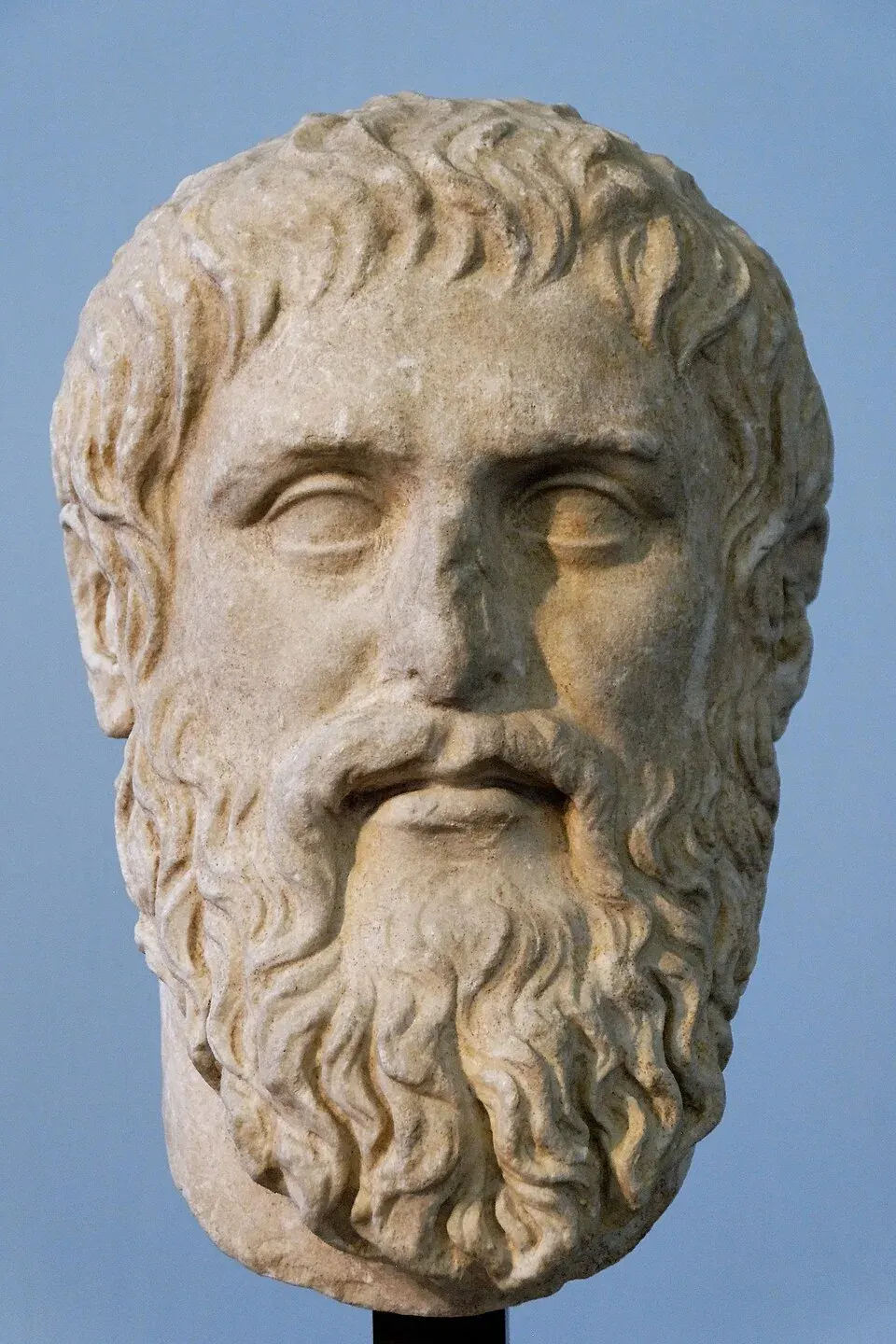
Justice, the Soul, and the City: Exploring Plato's "The Republic"
I went into Plato's The Republic thinking it was a book about politics.
Comments
No comments yet. Start the conversation.