Born Free, Everywhere in Chains: Rousseau's "The Social Contract"
In one breath
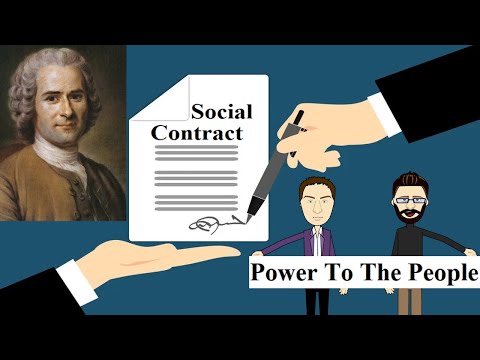
Rousseau's The Social Contract opens with "man is born free, and everywhere he is in chains" and argues that legitimate authority can only come from the people. Its idea of the general will inspired modern democracy and the French Revolution, along with a dangerous phrase about being forced to be free.
On this page
Jean-Jacques Rousseau’s The Social Contract opens with a thunderclap of a sentence: man is born free, and everywhere he is in chains. With those words, Rousseau launches one of the most influential and most contested works of political philosophy ever written, a book whose ideas helped ignite the French Revolution and still shape how we think about democracy, legitimacy, and freedom. Where Hobbes used the social contract to justify an all-powerful sovereign, Rousseau uses it to argue almost the opposite: that legitimate authority can only come from the people themselves. It is an exhilarating and, as I came to see, a dangerous book.
Here is what The Social Contract taught me about the chains we are born into, about the elusive idea of the general will, and about the fine line between freedom and coercion.
Key takeaways
- Legitimate authority rests on the consent of the governed, not force or tradition.
- The “general will” is the collective good of the community, distinct from the sum of private interests.
- True freedom is obedience to a law we give ourselves, not the absence of all rule.
- Rousseau inspired modern democracy, but also a dangerous phrase about being “forced to be free.”
- Sovereignty belongs to the people and cannot rightly be handed away.
The chains we are born into
Rousseau’s opening line is a provocation and a puzzle. If we are born free, how did we come to be everywhere in chains, and what could make those chains legitimate? He rejects the idea that might makes right, or that we are naturally subject to kings. The only legitimate political authority, he argues, must rest on agreement, on a contract among free people to form a community and govern themselves. The question of the whole book is how people can join together under a common authority while remaining as free as before. It is the central problem of all politics, and Rousseau states it with unmatched force: how can I be both bound and free, both a subject and an author of the laws I obey?
The general will
Rousseau’s famous and slippery answer is the general will. When a people forms a true political community, he argues, there emerges a collective will aimed at the common good of all, which is more than just the sum of everyone’s private wishes. To be free, in Rousseau’s sense, is to obey this general will, because in doing so we are really obeying ourselves as members of the community, following a law we have a hand in giving. This is a beautiful idea: freedom not as doing whatever we please but as self-government, as living under laws we author together. It dignifies citizenship and roots legitimate power in the people. But, as I read on, I began to feel the danger lurking inside it.
The dangerous sentence
That danger crystallises in one notorious phrase. Rousseau says that whoever refuses to obey the general will shall be “forced to be free.” The reasoning is that if you resist the common good, you are acting on your merely private, selfish will, and compelling you to follow the general will is really liberating your truer self. I find this genuinely chilling, and history has shown why. The idea that people can be coerced “for their own freedom,” that an authority knows your real will better than you do, has been used to justify some of the worst tyrannies of the modern age. Rousseau the champion of freedom and Rousseau the unwitting prophet of totalitarian coercion are the same man, and the same book. This is why he must be read with both admiration and great care.
What I’m taking with me
The Social Contract is a book of genuine grandeur and genuine peril, and holding both in view is the whole lesson. What I am taking from Rousseau is his inspiring insight that legitimate authority comes only from the people and that real freedom is self-government, ideas at the heart of every democracy. But I am taking, just as firmly, his warning, the way a noble ideal, the general will, can curdle into the justification for forcing people in the name of their own liberty. Rousseau teaches me both to demand government by consent and to be deeply suspicious of anyone who claims to know my freedom better than I do.
Frequently asked questions
What is Rousseau’s The Social Contract about?
It argues that legitimate political authority comes only from the consent of the people, who govern themselves through the “general will,” so that obeying the law can be a form of freedom rather than subjection.
What is the “general will”?
Rousseau’s idea of the collective will of a community aimed at the common good, distinct from the mere sum of individual private interests. For Rousseau, true freedom is obeying this shared will.
Why is “forced to be free” controversial?
Because the idea that people can be compelled to follow the general will “for their own freedom” has been used to justify authoritarian coercion, making Rousseau both an inspiration for democracy and a warning about its abuse.
References & further reading
- Rousseau, Jean-Jacques. The Social Contract. (1762; translated by Maurice Cranston, Penguin Classics, 1968.)
- Cranston, Maurice. Jean-Jacques: The Early Life and Work of Jean-Jacques Rousseau. Allen Lane, 1983.
- Berlin, Isaiah. Freedom and Its Betrayal. (Lectures; Chatto & Windus, 2002.)
Watch: others on this book

Read along with me
Book notes, philosophy and the ideas that shape how we build. New essays every month, no spam.
Related reading notes
How Inequality Was Born: Rousseau's "Discourse on Inequality"
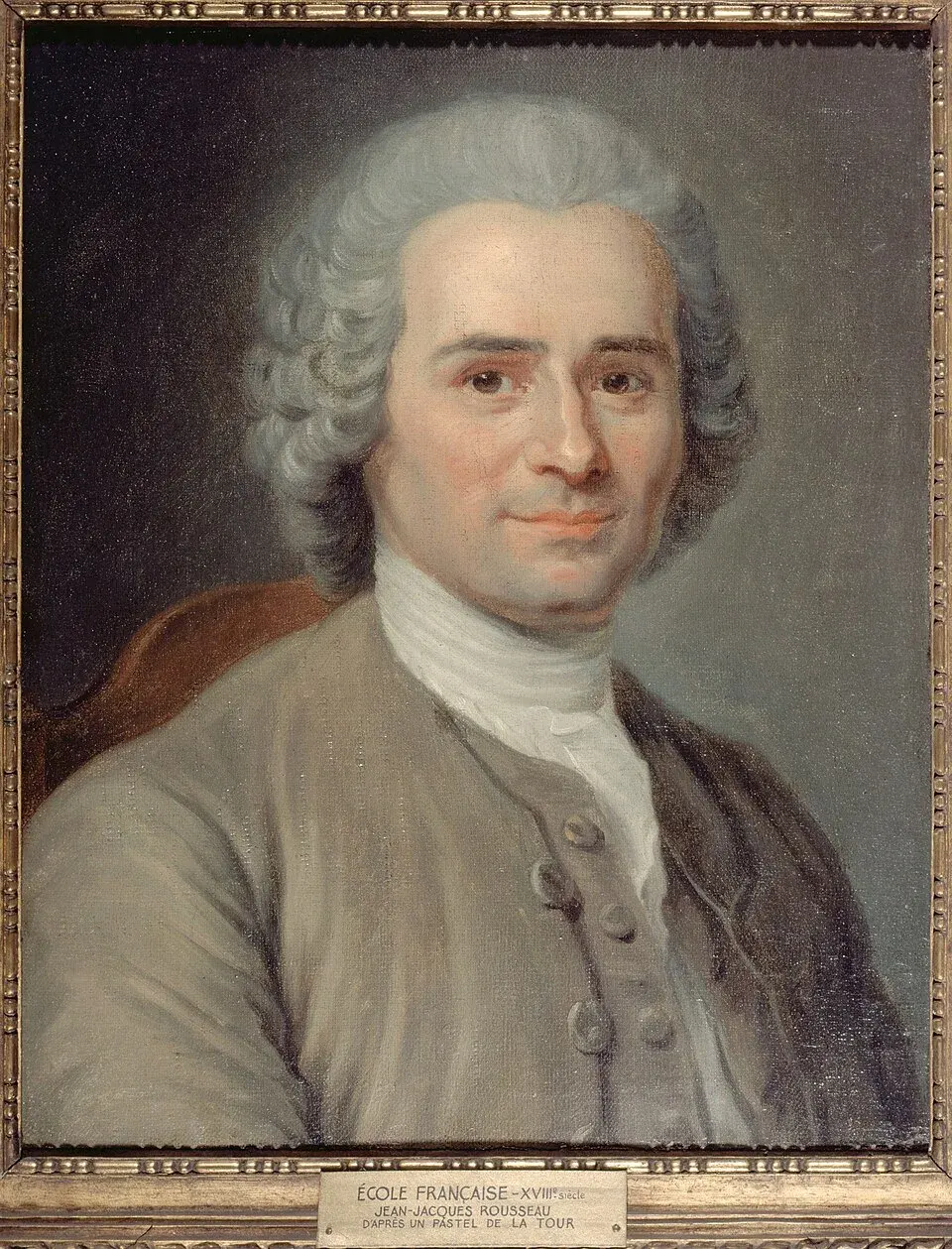
Before he wrote The Social Contract, Rousseau wrote the Discourse on the Origin of Inequality, and it is in some ways the more startling book.
Nasty, Brutish, and Short: Hobbes' "Leviathan" and the Birth of the State
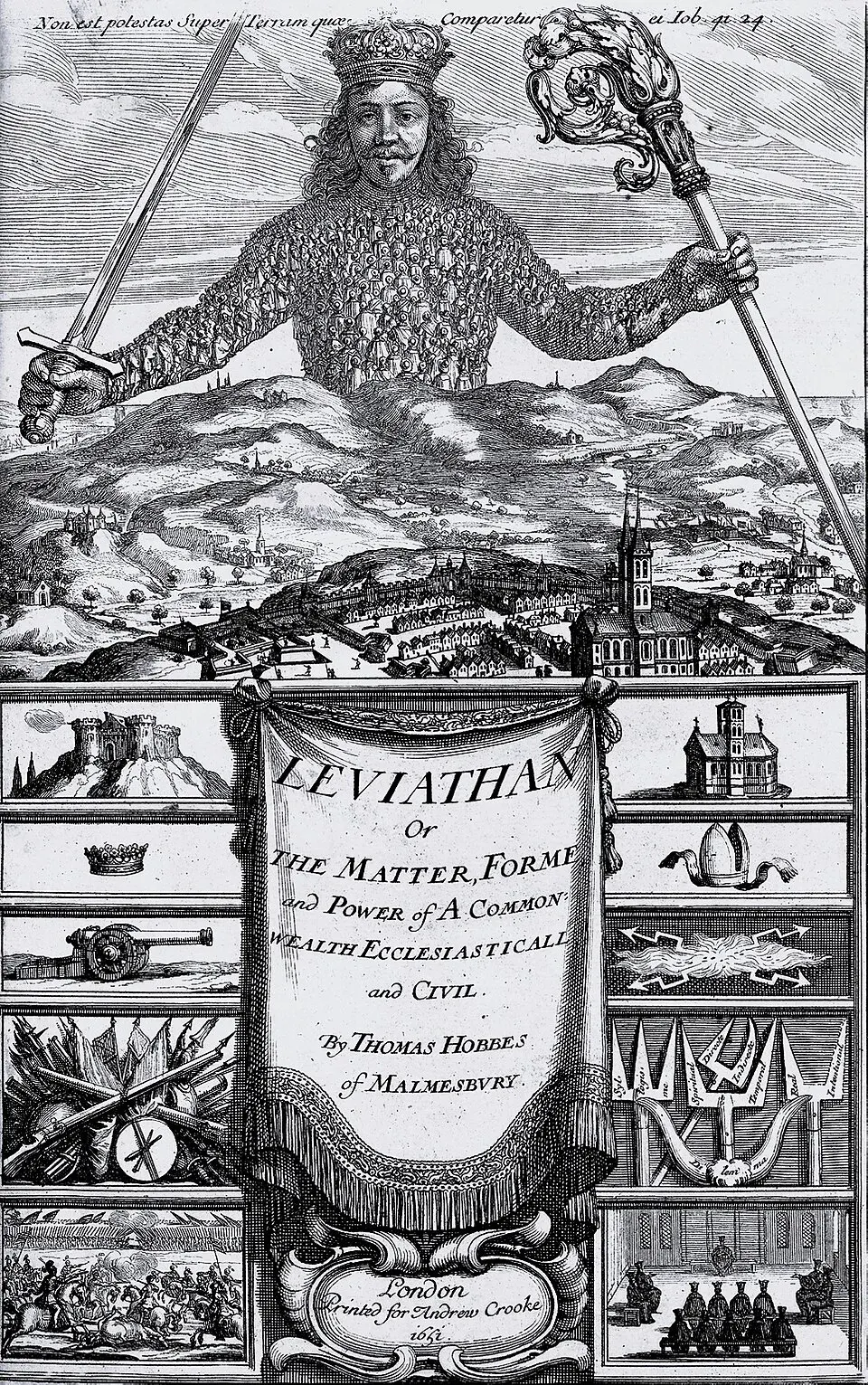
Thomas Hobbes wrote Leviathan in the shadow of the English Civil War, and you can feel the trauma of that chaos on every page.
The Enemies of the Open Society: Karl Popper's Defense of Freedom
Karl Popper's The Open Society and Its Enemies: open vs closed societies, the danger of utopian planning and piecemeal social engineering.
Comments
No comments yet. Start the conversation.