The Mind as Blank Slate: Locke on Where Knowledge Comes From
In one breath
In An Essay Concerning Human Understanding, John Locke asks where knowledge comes from and answers: from experience. The mind begins as a blank slate with no innate ideas, complex ideas are built from simple ones through sensation and reflection, and if experience shapes minds, then education and environment matter enormously.
On this page
John Locke’s An Essay Concerning Human Understanding asks a question so basic that we rarely think to ask it: where does our knowledge actually come from? Writing at the end of the seventeenth century, Locke set out to map the limits and origins of the human mind itself, and his answer launched the great tradition of British empiricism. Against those who believed we are born with certain ideas already stamped on the mind, Locke argued that we begin as a blank sheet, and that everything we know is built, piece by piece, from experience. It is a humble, patient, and quietly revolutionary book, and its consequences reach all the way to how we think about politics and human equality.
Here is what Locke taught me about the mind as a blank slate, about the building blocks of knowledge, and about the political hope hidden inside an epistemology.
Key takeaways
- The mind begins as a blank slate (tabula rasa), with no innate ideas.
- All knowledge comes from experience, through sensation and reflection.
- Complex ideas are built from simple ones the mind receives.
- Human understanding has limits; recognizing them is itself wisdom.
- If minds are shaped by experience, then education and environment matter enormously.
No ideas written at birth
Locke opens by attacking the doctrine of innate ideas, the belief that we are born already knowing certain truths. Not so, he argues. The mind at birth is like white paper, void of all characters, without any ideas. How then does it come to be furnished with the vast store of knowledge an adult possesses? To this, he answers in one word: experience. We are not born knowing; we learn, from the moment we begin to sense the world. This sounds obvious to modern ears, but that is partly because Locke won the argument. In his time it was a bold claim, with radical implications, for if no one is born with superior knowledge stamped on their soul, then the differences between people are made, not given.
Building knowledge from experience
Locke then patiently describes how the blank slate gets filled. All our ideas, he says, come from two sources: sensation, the input of the five senses, which gives us ideas of colours, sounds, textures, and the like; and reflection, the mind’s observation of its own operations, which gives us ideas of thinking, doubting, willing. From these simple ideas, the building blocks delivered by experience, the mind constructs all its complex ideas by combining, comparing, and abstracting. Even our grandest concepts, he argues, can be traced back to this raw material of experience. I admire the patience of this project. Locke is not spinning a system out of pure reason; he is trying, carefully and empirically, to watch the mind at work and describe what it actually does.
The politics hidden in the epistemology
What fascinates me most is how a theory of knowledge carries a political charge. If the mind begins as a blank slate, then what a person becomes depends overwhelmingly on their experience, their upbringing, education, and environment, rather than on some inborn rank or destiny. This undercuts the old justifications for fixed hierarchies and inherited authority. It is no coincidence that Locke, the philosopher of the blank slate, was also a great theorist of human equality, natural rights, and government by consent, ideas that would shape the American and French revolutions. His empiricism and his liberalism spring from the same root: a conviction that human beings are formed, not foreordained, and that this makes education, freedom, and opportunity matter enormously.
What I’m taking with me
Locke’s Essay can be dry, but its central insight is one of the foundations of the modern world, and I came away appreciating how much follows from it. What I am taking from Locke is the humble, empirical spirit of his inquiry, the insistence that knowledge is built from experience rather than handed down ready-made, and the liberating implication that what we become is largely shaped by how we are raised and what we are given. If minds are made, then how we educate and treat one another is not a small matter. It is everything.
Frequently asked questions
What is Locke’s Essay Concerning Human Understanding about?
It investigates the origin, certainty, and limits of human knowledge, arguing that the mind begins as a blank slate and that all our ideas come from experience through sensation and reflection.
What does tabula rasa mean?
It means “blank slate.” Locke used the image to argue that we are born without innate ideas, and that the mind is filled entirely through experience.
Why is Locke’s theory politically important?
If people are shaped by experience rather than born into fixed natures or ranks, then education, environment, and opportunity matter enormously, which supports ideas of human equality and undercuts inherited hierarchy.
References & further reading
- Locke, John. An Essay Concerning Human Understanding. (1689; edited by Peter H. Nidditch, Oxford University Press, 1975.)
- Ayers, Michael. Locke. Routledge, 1991.
- Woolhouse, Roger. Locke. University of Minnesota Press, 1983.
Watch: others on this book
Read along with me
Book notes, philosophy and the ideas that shape how we build. New essays every month, no spam.
Related reading notes
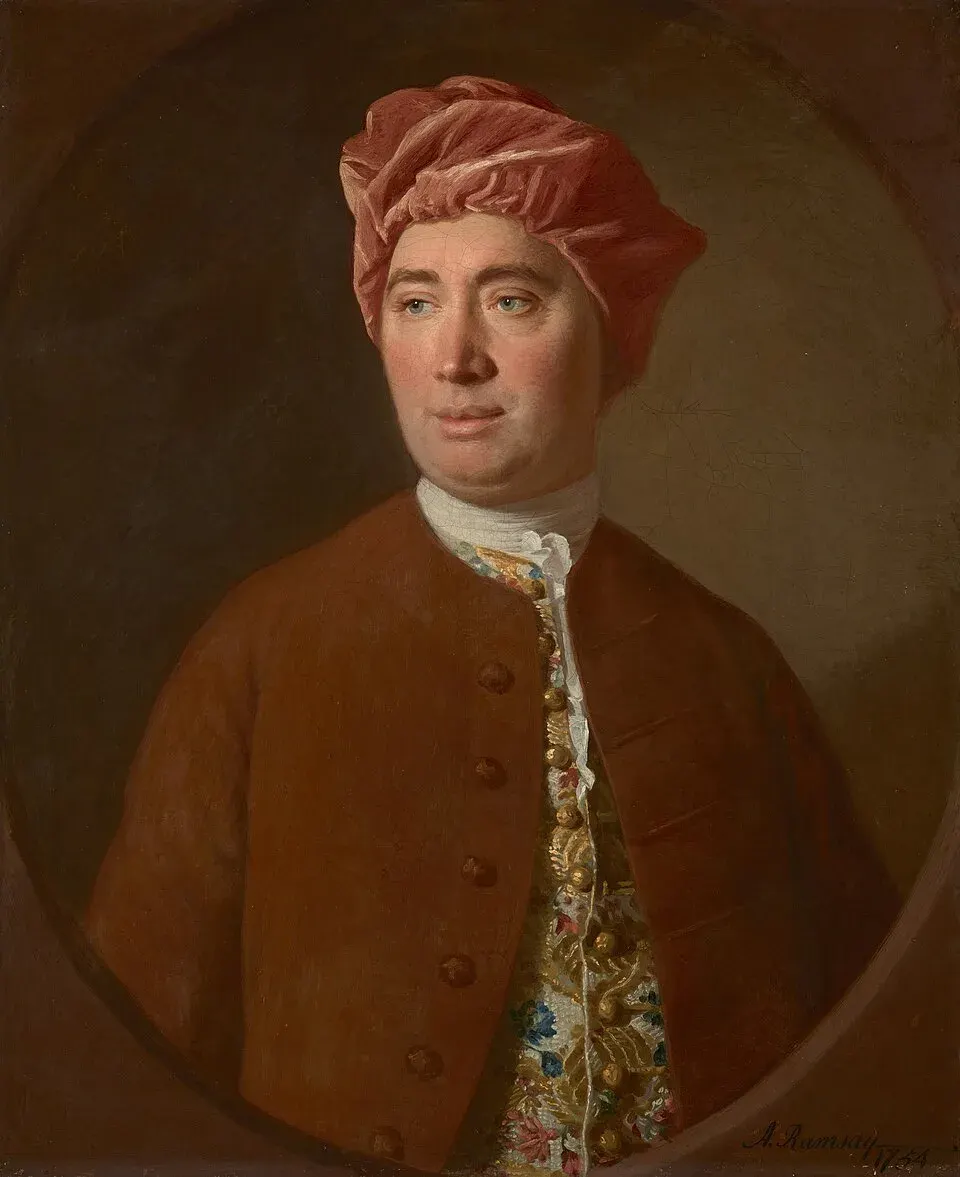
The Limits of Reason: Hume and the Problem of Cause and Effect
Hume's Enquiry Concerning Human Understanding: the problem of induction, why we never observe causation and custom as the great guide of life.
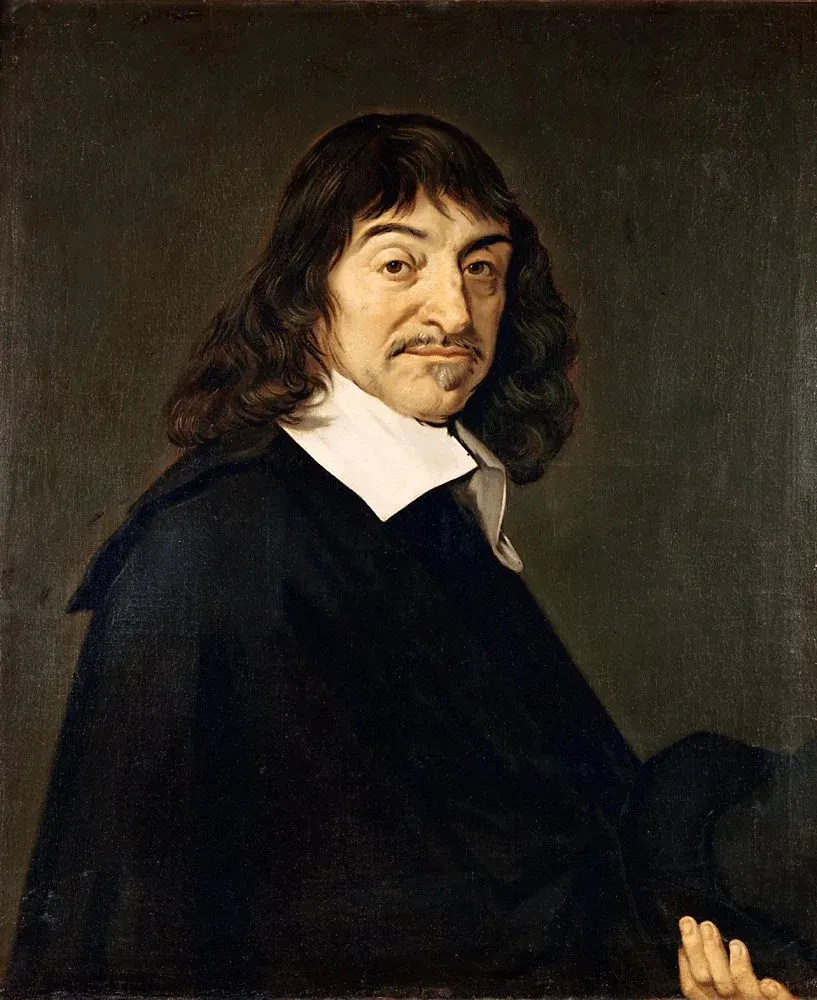
I Think, Therefore I Am: Descartes and the Search for Certainty
With Descartes, philosophy turns a corner, and you can feel it happening inside his Meditations on First Philosophy.
What Is It Like to Be a Bat? Thomas Nagel's "Mortal Questions"
Thomas Nagel's Mortal Questions: what it is like to be a bat, the mystery of consciousness, moral luck and the absurd, faced without false comfort.
Comments
No comments yet. Start the conversation.