Philosophy & Thinking
Big ideas from the thinkers who shaped them.
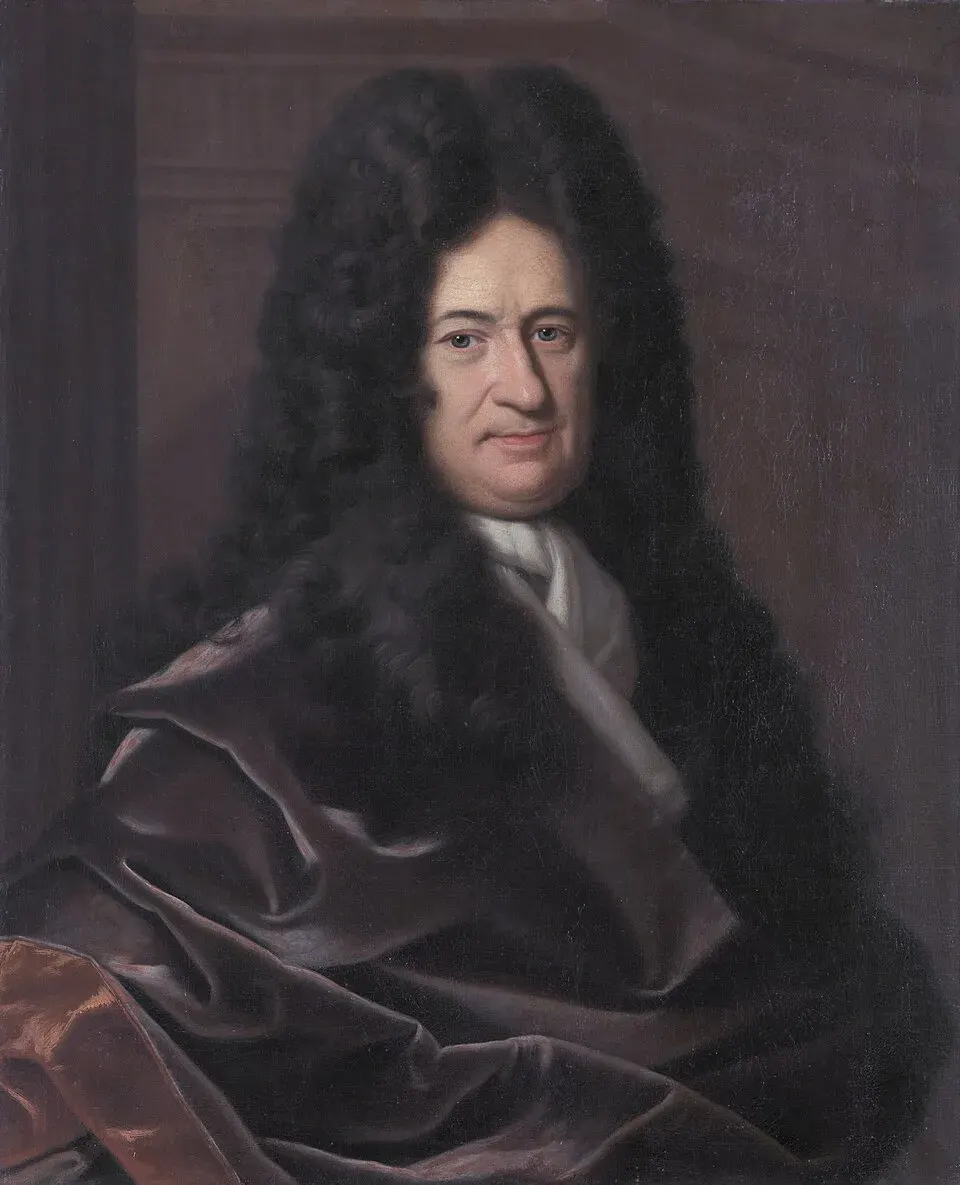
The Best of All Possible Worlds: Leibniz's "Monadology"
Leibniz's Monadology explained: monads, pre-established harmony and why the best of all possible worlds is serious philosophy, not naive optimism.
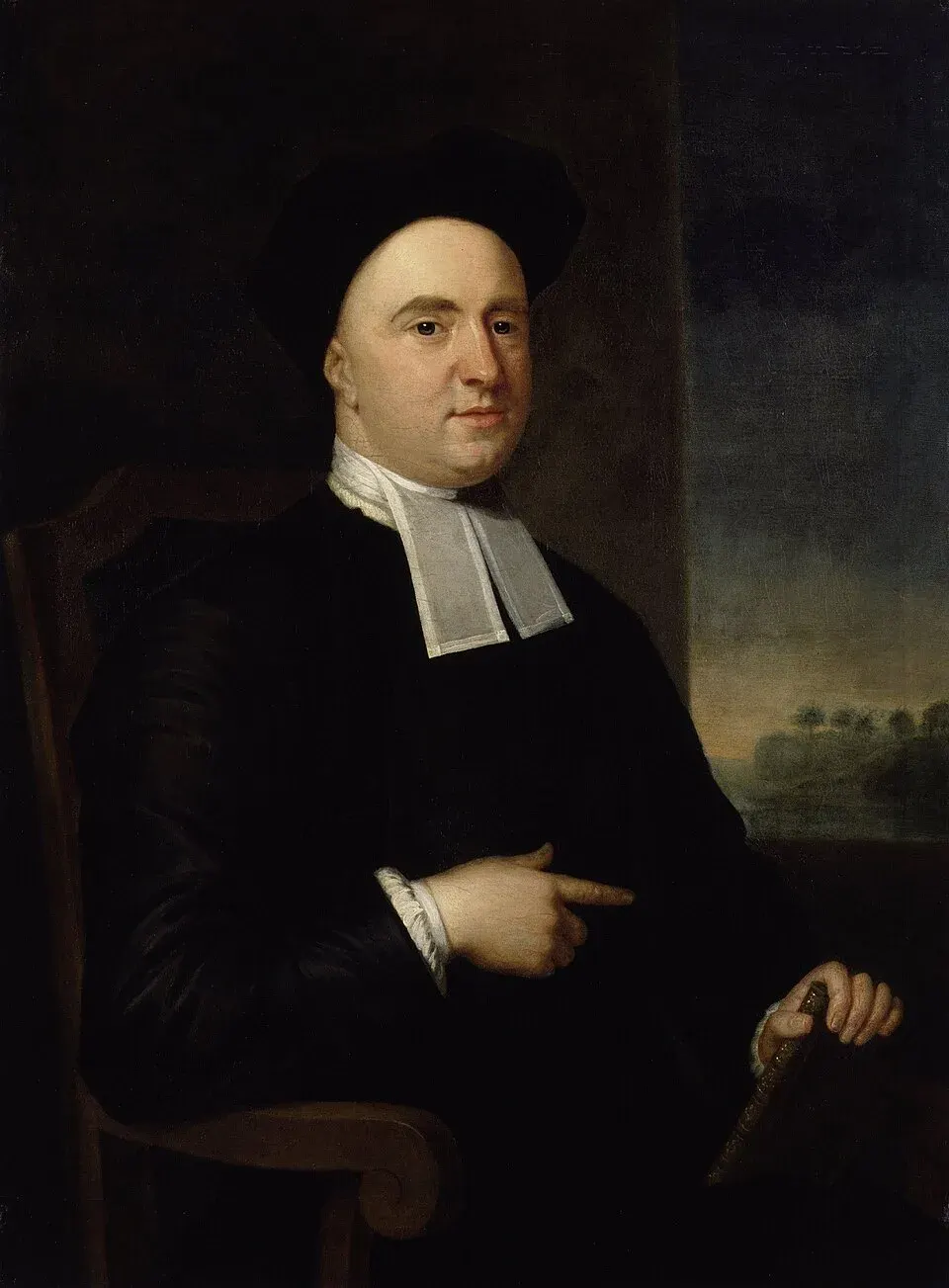
To Be Is to Be Perceived: The Strange Idealism of Berkeley
Berkeley's idealism explained: to be is to be perceived, no mind-independent matter, the tree in the empty quad and why it's so hard to refute.
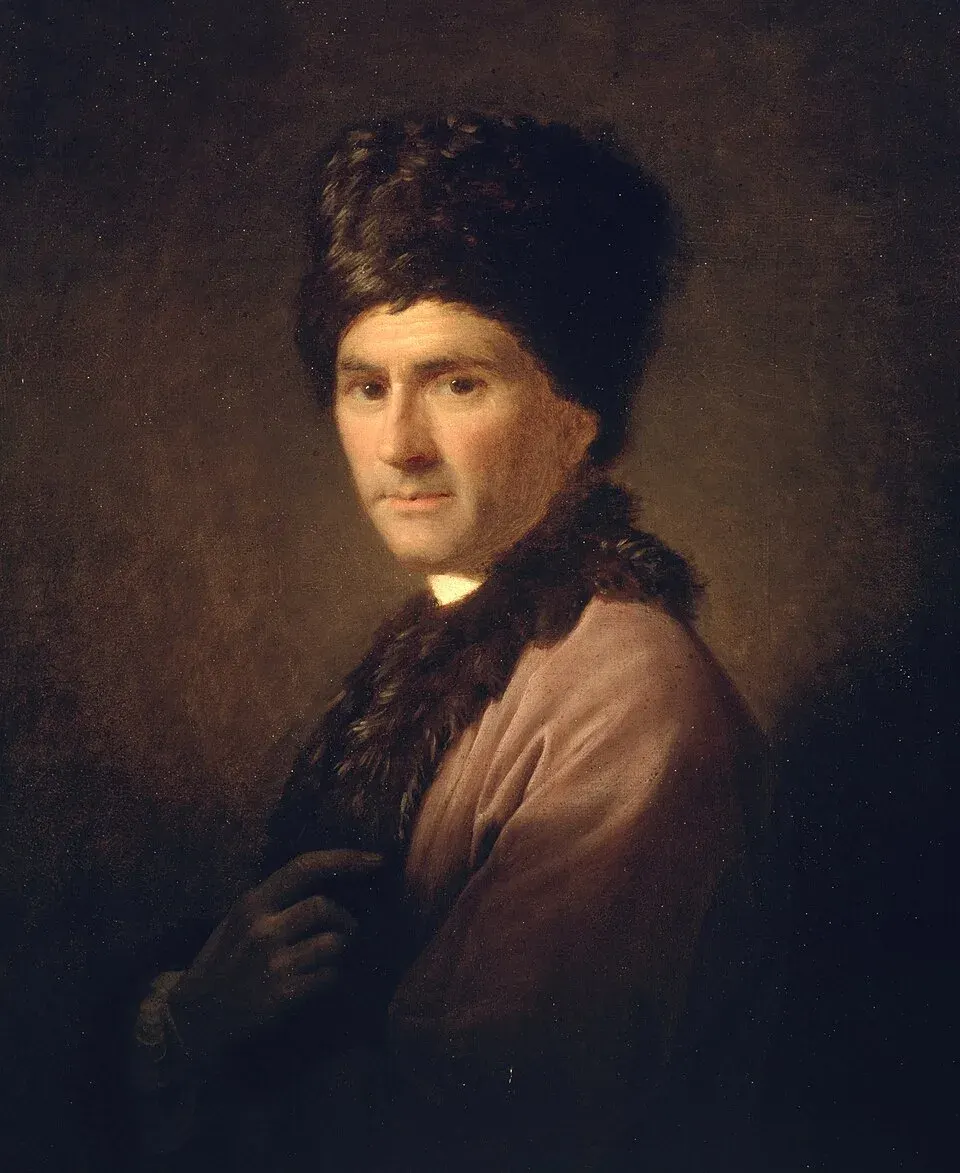
Born Free, Everywhere in Chains: Rousseau's "The Social Contract"
Jean-Jacques Rousseau's The Social Contract opens with a thunderclap of a sentence: man is born free, and everywhere he is in chains.
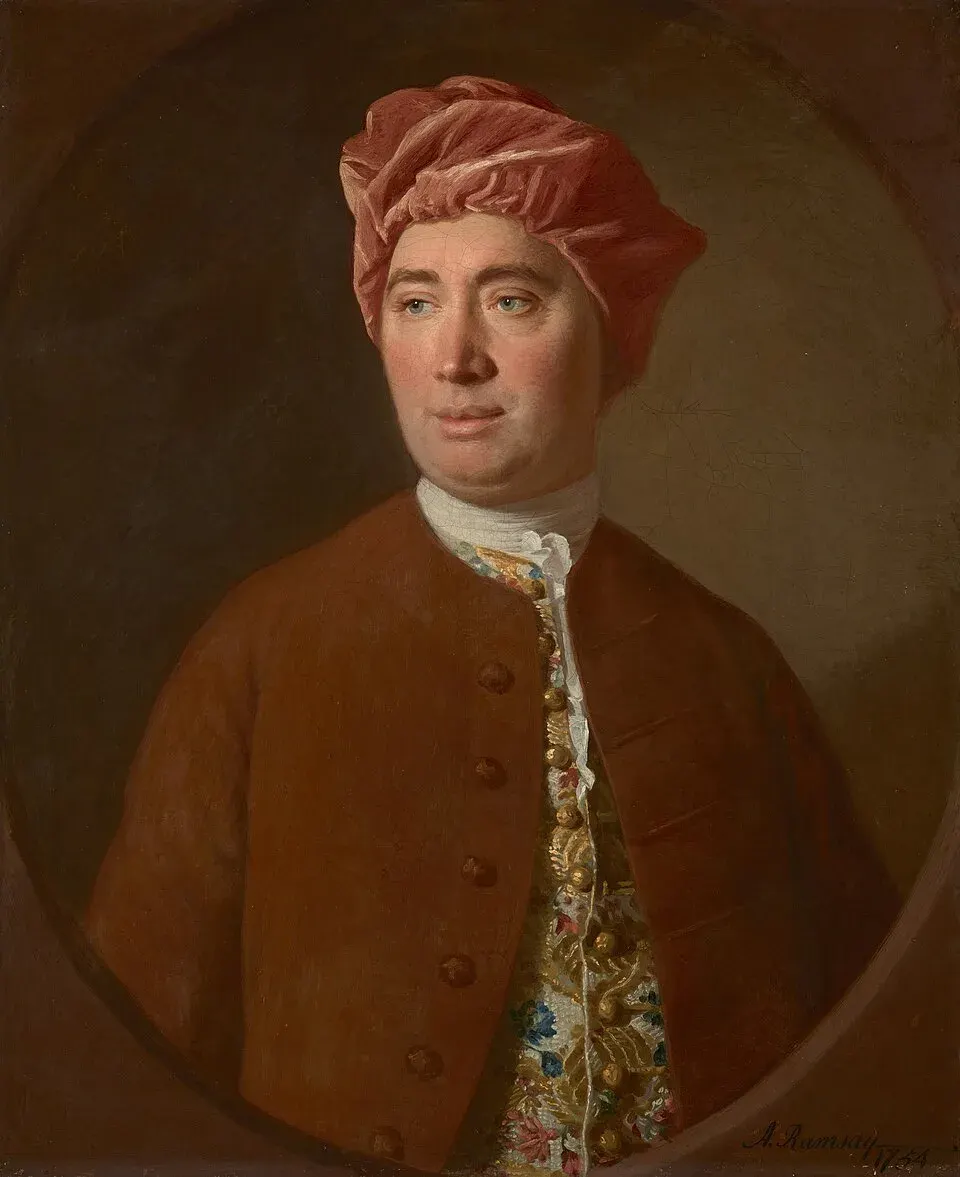
The Limits of Reason: Hume and the Problem of Cause and Effect
Hume's Enquiry Concerning Human Understanding: the problem of induction, why we never observe causation and custom as the great guide of life.
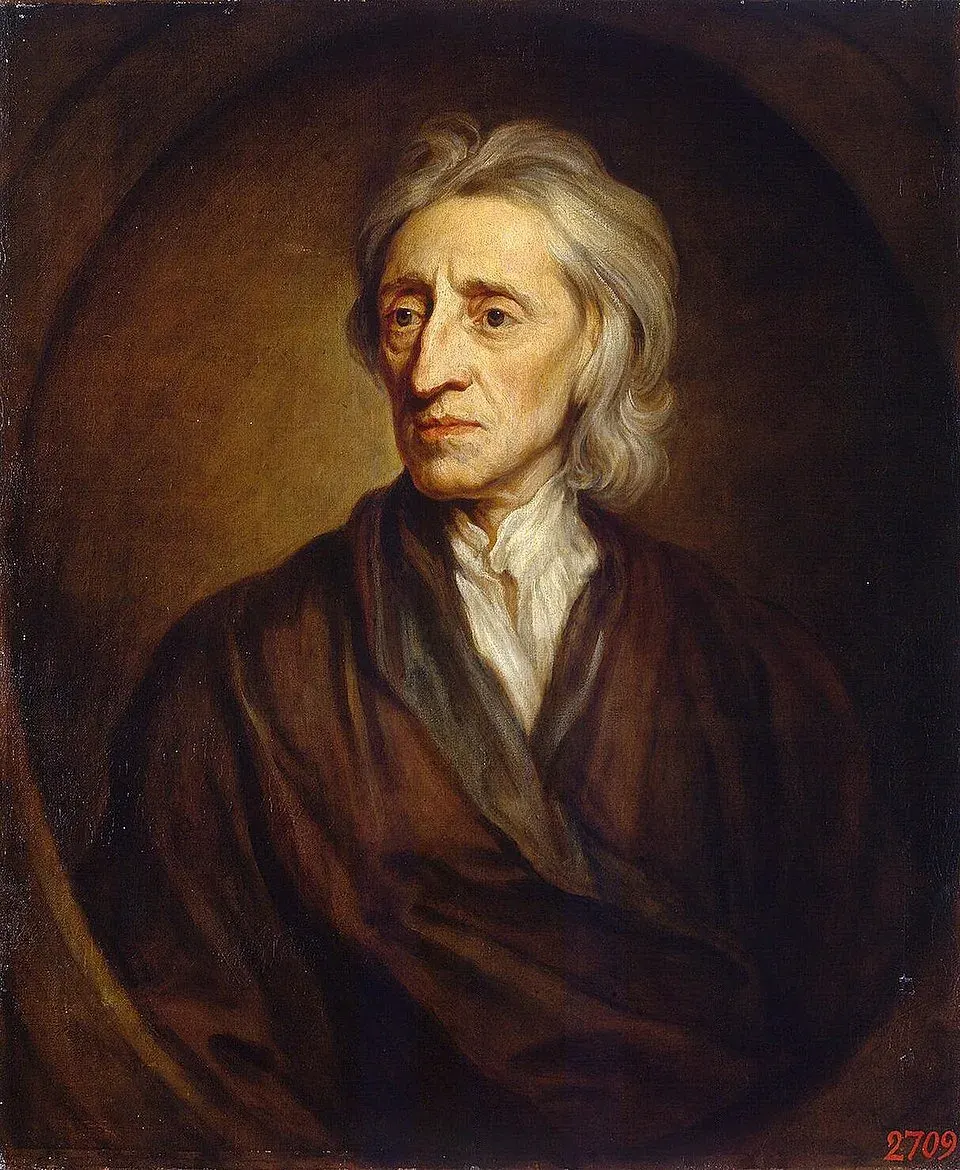
The Mind as Blank Slate: Locke on Where Knowledge Comes From
Locke's Essay Concerning Human Understanding: the mind as a blank slate, knowledge built from experience and why it matters for education and politics.
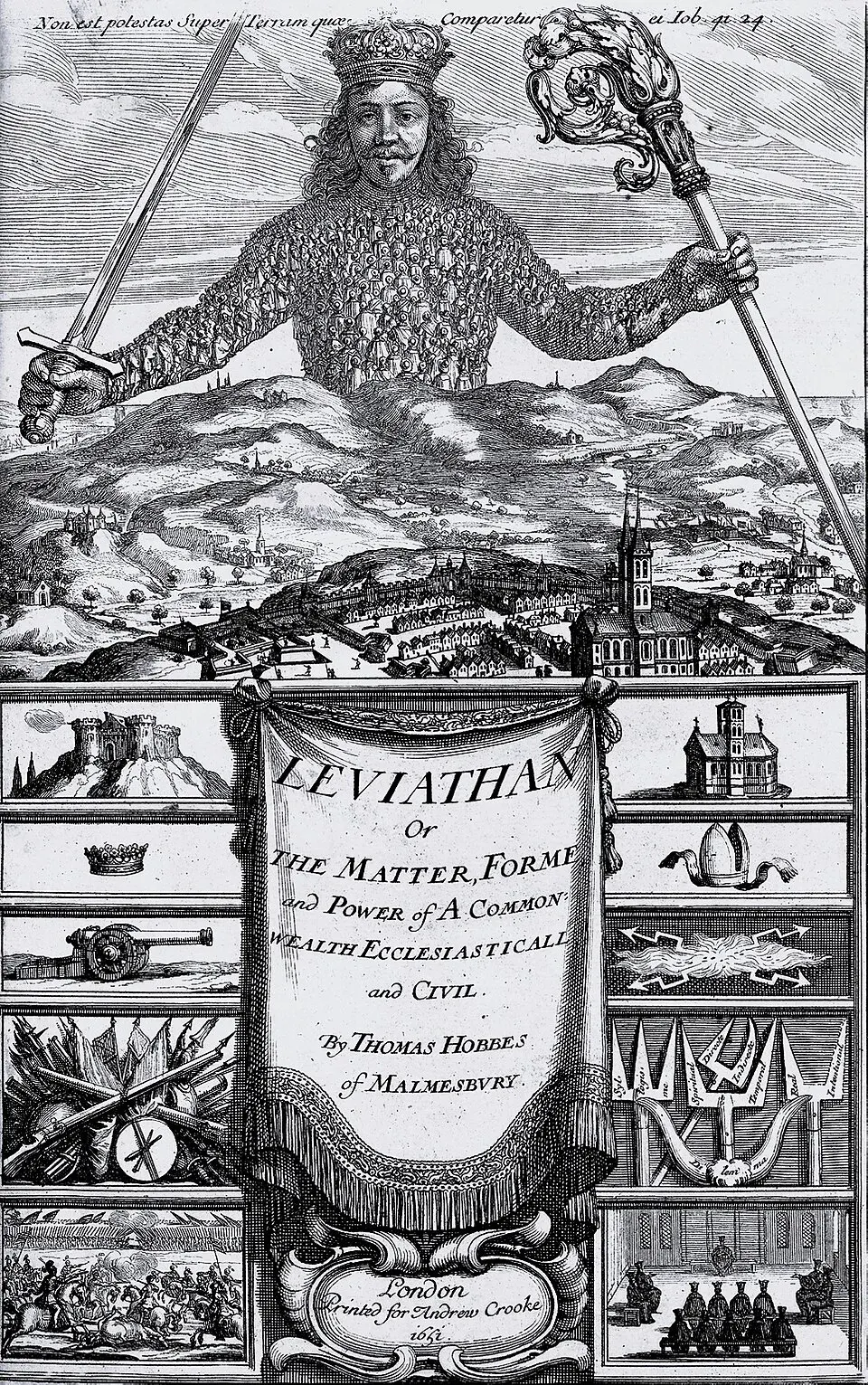
Nasty, Brutish, and Short: Hobbes' "Leviathan" and the Birth of the State
Thomas Hobbes wrote Leviathan in the shadow of the English Civil War, and you can feel the trauma of that chaos on every page.
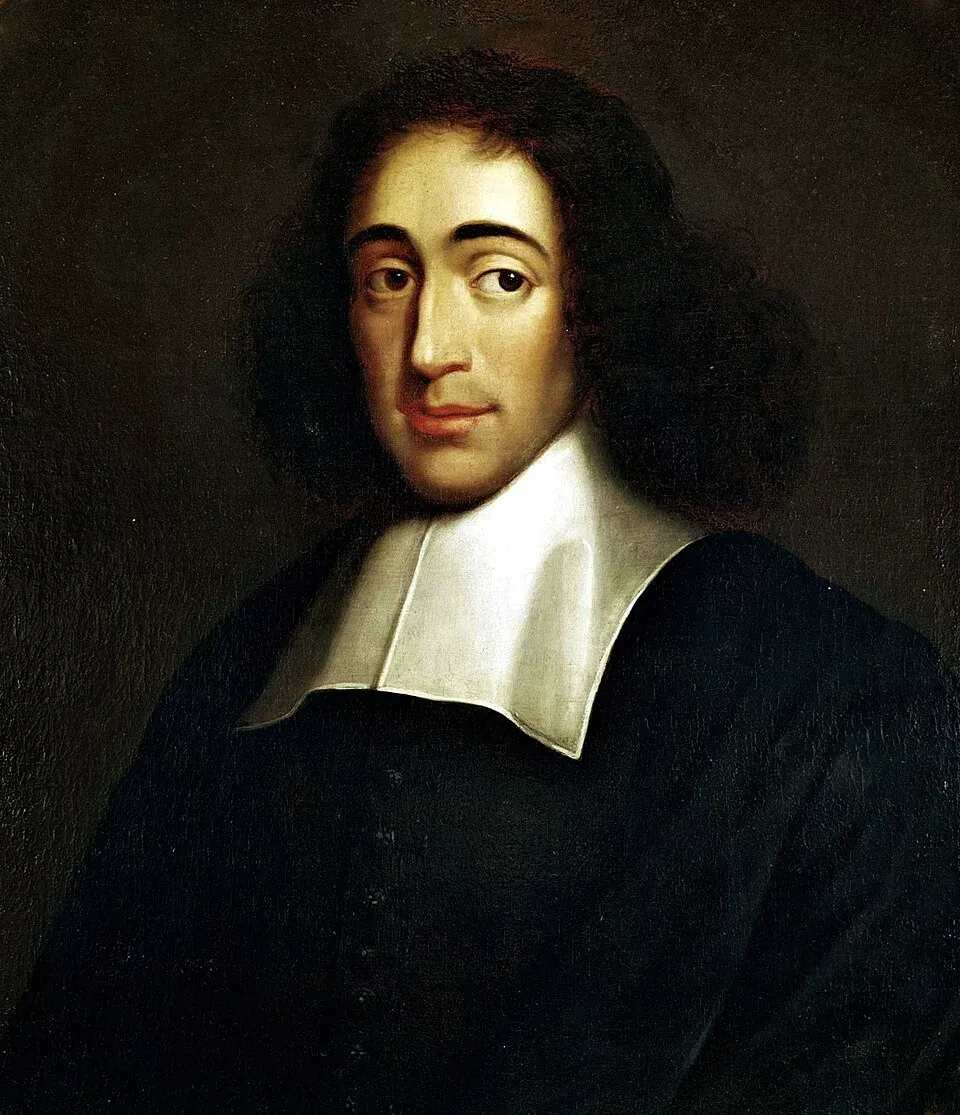
God, or Nature: The Serene Vision of Spinoza's "Ethics"
Baruch Spinoza's Ethics is one of the strangest and most beautiful books in philosophy, and one of the most demanding.
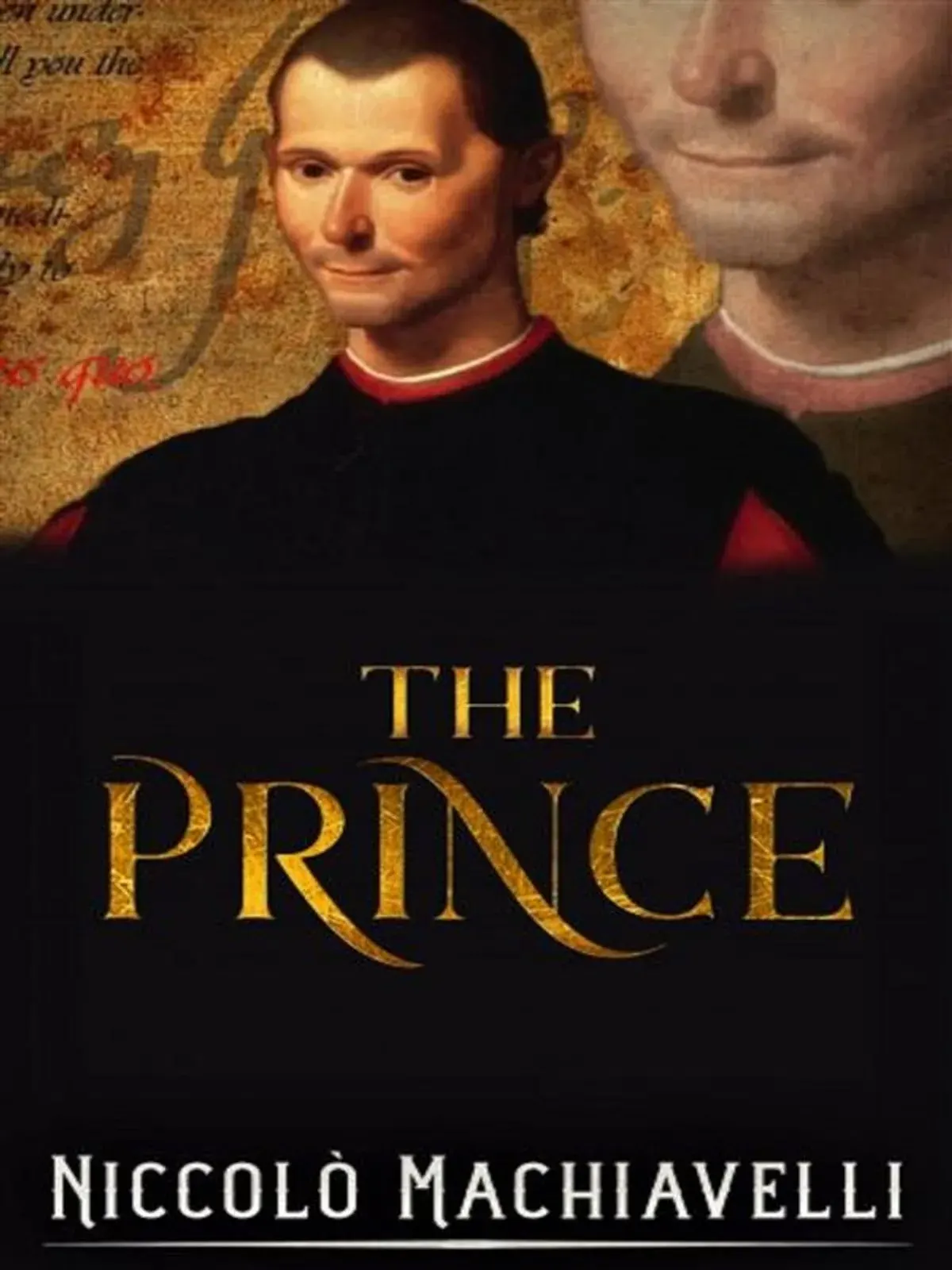
Unveiling the Machiavellian Mind: Lessons from Niccolò Machiavelli's "The Prince"
Lessons from Machiavelli's The Prince: the nature of power, prudence and realism, fortuna and virtù and the importance of public perception.
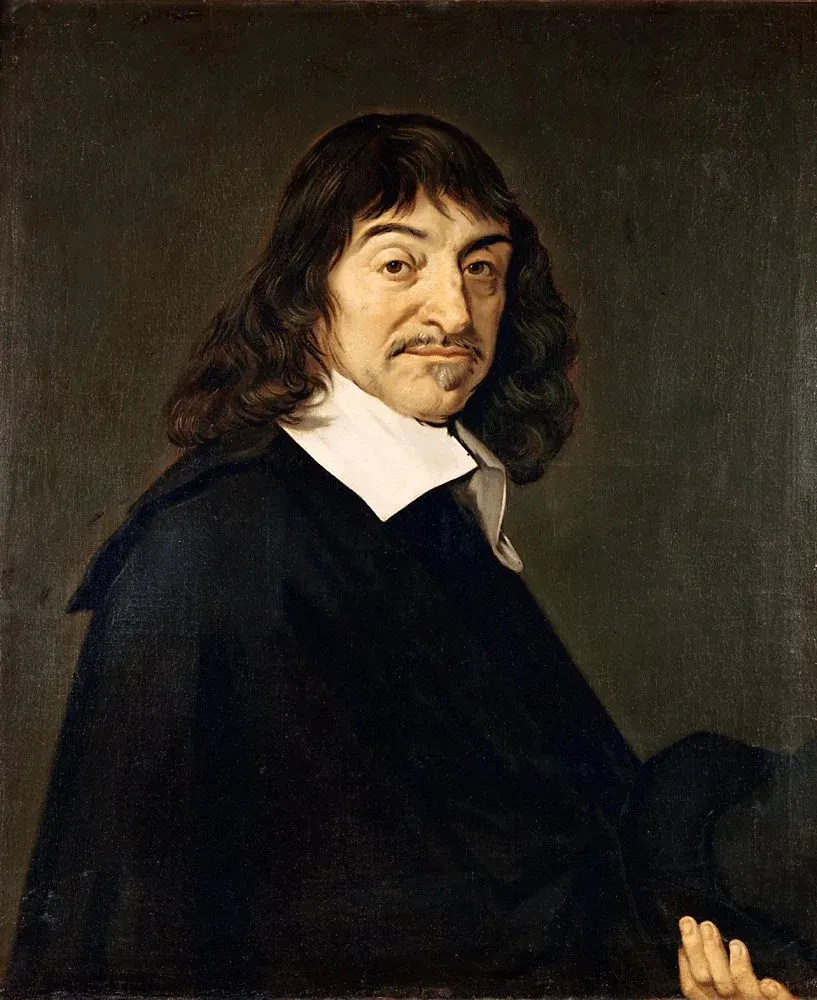
I Think, Therefore I Am: Descartes and the Search for Certainty
With Descartes, philosophy turns a corner, and you can feel it happening inside his Meditations on First Philosophy.
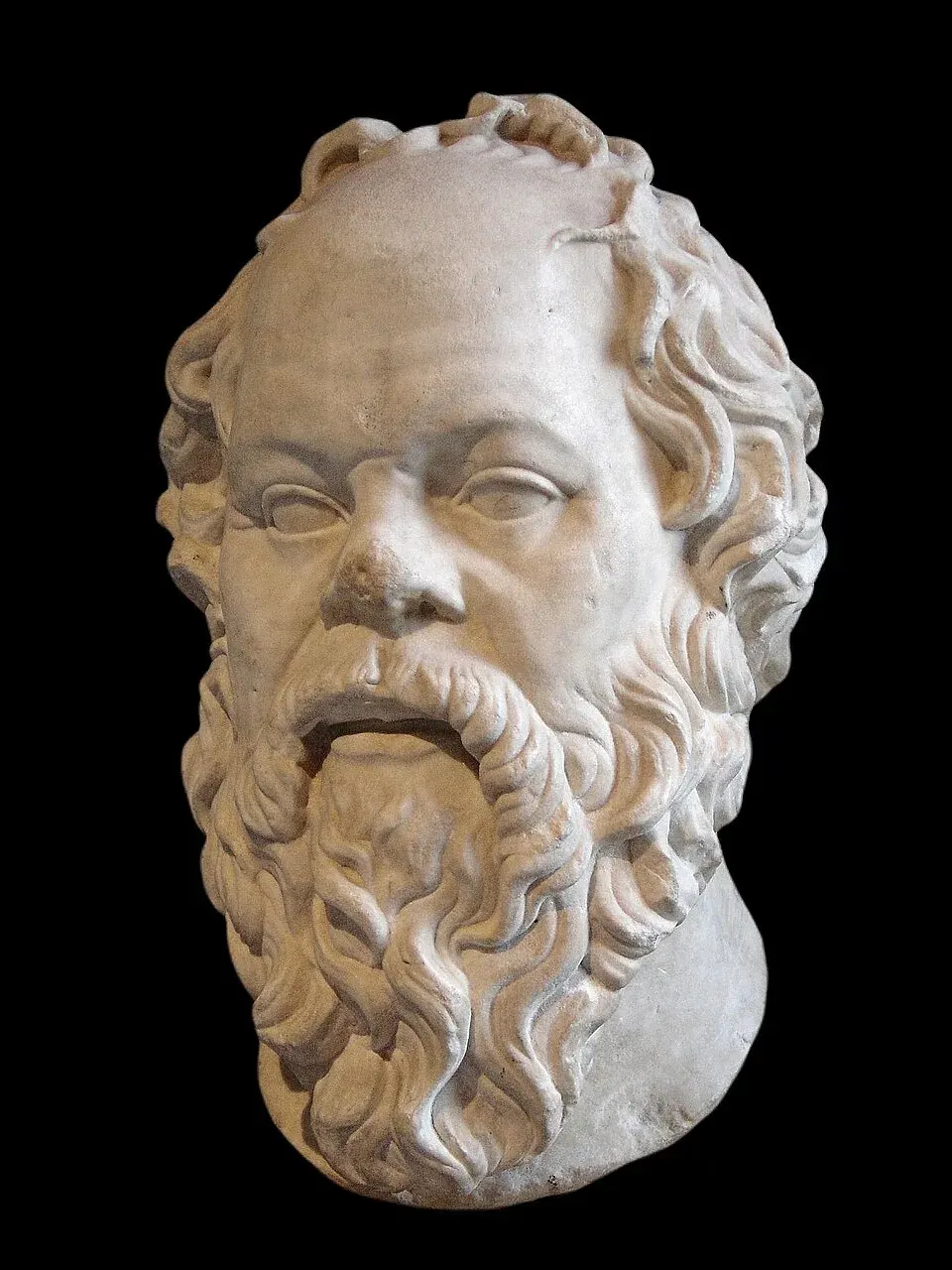
On the Immortality of the Soul: Socrates' Last Hours in Plato's "Phaedo"
Plato's Phaedo recounts the last hours of Socrates, the day he drank the hemlock and died.
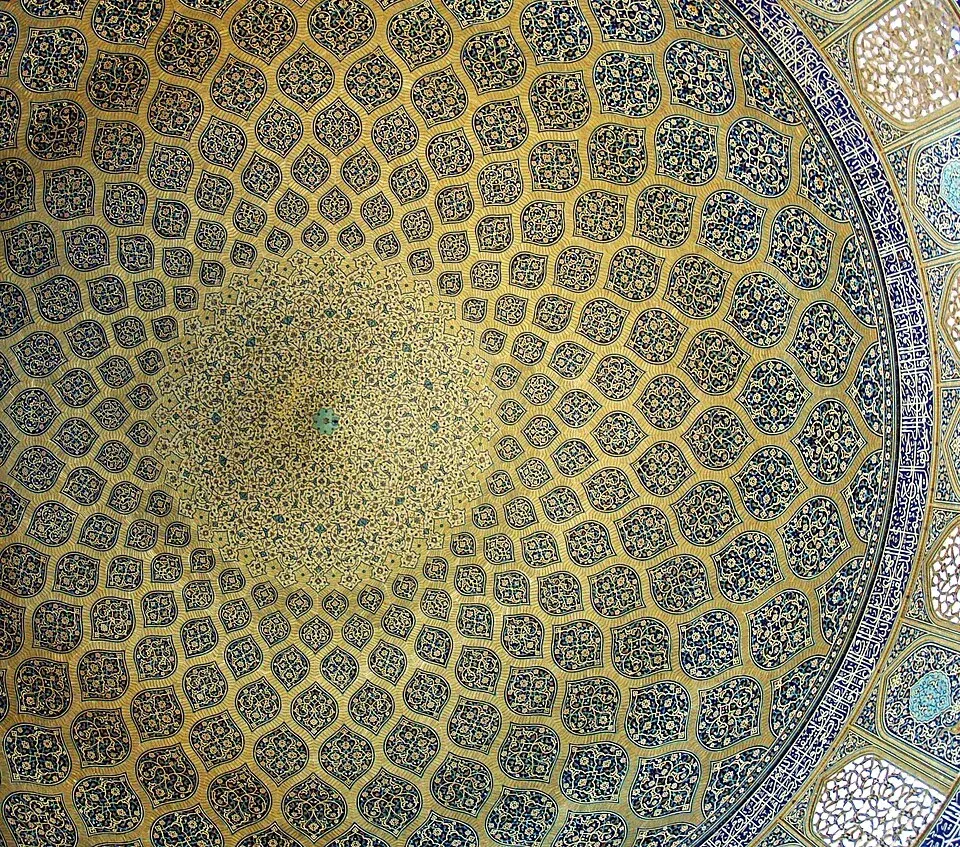
The Unity of Being: An Encounter with Ibn Arabi
An encounter with Ibn Arabi's The Bezels of Wisdom: the Unity of Being, the world as a divine mirror and the humility that difficult wisdom demands.
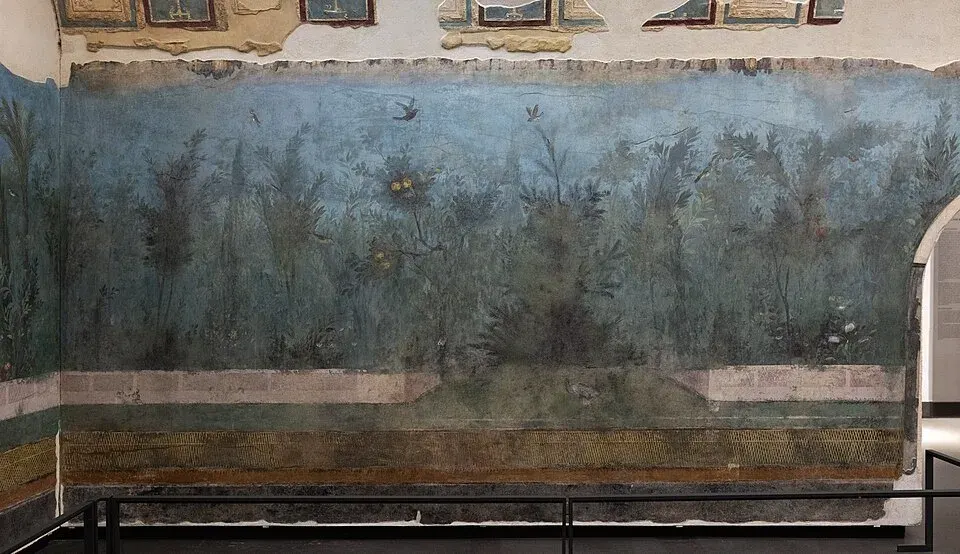
Atoms and the Fear of Death: Lucretius' "On the Nature of Things"
Lucretius' On the Nature of Things explains the universe through atoms and void and argues that death is nothing to fear. Why this ancient poem still matters.
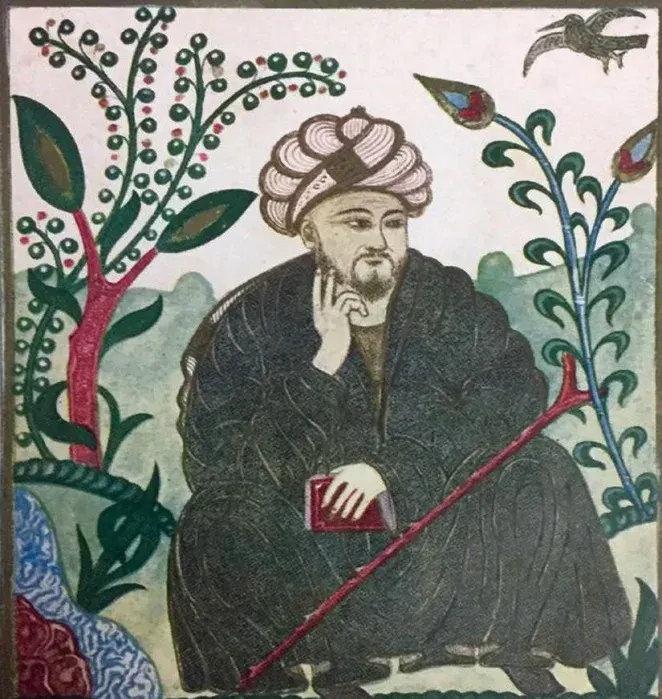
The Philosopher-King Revisited: Al-Farabi's "The Virtuous City"
Al-Farabi's The Virtuous City: the city as a living whole, the philosopher-prophet ruler and how he wove Plato, Aristotle and Islamic thought together.
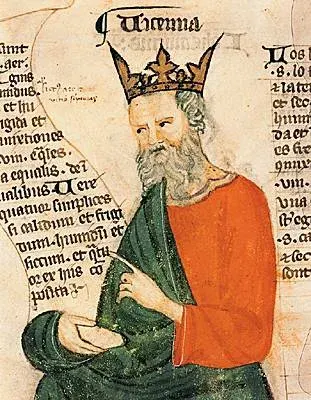
The Floating Man: Avicenna and the Mystery of the Self
Avicenna's Floating Man thought experiment: why self-awareness needs no senses, and how it anticipated Descartes' cogito by six centuries.
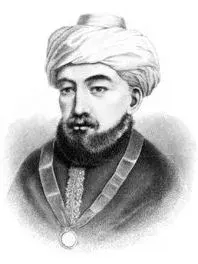
Reason and Revelation: Maimonides' "Guide for the Perplexed"
Maimonides' Guide for the Perplexed: reconciling faith and reason, metaphor in scripture and negative theology, knowing God by what God is not.
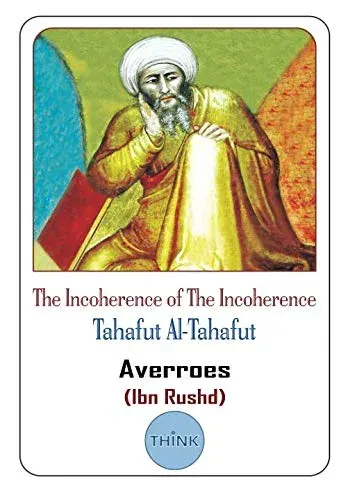
Exploring the Depths of "The Incoherence of the Incoherence"
In the vast ocean of philosophical discourse, certain works emerge as guiding stars, illuminating the path to deeper understanding and critical inquiry.
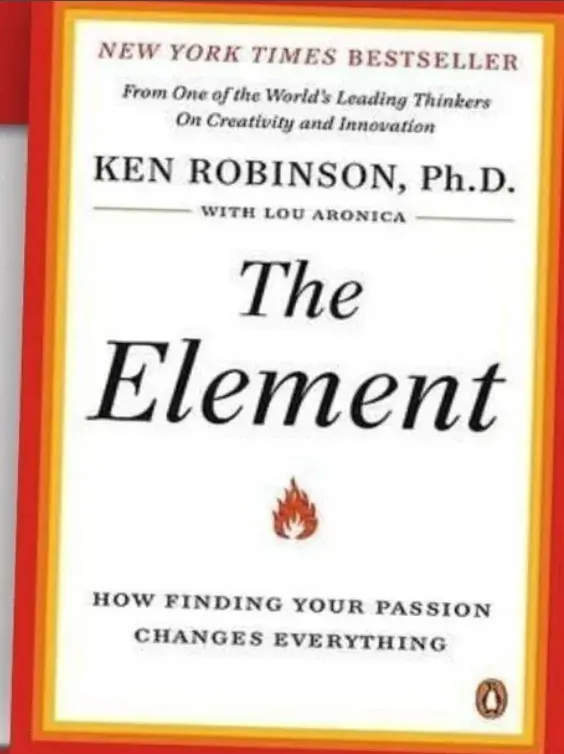
What I Learned from The Element by Sir Ken Robinson
Most of us have been asked, "What do you want to be when you grow up?" But rarely are we asked, "What are you good at, and what do you truly love doing?"
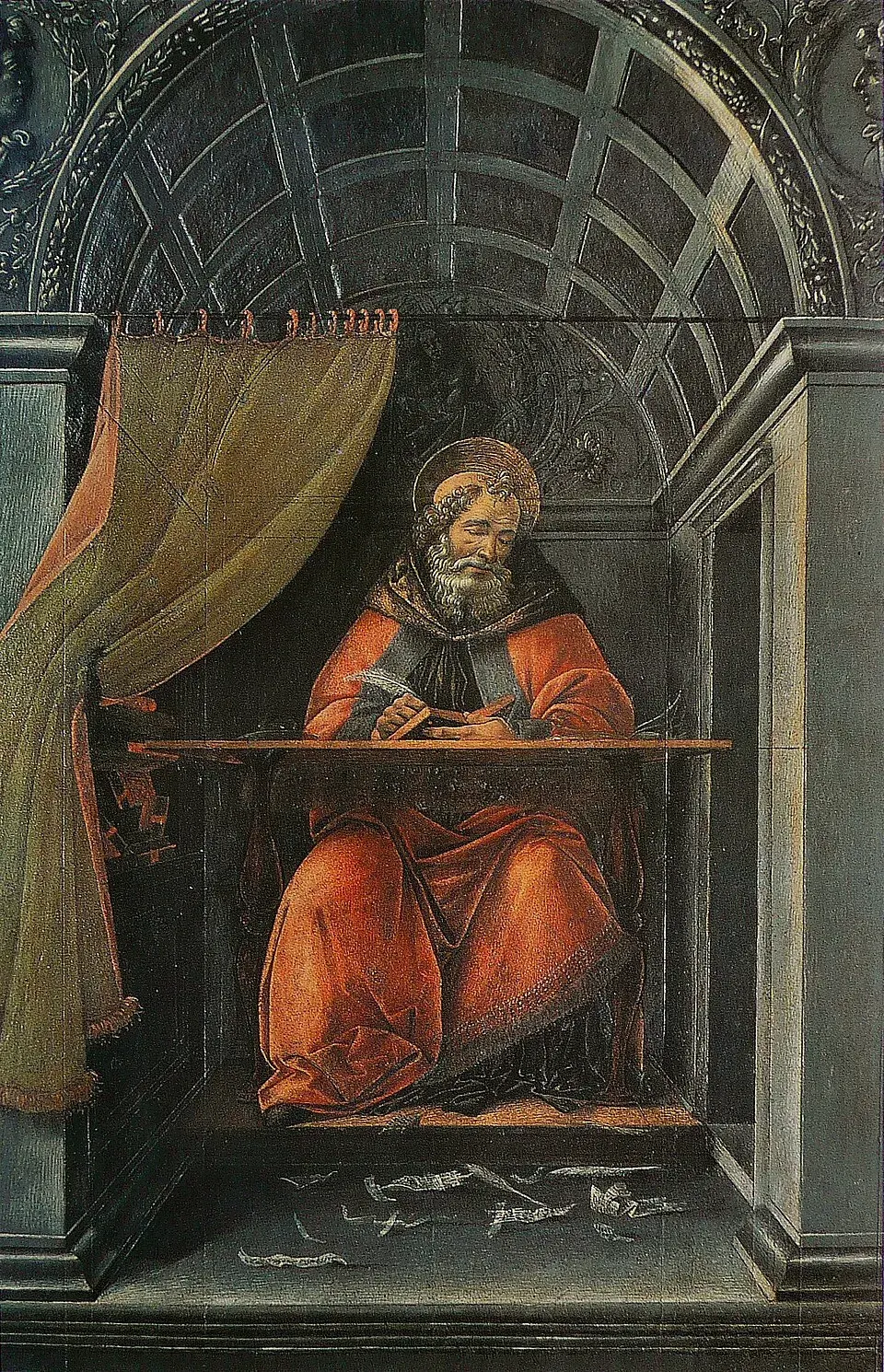
A Restless Heart: Reflections on Augustine's "Confessions"
Augustine's Confessions, written around 400 CE, is often called the first true autobiography, and reading it I understood why.
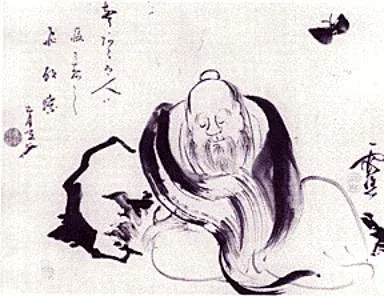
The Butterfly Dream: Freedom and Flow in Zhuangzi
If the Tao Te Ching is the calm, aphoristic face of Taoism, Zhuangzi is its laughing, mischievous one.
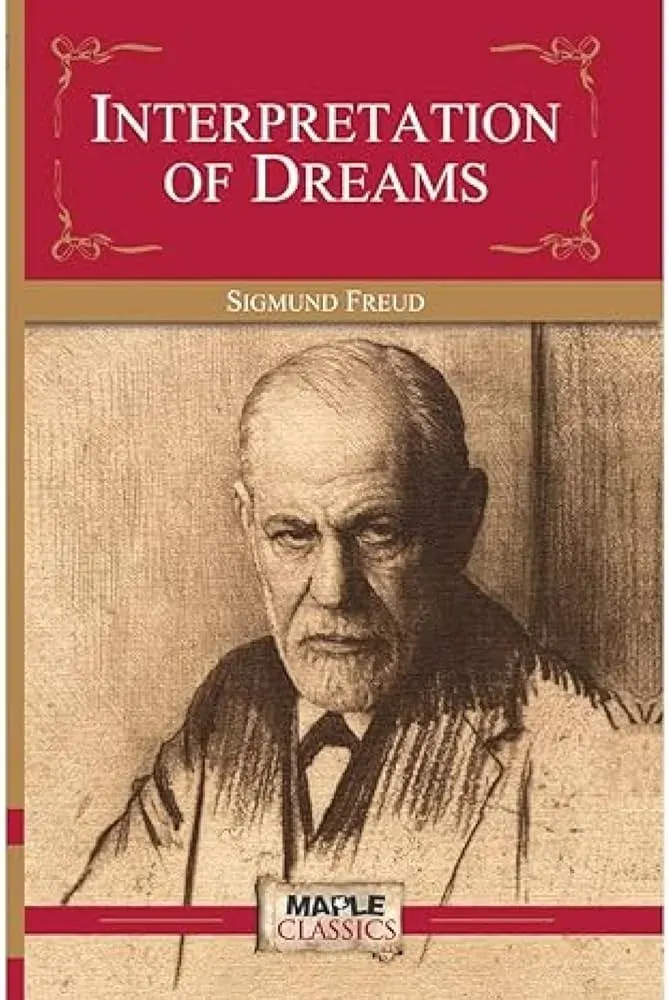
Unlocking the Depths of the Mind: Lessons from Freud's "The Interpretation of Dreams"
Lessons from Freud's The Interpretation of Dreams: the unconscious, dreams as wish fulfillment, symbolism and dream work, and their lasting influence.
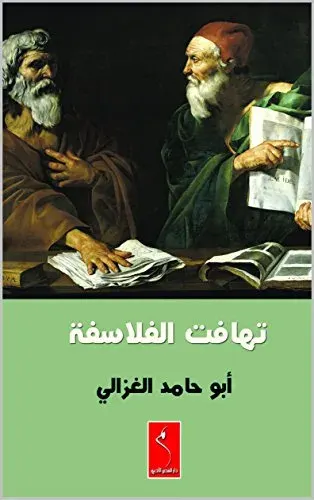
Unveiling the Wisdom of "The Incoherence of the Philosophers"
In the realm of philosophical discourse, few works stand as towering monuments of intellectual inquiry like "The Incoherence of the Philosophers".
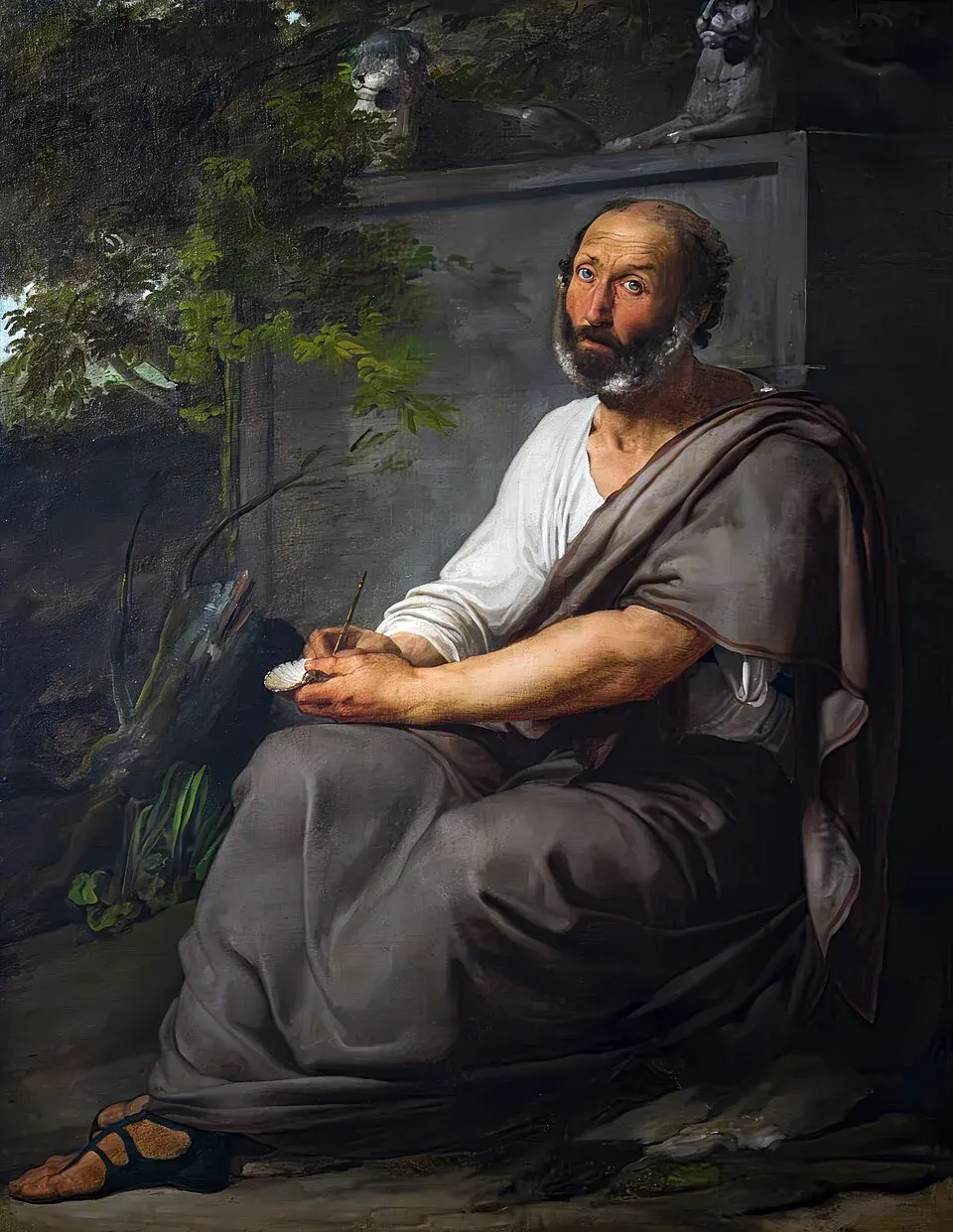
Man, the Political Animal: Insights from Aristotle's "Politics"
Having read Aristotle's ethics, I turned to his Politics expecting a change of subject.
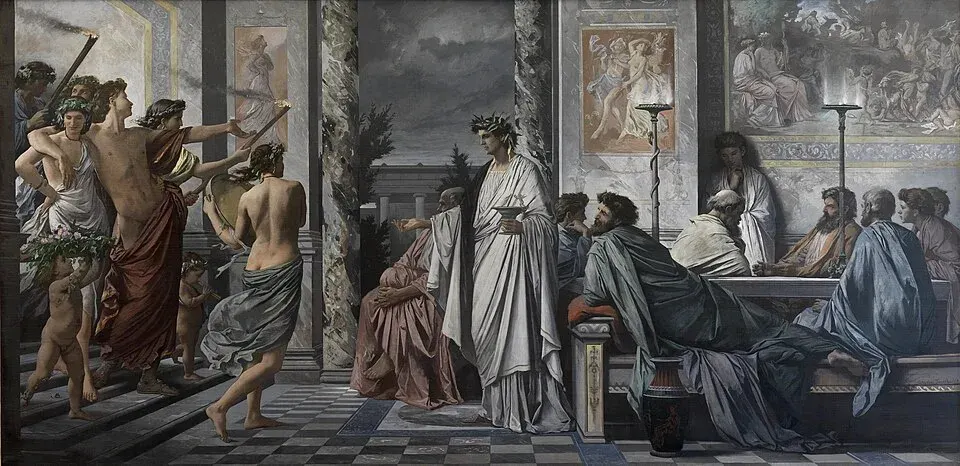
The Ladder of Love: Exploring Plato's "Symposium"
Plato's Symposium explained: Aristophanes' myth of our other half, love born of lack and the ladder of love rising toward Beauty itself.
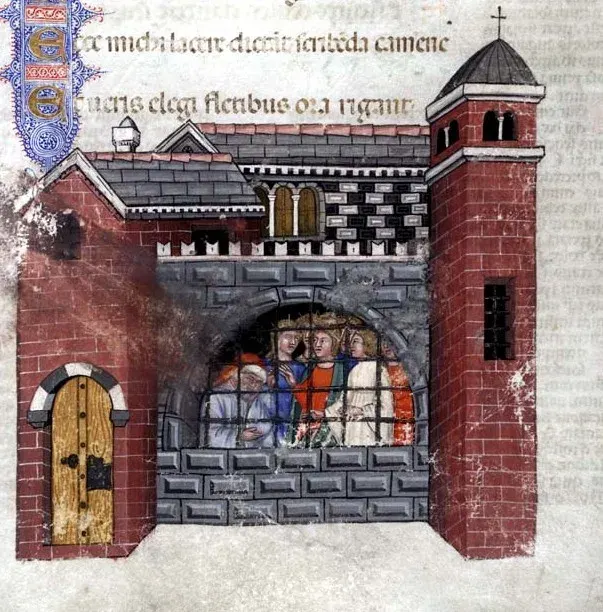
The Wheel of Fortune: Boethius and the Consolation of Philosophy
Boethius wrote The Consolation of Philosophy in a prison cell, awaiting execution on charges he believed were false.