Philosophy & Thinking
Big ideas from the thinkers who shaped them.
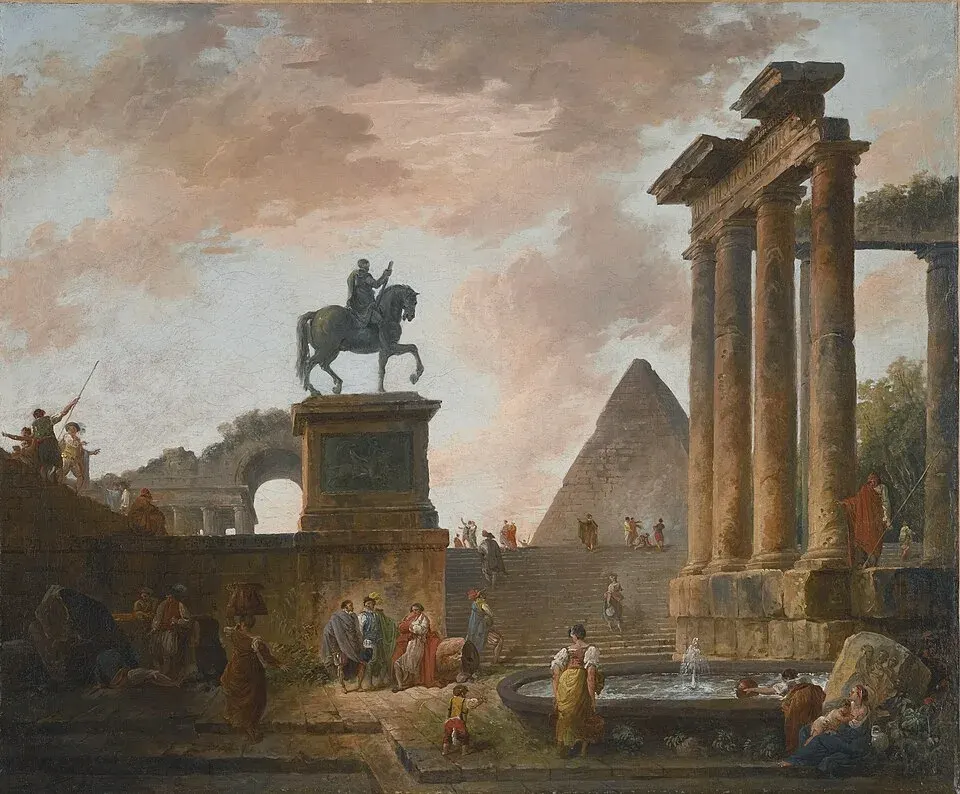
Philosophizing With a Hammer: Nietzsche's "Twilight of the Idols"
Nietzsche's Twilight of the Idols: philosophizing with a hammer, the attack on Socrates and reason, and a philosophy of saying yes to life.
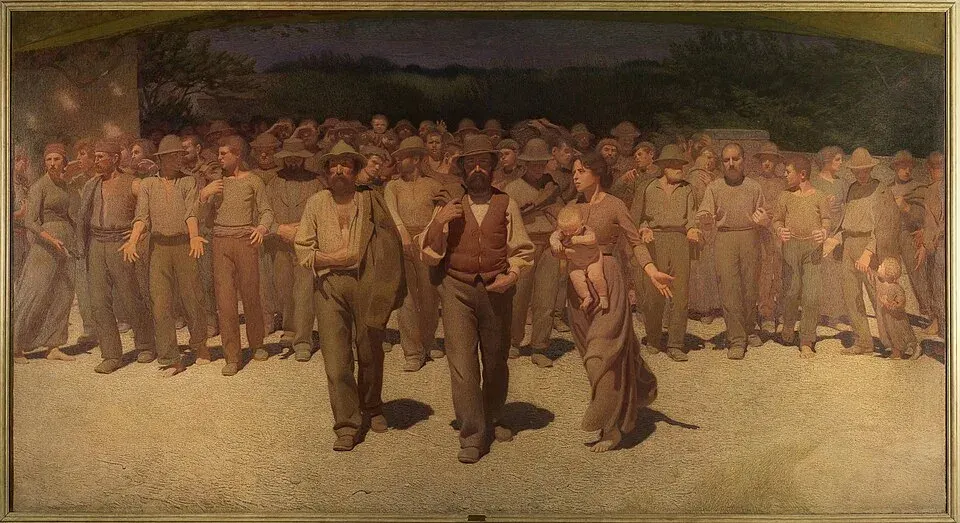
Why We Run From Freedom: Erich Fromm's "Escape from Freedom"
Erich Fromm's Escape from Freedom: why people surrender freedom to authoritarianism, conformity and destructiveness, and the freedom worth having.
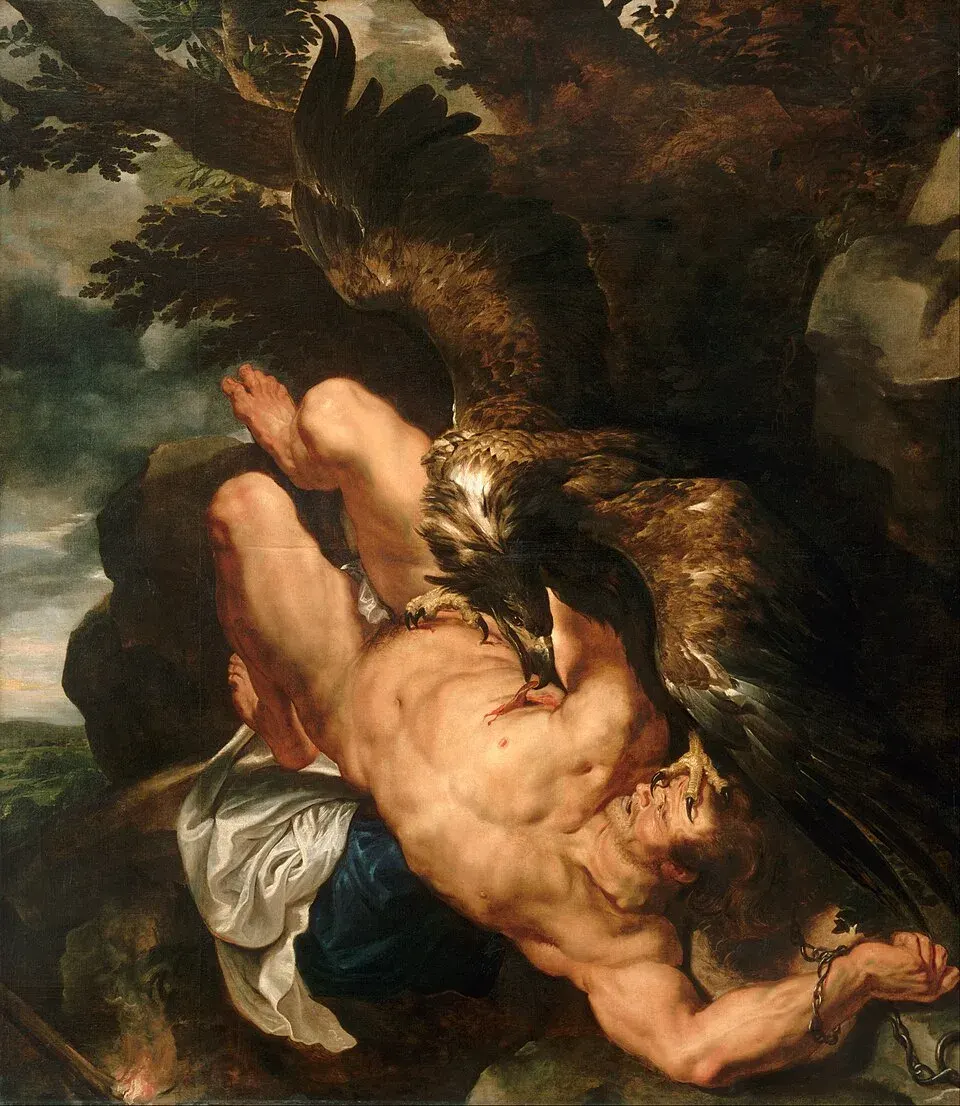
I Rebel, Therefore We Exist: Camus' "The Rebel"
Albert Camus's The Rebel is his great philosophical essay on revolt, and it is a far more political and historical work than The Myth of Sisyphus.
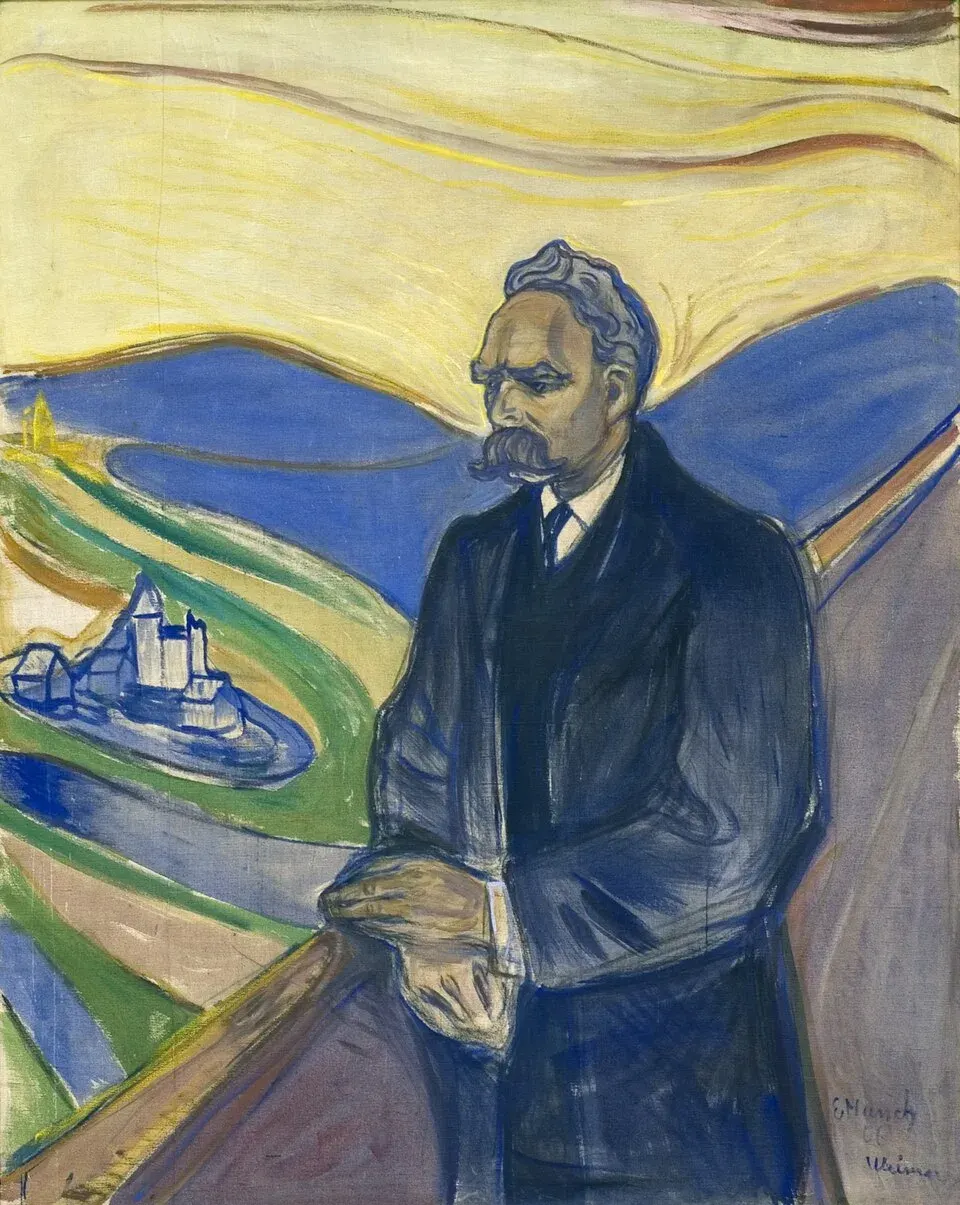
Where Do "Good" and "Evil" Come From? Nietzsche's "Genealogy of Morals"
Nietzsche's On the Genealogy of Morals: master and slave morality, ressentiment, the bad conscience and questioning the value of our values.
Freedom and Responsibility: Simone de Beauvoir's "The Ethics of Ambiguity"
Simone de Beauvoir's The Ethics of Ambiguity: how existentialist freedom grounds an ethics of responsibility and willing the freedom of others.
Bad Faith and the Look of the Other: Sartre's "Being and Nothingness"
Sartre's Being and Nothingness explained: bad faith, the Look of the Other and why we are condemned to be free, and how these ideas show up every day.
Exploring Family Dynamics and Generational Conflict: Ivan Turgenev's "Fathers and Sons"
Turgenev's Fathers and Sons: the nihilist Bazarov, the clash between generations and what the novel teaches about family, ideas and love.
Labor, Work, and Action: Hannah Arendt's "The Human Condition"
Hannah Arendt's The Human Condition: labor, work and action, natality and how modern life has eroded our capacity for public action.
God Is Dead, Now What? Nietzsche's "The Gay Science"
Nietzsche's The Gay Science: what "God is dead" really means, the danger of nihilism, eternal recurrence and amor fati.
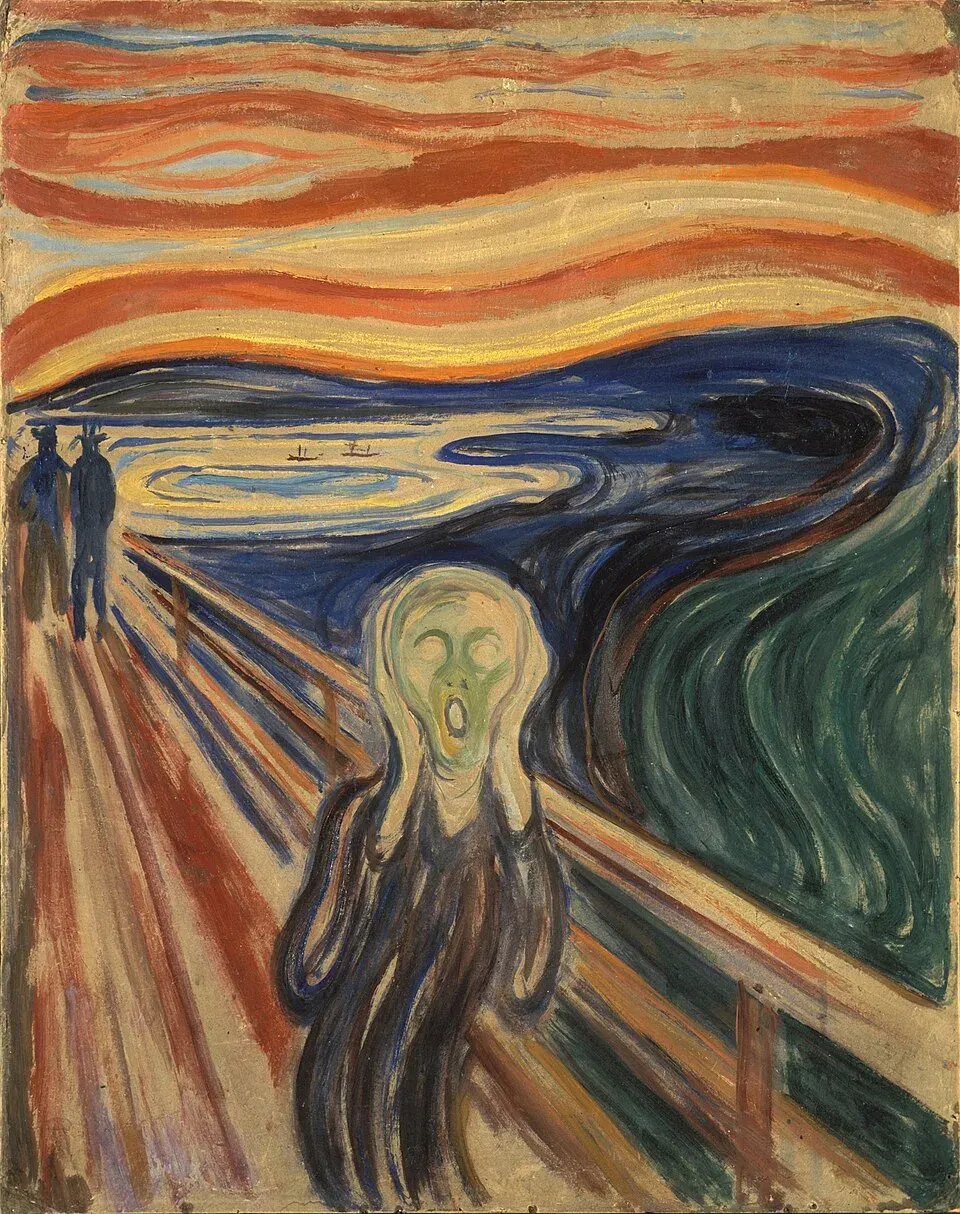
Despair as the Sickness Unto Death: Kierkegaard on the Self
Kierkegaard's The Sickness Unto Death explained: the self as a relation, despair as failing to be oneself, and why despair can lead to faith.
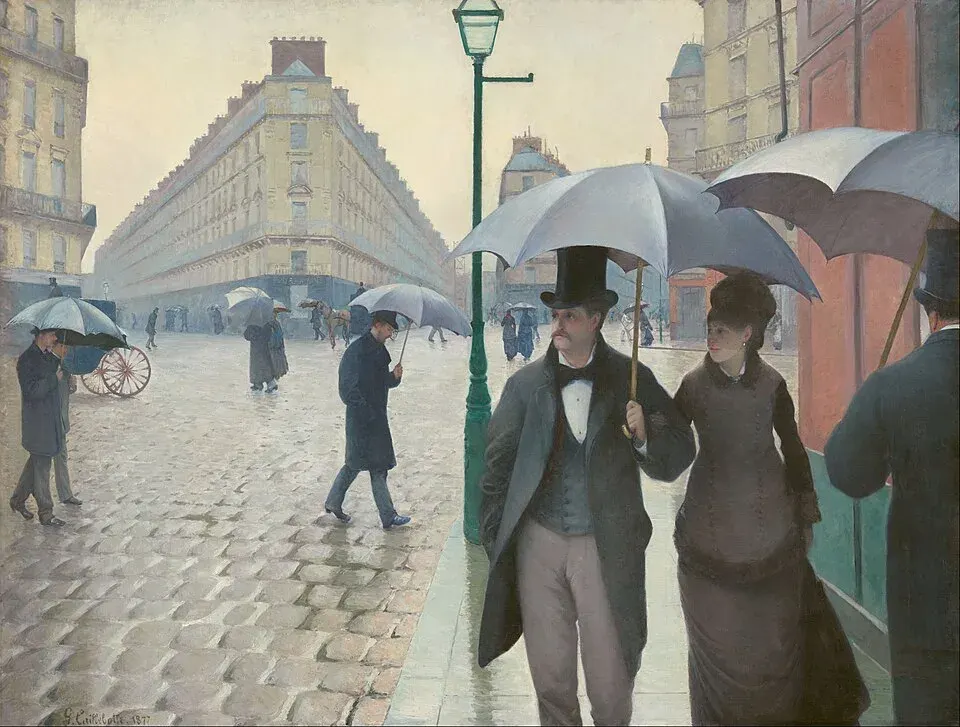
Condemned to Be Free: Sartre's "Existentialism Is a Humanism"
Sartre's Existentialism Is a Humanism explained: existence precedes essence, condemned to be free, bad faith and choosing for all humanity.
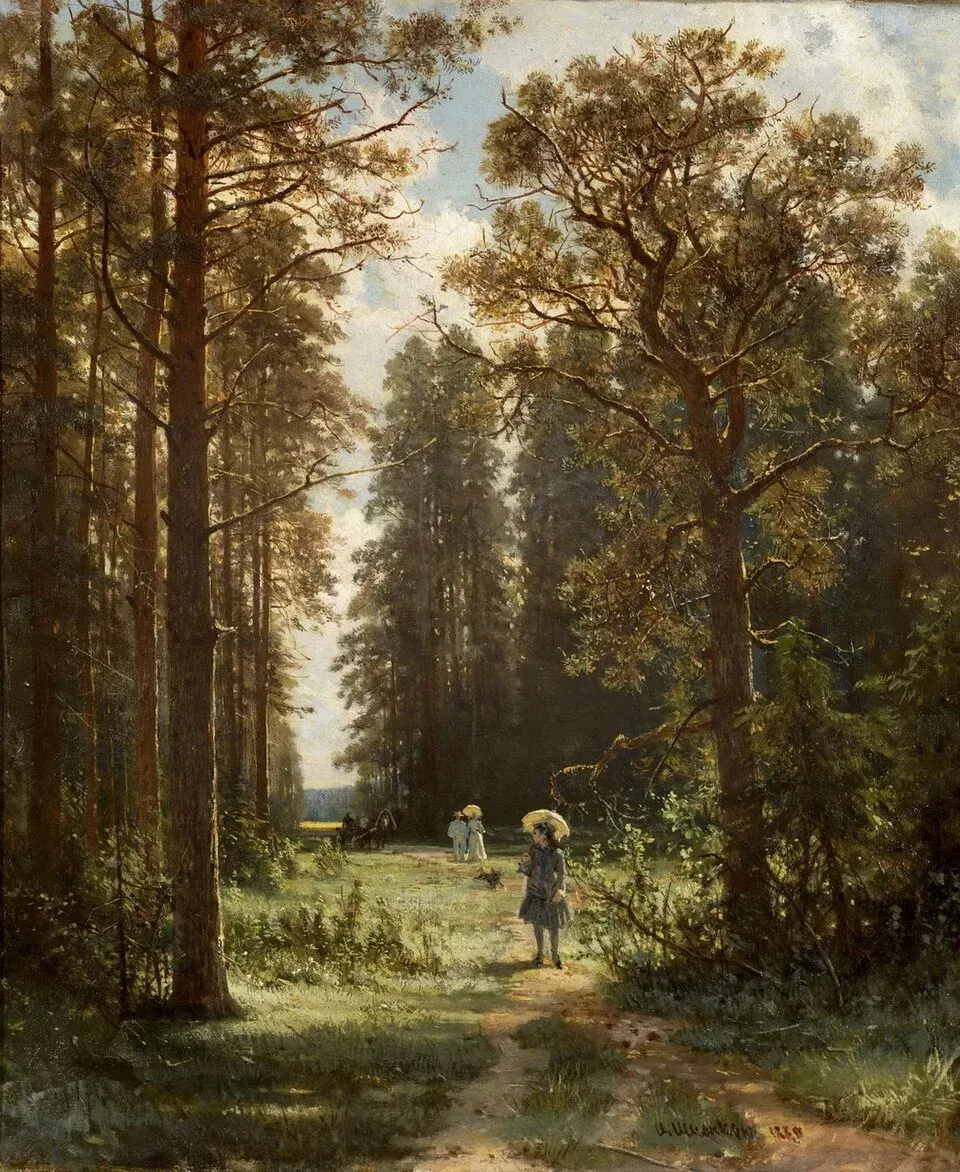
Being-Toward-Death: An Approach to Heidegger's "Being and Time"
Heidegger's Being and Time made approachable: Dasein, being thrown into the world, the they, and how facing death can make us authentic.
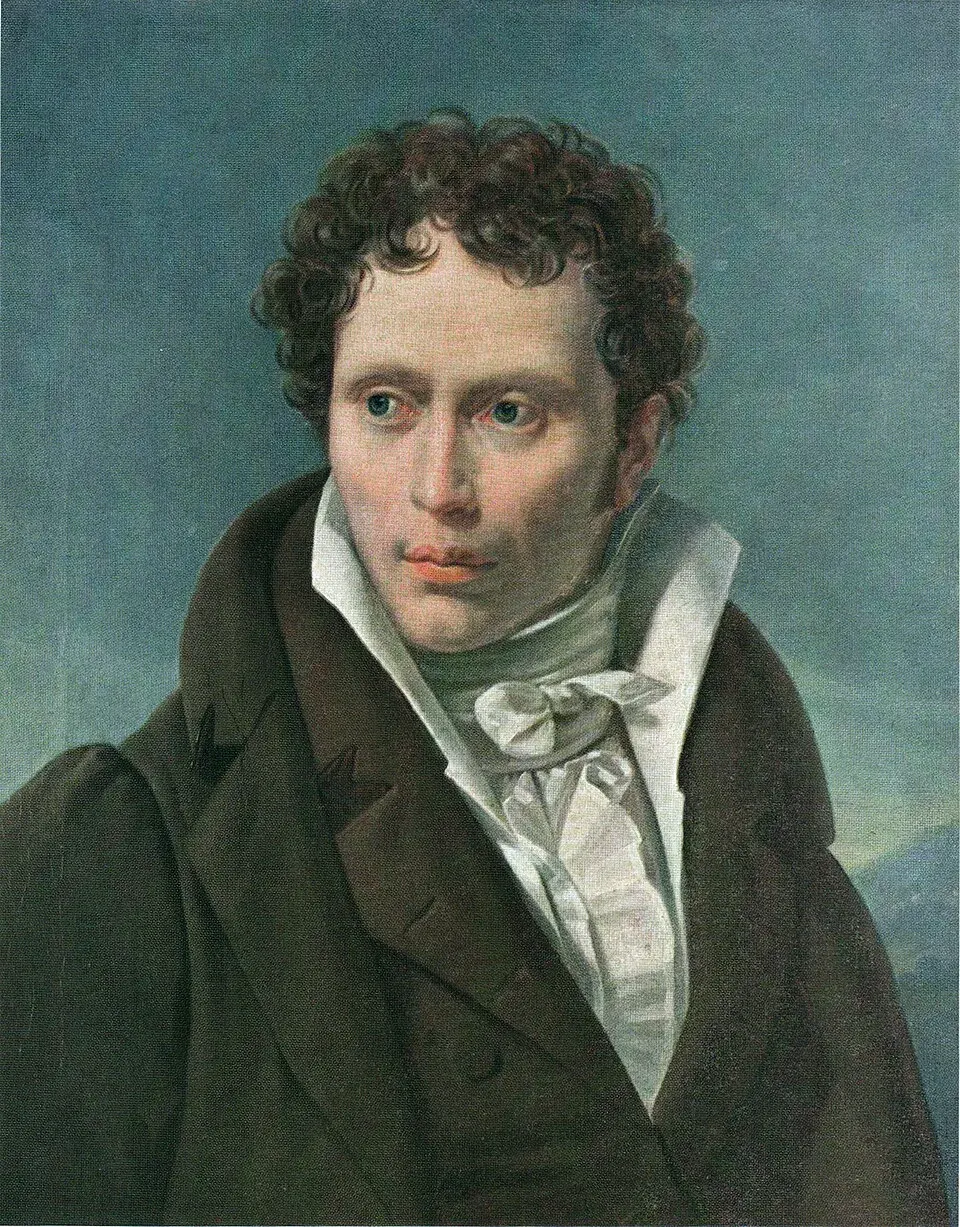
The World as Will: Schopenhauer's Tragic Vision
Schopenhauer's The World as Will and Representation: appearance and the blind Will, why striving means suffering and the escape through art and compassion.
Navigating Life's Maze: Wisdom from William James' Pragmatism
Lessons from William James' Pragmatism: truth as a process, the value of experience, radical empiricism, pluralism and an action-oriented philosophy.
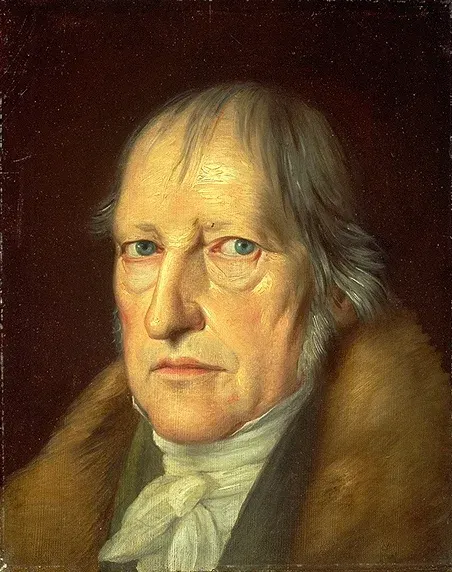
The Long Road of the Spirit: Wrestling with Hegel
Wrestling with Hegel's Phenomenology of Spirit: the dialectic, the master-slave dialectic, truth as the whole and how to read a book this hard.
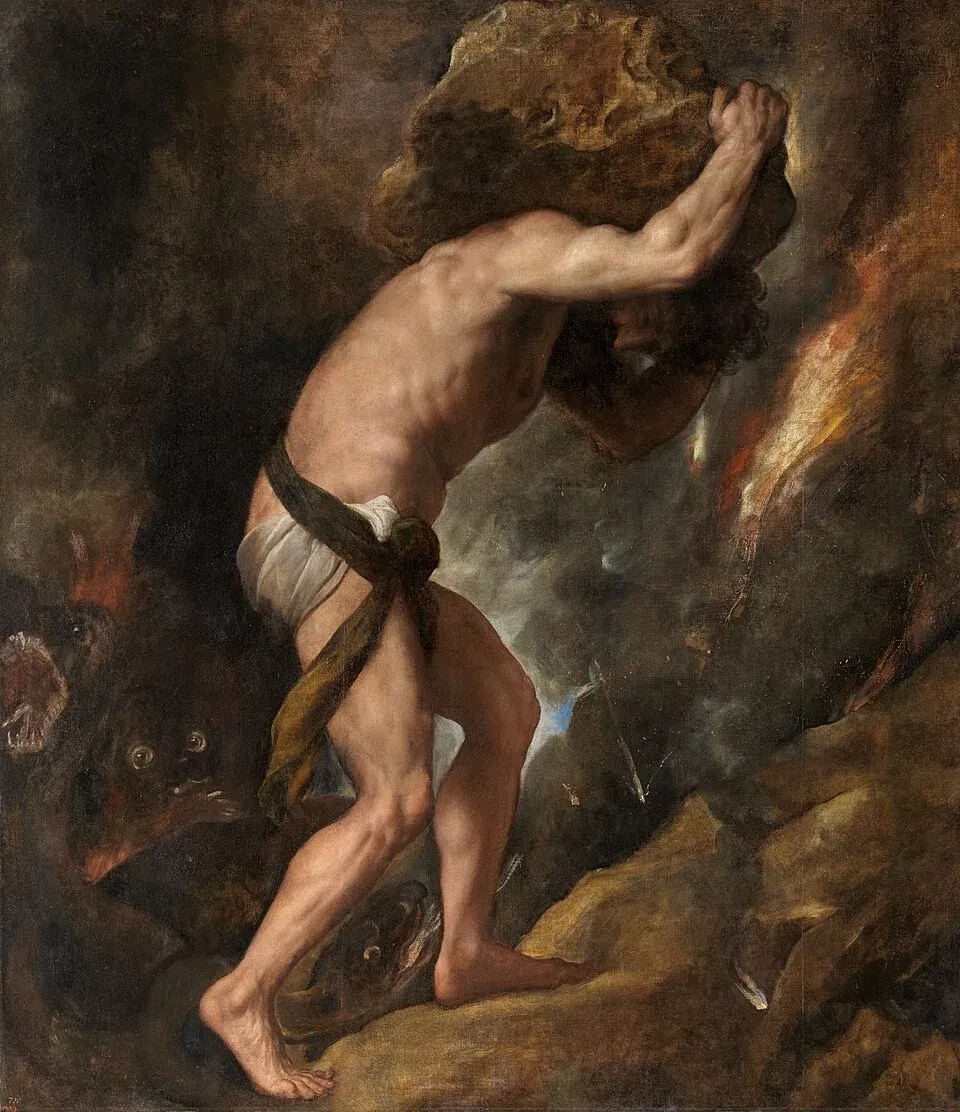
Imagining Sisyphus Happy: Camus on the Absurd
Camus' The Myth of Sisyphus explained: the absurd, why we should refuse both suicide and false hope, and why we must imagine Sisyphus happy.
The Leap of Faith: Kierkegaard's "Fear and Trembling"
Kierkegaard's Fear and Trembling: Abraham and Isaac, the knight of faith, the teleological suspension of the ethical and why faith is so hard.
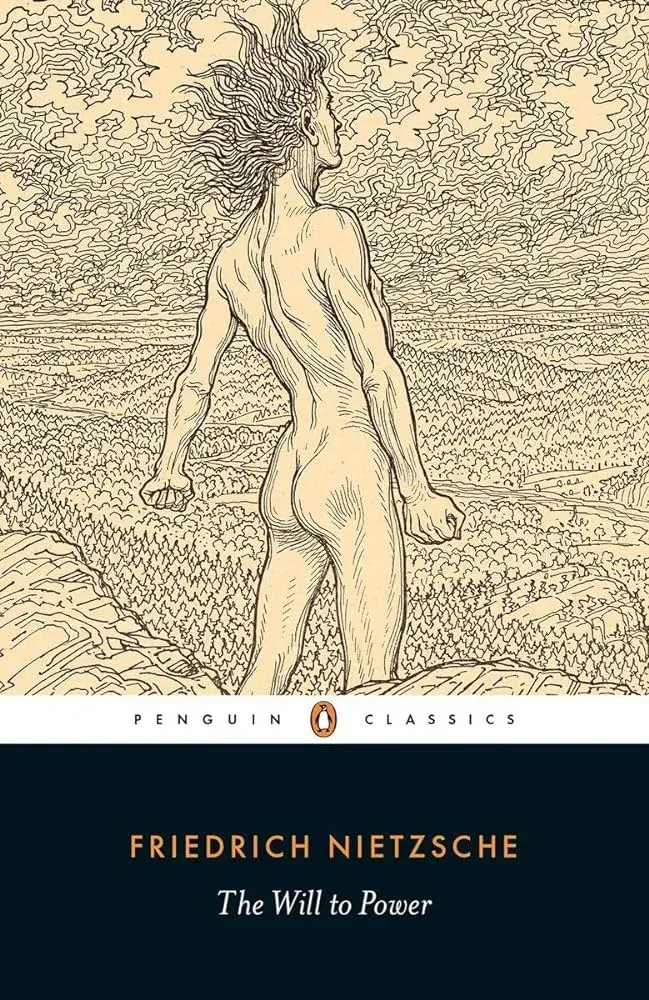
Unveiling the Philosophy of Power: Exploring Friedrich Nietzsche's "The Will to Power"
Exploring Nietzsche's The Will to Power: power as life's driving force, the Übermensch, confronting nihilism and affirming life through eternal recurrence.
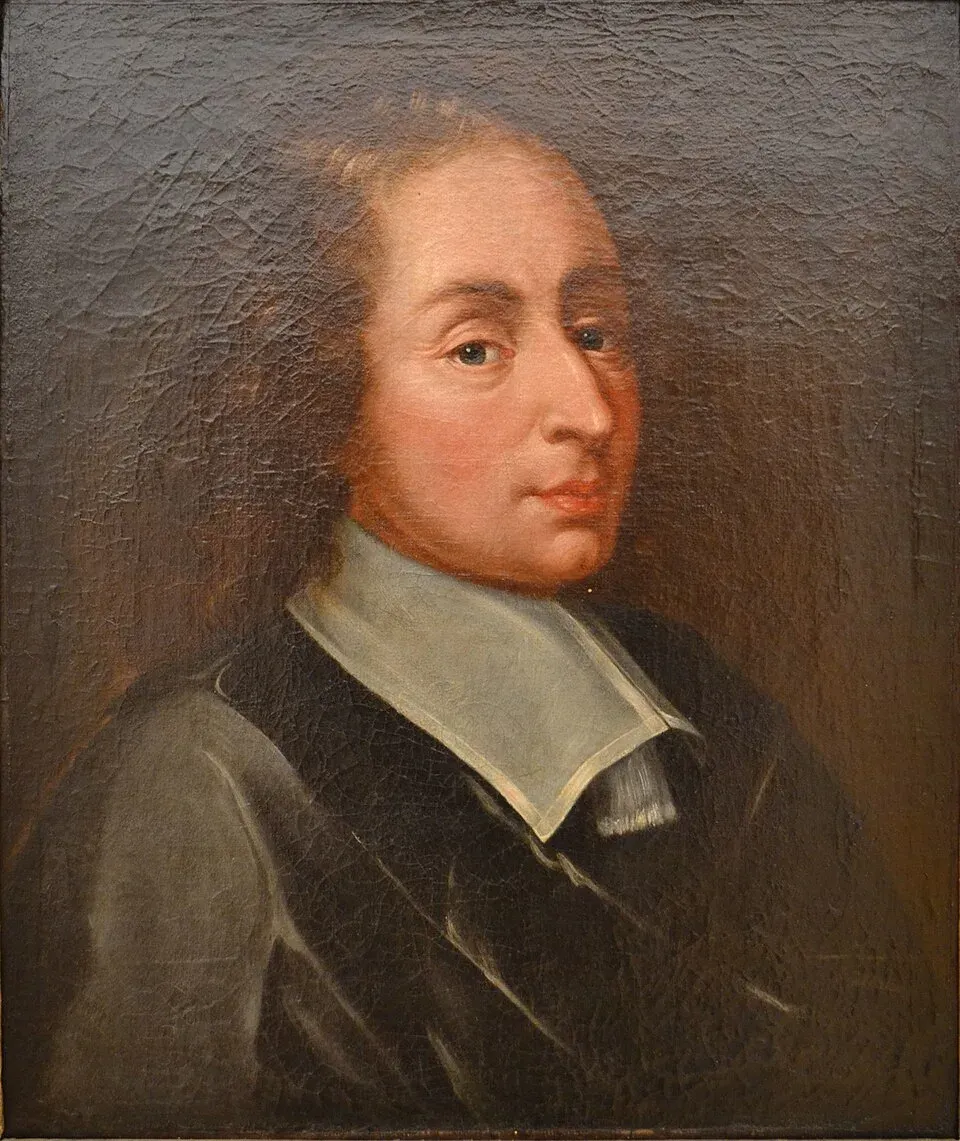
The Thinking Reed: Pascal's "Pensees" and the Wager on Meaning
Pascal's Pensées: man as a thinking reed, our flight into diversion, the heart's reasons and Pascal's Wager on the meaning of life.
The Starry Heavens and the Moral Law: Kant's "Critique of Practical Reason"
Kant's Critique of Practical Reason: the moral law as a fact of reason, ought implies can, the postulates of freedom, God and immortality.
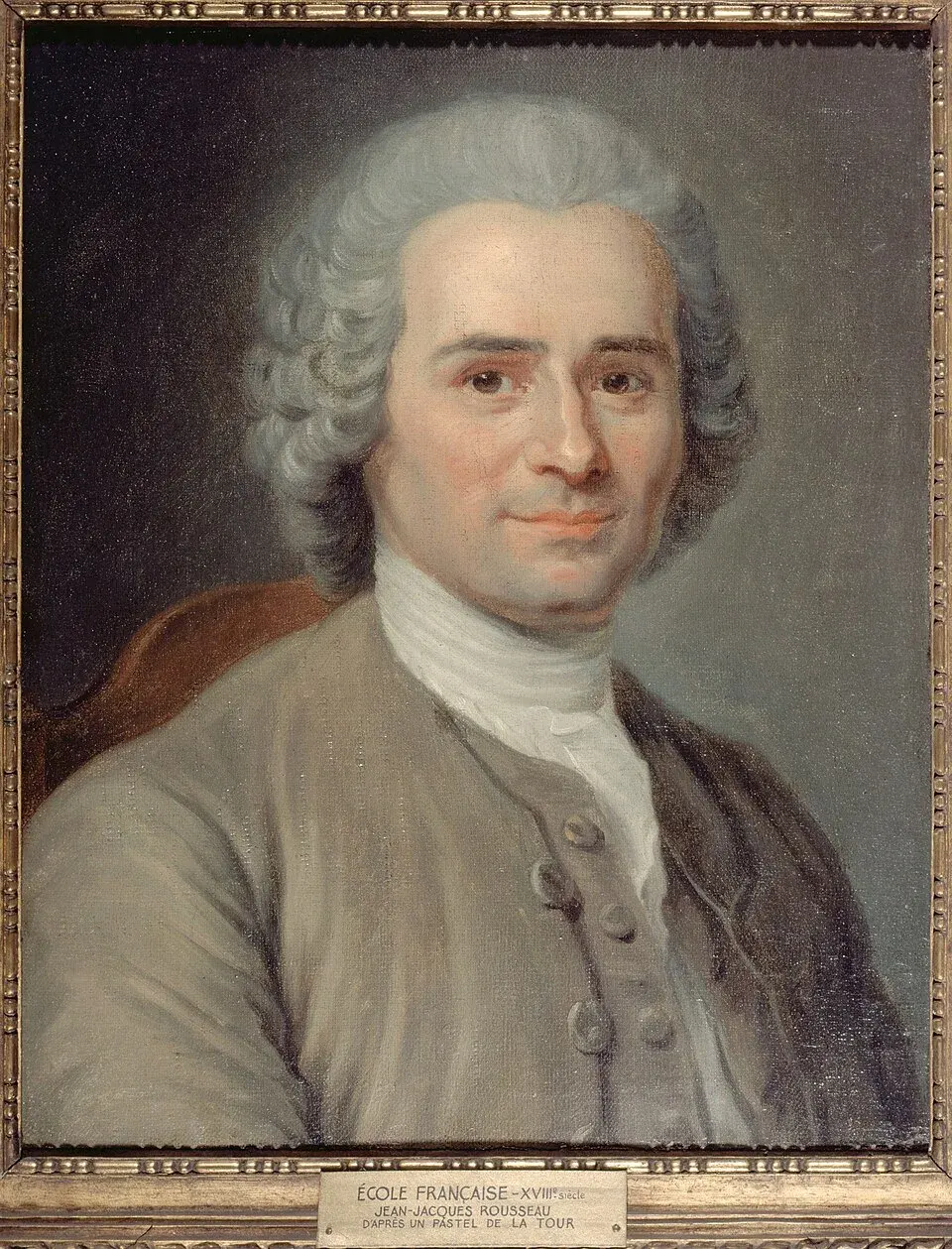
How Inequality Was Born: Rousseau's "Discourse on Inequality"
Before he wrote The Social Contract, Rousseau wrote the Discourse on the Origin of Inequality, and it is in some ways the more startling book.
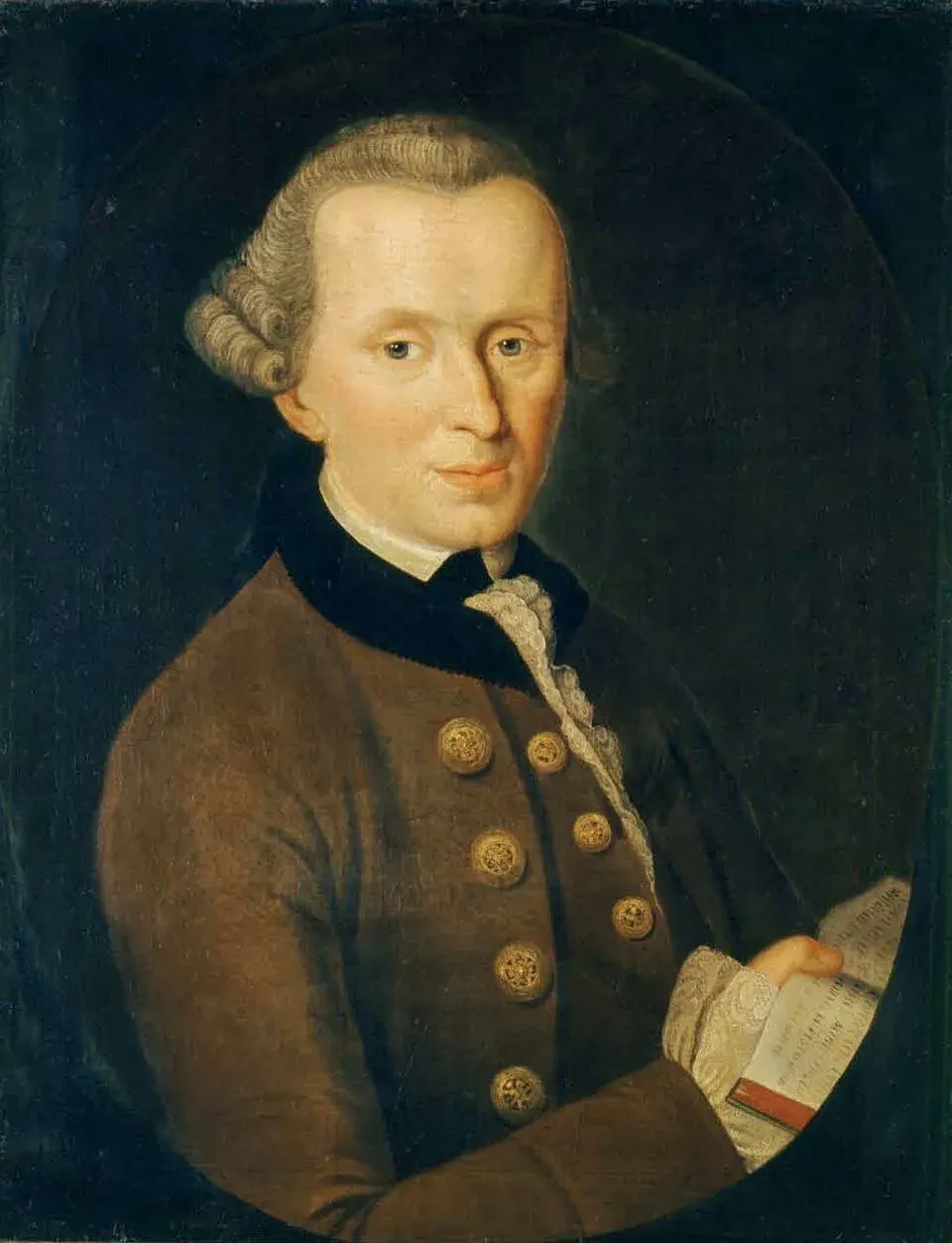
The Categorical Imperative: Kant on Duty and the Moral Law
Kant's categorical imperative explained: the good will, universal laws, treating people as ends in themselves and the foundation of human dignity.
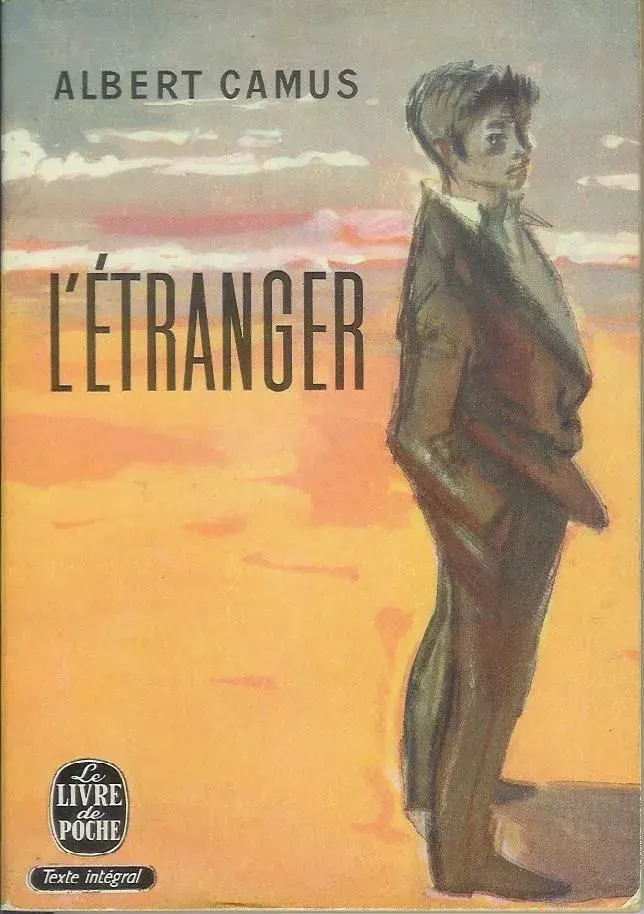
Embracing Absurdity: Reflections on Albert Camus' "The Stranger"
Camus' The Stranger and the absurd: Meursault's indifference, authenticity, alienation and what the novel teaches about finding meaning.
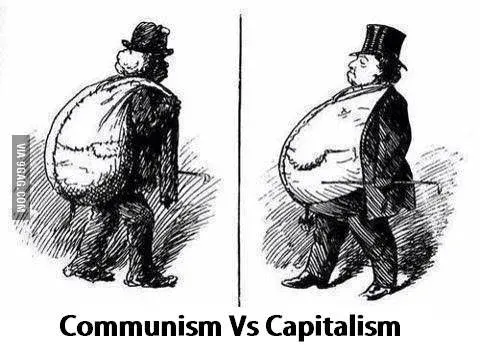
Capitalism vs. Communism: Debunking the Eternal Debate
Capitalism vs communism, written after an economics degree: free markets, social equality, their failures, and the Scandinavian middle ground.