The Leap of Faith: Kierkegaard's "Fear and Trembling"
In one breath
Fear and Trembling forces readers to sit with the horror of God's command to Abraham to sacrifice Isaac. Kierkegaard argues that faith goes beyond reason and ethics: Abraham, the knight of faith, believes on the strength of the absurd, in a lonely act that cannot be explained to others.
On this page
Søren Kierkegaard’s Fear and Trembling is a meditation on one of the most disturbing stories in scripture: God’s command to Abraham to sacrifice his beloved son Isaac, and Abraham’s willingness to obey. Most of us pass over this story quickly, or soften it. Kierkegaard refuses to. Writing under a pseudonym, he forces us to sit with the sheer horror and strangeness of it, and through it he opens up his great theme: the nature of faith, and how it transcends, even contradicts, ordinary ethics and reason. This is the book that helped launch existentialism, and it is unlike any philosophy I had read, less an argument than a wound kept deliberately open.
Here is what Fear and Trembling taught me about the leap of faith, about the limits of reason and ethics, and about the loneliness of true belief.
Key takeaways
- Faith goes beyond reason and ethics; it cannot be justified by either.
- Abraham is the “knight of faith,” who believes “on the strength of the absurd.”
- The “teleological suspension of the ethical”: faith may override universal moral rules.
- Faith is intensely individual and lonely; it cannot be explained to others.
- Real faith is harder than we admit, not a comfortable inheritance.
The terror of Abraham
Kierkegaard’s first move is to strip the Abraham story of its comfortable familiarity. We praise Abraham as the father of faith, but do we grasp what he actually did? He raised a knife over his own son, intending to kill him, because he believed God commanded it. By any ordinary moral standard, this is monstrous; a man preparing to murder his child. And yet faith calls it the highest act of devotion. Kierkegaard will not let us escape this contradiction. He retells the story again and again, dwelling on Abraham’s three-day journey to the mountain, the silence, the dread, forcing us to feel the “fear and trembling” of it. He wants to destroy the cheap, easy faith that admires Abraham without understanding the abyss he stood over.
Beyond reason and ethics
The philosophical heart of the book is what Kierkegaard calls the teleological suspension of the ethical. Ordinarily, ethics is universal: rules like “do not kill your child” apply to everyone, always. But Abraham, in obeying God, suspends this universal ethical law for a higher purpose he cannot justify or explain. Faith, Kierkegaard argues, is precisely this willingness to go beyond reason and even beyond ethics, to act on a relationship with the absolute that no rational or moral system can contain. This is deeply unsettling, and Kierkegaard means it to be. He is not endorsing fanaticism; he is insisting that genuine faith is not the same as good behaviour or rational belief, but something stranger and more demanding, a “leap” that reason cannot make for us.
The loneliness of faith
What moved me most is Kierkegaard’s emphasis on the absolute loneliness of faith. Abraham cannot explain himself. He cannot tell Sarah, cannot tell Isaac, cannot justify his action to anyone, because faith is not a universal truth that can be communicated but an intensely personal relationship to the absolute. The knight of faith, as Kierkegaard calls him, walks alone, unable to share the inner reality that drives him, and must bear the full weight of his decision in silence. This is a world away from religion as social belonging or inherited custom. For Kierkegaard, faith is the most individual thing there is, a solitary standing-before-God that no crowd can join. It is one reason he is considered the father of existentialism: he places the lonely, choosing individual at the very centre.
What I’m taking with me
Fear and Trembling is not a comfortable book, and I do not think Kierkegaard wanted it to be. I find his willingness to subordinate ethics to faith genuinely troubling, and I hold that discomfort deliberately rather than resolving it. But what I am taking from him is a permanent challenge to easy belief, the recognition that whatever faith is, it is not mere convention or rational assent; the unforgettable image of the knight of faith making his lonely leap; and a deeper respect for how strange and demanding the religious life really is when it is taken seriously. Kierkegaard refuses every cheap consolation, and that refusal is itself a kind of integrity.
Frequently asked questions
What is Fear and Trembling about?
It is Kierkegaard’s meditation on the biblical story of Abraham’s near-sacrifice of Isaac, used to explore the nature of faith and how it transcends, and can even conflict with, reason and conventional ethics.
What is the “teleological suspension of the ethical”?
Kierkegaard’s idea that faith may require suspending the universal ethical law for a higher purpose, as Abraham did when he prepared to obey God’s command despite its violation of ordinary morality.
What is a “knight of faith”?
Kierkegaard’s term for the person who makes the leap of faith, believing “on the strength of the absurd” in a deeply personal relationship to the absolute that cannot be explained or justified to others.
References & further reading
- Kierkegaard, Søren. Fear and Trembling. (1843; translated by Alastair Hannay, Penguin Classics, 1985.)
- Hannay, Alastair. Kierkegaard. Routledge, 1982.
- Gardiner, Patrick. Kierkegaard. Oxford University Press, 1988.
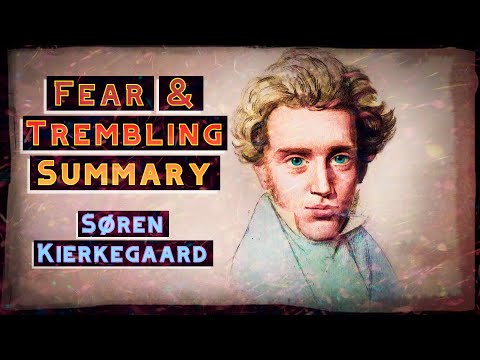
Watch: others on this book

Read along with me
Book notes, philosophy and the ideas that shape how we build. New essays every month, no spam.
Related reading notes
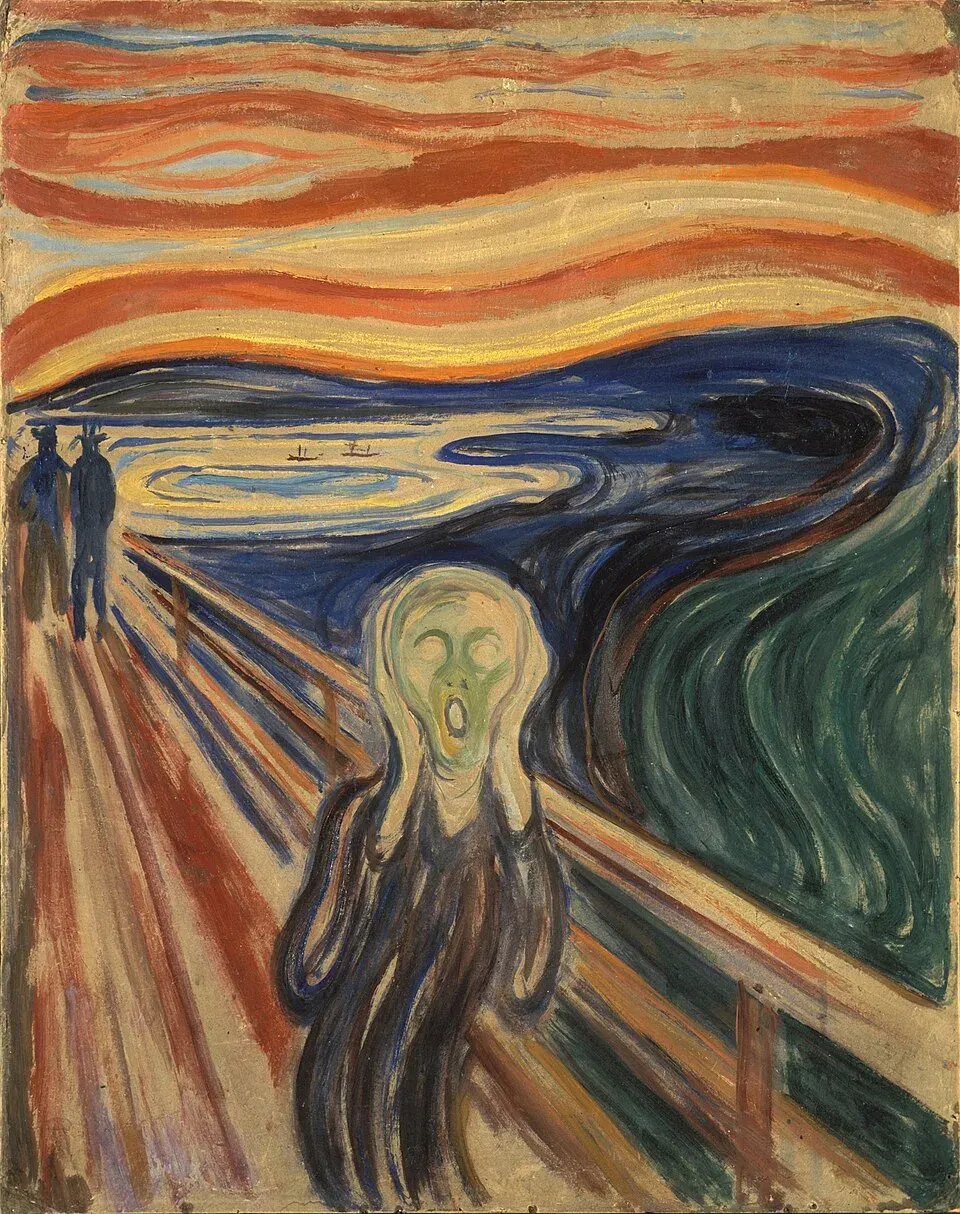
Despair as the Sickness Unto Death: Kierkegaard on the Self
Kierkegaard's The Sickness Unto Death explained: the self as a relation, despair as failing to be oneself, and why despair can lead to faith.
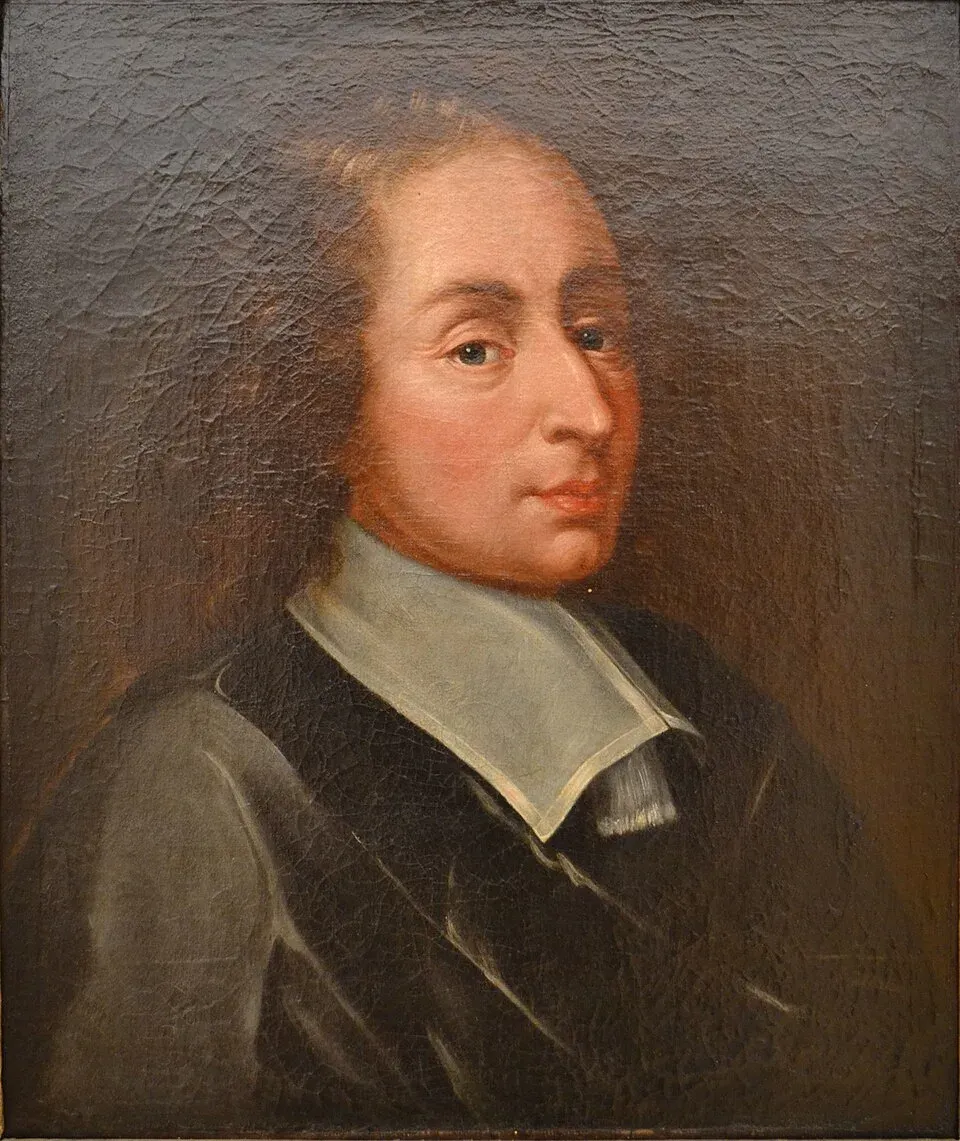
The Thinking Reed: Pascal's "Pensees" and the Wager on Meaning
Pascal's Pensées: man as a thinking reed, our flight into diversion, the heart's reasons and Pascal's Wager on the meaning of life.
Faith on the Stand: Richard Dawkins' "The God Delusion"
Richard Dawkins' The God Delusion read critically: the case against God, religion and harm, and where the New Atheist polemic falls short.
Comments
No comments yet. Start the conversation.