Bookworm's Corner
Novels and classics, read closely.
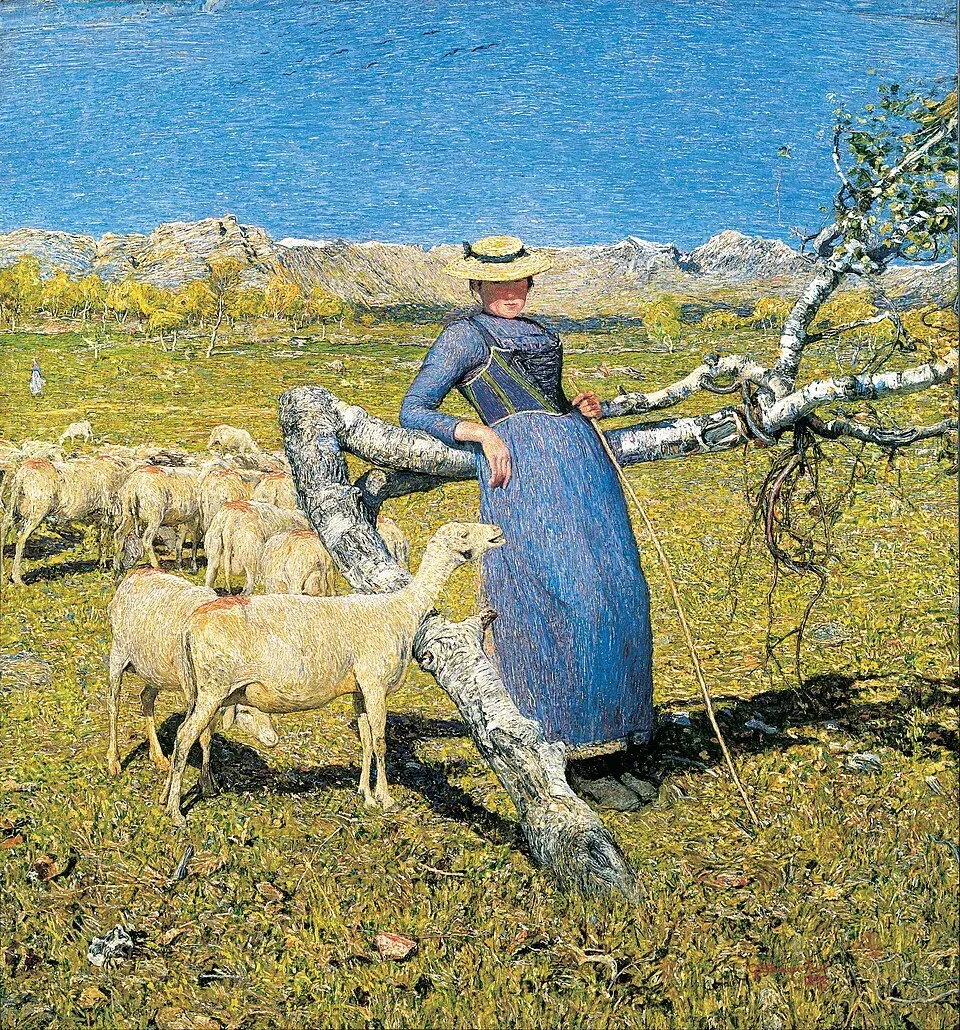
Time, Illness, and Ideas on the Mountain: Thomas Mann's "The Magic Mountain"
Thomas Mann's The Magic Mountain: time on the mountain, illness as a window onto life, Settembrini versus Naphta and Europe before the war.
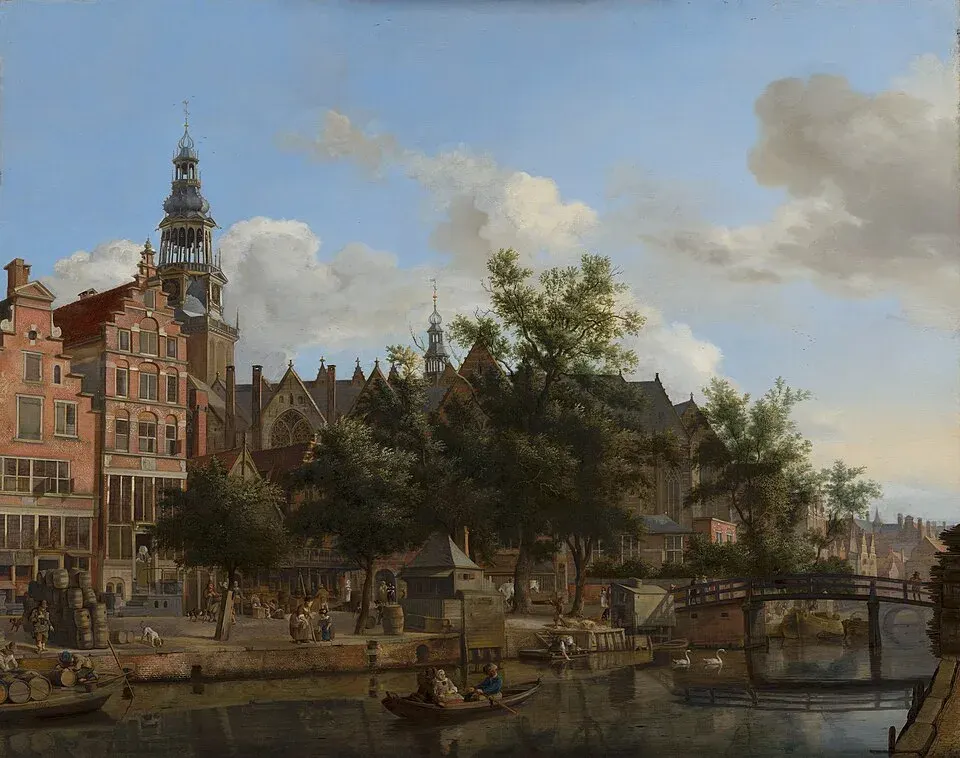
The Judge-Penitent: Guilt and Hypocrisy in Camus' "The Fall"
Camus' The Fall explained: Clamence the judge-penitent, guilt and hypocrisy, universal complicity and why the novel is a trap for the reader.
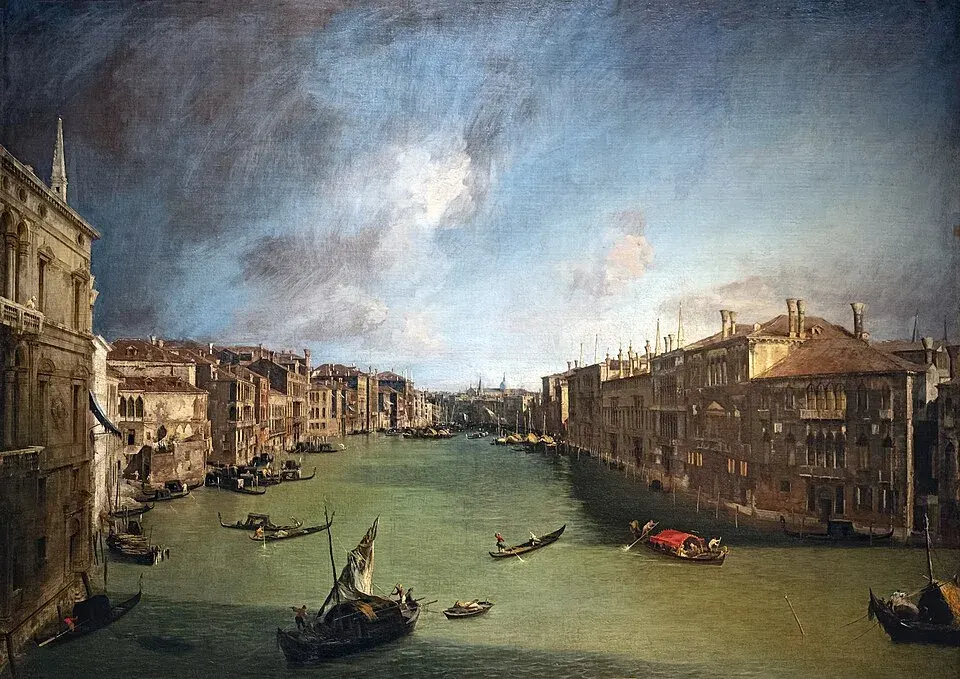
Beauty and Decay: Thomas Mann's "Death in Venice"
Thomas Mann's Death in Venice is a short, perfect, and deeply unsettling novella about the collapse of a disciplined life into obsession.
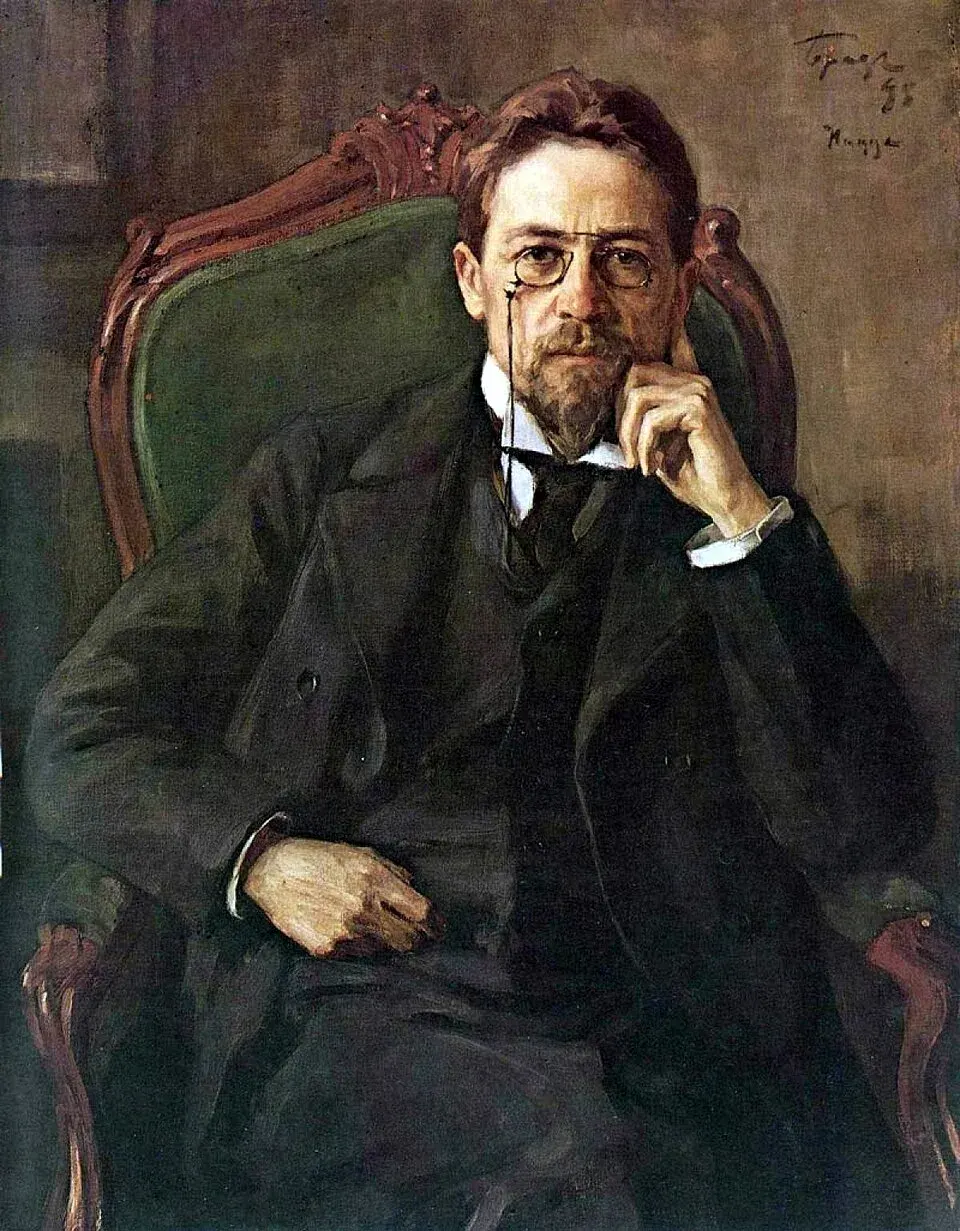
The Music of Ordinary Lives: The Short Stories of Anton Chekhov
After the thunder of Dostoevsky and the vast canvases of Tolstoy, Anton Chekhov can seem, at first, almost too quiet.
Exploring Family Dynamics and Generational Conflict: Ivan Turgenev's "Fathers and Sons"
Turgenev's Fathers and Sons: the nihilist Bazarov, the clash between generations and what the novel teaches about family, ideas and love.
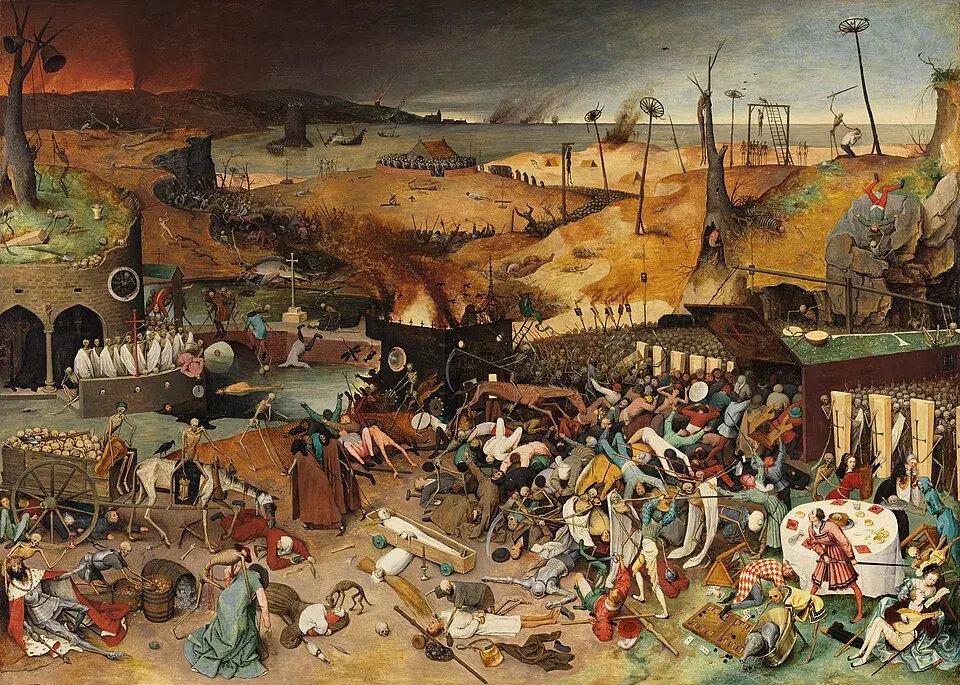
Solidarity in the Time of Plague: Camus' "The Plague"
Camus' The Plague: an epidemic in Oran as a symbol of evil, Dr. Rieux's quiet heroism and solidarity as the answer to the absurd.

The Trouble With a Truly Good Man: Dostoevsky's "The Idiot"
Dostoevsky's The Idiot: Prince Myshkin, a truly good man in a corrupt society, and why the world mistakes pure goodness for foolishness.
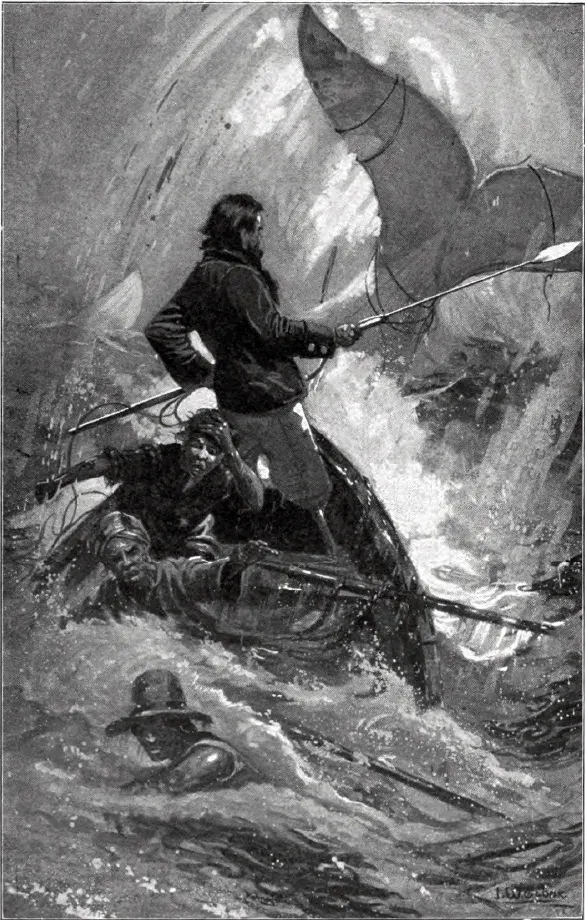
Chasing the White Whale: Obsession and the Infinite in Melville's "Moby-Dick"
Melville's Moby-Dick explained: Ahab's obsession, what the white whale symbolizes, and why Ishmael, the curious observer, is the one who survives.
Navigating Life's Maze: Wisdom from William James' Pragmatism
Lessons from William James' Pragmatism: truth as a process, the value of experience, radical empiricism, pluralism and an action-oriented philosophy.
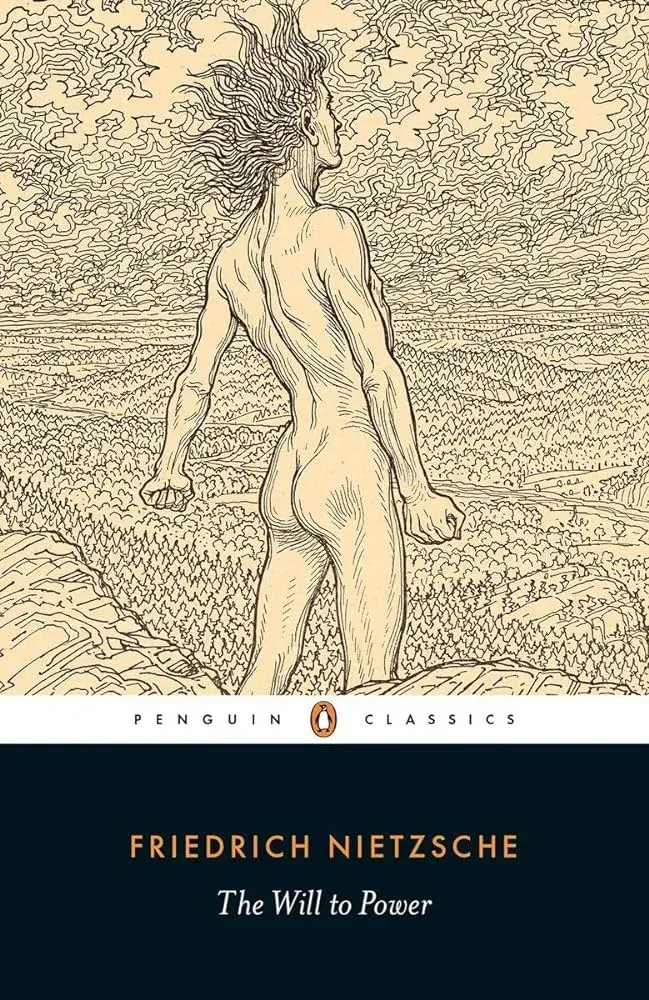
Unveiling the Philosophy of Power: Exploring Friedrich Nietzsche's "The Will to Power"
Exploring Nietzsche's The Will to Power: power as life's driving force, the Übermensch, confronting nihilism and affirming life through eternal recurrence.
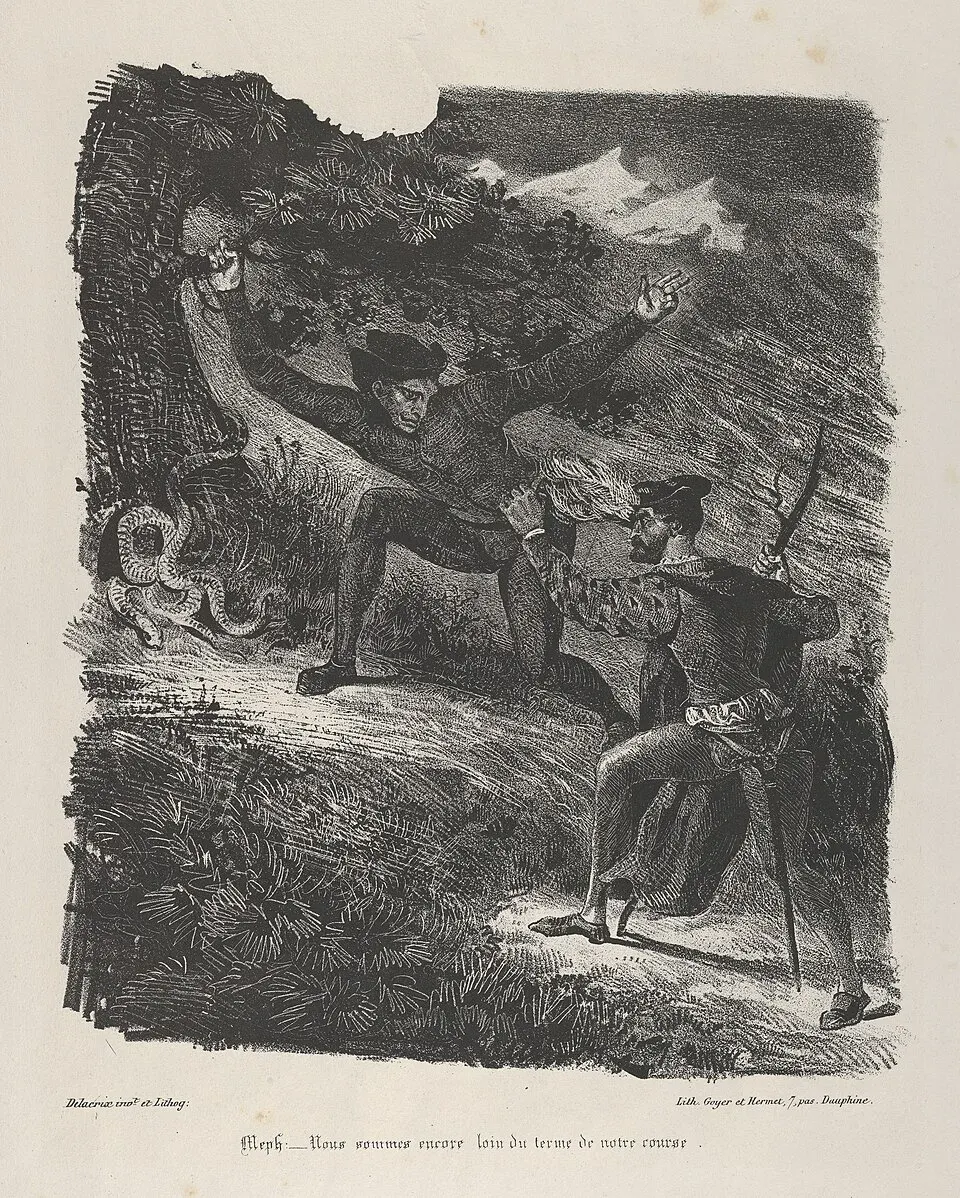
Selling the Soul for Experience: Goethe's "Faust"
Goethe's Faust explained: the restless scholar, his wager with Mephistopheles, the tragedy of Gretchen and why whoever strives may be redeemed.
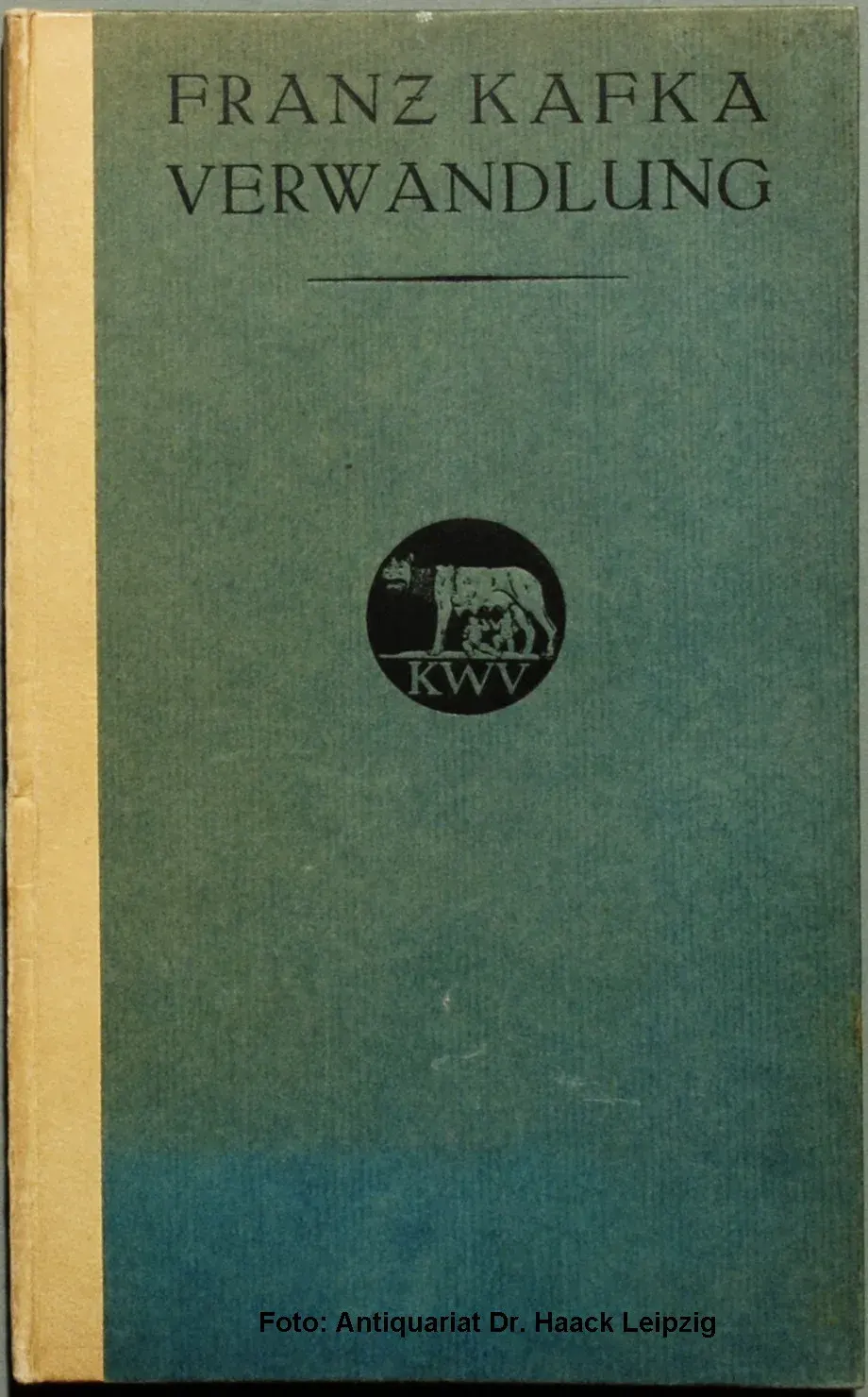
Waking Up as an Insect: Alienation in Kafka's "The Metamorphosis"
Kafka's The Metamorphosis explained: Gregor Samsa's unexplained transformation, alienation, worth measured by usefulness and the family's turn.
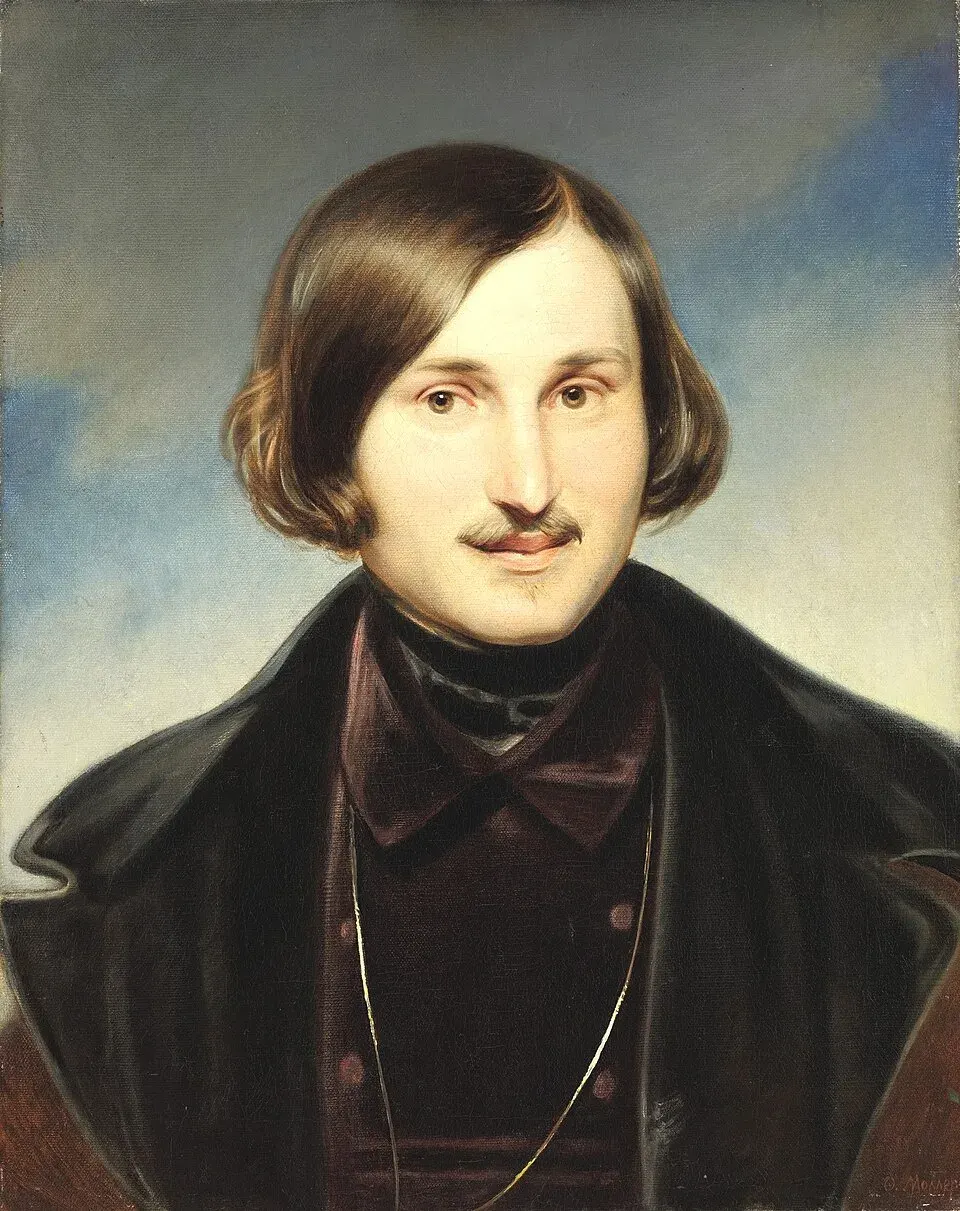
Buying the Dead: Satire and the Russian Soul in Gogol's "Dead Souls"
Nikolai Gogol's Dead Souls has one of the strangest premises in literature, and a darkly perfect one.

Embracing Absurdity: Reflections on Albert Camus' "The Stranger"
Camus' The Stranger and the absurd: Meursault's indifference, authenticity, alienation and what the novel teaches about finding meaning.
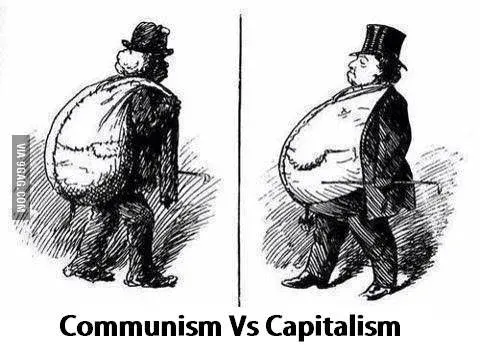
Capitalism vs. Communism: Debunking the Eternal Debate
Capitalism vs communism, written after an economics degree: free markets, social equality, their failures, and the Scandinavian middle ground.
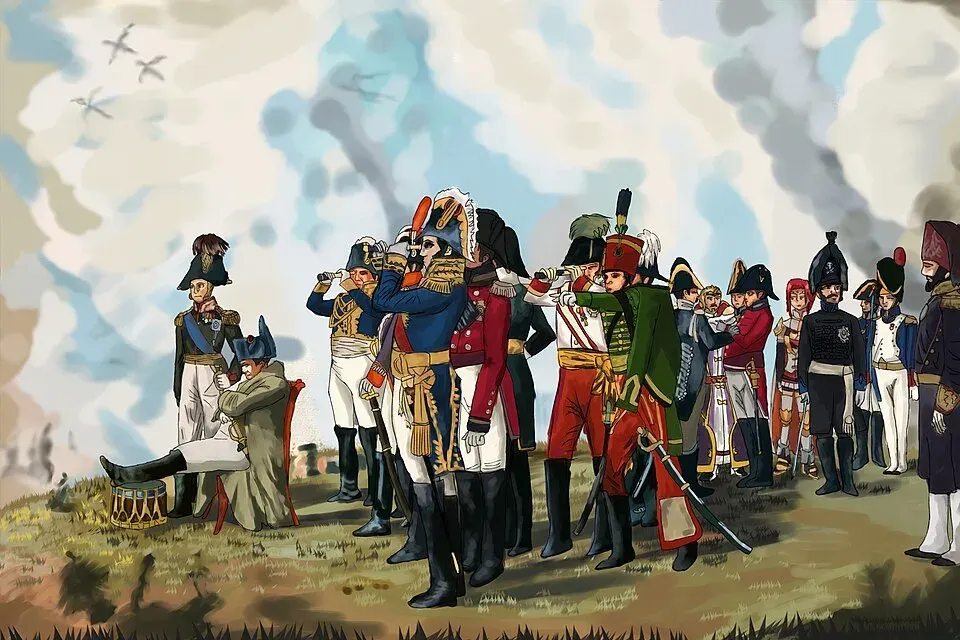
History, Fate, and the Individual: Tolstoy's "War and Peace"
To read Tolstoy's War and Peace is to live, for a few hundred hours, inside an entire world.

Rise and Grind... or Not? Exploring the 5 AM Club
The 5 AM Club. A movement promising increased productivity, improved focus, and a head start on the day.
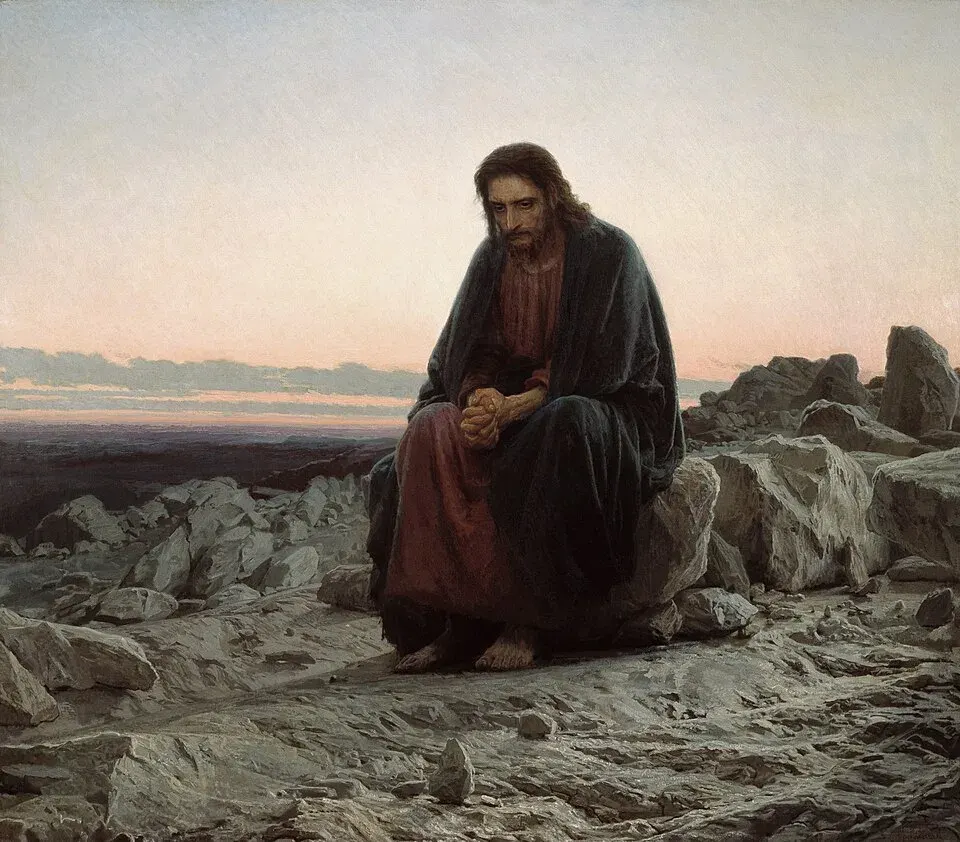
Faith, Doubt, and the Grand Inquisitor: Dostoevsky's "The Brothers Karamazov"
Dostoevsky's The Brothers Karamazov: Ivan's rebellion, the Grand Inquisitor and the novel's answer to doubt through active, humble love.
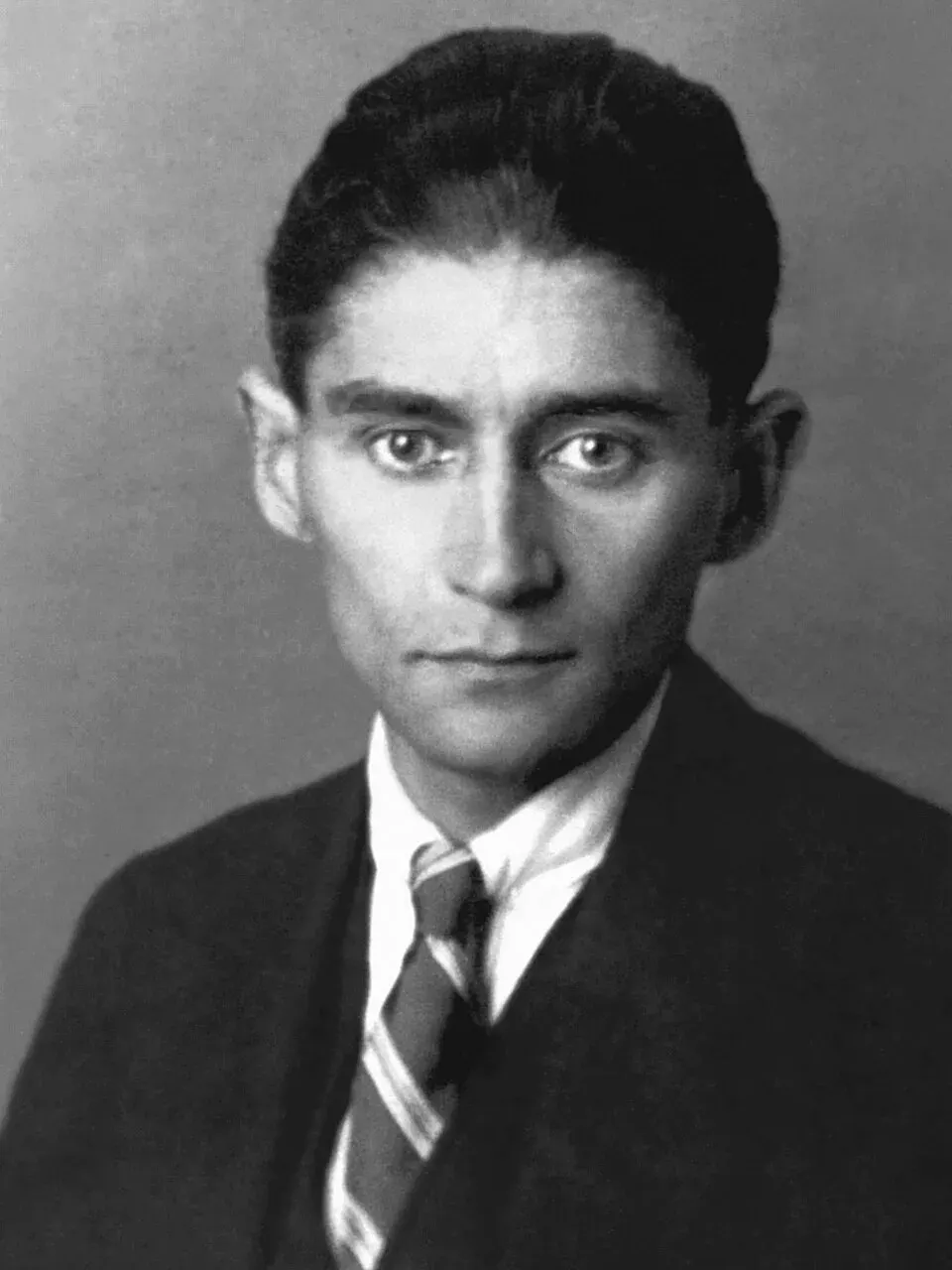
Guilty Without a Crime: The Nightmare Logic of Kafka's "The Trial"
Kafka's The Trial explained: Josef K.'s nameless charge, faceless bureaucratic power, the parable Before the Law and what Kafkaesque really means.
The Power of Linking Words: Elevating Your Writing with Coherence and Cohesion
How linking words improve your writing: transitions for addition, contrast, cause, sequence and conclusion that create coherence and cohesion.
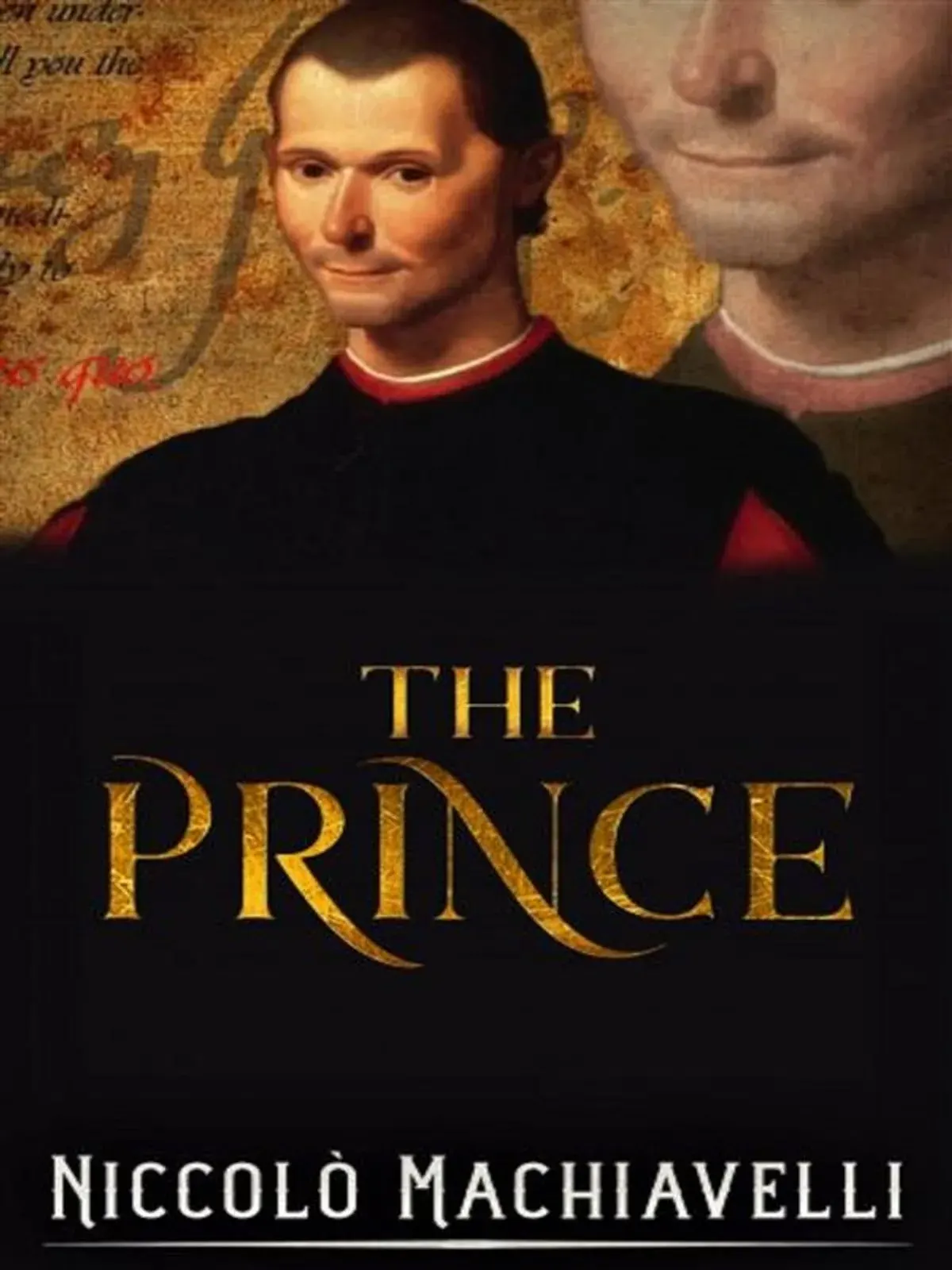
Unveiling the Machiavellian Mind: Lessons from Niccolò Machiavelli's "The Prince"
Lessons from Machiavelli's The Prince: the nature of power, prudence and realism, fortuna and virtù and the importance of public perception.

All Happy Families: Love, Society, and Ruin in Tolstoy's "Anna Karenina"
Tolstoy's Anna Karenina: passion, society's hypocrisy and the search for meaning, told through Anna's ruin and Levin's quiet search for a good life.
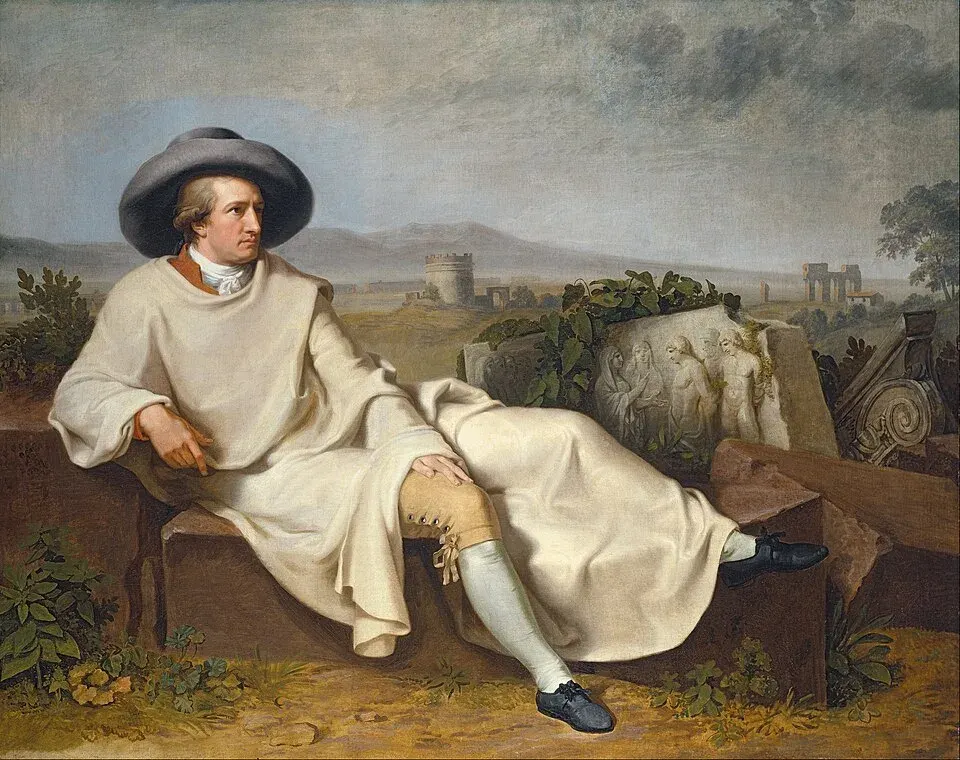
The Fever of Romantic Longing: Goethe's "The Sorrows of Young Werther"
Goethe's The Sorrows of Young Werther: Romantic sensibility, hopeless longing for Lotte, Werther Fever and the gift and peril of intense feeling.
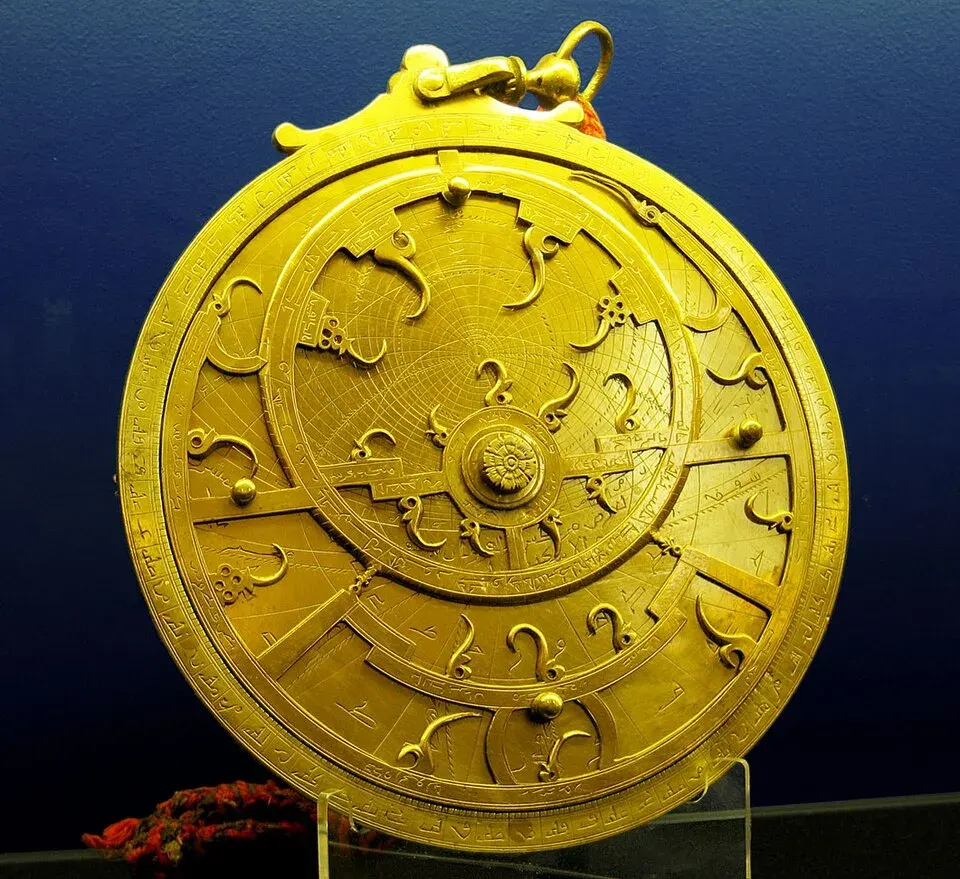
The Game of Life and Knowledge: Hesse's "The Glass Bead Game"
The Glass Bead Game was Hermann Hesse's last and most ambitious novel, the work for which he was awarded the Nobel Prize.