The Trouble With a Truly Good Man: Dostoevsky's "The Idiot"
In one breath
In The Idiot, Dostoevsky drops Prince Myshkin, a deliberately Christ-like, guileless man, into scheming 19th-century Russian society, which calls him an idiot. His limitless compassion wounds as well as heals, and the novel asks whether genuine goodness can survive in a fallen world.
On this page
In The Idiot, Dostoevsky set himself an almost impossible task. He wanted, he said, to portray a truly good and beautiful human being, a genuinely Christ-like man, and to drop him into the corrupt, vain, scheming world of nineteenth-century Russian society and see what happened. The result is Prince Myshkin, gentle, honest, utterly without guile, so transparently good that society calls him an “idiot.” The novel is the heartbreaking story of what such goodness encounters in our world, and it is, in its way, as profound a meditation on Christianity and human nature as The Brothers Karamazov, though stranger and more painful.
Here is what The Idiot taught me about the fate of genuine goodness, about compassion as both gift and wound, and about the world’s discomfort with the truly innocent.
Key takeaways
- Prince Myshkin is “positively good,” a deliberately Christ-like figure.
- The world cannot accommodate pure goodness; it mistakes it for foolishness.
- Compassion without limit can wound as well as heal.
- Goodness is tragic here, destroyed by the very world it tries to love.
- Dostoevsky asks whether genuine virtue can survive in a fallen society at all.
The truly good man
Prince Myshkin is one of the most unusual heroes in literature precisely because he has no dark side, no hidden agenda, no cynicism. He is honest to the point of seeming naive, sees the good in everyone, forgives without effort, and meets even those who mock or exploit him with genuine love and understanding. He is, in short, what we say we admire, a truly good person. And yet, dropped into a world of social climbing, wounded pride, money, and passion, his goodness is constantly misread. People find him strange, simple, even ridiculous; the title “idiot” is what society calls a man whose goodness it cannot comprehend. Dostoevsky is conducting an experiment: what does the world actually do when confronted with real, uncalculating virtue? The answer is deeply unsettling.
The wound of compassion
What makes the novel so much more than a simple parable is that Myshkin’s goodness, for all its beauty, is not simply redemptive. His boundless compassion draws him into the lives of others, especially the tormented, beautiful Nastasya Filippovna and the passionate Aglaya, and rather than saving them, his very inability to choose, to withhold, to set boundaries, contributes to catastrophe. He pities everyone, loves everyone, and in trying to heal everyone he is pulled apart. Dostoevsky seems to be probing a hard truth: that compassion without limit can be its own kind of destruction, that a goodness which cannot say no may leave wreckage in its wake. This complicates any easy reading. Myshkin is genuinely good, and genuine goodness, in this world, is not enough to prevent tragedy. It may even invite it.
The discomfort of innocence
The deepest theme, for me, is the world’s discomfort with the truly innocent. There is something about Myshkin’s purity that exposes and unsettles everyone around him; in his presence, people’s vanity and cruelty become visible to themselves, and they cannot bear it. The good man is a mirror, and most of us do not like what we see in it. By the end, the world has effectively broken Myshkin, and his light is extinguished. It is a tragic vision, and a challenging one. Dostoevsky, a Christian, seems to be asking whether a Christ-like goodness can survive in society at all, or whether such goodness is destined, again and again, to be misunderstood, exploited, and finally crucified by the very world it came to love.
What I’m taking with me
The Idiot is the most painful of Dostoevsky’s great novels, because it shows goodness defeated rather than triumphant. What I am taking from it is its searching question about whether real virtue can survive in our world, and at what cost; its sobering insight that even compassion, when boundless and undiscerning, can do harm; and its uncomfortable mirror, the way pure innocence exposes the vanity and cruelty in everyone it meets, including me. Myshkin haunts me, not as a model to copy simply, but as a question I cannot answer: what would happen to genuine goodness if it walked into my own world today?
Frequently asked questions
What is The Idiot by Dostoevsky about?
It follows Prince Myshkin, a deliberately Christ-like figure of pure goodness, as he enters corrupt Russian society. The novel explores what happens when genuine, uncalculating virtue meets a vain and scheming world.
Why is Prince Myshkin called “the idiot”?
Because his honesty, innocence, and lack of guile make society see him as simple or foolish. The title reflects the world’s inability to recognize and accommodate true goodness.
What is the main theme of The Idiot?
The fate of genuine goodness in a fallen world. Dostoevsky asks whether Christ-like virtue can survive in society, and shows how even boundless compassion can lead to tragedy.
References & further reading
- Dostoevsky, Fyodor. The Idiot. (Translated by Constance Garnett; or Richard Pevear and Larissa Volokhonsky, 2002.)
- Frank, Joseph. Dostoevsky: The Miraculous Years, 1865–1871. Princeton University Press, 1995.
- Bakhtin, Mikhail. Problems of Dostoevsky’s Poetics. University of Minnesota Press, 1984.
Watch: others on this book


Read along with me
Book notes, philosophy and the ideas that shape how we build. New essays every month, no spam.
Related reading notes
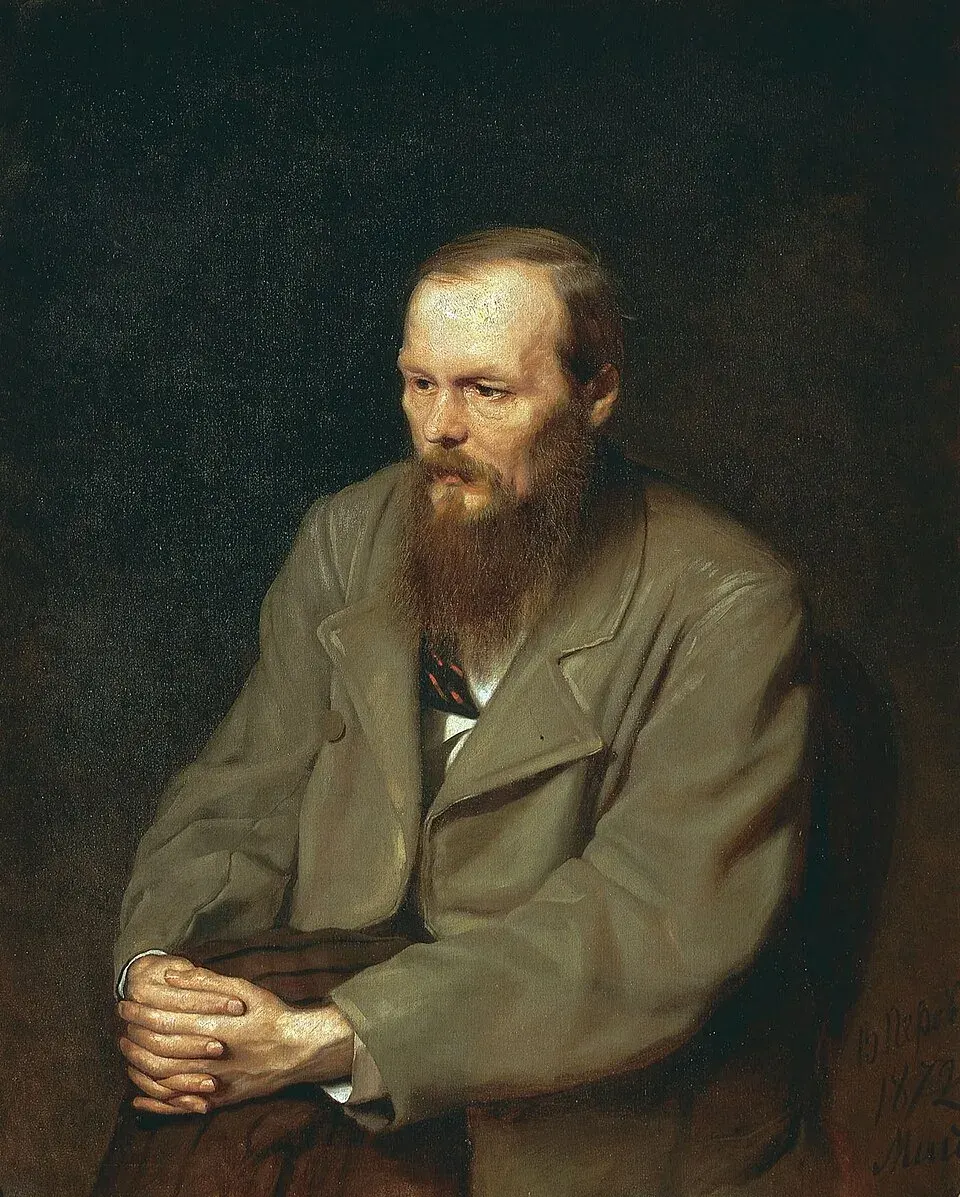
The Spite of the Underground Man: Dostoevsky's First Existential Cry
Fyodor Dostoevsky's Notes from Underground is short, ugly, and astonishing.
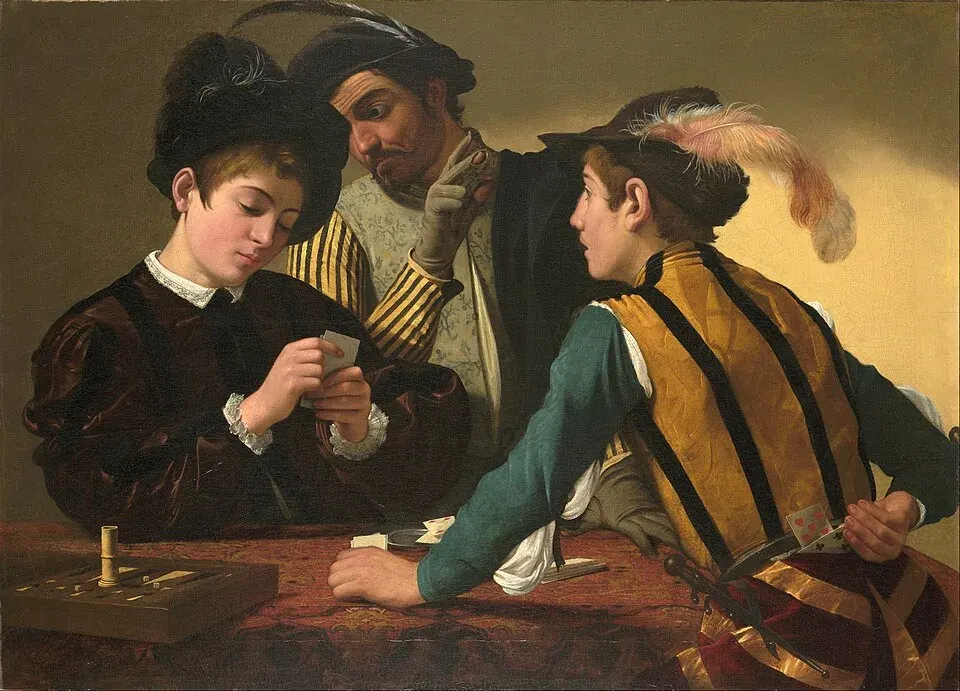
The Roulette of the Soul: Dostoevsky's "The Gambler"
Fyodor Dostoevsky's The Gambler is a short, intense, and remarkable novel, made all the more fascinating by the famous circumstances of its writing.
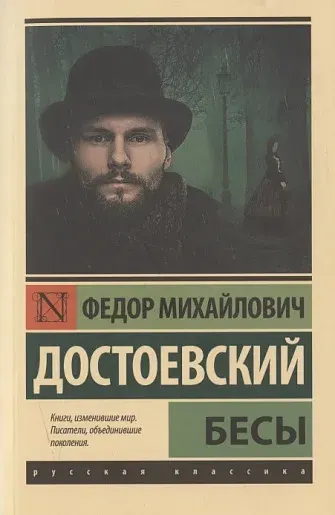
The Possessed and the Possibility of Meaning: Dostoevsky’s Warning to the Modern World
Lessons from Dostoevsky's The Possessed (Demons): ideology without morality, the crisis of meaning without faith and why true change begins within.
Comments
No comments yet. Start the conversation.