Books & Ideas
Reading notes, philosophy and reflections on living and thinking well.
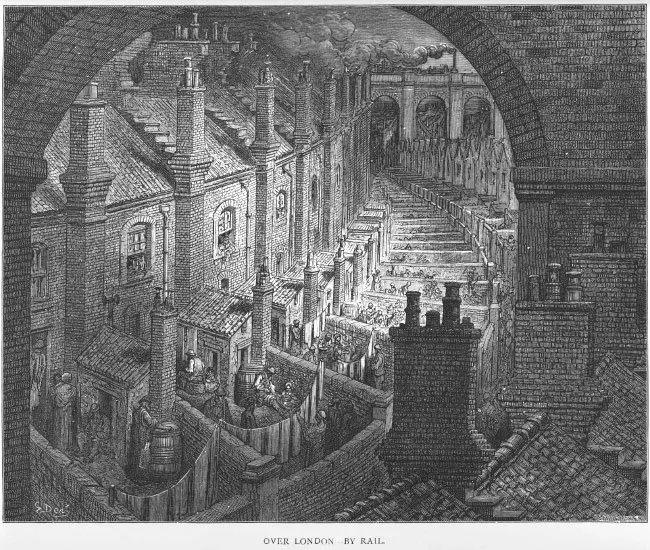
Why Poverty Grows With Progress: Henry George's "Progress and Poverty"
Henry George's Progress and Poverty: why poverty persists amid progress, land and rent, the single tax on land values and unearned wealth.
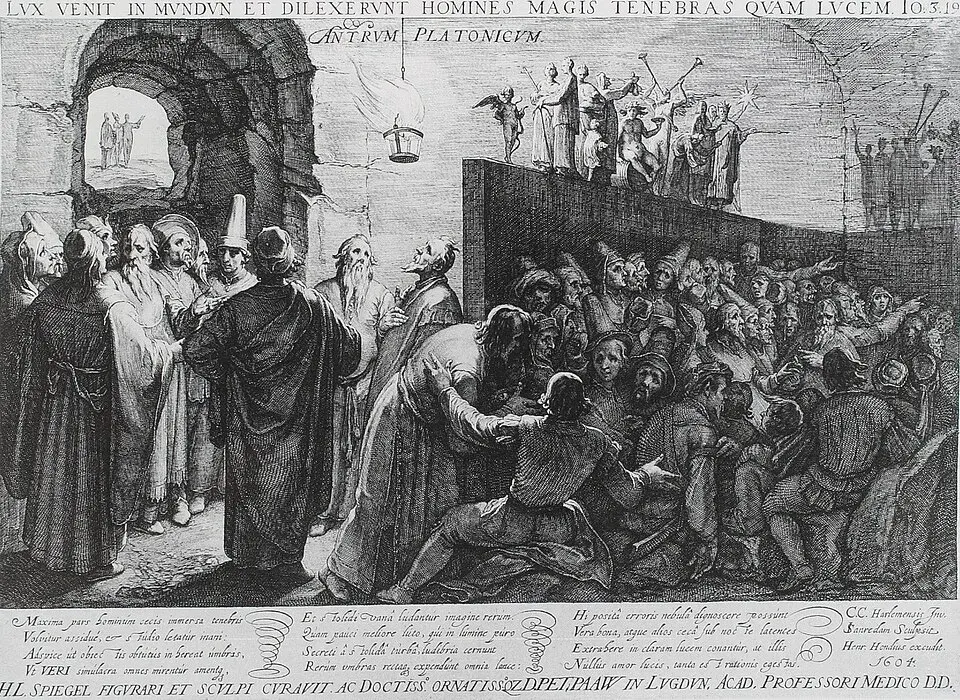
The Ideology We Don't See: Žižek's "The Sublime Object of Ideology"
Žižek's The Sublime Object of Ideology: why ideology lives in actions, not beliefs, why cynical distance doesn't free us and how hard it is to step outside.
Capitalism and Freedom: Milton Friedman's Case for the Free Market
Milton Friedman's Capitalism and Freedom makes the case that economic and political freedom are linked. A fair reading of the free-market classic.
Globalization and Its Discontents: Joseph Stiglitz on a Fairer Global Economy
Joseph Stiglitz's Globalization and Its Discontents: how the IMF's one-size-fits-all policies hurt developing countries, and how to make globalization fairer.
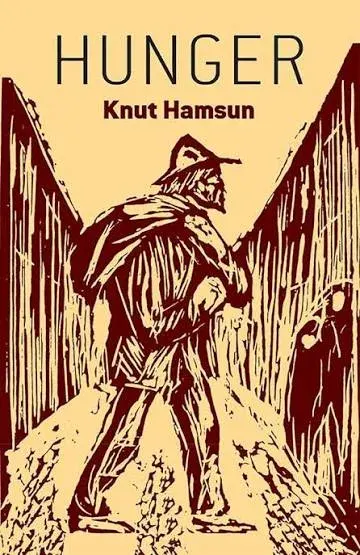
The Starving Mind: Knut Hamsun's "Hunger"
Knut Hamsun's Hunger (1890): a starving writer's mind in Kristiania, the birth of the psychological novel and the strange pride of the destitute.
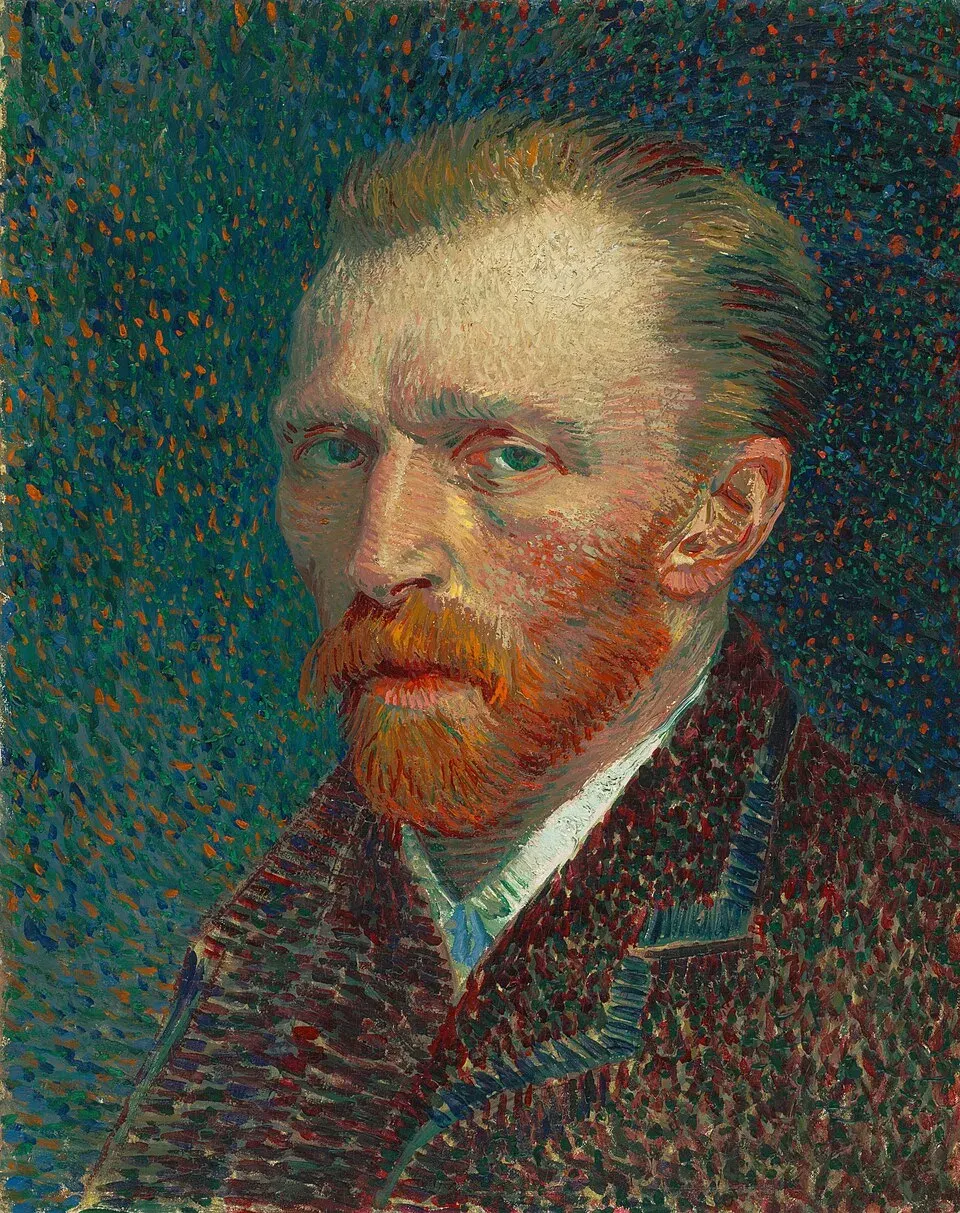
The Ethics of Authenticity: Charles Taylor on Being True to Yourself
Charles Taylor's The Ethics of Authenticity: the noble roots of being true to yourself, its debased forms and the horizons of significance it needs.
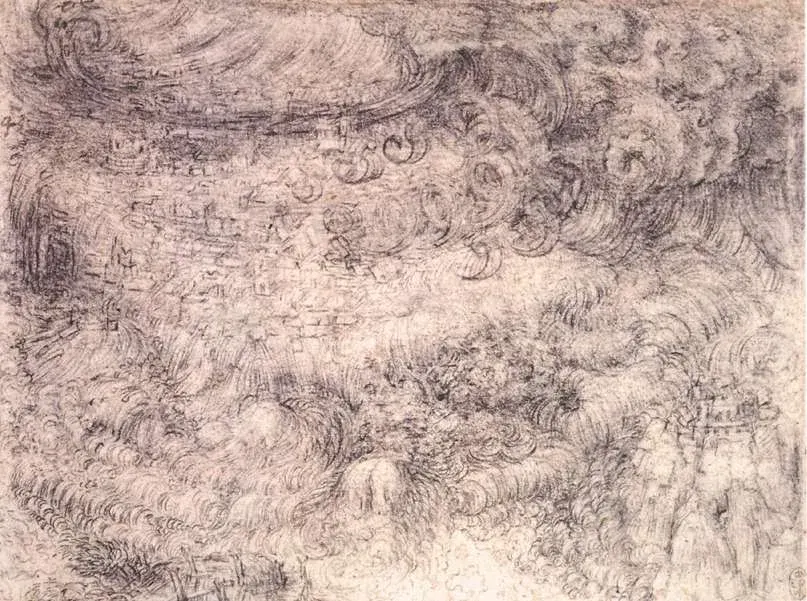
Order in Disorder: James Gleick's "Chaos"
James Gleick's Chaos: the butterfly effect, fractals, strange attractors and the maverick scientists who found hidden order in disorder.
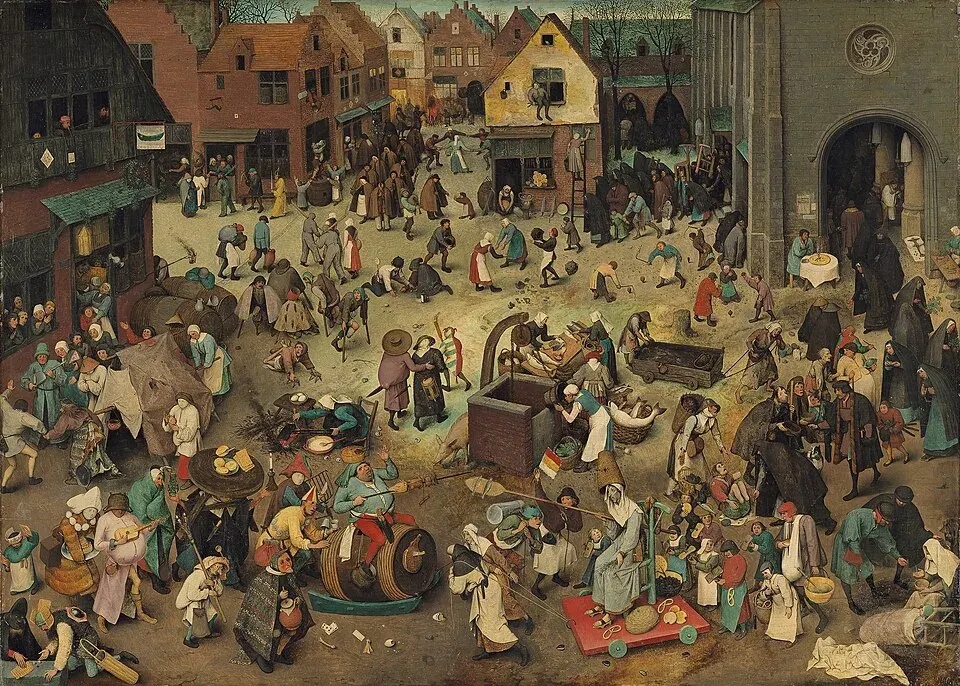
Why Good People Are Divided: Haidt's "The Righteous Mind"
Jonathan Haidt's The Righteous Mind: intuition before reasoning, the six moral foundations and why left and right talk past each other.

The Bored Cynic: Lermontov's "A Hero of Our Time"
Lermontov's A Hero of Our Time: Pechorin the superfluous man, boredom and cynicism, and the first great Russian psychological novel.
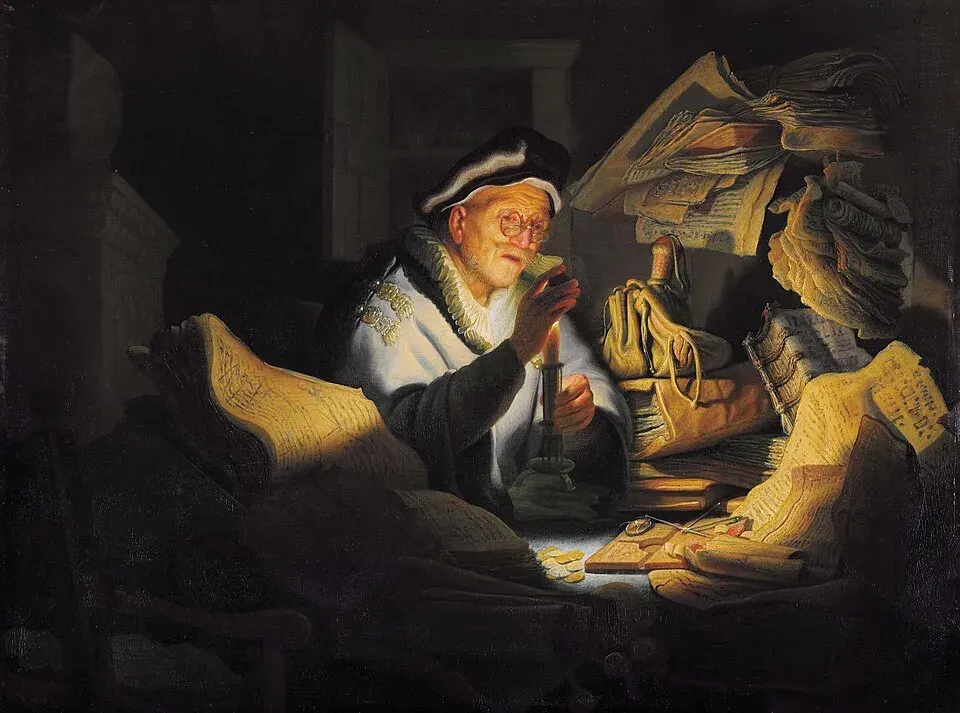
Having or Being: Erich Fromm's Two Modes of Existence
Erich Fromm's To Have or To Be?: the having mode of possession versus the being mode of living, and why our society's choice leaves us anxious.
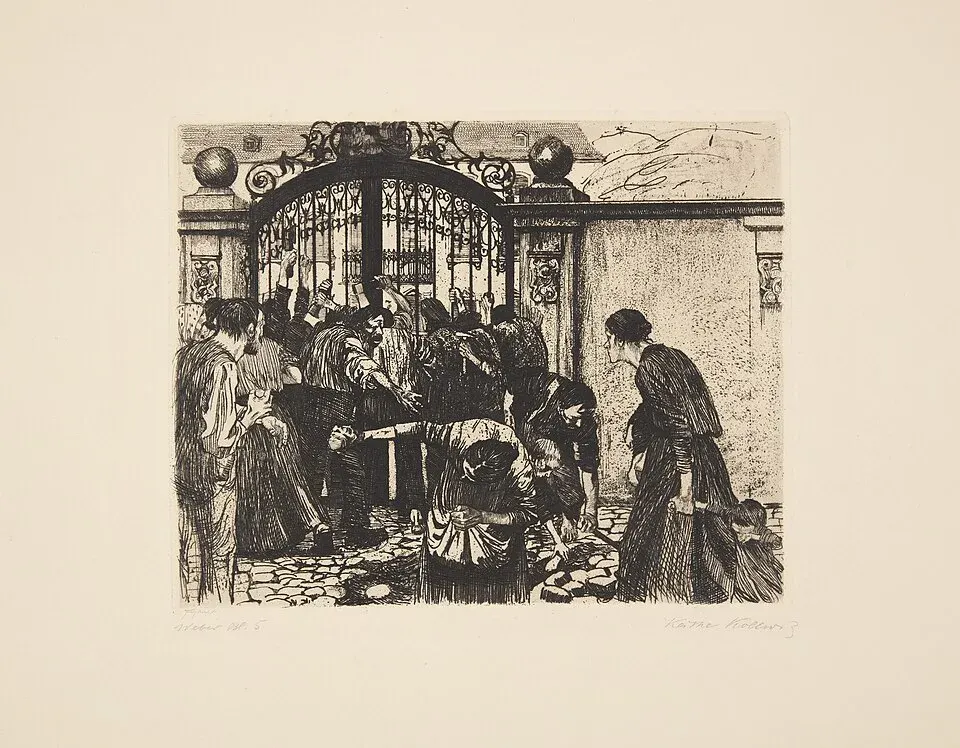
How Freedom Dies: Arendt's "The Origins of Totalitarianism"
Hannah Arendt's The Origins of Totalitarianism: why totalitarianism was new, how loneliness, ideology and terror destroy freedom, and why it matters.
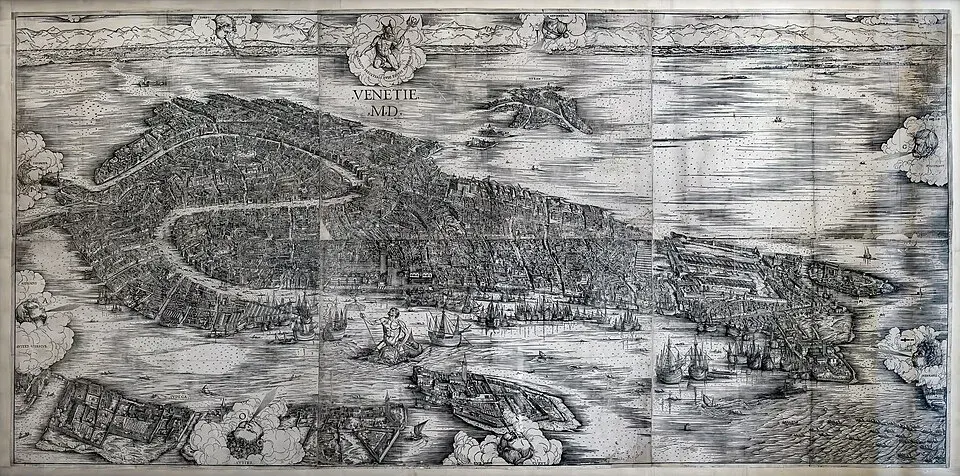
Cities of the Mind: Italo Calvino's "Invisible Cities"
Italo Calvino's Invisible Cities: Marco Polo's dreamlike cities for Kublai Khan, and its wisdom about memory, desire and what is not inferno.
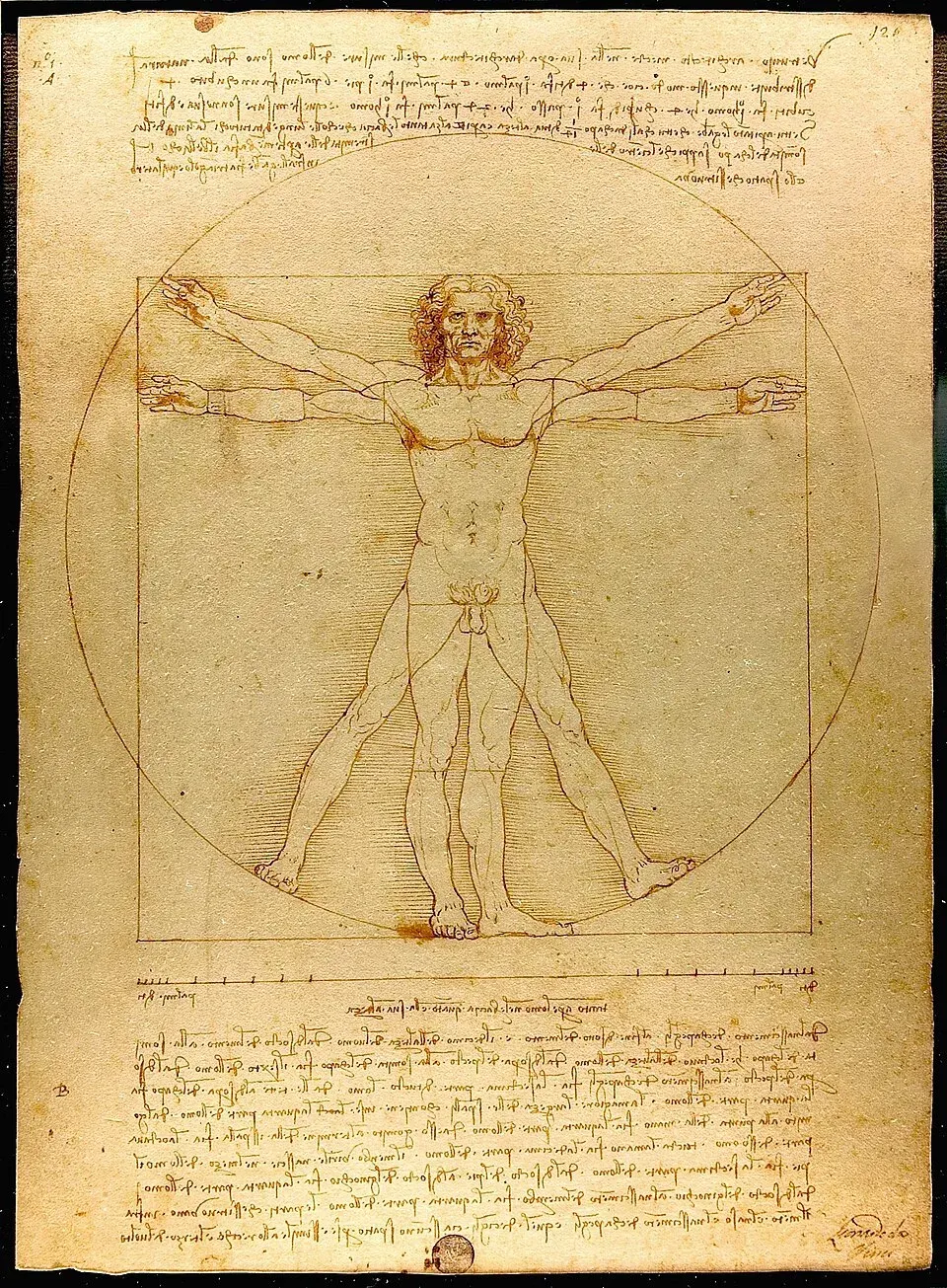
The Biology of Being Human: E.O. Wilson's "On Human Nature"
E.O. Wilson's On Human Nature: sociobiology, the evolutionary roots of behaviour, genes on a leash and the limits of biological explanation.

The Myth of the Blank Slate: Steven Pinker on Human Nature
Steven Pinker's The Blank Slate: the case for an evolved human nature, the fears behind denying it and why it need not threaten our values.

Lightness and Weight: Kundera's "The Unbearable Lightness of Being"
Kundera's The Unbearable Lightness of Being: lightness versus weight, love and betrayal under the 1968 Soviet invasion, and a novel that philosophizes.
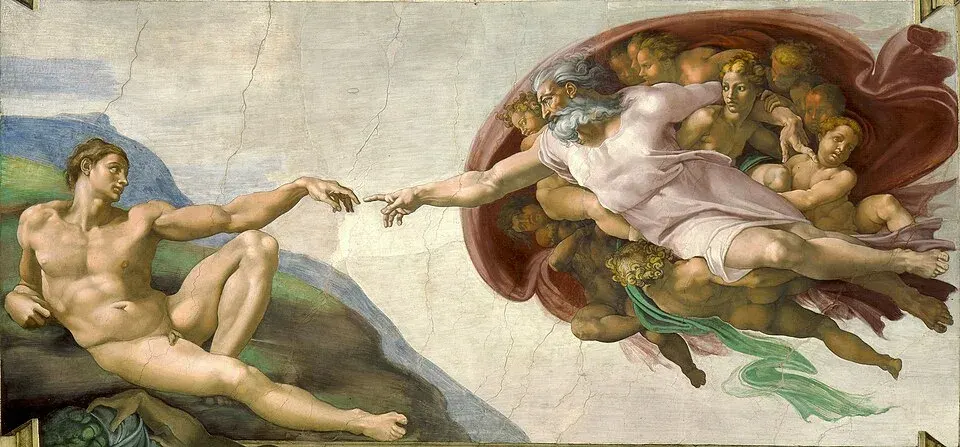
Faith on the Stand: Richard Dawkins' "The God Delusion"
Richard Dawkins' The God Delusion read critically: the case against God, religion and harm, and where the New Atheist polemic falls short.
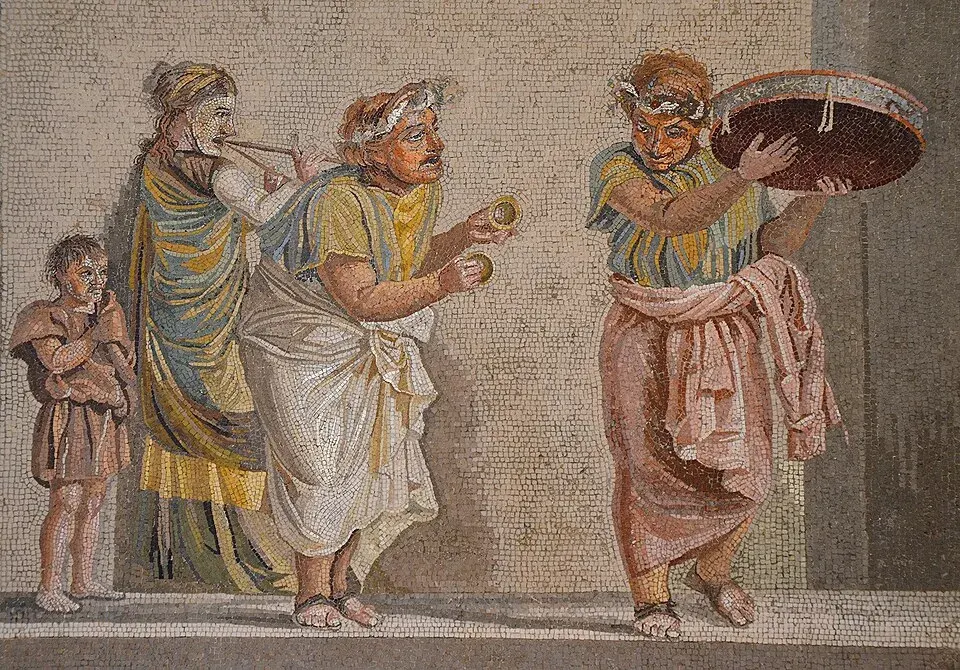
Luck and the Good Life: Martha Nussbaum's "The Fragility of Goodness"
Martha Nussbaum's The Fragility of Goodness: how much a good life depends on luck, what Greek tragedy teaches, and Plato versus Aristotle.
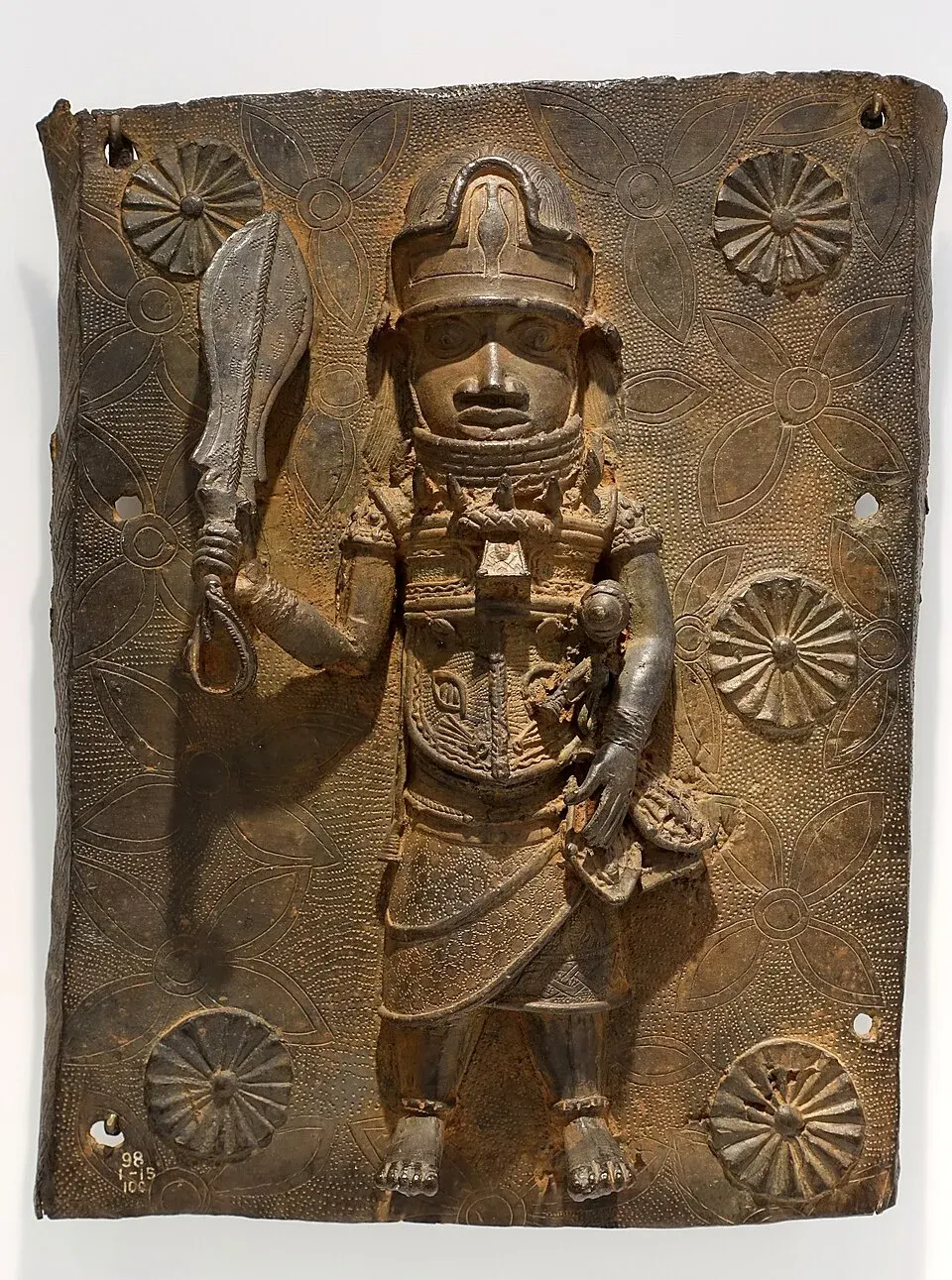
When the Center Cannot Hold: Achebe's "Things Fall Apart"
Chinua Achebe's Things Fall Apart: Okonkwo's tragedy, pre-colonial Igbo society shown whole and how colonialism made things fall apart.
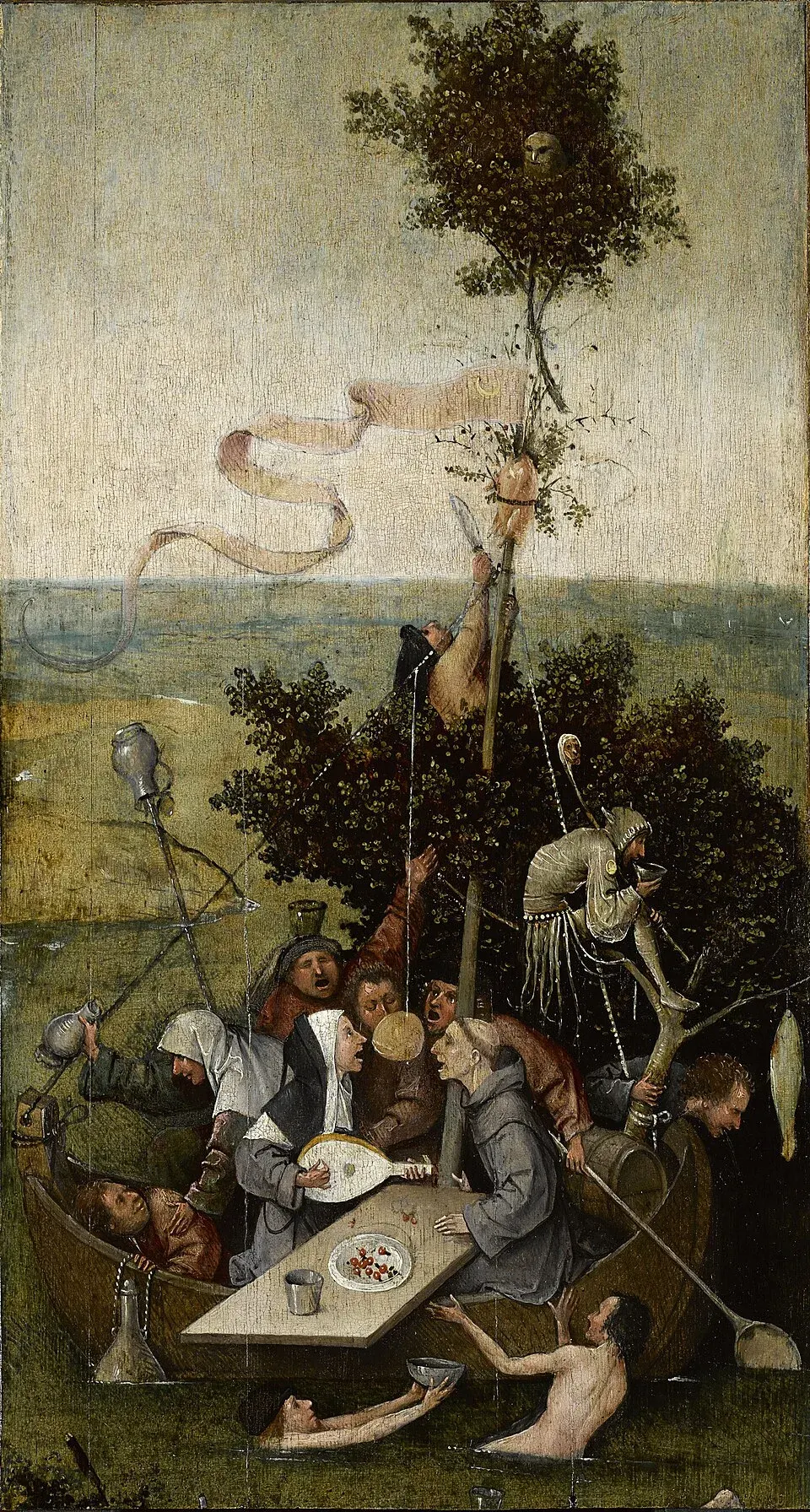
Defining the Mad: Foucault's "Madness and Civilization"
Foucault's Madness and Civilization: the Great Confinement, reason defining itself against unreason, and why psychiatry's progress hides new control.

We Are Made of Star-Stuff: Carl Sagan's "Cosmos"
Carl Sagan's Cosmos: we are made of star-stuff, the cosmic perspective, science as a source of wonder and the fragility of knowledge.
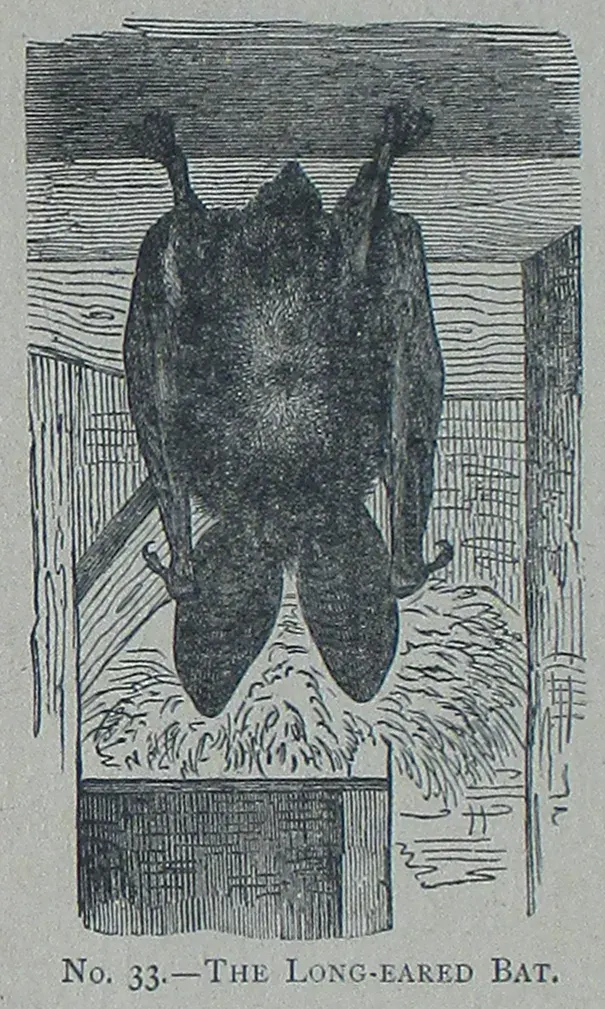
What Is It Like to Be a Bat? Thomas Nagel's "Mortal Questions"
Thomas Nagel's Mortal Questions: what it is like to be a bat, the mystery of consciousness, moral luck and the absurd, faced without false comfort.
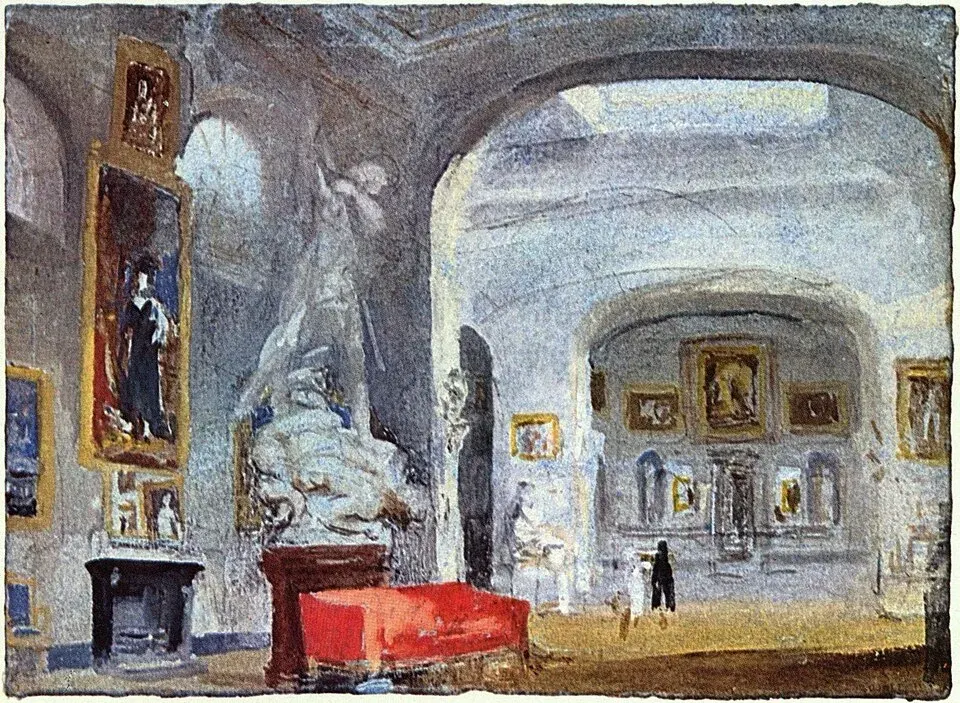
The Dignity of a Wasted Life: Ishiguro's "The Remains of the Day"
Ishiguro's The Remains of the Day: Stevens the butler, duty that crowds out love, an unreliable narrator and the meaning of the title.
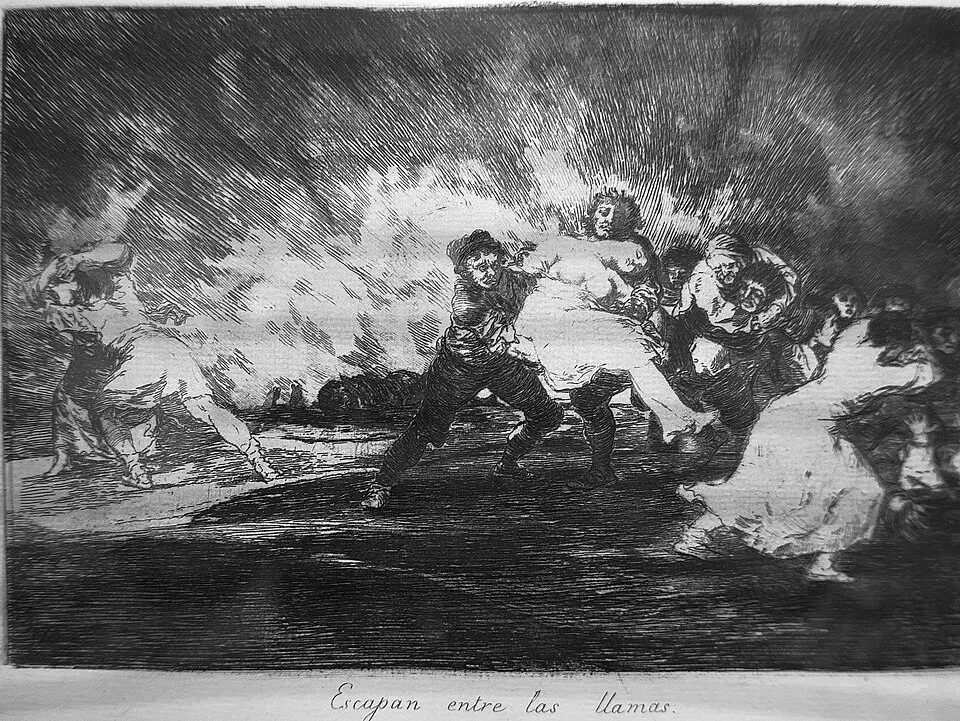
Disaster Capitalism: Naomi Klein's "The Shock Doctrine"
Naomi Klein's The Shock Doctrine: how crises are used to push through free-market policies, and how to read this powerful polemic critically.
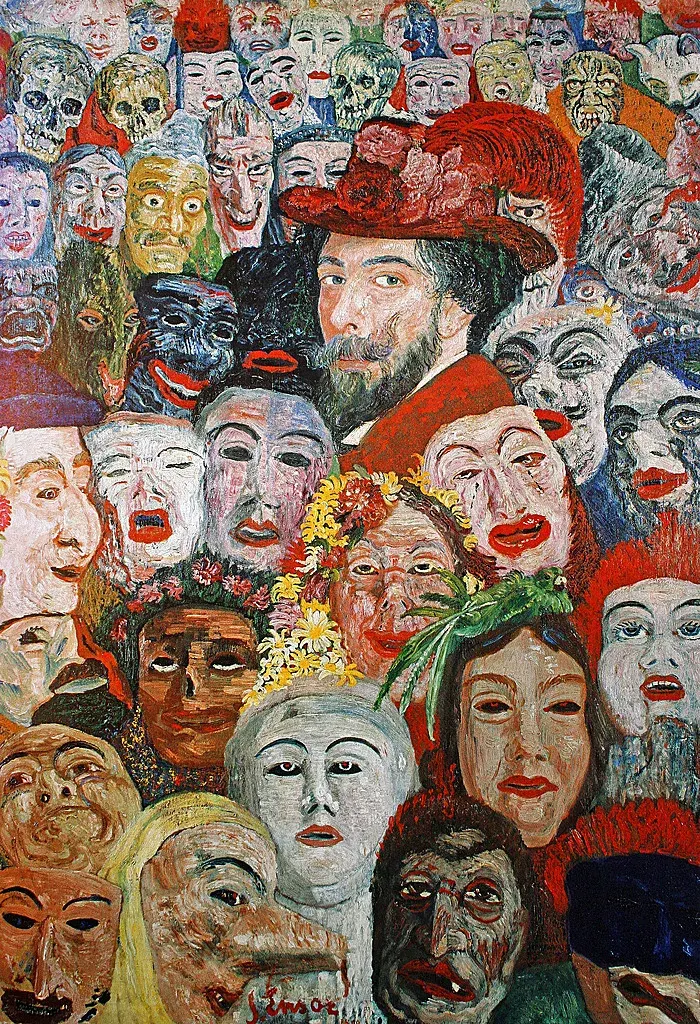
The Mask and the Mirror: Fanon's "Black Skin, White Masks"
Fanon's Black Skin, White Masks: internalised racism, the white mask, how language carries domination and the demand for recognition.