Why Poverty Grows With Progress: Henry George's "Progress and Poverty"
In one breath
Henry George's Progress and Poverty asks why poverty deepens amid unprecedented progress. His answer centers on land: as society advances, land values rise and owners capture much of the gain as rent at the expense of wages. His remedy, the single tax on land values, raises a lasting moral question about unearned wealth.
On this page
Henry George’s Progress and Poverty was one of the best-selling books of the nineteenth century, an economic and moral work that asked a question as urgent now as it was then: why, in the midst of unprecedented material progress, does grinding poverty not only persist but seem to deepen? Why does the advance of wealth, technology, and productivity, which ought to lift everyone, instead leave so many in want, while a few grow immensely rich? George, a largely self-taught American economist and reformer, offered a powerful and provocative answer centred on land, and a famous remedy, the “single tax” on land values. Whether or not one accepts his full solution, his diagnosis of the paradox of progress and poverty is searching and morally serious, and it speaks directly to the inequalities of our own age.
Here is what Progress and Poverty taught me about the paradox of progress, about the role of land and rent, and about the moral question of who deserves the wealth that progress creates.
Key takeaways
- The paradox of progress: material advance can deepen poverty rather than end it.
- Land is central: as progress raises land values, owners capture much of the gain.
- Rent rises at the expense of wages and the productive economy.
- George’s remedy is the “single tax” on the unearned value of land.
- A moral question: who should reap the wealth that society’s progress creates?
The paradox of progress
George begins with the great puzzle of his age, and ours: the coexistence of dazzling material progress with persistent, even worsening, poverty. The nineteenth century had seen extraordinary advances in productivity, industry, technology, and wealth, and yet, George observed, these advances had not abolished want. On the contrary, the deepest poverty was found precisely in the most advanced and prosperous places, in the great industrial cities where wealth was greatest. This was the central scandal he set out to explain: why does progress not lift all boats? Why, as society grows richer overall, do so many remain mired in poverty, and why does inequality seem to widen rather than narrow with economic advance? It is a question that haunts every prosperous society, including our own, and George’s refusal to accept poverty amid plenty as natural or inevitable, his insistence that it demands explanation and remedy, is the moral heart of the book.
Land and rent
George’s distinctive and powerful answer centres on land. As a society progresses, he argues, as population grows, infrastructure is built, and the economy develops, the value of land rises, not because of anything the landowner does, but because of the growth and effort of the whole community around it. The landowner who simply holds a well-located plot grows rich as society’s progress raises its value, capturing as “rent” a large and increasing share of the wealth that everyone’s labour and the community’s development have created. This rising rent, George argues, swallows up much of the gains of progress, so that the benefits flow disproportionately to those who own land rather than to those who work and produce. Wages and the returns to labour and capital are squeezed, while landowners reap an “unearned increment,” a windfall created not by them but by the community. This, for George, is the key to the paradox: progress raises the value of land, and landowners capture that value, so that the fruits of progress are siphoned off rather than shared, leaving poverty intact amid growing wealth.
The moral question of unearned wealth
From this diagnosis George draws both a remedy and a profound moral argument. His famous proposal is the “single tax”: to tax away the unearned value of land, the value created by the community rather than by the owner, and use it for the public good, while abolishing taxes on labour, production, and improvement. The aim is to ensure that the wealth created by society’s progress flows back to society, rather than being captured by those who merely own land. But beneath the policy lies a deeper moral question that I find genuinely compelling, whatever one thinks of the single tax itself: who has a rightful claim to the wealth that progress creates? George’s answer is that the value created by the community belongs, in justice, to the community, and that to let it be privately captured by landowners is a kind of injustice, a private taking of what society as a whole has produced. This raises questions that remain alive and urgent: about the difference between earned and unearned wealth, about who should benefit from rising property and asset values, about the justice of an economy in which so much wealth flows to ownership rather than to work. George forces us to ask not just how wealth is produced, but who should rightly reap it.
What I’m taking with me
Progress and Poverty is a passionate, morally serious, and still-relevant book, and even where I question its single remedy, its central insights have stayed with me. What I am taking from Henry George is his unflinching confrontation with the paradox of progress, the scandal of deepening poverty amid growing wealth; his powerful analysis of how rising land values let owners capture the gains that the whole community creates; and above all his profound moral question about unearned wealth and who rightly deserves the fruits of progress. In an age of soaring property and asset values and widening inequality, George’s questions feel strikingly current, and his refusal to accept poverty amid plenty as natural, his insistence that the wealth society creates should benefit society, is a moral challenge I find hard to dismiss.
Frequently asked questions
What is Progress and Poverty about?
It is Henry George’s 1879 work asking why poverty persists and deepens amid material progress, arguing that rising land values let landowners capture the gains of progress, and proposing a “single tax” on land values as the remedy.
What is Henry George’s “single tax”?
A proposed tax on the unearned value of land, the value created by the community rather than the owner, intended to return that wealth to society while abolishing taxes on labour, production, and improvements.
Why does George say progress causes poverty?
Because as society progresses, land values rise due to the community’s growth, and landowners capture this rising value as rent, siphoning off the gains of progress so that wages are squeezed and poverty persists amid growing wealth.
References & further reading
- George, Henry. Progress and Poverty. 1879.
- George, Henry. Social Problems. 1883.
- Smith, Adam. The Wealth of Nations. 1776.
Watch: others on this book


Read along with me
Book notes, philosophy and the ideas that shape how we build. New essays every month, no spam.
Related reading notes
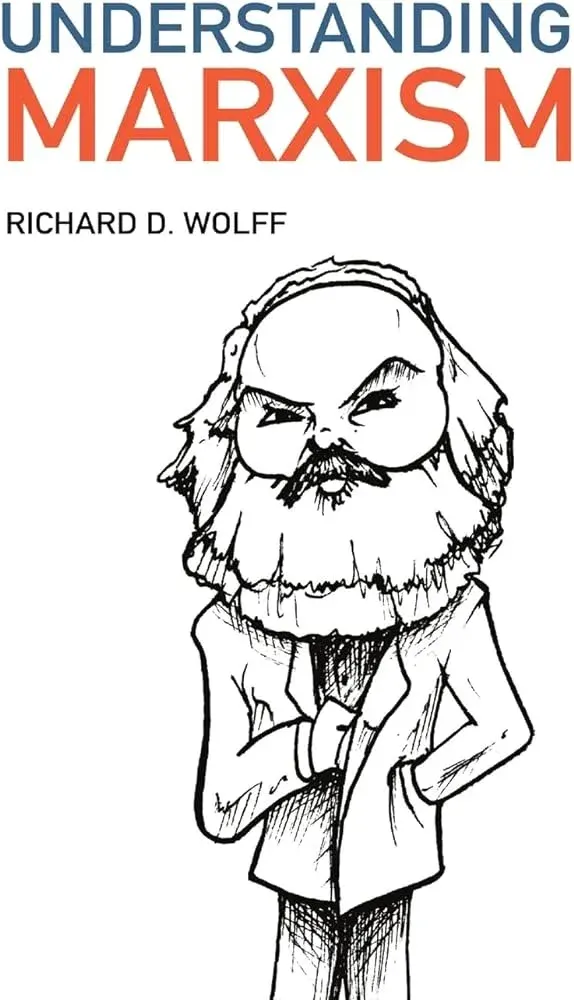
Exploring Marxism: Lessons from Richard D. Wolff's "Understanding Marxism
Lessons from Richard D. Wolff's Understanding Marxism: class struggle, capitalism's contradictions and worker ownership as economic democracy.

Private Wealth, Public Squalor: Galbraith's "The Affluent Society"
Galbraith's The Affluent Society: conventional wisdom, private opulence and public squalor, the dependence effect and what affluence is for.
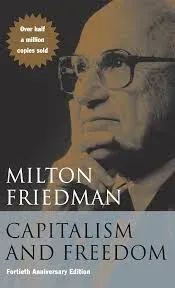
Capitalism and Freedom: Milton Friedman's Case for the Free Market
Milton Friedman's Capitalism and Freedom makes the case that economic and political freedom are linked. A fair reading of the free-market classic.
Comments
No comments yet. Start the conversation.