The Mask and the Mirror: Fanon's "Black Skin, White Masks"
In one breath
Frantz Fanon's first book, written at 27, analyzes the psychology of racism and colonialism from his perspective as a psychiatrist from Martinique living in France. Racism is internalised, pushing the colonised to wear a white mask and deny themselves, and liberation requires recognition and reclaiming full humanity.
On this page
Frantz Fanon’s Black Skin, White Masks was his first book, written when he was just twenty-seven, and it is a searing, brilliant, and intensely personal analysis of the psychology of racism and colonialism. Where his later The Wretched of the Earth would focus on the politics of decolonisation, this earlier work turns inward, to the psychological damage that racism and colonial domination inflict on the colonised, and on the coloniser too. Drawing on his training as a psychiatrist, on philosophy, and on his own experience as a Black man from Martinique living in France, Fanon dissects how a racist society forces Black people to internalise a sense of inferiority, to see themselves through white eyes, to wear, in his unforgettable image, white masks over black skin. It is a difficult, painful, and profound book.
Here is what Black Skin, White Masks taught me about the internalisation of racism, about the mask and the divided self, and about the demand for genuine recognition.
Key takeaways
- Racism is internalised: the colonised are made to feel inferior in their own eyes.
- The “white mask”: the pressure to deny oneself and imitate the dominant culture.
- Racism damages both colonised and coloniser, distorting the humanity of each.
- Language and culture are arenas of this psychological domination.
- True liberation requires recognition and the reclaiming of one’s full humanity.
The internalisation of racism
Fanon’s central and most painful insight is that racism does its deepest damage not only through external oppression but by being internalised, by being absorbed into the very self-image of those it targets. In a racist, colonial society, Fanon shows, Black people are constantly told, in a thousand explicit and implicit ways, that they are inferior, that whiteness is the norm and the ideal, that their own skin, culture, and language are marks of lesser worth. Over time, this message is taken inside, so that the colonised come to see themselves through the contemptuous eyes of the coloniser, to measure themselves against a white standard, to feel, at the deepest level, a sense of their own inferiority. This internalised racism, Fanon argues, is one of colonialism’s most insidious effects: it colonises not just the land and the body but the mind and the self, producing a profound psychological wound, a self at war with itself.
The mask and the divided self
The book’s haunting title image, the “white mask” over “black skin,” captures this internal division with terrible precision. To survive and gain acceptance in a society that devalues blackness, Fanon shows, the colonised are pressured to deny themselves, to adopt the language, manners, values, and self-image of the dominant white culture, to put on a white mask, while their black skin remains. The result is a fractured, alienated self, caught between an identity it is taught to despise and one it can never fully attain or be accepted into. Fanon analyses, with searing honesty, the psychological contortions this produces, the self-rejection, the longing for white approval, the impossible attempt to escape one’s own skin. It is a portrait of a divided consciousness under the pressure of racism, of a person made a stranger to themselves. And Fanon insists that this damage is not the fault of the colonised but of the racist system that inflicts it.
The demand for recognition
Fanon draws on Hegel’s dialectic of recognition, the idea that we become fully ourselves only through being recognised by others as free and equal, to frame both the wound and its cure. Racism is, at its core, a denial of recognition: the Black person is not seen and acknowledged as a full, free human being, an equal, but is reduced to an object, a stereotype, a thing seen through the distorting lens of race. The famous scene in which a white child cries “Look, a Negro!” captures this devastatingly: Fanon finds himself fixed, objectified, reduced to his skin in the other’s gaze, denied his full humanity. Genuine liberation, then, requires more than political change; it requires the reclaiming of one’s full humanity, the refusal of the imposed inferiority and the white mask, and the demand to be recognised, finally, as a free and equal human being. Fanon ends not in despair but in a fierce affirmation of the possibility of a new, liberated humanity beyond the distortions of race, a world, as he puts it, of “reciprocal recognitions.”
What I’m taking with me
Black Skin, White Masks is a profound, searing, and essential book, and it illuminates the psychology of racism with a depth few works have matched. What I am taking from Fanon is his devastating insight into how racism is internalised, becoming a wound in the very self-image of the oppressed; the haunting image of the white mask over black skin, and the divided, alienated self it produces; and his framing of liberation as the demand for genuine recognition, the reclaiming of one’s full humanity. Fanon helps me understand racism not only as external injustice but as a psychological assault on the self, and his fierce hope for a world of reciprocal recognition, beyond the masks race forces us to wear, is one I want to carry.
Frequently asked questions
What is Black Skin, White Masks about?
It is Frantz Fanon’s analysis of the psychology of racism and colonialism, exploring how racist societies force Black people to internalize a sense of inferiority and to “wear white masks,” and what genuine liberation would require.
What does the title “Black Skin, White Masks” mean?
It refers to the pressure on colonised Black people to deny themselves and adopt the language, values, and self-image of the dominant white culture, a “white mask” over “black skin,” producing a divided, alienated self.
How does Fanon say racism can be overcome?
Through the reclaiming of one’s full humanity and the demand for genuine recognition as a free and equal human being, refusing the internalized inferiority racism imposes, toward a world of “reciprocal recognitions.”
References & further reading
- Fanon, Frantz. Black Skin, White Masks. (1952; translated by Charles Lam Markmann, Grove Press, 1967.)
- Fanon, Frantz. The Wretched of the Earth. 1961.
- Gendzier, Irene L. Frantz Fanon: A Critical Study. Pantheon, 1973.
Watch: others on this book


Read along with me
Book notes, philosophy and the ideas that shape how we build. New essays every month, no spam.
Related reading notes
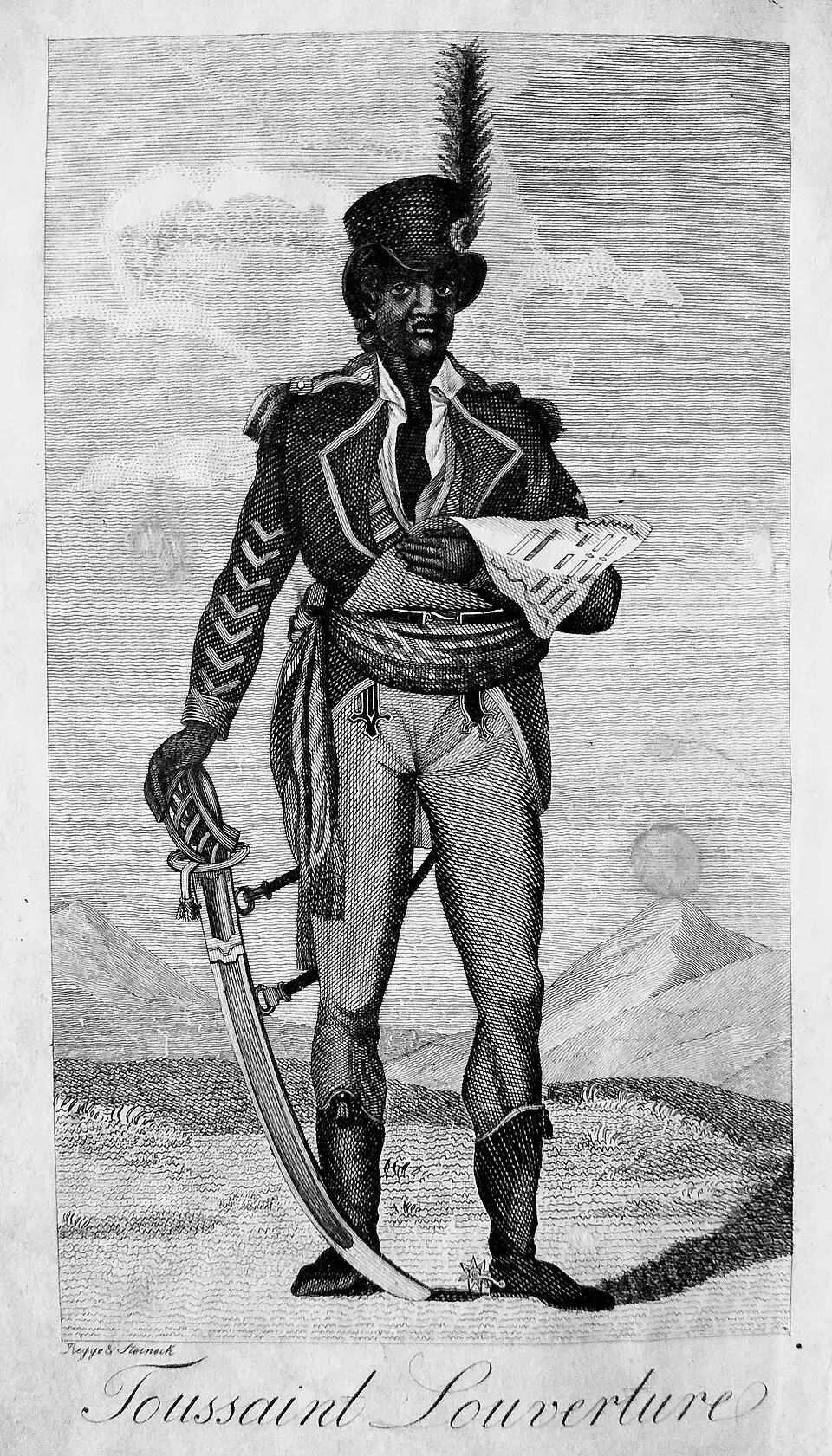
The Colonized Mind: Frantz Fanon's "The Wretched of the Earth"
Frantz Fanon's The Wretched of the Earth: colonialism's psychological damage, the contested question of violence and the pitfalls of liberation.
Forget the Grand Theory: How a "Theory of Nothing" Can Help You Be Healthier
Health psychology is obsessed with finding the one theory to rule them all: a master key to unlocking every health behavior. But what if that's a dead end?
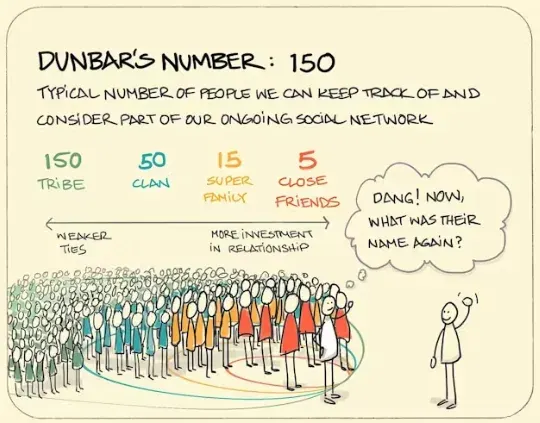
The Intricate Web of Human Friendships: Insights from Science
Friendship is a fundamental aspect of the human experience, providing emotional support, companionship, and a sense of belonging.
Comments
No comments yet. Start the conversation.