Books & Ideas
Reading notes, philosophy and reflections on living and thinking well.
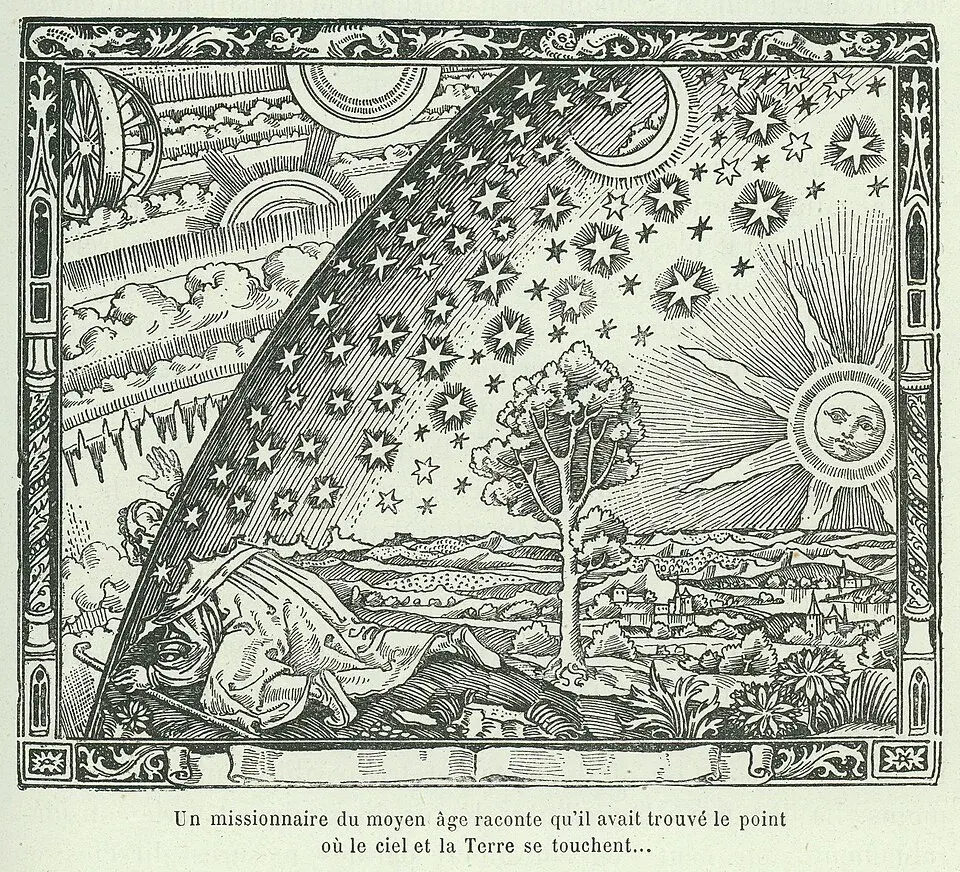
Everything, Briefly: Bill Bryson's Curious Tour of Science
Bill Bryson's A Short History of Nearly Everything: an amateur's funny, curious tour from the Big Bang to us, and why science deepens wonder.
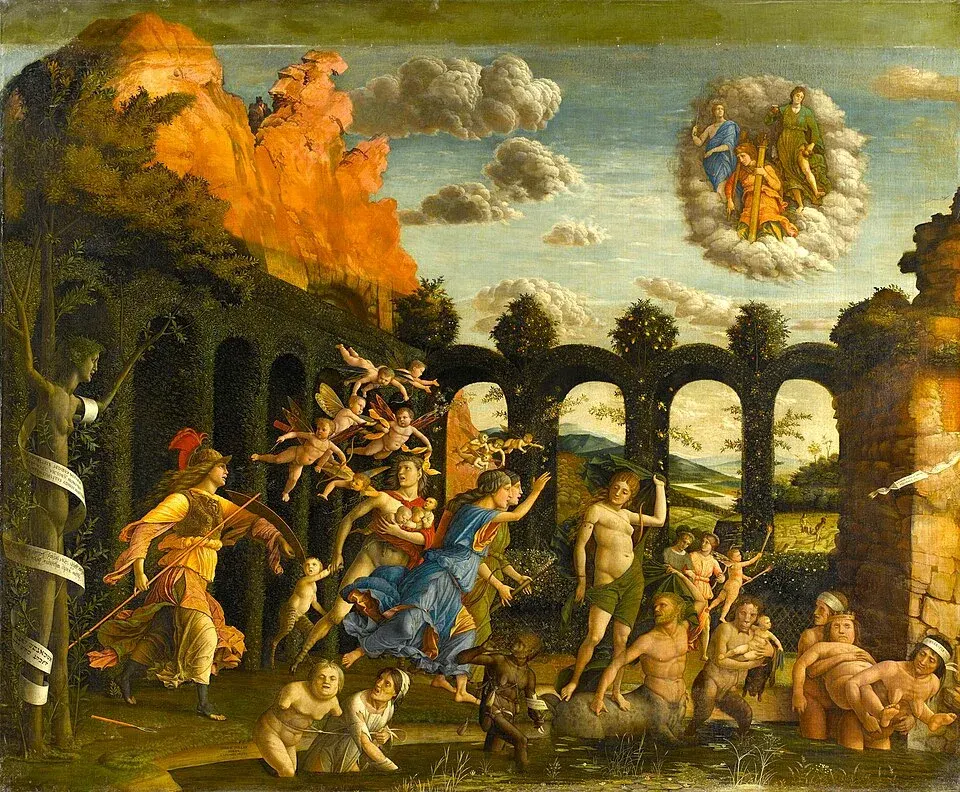
After Virtue: MacIntyre and the Loss of Moral Language
MacIntyre's After Virtue argues that modern moral debate is broken because we use fragments of lost traditions. Here is what the book says and why it matters.
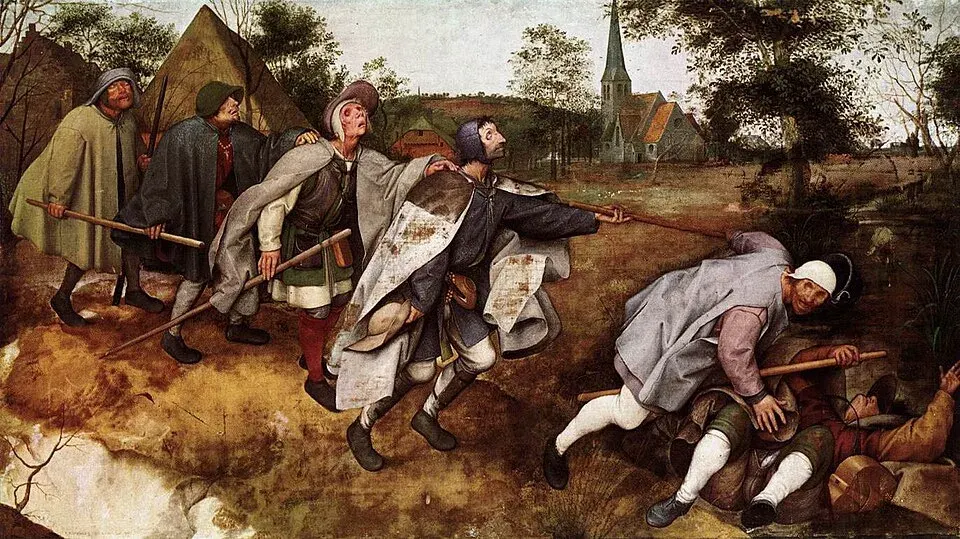
When Everyone Goes Blind: Saramago's Parable of Society's Fragility
José Saramago's Blindness begins with a single, terrifying premise and follows it without flinching to its conclusion.
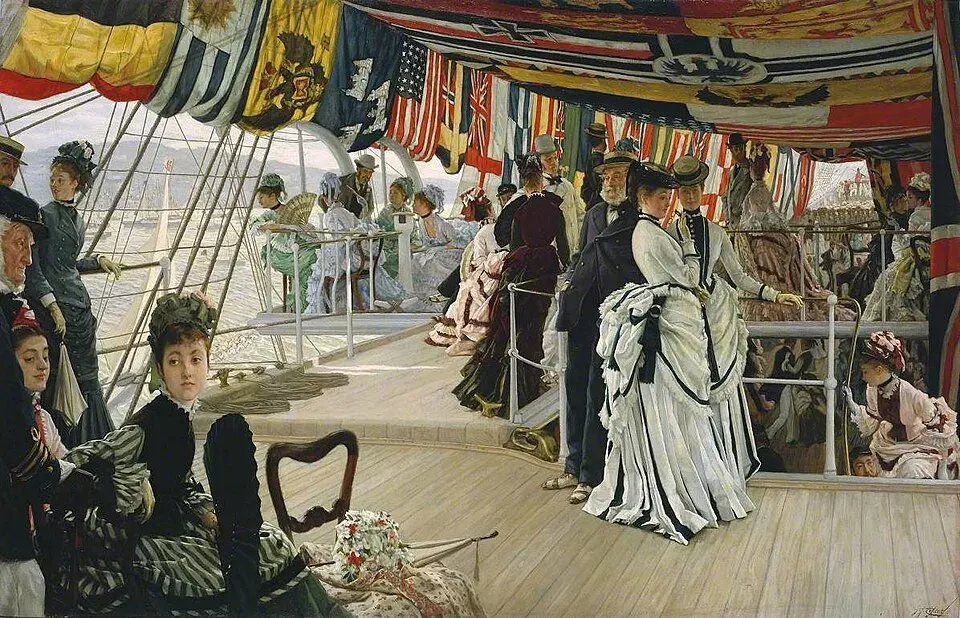
Conspicuous Consumption: Veblen's "The Theory of the Leisure Class"
Veblen's The Theory of the Leisure Class: conspicuous consumption, conspicuous leisure and why status, not need, drives so much of what we buy.
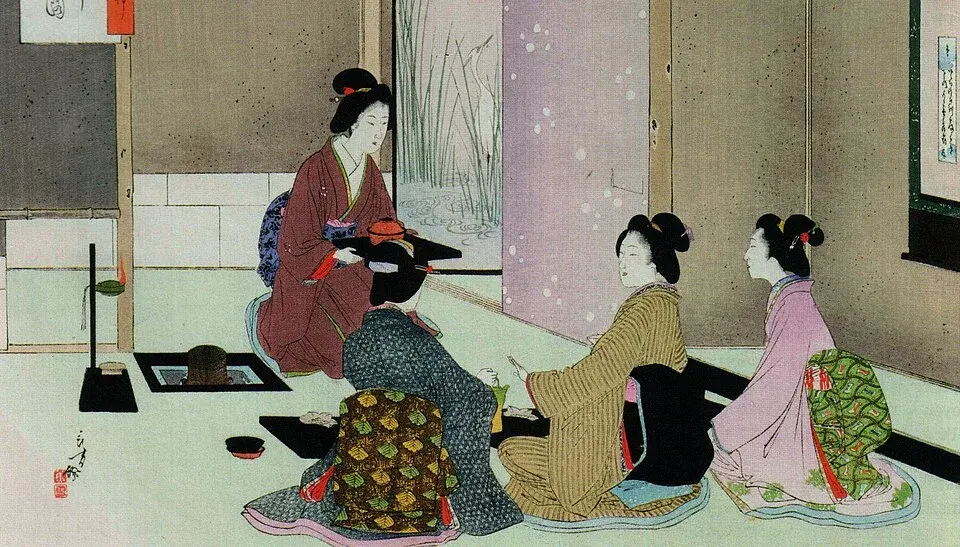
The Cup of Humanity: Okakura's "The Book of Tea"
Okakura's The Book of Tea: Teaism, beauty in simplicity and imperfection, and finding the profound in the ordinary act of drinking tea.
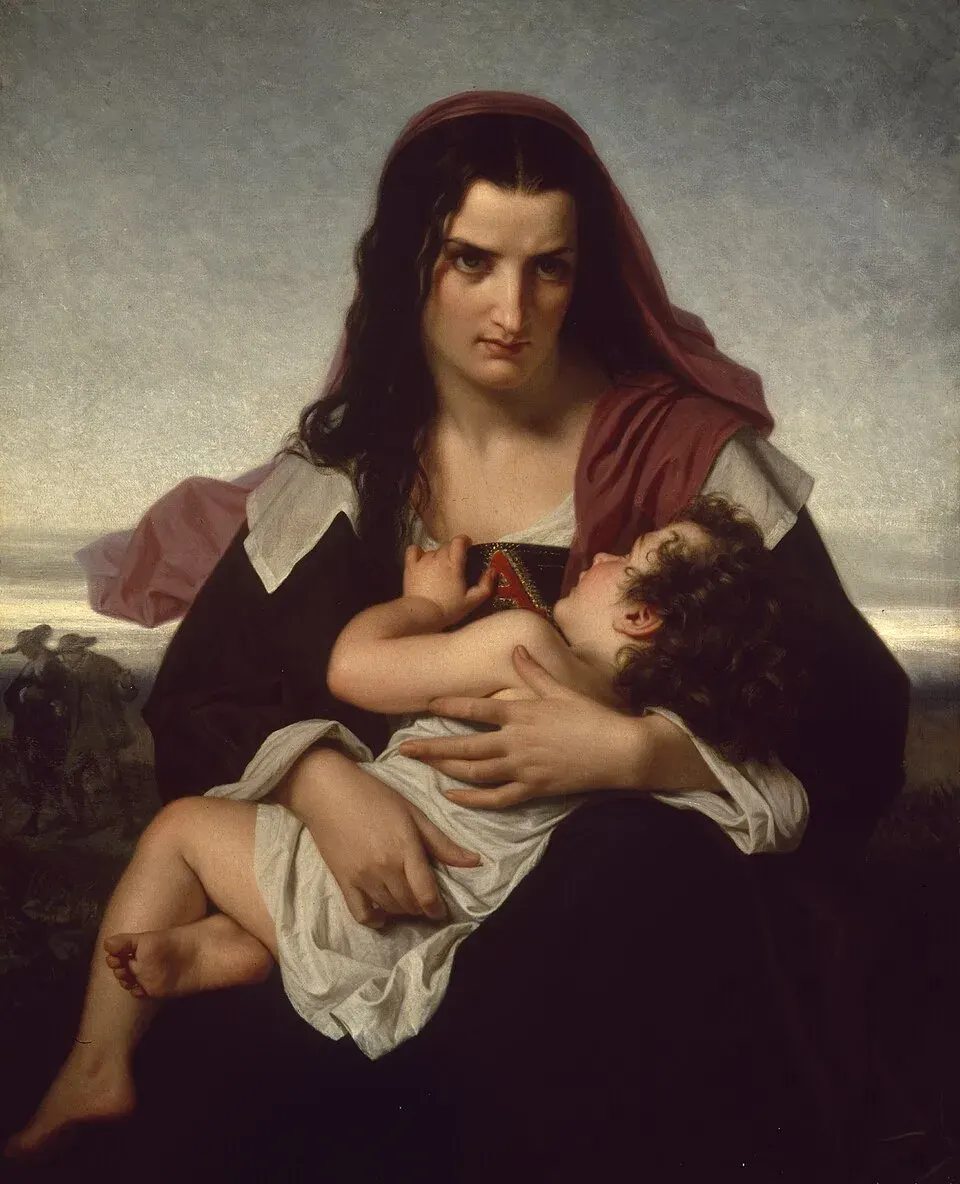
The Scarlet Letter: Sin, Shame, and Society in Hawthorne's America
Nathaniel Hawthorne's The Scarlet Letter is a foundational American novel, set in the rigid, Puritan world of seventeenth-century Boston.

The Tyranny of Beauty: Mishima's "The Temple of the Golden Pavilion"
Mishima's The Temple of the Golden Pavilion: a young monk's obsession with beauty, alienation and why he destroys what he cannot possess.
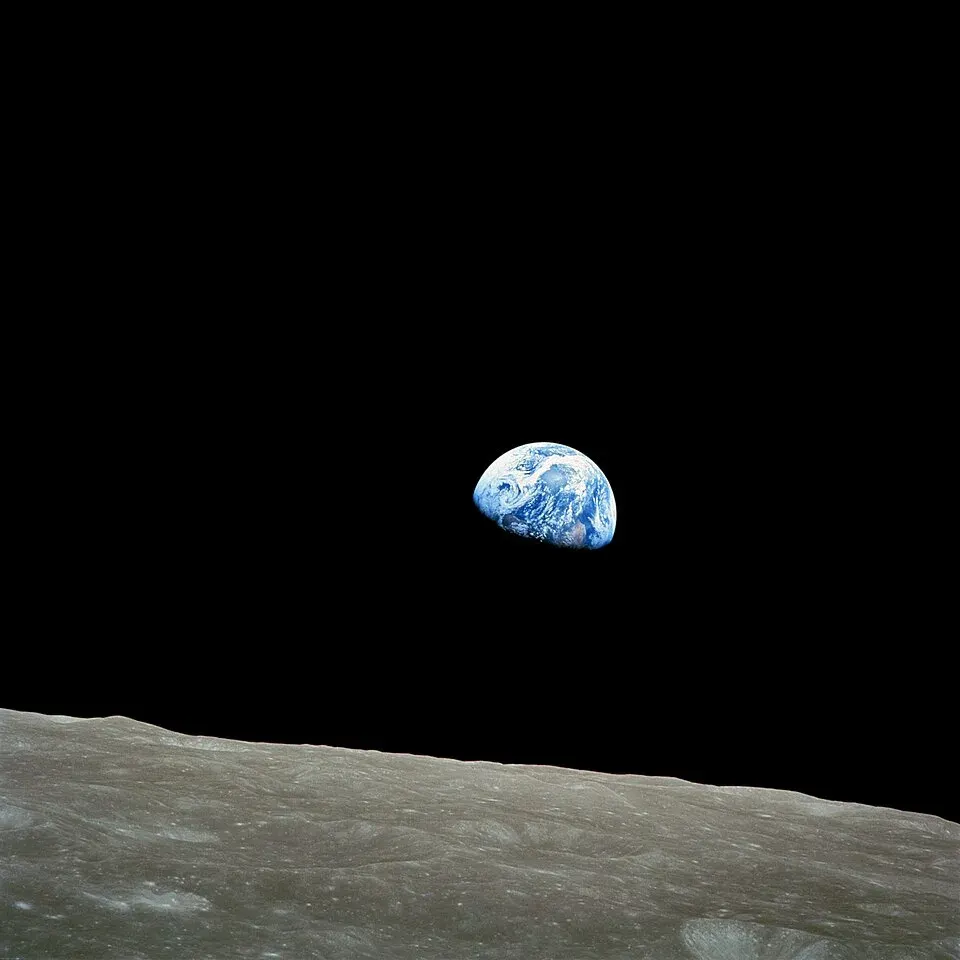
Expanding the Circle: Peter Singer's "Practical Ethics"
Peter Singer's Practical Ethics is one of the most influential, and most challenging, works of applied moral philosophy of recent times.
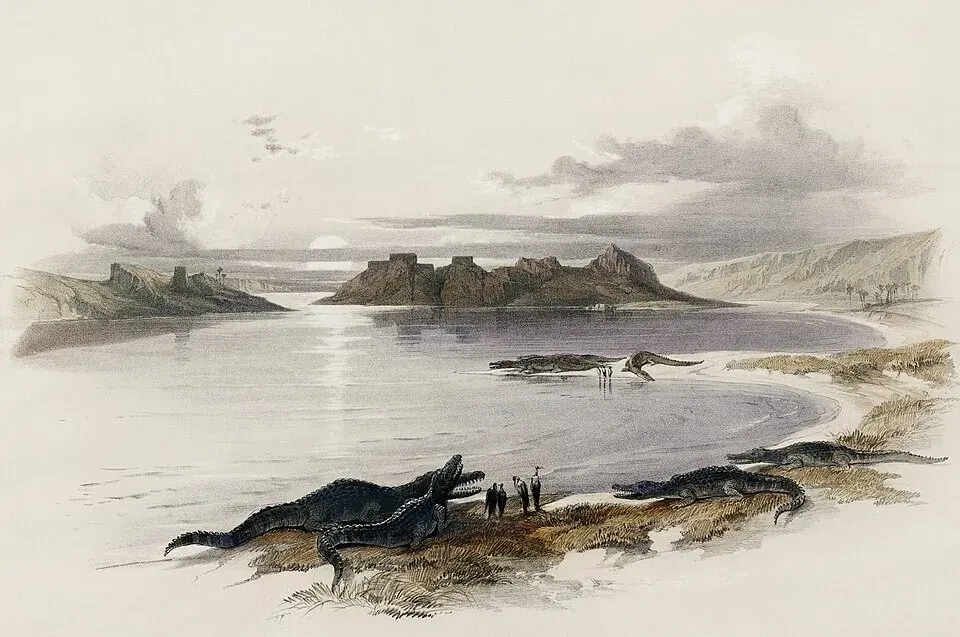
Between Two Worlds: Tayeb Salih's "Season of Migration to the North"
Tayeb Salih's Season of Migration to the North: colonialism, identity and the clash of East and West in one of the greatest Arabic novels.
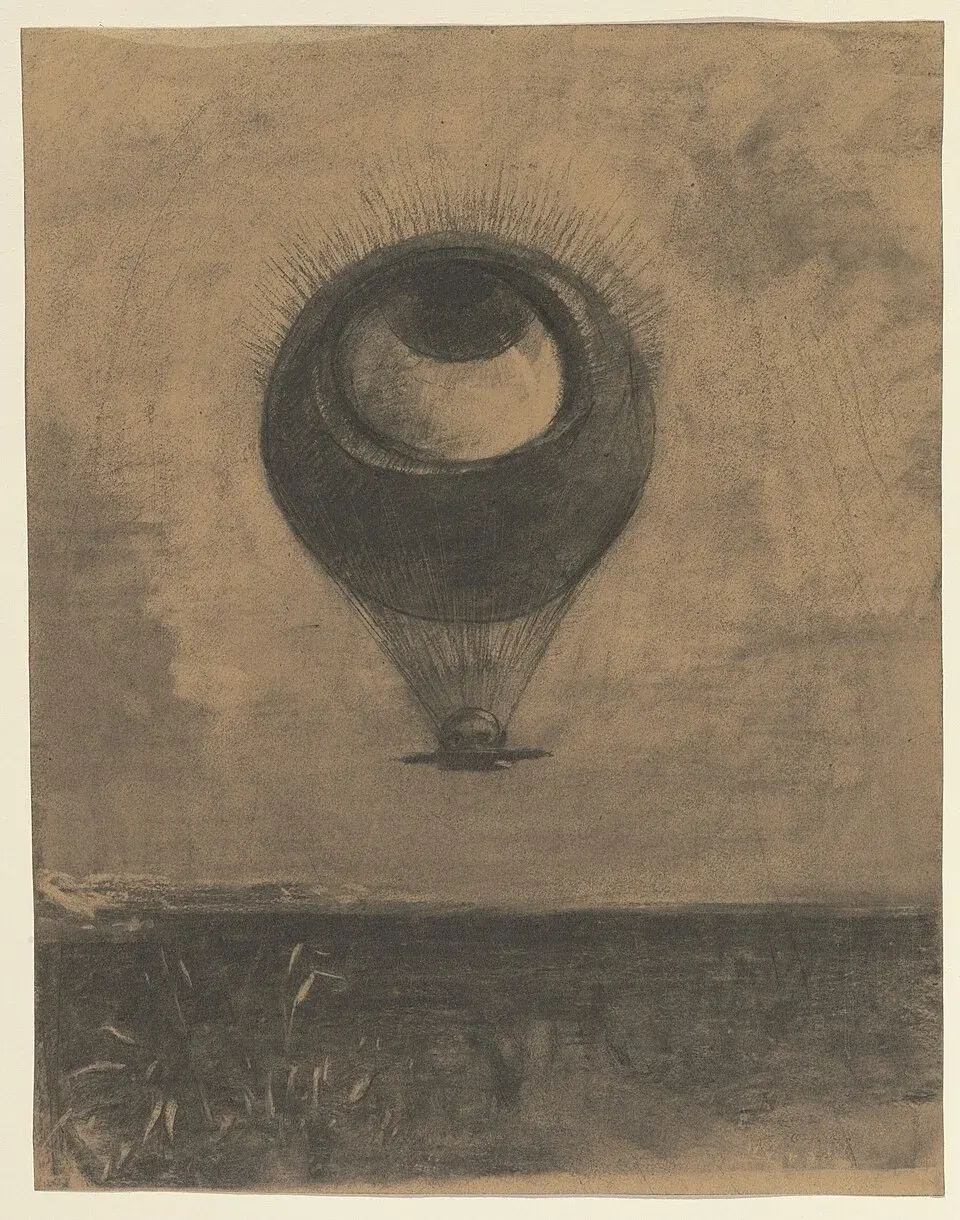
Thinking Without Thinking: Gladwell's "Blink"
Malcolm Gladwell's Blink: thin-slicing, when snap judgments beat analysis, when bias makes them dangerous and how expertise sharpens intuition.
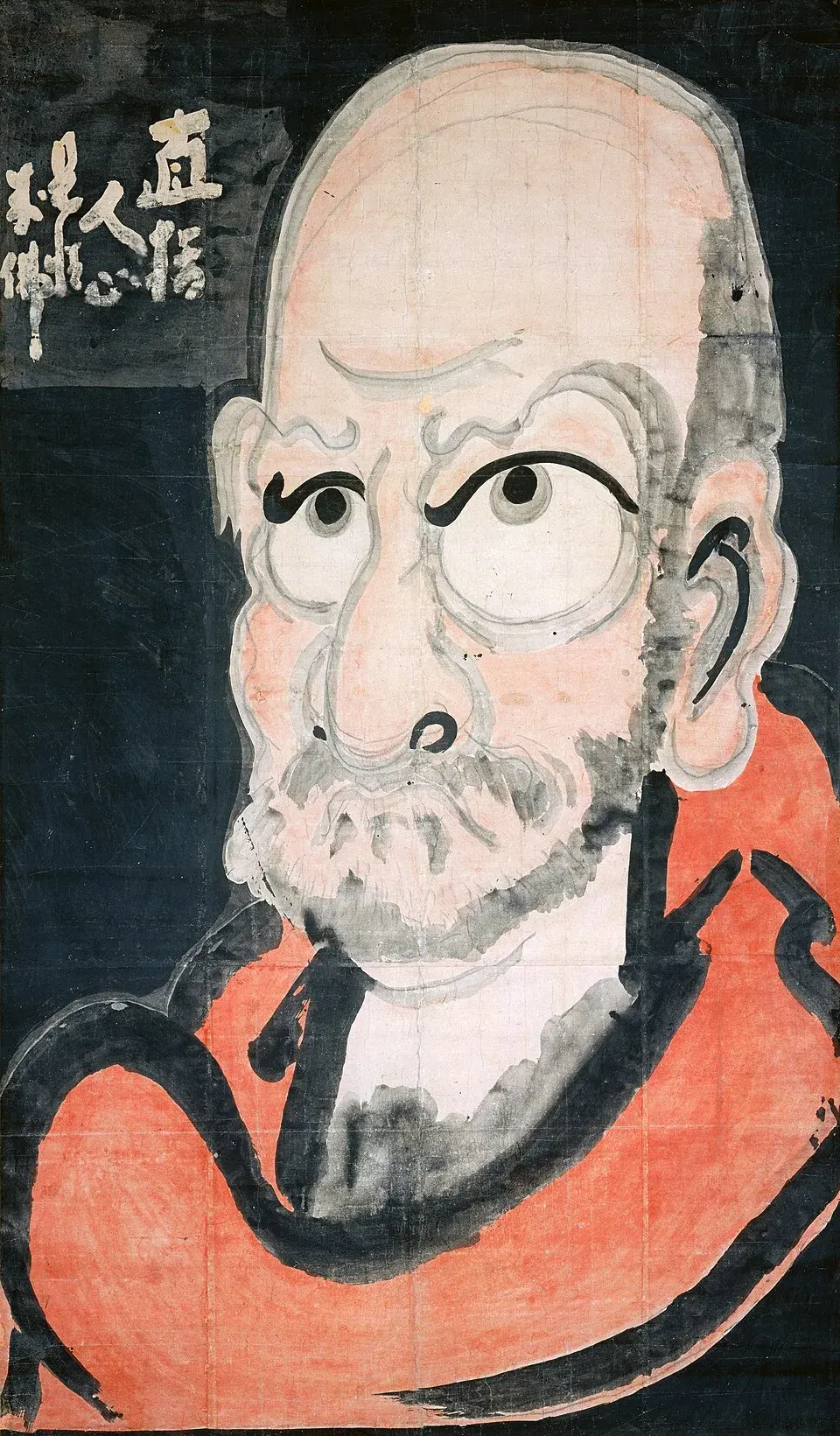
Satori and the Sudden Glimpse: D.T. Suzuki on Zen
D.T. Suzuki's An Introduction to Zen Buddhism: satori, the limits of the intellect, koans and Zen as direct experience rather than doctrine.
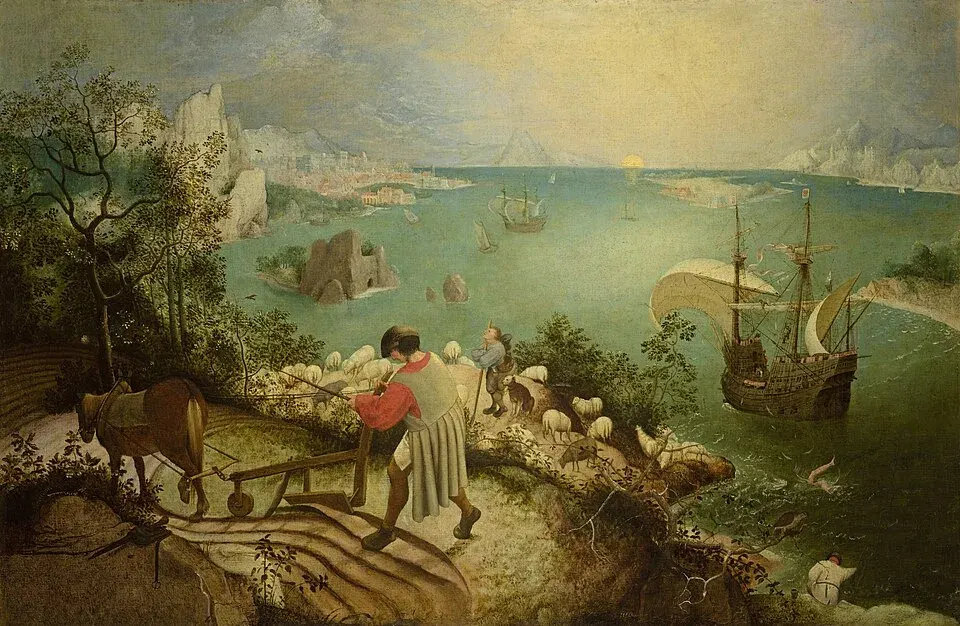
Forging the Conscience of a Soul: Joyce's "A Portrait of the Artist as a Young Man"
Joyce's A Portrait of the Artist as a Young Man: Stephen Dedalus escaping the nets of family, religion and nation, and a style that grows with him.
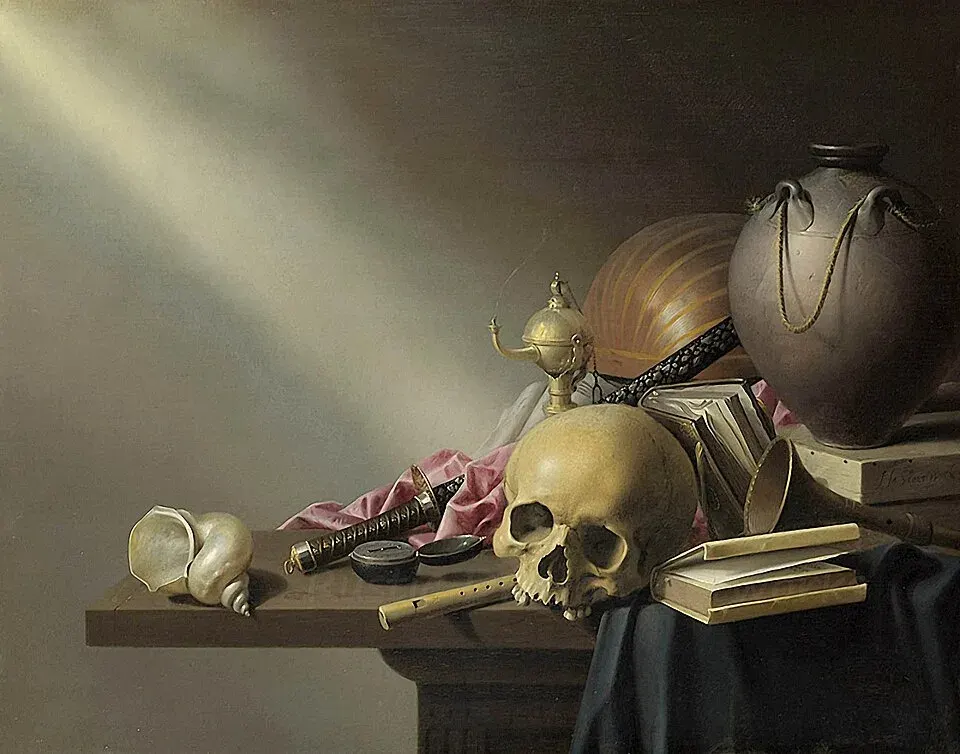
On Dying Well: Atul Gawande's "Being Mortal"
Atul Gawande's Being Mortal: why modern medicine fails the dying, what matters at the end of life and how to ask better questions.
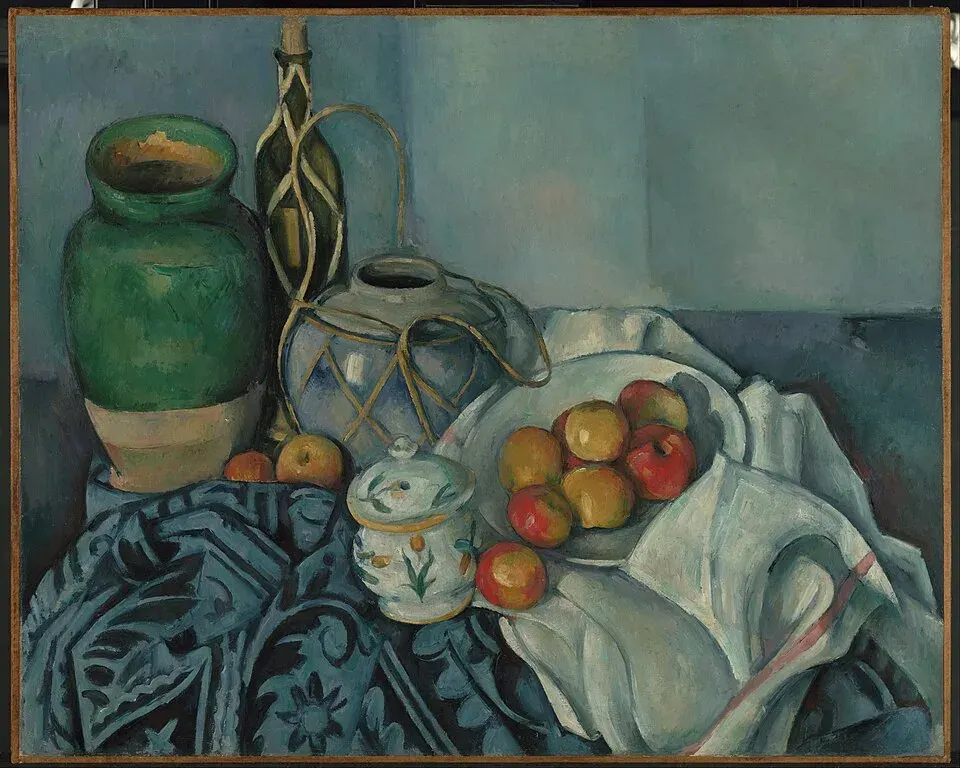
What Can We Really Know? Russell's "The Problems of Philosophy"
Bertrand Russell's The Problems of Philosophy is a small classic, one of the best short introductions to philosophy ever written.
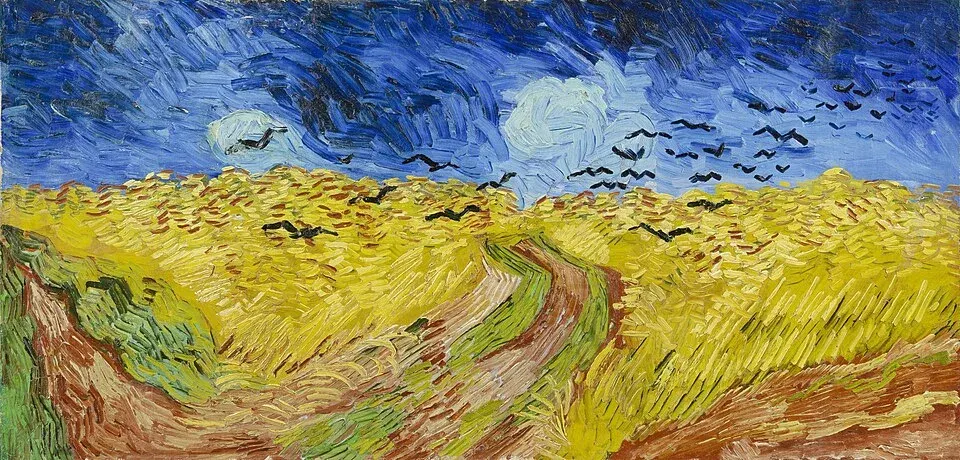
The Phoniness of the World: Holden Caulfield and "The Catcher in the Rye"
Salinger's The Catcher in the Rye explained: Holden's voice, his contempt for phoniness, the fear of growing up and the grief beneath his anger.
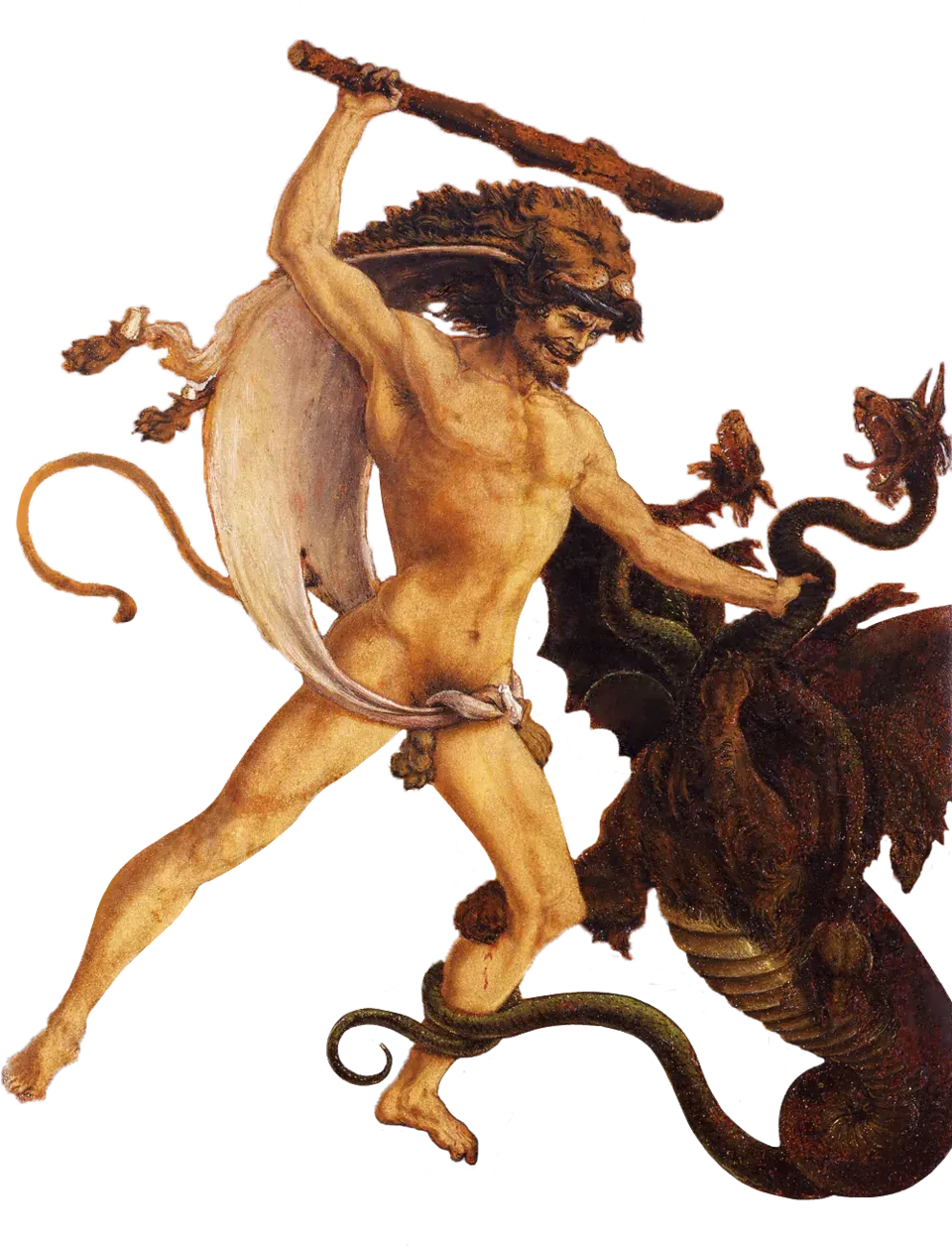
Gaining From Disorder: Taleb's "Antifragile"
Nassim Taleb's Antifragile explained: fragile, robust and antifragile, why removing all volatility backfires, and how to gain from disorder.
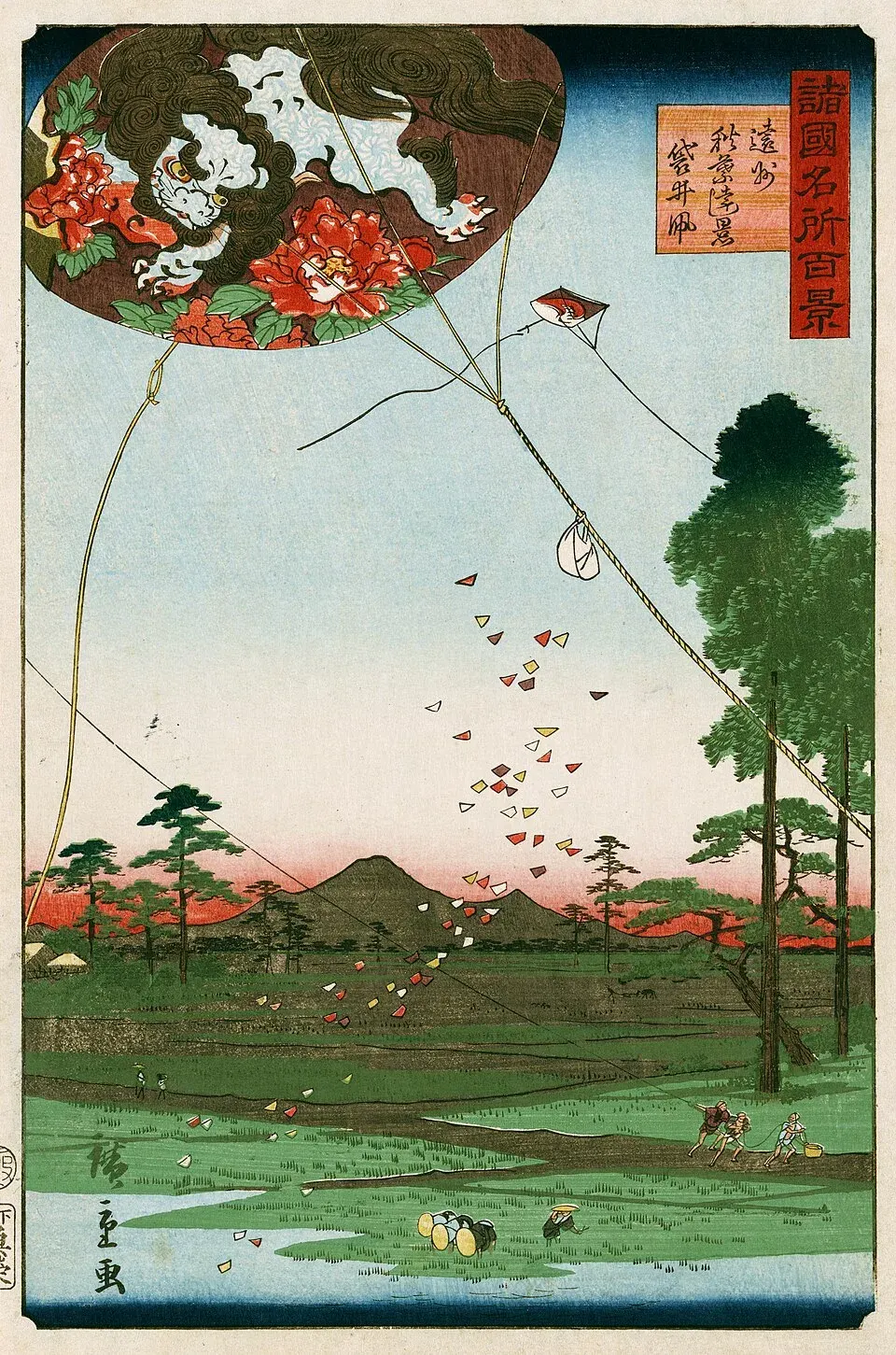
For You, a Thousand Times Over: Guilt and Atonement in "The Kite Runner"
Khaled Hosseini's The Kite Runner: Amir's betrayal of Hassan, the guilt that follows him for decades, and his search for a way to be good again.
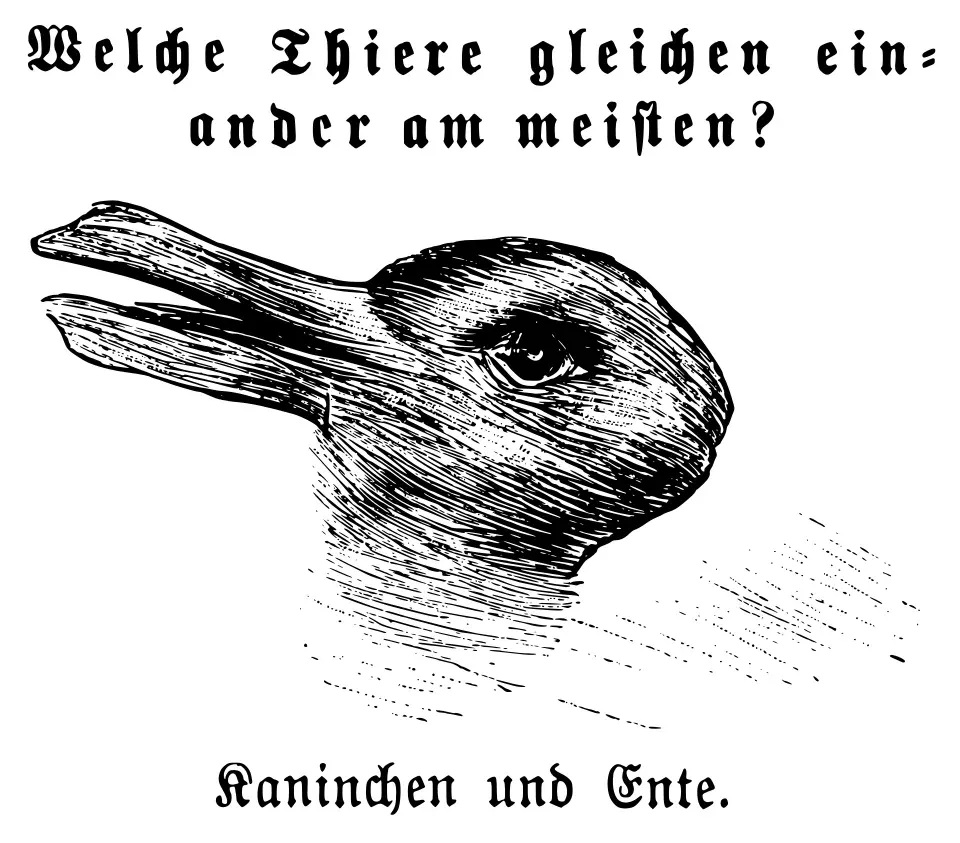
Language Games and Forms of Life: Wittgenstein's "Philosophical Investigations"
Wittgenstein's Philosophical Investigations explained: language games, meaning as use, forms of life, no private language and philosophy as therapy.
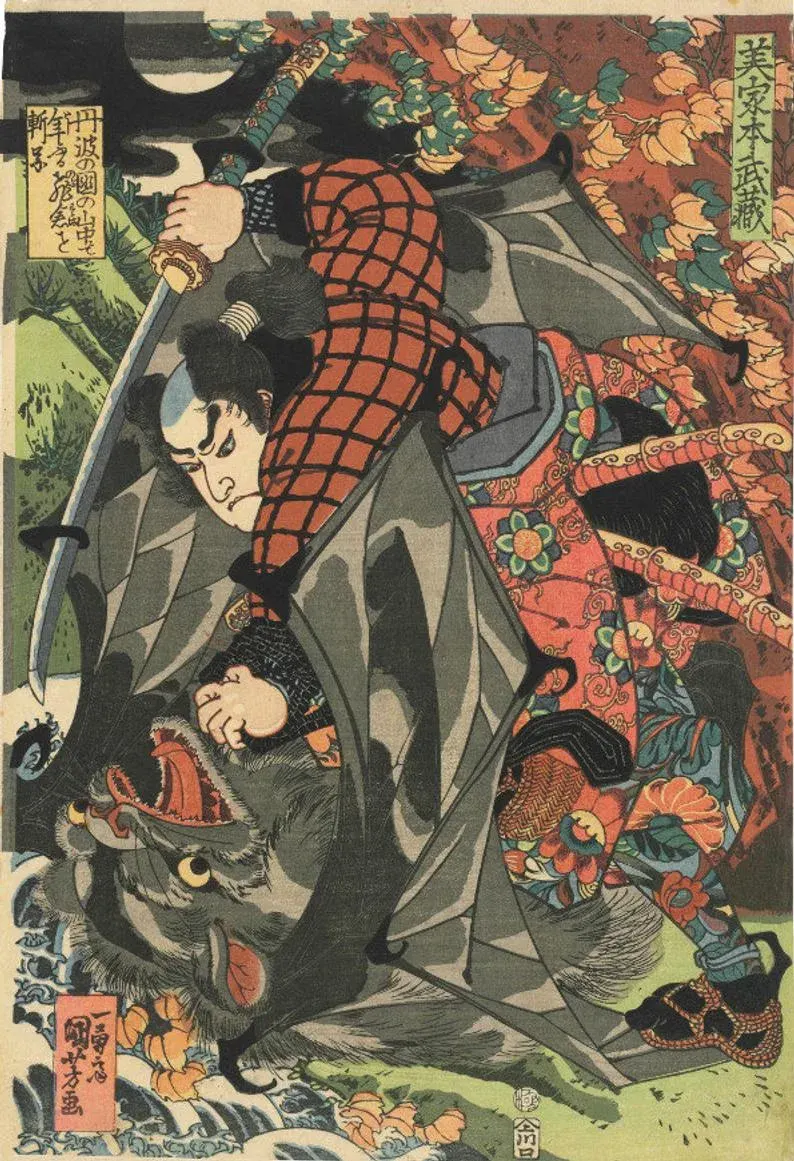
The Way of the Sword and the Self: Musashi's "The Book of Five Rings"
Musashi's The Book of Five Rings: the Way of mastery, clear perception, the five rings of Earth, Water, Fire, Wind and Void and lessons beyond combat.
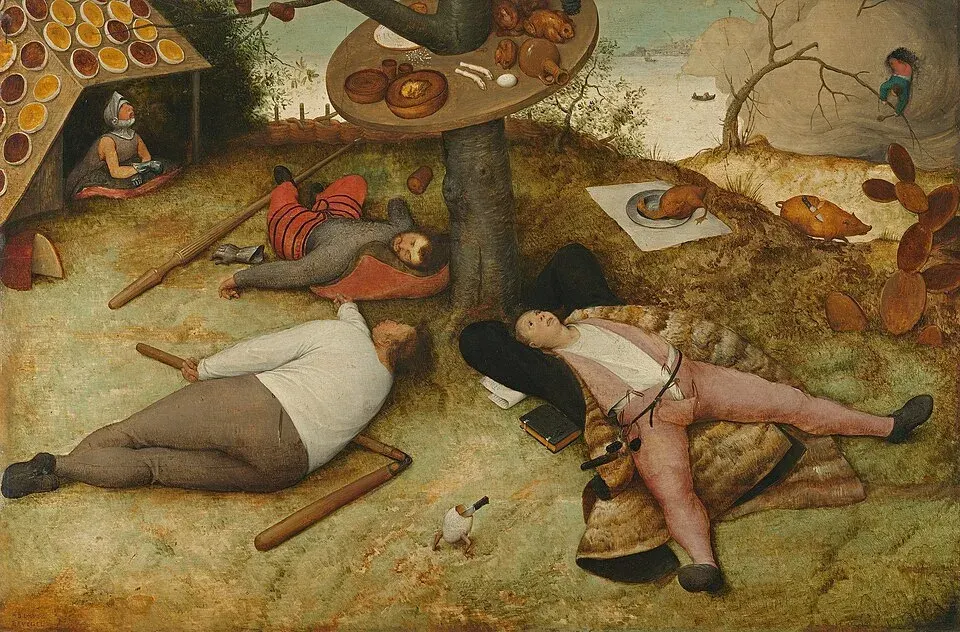
Why We're Bad at Predicting Our Own Joy: Gilbert's "Stumbling on Happiness"
Daniel Gilbert's Stumbling on Happiness is not, despite its title, a how-to guide for becoming happy.
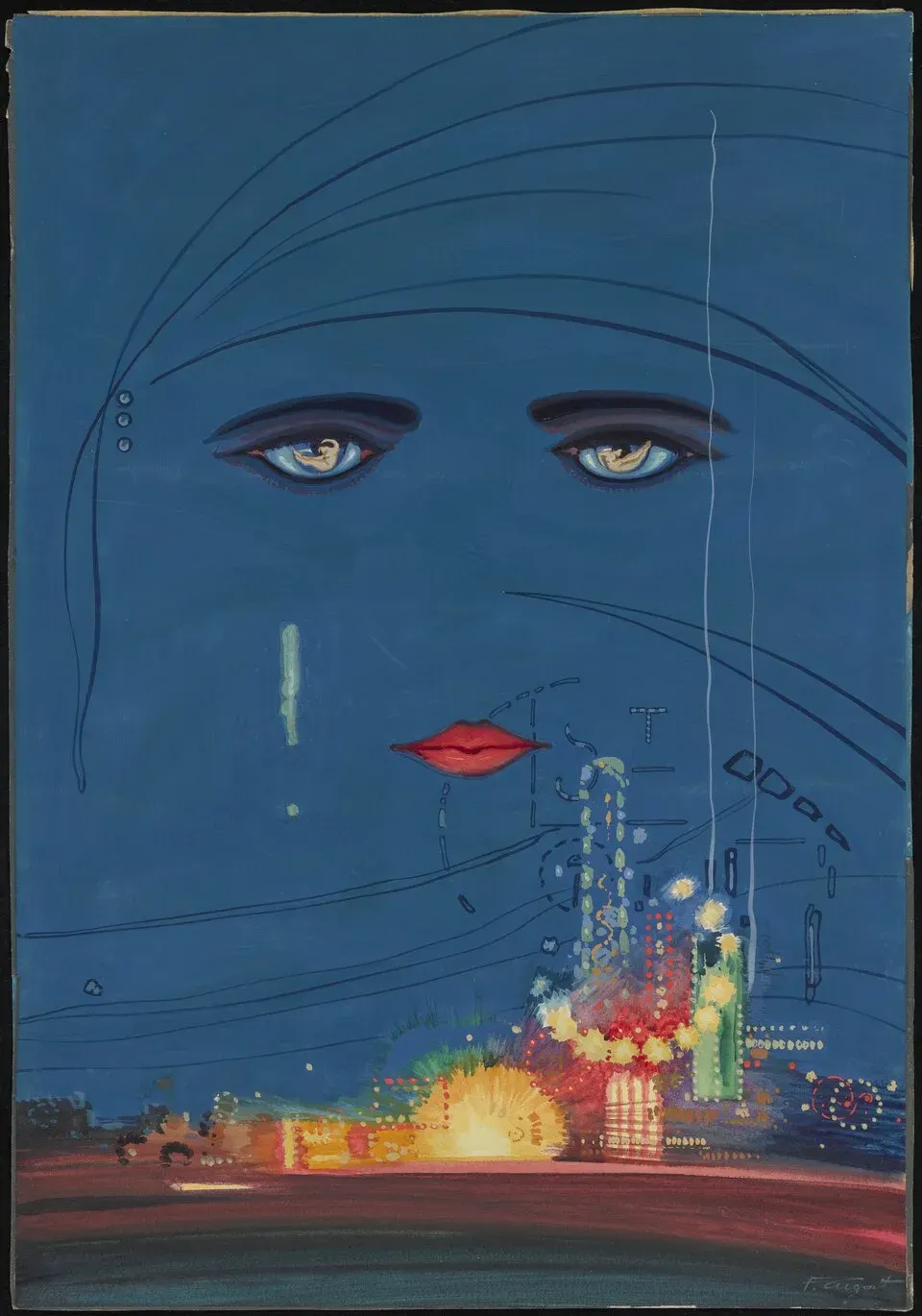
The Green Light and the American Dream: Fitzgerald's "The Great Gatsby"
Fitzgerald's The Great Gatsby explained: the green light, the corruption of the American Dream, careless wealth and why you can't repeat the past.
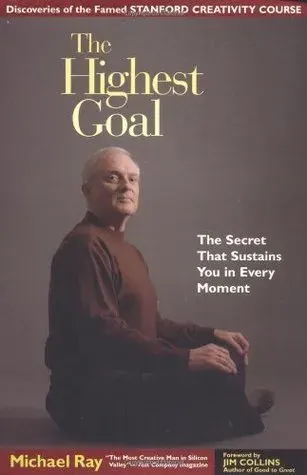
Living with Purpose: Lessons from The Highest Goal by Michael Ray
In a world focused on goals, titles, and achievements, it’s easy to chase one thing after another without ever stopping to ask the bigger question: Why?
How Little Things Make a Big Difference: Gladwell's "The Tipping Point"
Malcolm Gladwell's The Tipping Point: social epidemics, the Law of the Few, stickiness and context, and how far to trust his compelling stories.

The Limits of My Language: Wittgenstein's "Tractatus"
Wittgenstein's Tractatus explained: the picture theory of language, the limits of what can be said and why we must be silent about what matters most.