After Virtue: MacIntyre and the Loss of Moral Language
In one breath
Alasdair MacIntyre's After Virtue argues that modern moral argument never ends because we speak in fragments of older, incompatible traditions. Having lost Aristotle's framework, we slide into emotivism; his controversial cure is to recover the virtues, rooted in practices, narrative and tradition.
On this page
Alasdair MacIntyre’s After Virtue is one of the most important works of moral philosophy of the late twentieth century, and it opens with a startling and unsettling claim. Modern moral discourse, MacIntyre argues, is in a state of grave disorder. We argue endlessly about ethics, abortion, war, justice, rights, but our arguments never reach agreement, because we are using fragments of older moral traditions that no longer fit together into any coherent whole. We have inherited the language of morality, but lost the framework that once gave it meaning. His diagnosis is bold, his proposed cure controversial: a return to the tradition of the virtues, rooted in Aristotle, as the only way to repair our shattered moral world. It is a difficult, deeply learned, and genuinely challenging book.
Here is what After Virtue taught me about the disorder of modern morality, about the eclipse of the virtues, and about practices, narrative, and tradition.
Key takeaways
- Modern moral debate is interminable because we use fragments of incompatible traditions.
- We lost the framework (Aristotle’s) that once made moral language coherent.
- “Emotivism”: morality reduced to mere expressions of feeling and preference.
- Virtues are tied to practices, narrative, and tradition, not abstract rules.
- MacIntyre calls for a recovery of the tradition of the virtues.
The disorder of modern morality
MacIntyre’s opening move is a striking thought experiment. Imagine, he says, that a catastrophe destroyed the natural sciences, and that afterward people tried to reconstruct science from surviving fragments, half-remembered theories, isolated facts, bits of terminology, without the coherent framework that once gave them meaning. They would use scientific language, but it would be a simulacrum, incoherent and useless. This, MacIntyre argues, is precisely the state of modern morality. We have inherited fragments of older moral vocabularies, virtue, duty, rights, the good, from traditions that have collapsed, and we deploy them without the frameworks that once made them coherent. This is why our moral debates are interminable: we argue past each other, invoking incompatible fragments, with no shared standard to resolve the dispute. Our moral disagreements, MacIntyre suggests, cannot be rationally settled, because we have lost the very tradition that would make rational settlement possible. It is a bleak and provocative diagnosis of our condition.
The eclipse of the virtues
How did we come to this? MacIntyre tells a historical story centred on the failure of the Enlightenment. Pre-modern morality, above all Aristotle’s, made sense because it rested on a coherent framework: a conception of human nature, of what human beings are for, of the telos or purpose toward which a good human life aims. Within that framework, the virtues were the qualities that helped a person move from their untutored nature toward their proper end, the good life. But the Enlightenment rejected the idea of a human telos, of any purpose built into human nature, while trying to keep the moral rules that had depended on it. This, MacIntyre argues, was doomed: cut off from any account of what human life is for, moral rules lost their grounding and became arbitrary. The result is what he calls “emotivism”: the modern reduction of moral judgments to mere expressions of personal feeling or preference, “I approve of this; do so as well.” Without a shared telos, morality collapses into the clash of arbitrary preferences, and the virtues are eclipsed.
Practices, narrative, and tradition
MacIntyre’s constructive proposal is a recovery of the tradition of the virtues, and he reconstructs that tradition around three rich concepts. First, “practices”: coherent, socially established human activities, from chess to medicine to farming to science, that have internal standards of excellence and “internal goods” achievable only by pursuing them well. The virtues are the qualities that enable us to achieve these internal goods, the excellences a practice demands. Second, the “narrative unity of a human life”: a human life is intelligible as a whole, a story, a quest, and the virtues are what sustain us on that quest toward the good. Third, “tradition”: we are never isolated individuals but inheritors of living traditions that carry and develop our understanding of the good over time. Through these three ideas, MacIntyre rebuilds a conception of the virtues grounded not in abstract rules but in the concrete practices, life-stories, and traditions that actually shape moral life. The famous, bleak final image, that we are waiting for “a new, doubtless very different, St. Benedict” to preserve moral community through a new dark age, is both a warning and a call.
What I’m taking with me
After Virtue is a demanding and brilliant book that reframed how I understand the confusion of modern moral life. What I am taking from MacIntyre is his unsettling diagnosis that our endless, irresolvable moral disagreements stem from using fragments of incompatible traditions; his account of how the loss of a human telos left morality groundless and collapsing into emotivism; and his rich reconstruction of the virtues through practices, narrative, and tradition. I do not accept all of his conclusions, and his nostalgia for a lost wholeness can be questioned, but he has given me a powerful lens on why our moral arguments so often go nowhere, and a compelling case that ethics may need to be rebuilt on something deeper than the clash of preferences.
Frequently asked questions
What is After Virtue about?
It is Alasdair MacIntyre’s influential work arguing that modern moral language is in disorder, a set of fragments from collapsed traditions, and calling for a recovery of the Aristotelian tradition of the virtues to make ethics coherent again.
What does MacIntyre mean by “emotivism”?
The modern reduction of moral judgments to mere expressions of personal feeling or preference, with no rational grounding, which MacIntyre sees as the result of losing the framework that once made morality coherent.
What is MacIntyre’s solution?
A recovery of the tradition of the virtues, reconstructed around the ideas of “practices” with internal goods, the narrative unity of a human life, and living traditions that carry our understanding of the good.
References & further reading
- MacIntyre, Alasdair. After Virtue: A Study in Moral Theory. University of Notre Dame Press, 1981.
- MacIntyre, Alasdair. Whose Justice? Which Rationality? University of Notre Dame Press, 1988.
- Aristotle. Nicomachean Ethics.
Watch: others on this book


Read along with me
Book notes, philosophy and the ideas that shape how we build. New essays every month, no spam.
Related reading notes
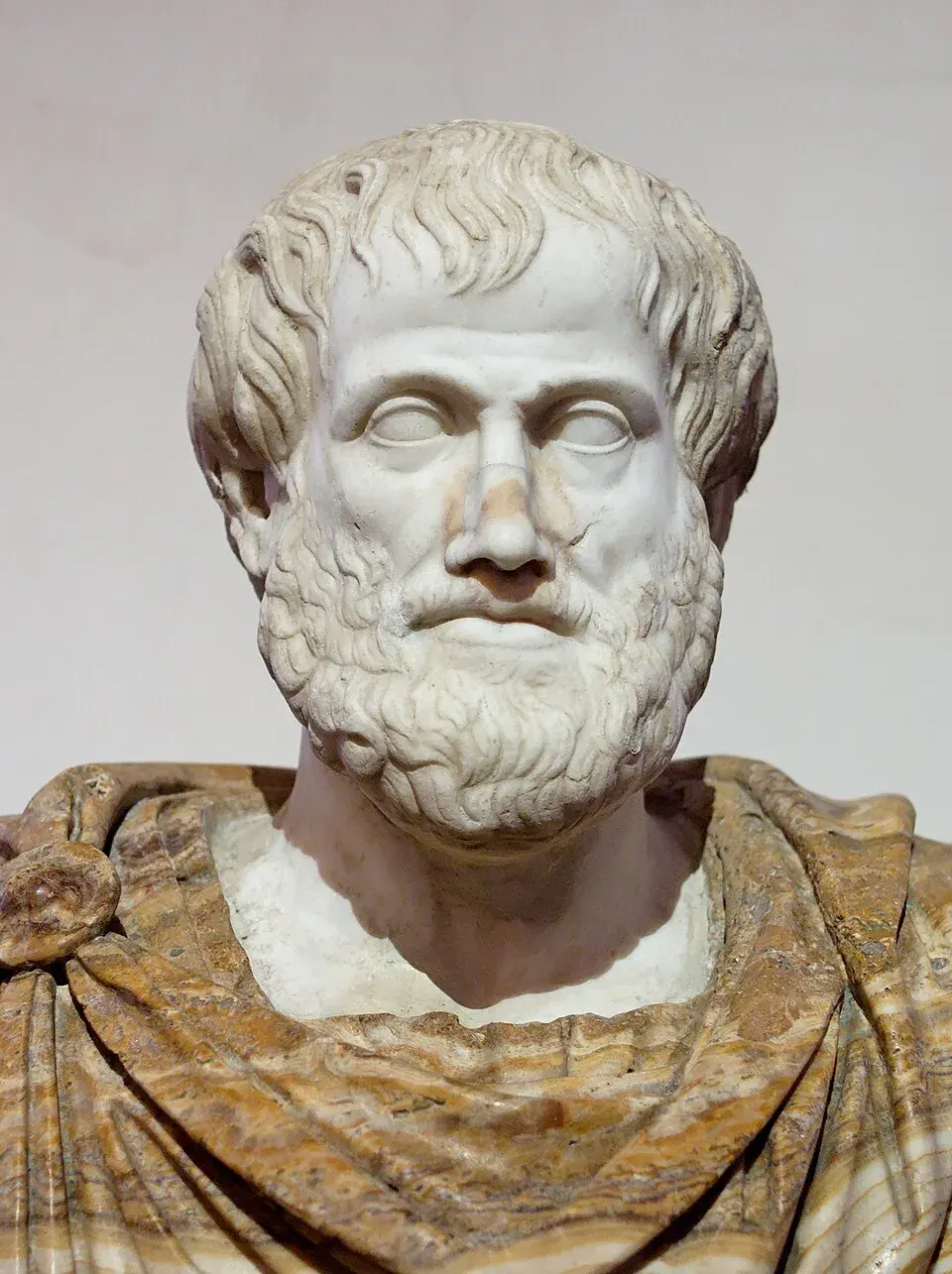
The Pursuit of the Good Life: Insights from Aristotle's "Nicomachean Ethics"
If Plato's ethics points us toward a perfect world beyond this one, Aristotle's Nicomachean Ethics keeps both feet firmly on the ground.
Luck and the Good Life: Martha Nussbaum's "The Fragility of Goodness"
Martha Nussbaum's The Fragility of Goodness: how much a good life depends on luck, what Greek tragedy teaches, and Plato versus Aristotle.
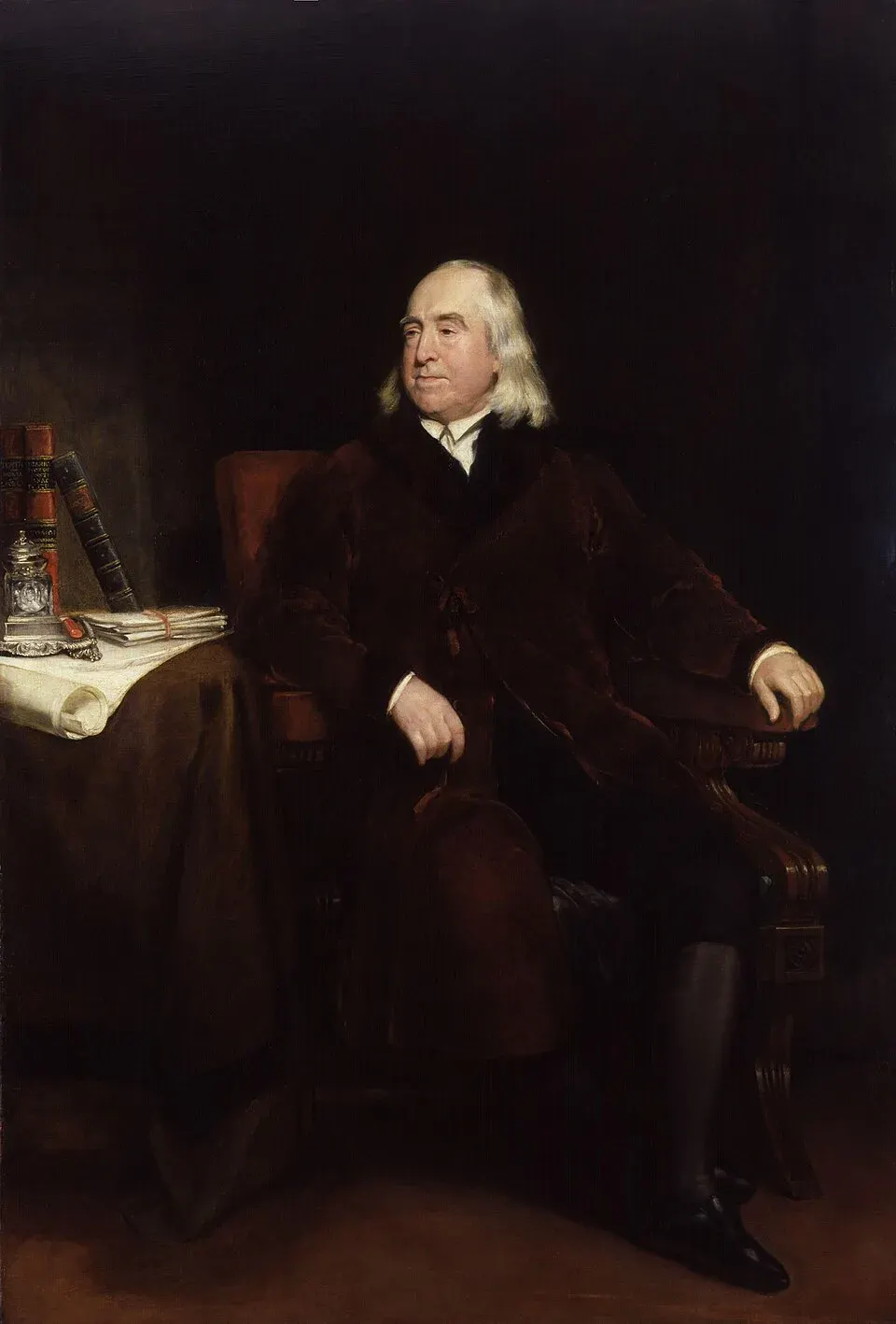
The Greatest Happiness Principle: Mill's "Utilitarianism"
John Stuart Mill's Utilitarianism is the classic defence of one of the most influential, and most intuitive, moral theories ever devised.
Comments
No comments yet. Start the conversation.