The Greatest Happiness Principle: Mill's "Utilitarianism"
In one breath
John Stuart Mill's Utilitarianism defends the greatest happiness principle: actions are right as they promote happiness and wrong as they produce its opposite, for everyone affected, counted equally. Mill ranks higher intellectual pleasures above sensation; critics worry the theory can sacrifice individuals for the majority.
On this page
John Stuart Mill’s Utilitarianism is the classic defence of one of the most influential, and most intuitive, moral theories ever devised. The core idea is disarmingly simple: actions are right insofar as they promote happiness, and wrong insofar as they produce the reverse. The morally best action is the one that produces the greatest happiness for the greatest number. Mill inherited this “greatest happiness principle” from his mentor Jeremy Bentham, but in this short, elegant book he refines and defends it against its critics, and in doing so gives utilitarianism its most humane and persuasive form. Whether or not one accepts it, utilitarianism is impossible to ignore; we reason this way, about consequences and well-being, constantly.
Here is what Utilitarianism taught me about the greatest happiness principle, about Mill’s higher and lower pleasures, and about the strengths and limits of consequentialist ethics.
Key takeaways
- The greatest happiness principle: maximise happiness, minimise suffering, for all affected.
- Consequences determine rightness, not intentions or fixed rules alone.
- Higher and lower pleasures: Mill ranks intellectual and moral pleasures above mere sensation.
- Everyone counts equally; each person’s happiness weighs the same.
- Powerful but limited: critics worry it can justify sacrificing individuals for the majority.
The greatest happiness principle
At the heart of utilitarianism is the principle of utility, or the greatest happiness principle: the rightness of an action is measured by its consequences for happiness and suffering. An action is good to the extent that it increases happiness and reduces pain, not just for the person acting but for everyone affected, and the best action in any situation is the one that produces the greatest total happiness for the greatest number. This is a “consequentialist” ethics: what makes an act right is its results, not the intention behind it or its conformity to some fixed rule. There is something refreshingly clear and practical about this. It gives a single, understandable standard for moral decisions, and it takes seriously what surely must matter morally, the actual well-being and suffering of real, sentient beings. Much of modern public policy, cost-benefit analysis, debates about the greatest good, is utilitarian at root.
Higher and lower pleasures
One famous objection to utilitarianism is that it reduces morality to the pursuit of pleasure, making it, as critics sneered, “a doctrine worthy only of swine.” Mill’s response is one of his most important contributions. Not all pleasures, he argues, are equal in quality, not just in quantity. There are “higher” pleasures, those of the intellect, the imagination, the moral sentiments, and “lower” pleasures of mere bodily sensation, and the higher are genuinely more valuable. How do we know? Mill’s test is the verdict of those who have experienced both: people who know both the pleasures of the mind and those of the body almost always prefer the former, even when the higher pleasures come with more difficulty or discontent. Hence his famous line: it is better to be a human being dissatisfied than a pig satisfied; better to be Socrates dissatisfied than a fool satisfied. This raises utilitarianism above crude hedonism and makes room for the dignity of human depth.
Strengths and limits
I find much to admire in utilitarianism, and also real reasons for caution. Its great strengths are its clarity, its focus on actual well-being rather than abstract rules, and its radical impartiality: everyone’s happiness counts equally, the king’s no more than the beggar’s, which gives it genuine moral force against privilege and cruelty. But its weaknesses are equally real, and Mill wrestles with them. The most serious is that maximising total happiness can, in principle, justify sacrificing an innocent individual for the greater good of the majority, the one tortured for the contentment of the many. A pure consequentialism can ride roughshod over individual rights and justice, treating persons as mere units of happiness to be summed and traded. Mill tries to answer this, arguing that respecting justice and rights itself promotes happiness in the long run, but the tension is real, and it is exactly the point where rights-based theories like Kant’s and Nozick’s push back hardest.
What I’m taking with me
Utilitarianism gave me a clear grasp of one of the two or three great moral theories, and a tool I find myself using constantly. What I am taking from Mill is the greatest happiness principle as a powerful and humane standard, asking, of any action, what its real consequences are for the well-being of all affected; his crucial refinement of higher and lower pleasures, which honours the dignity of intellectual and moral life; and his radical impartiality, the insistence that everyone’s happiness counts equally. But I hold it alongside its limits, especially the danger of sacrificing the individual to the majority, which is why I think utilitarian reasoning is best balanced by a firm respect for individual rights.
Frequently asked questions
What is utilitarianism?
The moral theory that actions are right insofar as they promote happiness and wrong insofar as they produce suffering. The best action produces the greatest happiness for the greatest number of those affected.
What are higher and lower pleasures?
Mill’s distinction between the more valuable pleasures of the intellect, imagination, and moral sense (higher) and the pleasures of mere bodily sensation (lower), judged by those who have experienced both.
What is the main criticism of utilitarianism?
That maximizing total happiness can justify sacrificing innocent individuals for the benefit of the majority, riding over individual rights and justice. Mill tries to answer this, but the tension remains.
References & further reading
- Mill, John Stuart. Utilitarianism. 1863.
- Crisp, Roger. Mill on Utilitarianism. Routledge, 1997.
- Bentham, Jeremy. An Introduction to the Principles of Morals and Legislation. 1789.
Watch: others on this book
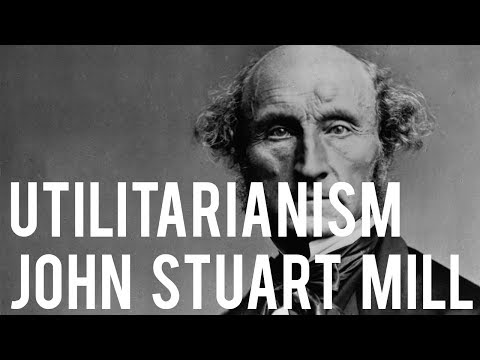
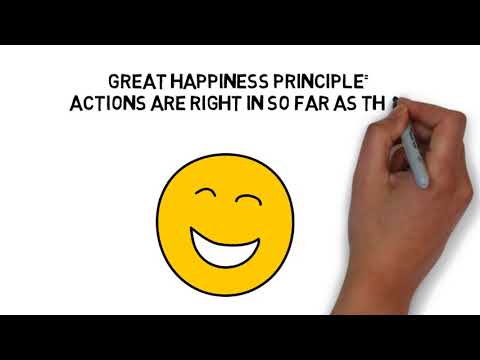
Read along with me
Book notes, philosophy and the ideas that shape how we build. New essays every month, no spam.
Related reading notes

Expanding the Circle: Peter Singer's "Practical Ethics"
Peter Singer's Practical Ethics is one of the most influential, and most challenging, works of applied moral philosophy of recent times.
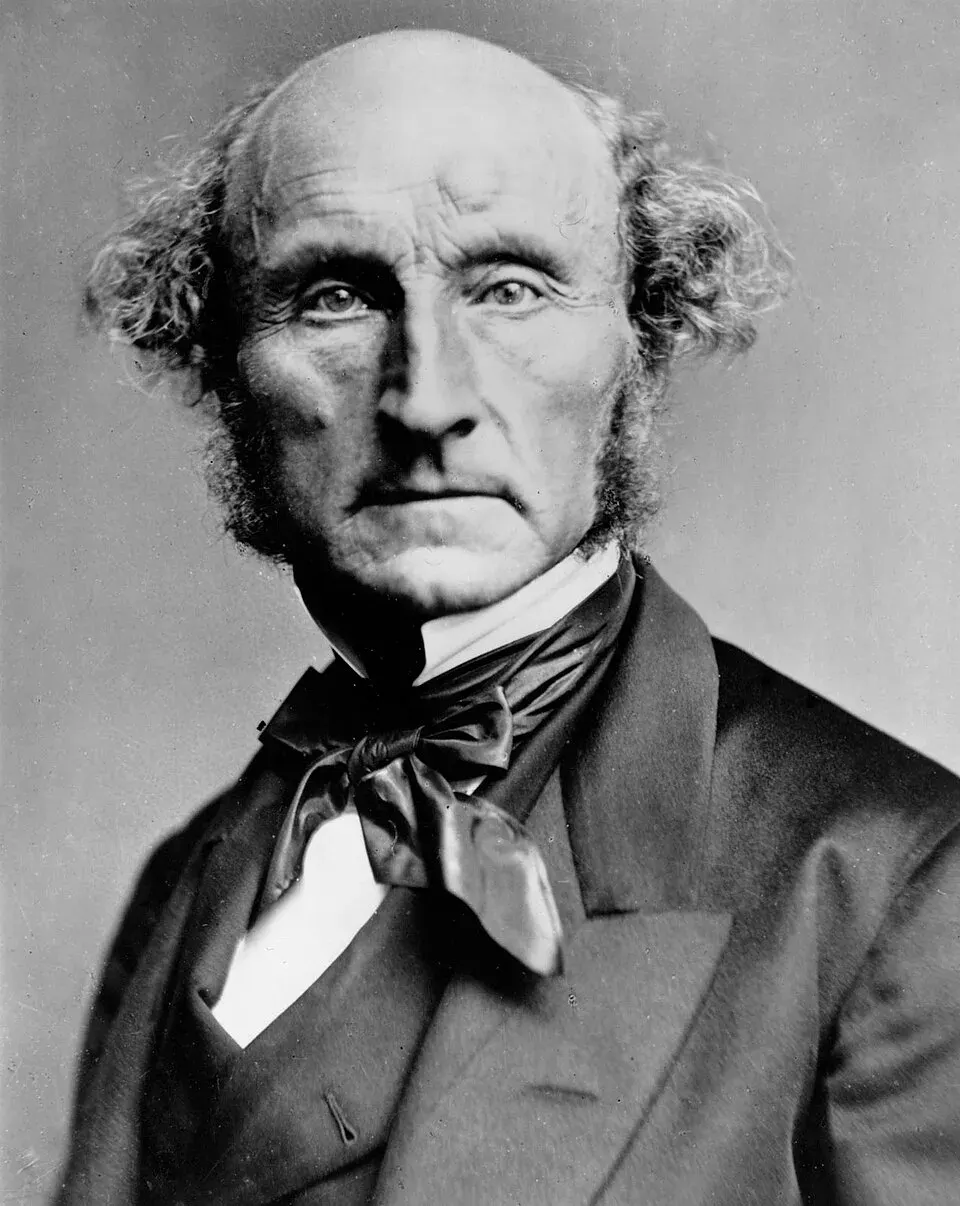
The Tyranny of the Majority: John Stuart Mill's "On Liberty"
John Stuart Mill's On Liberty is the great classic statement of individual freedom, and it has shaped liberal thought ever since.

After Virtue: MacIntyre and the Loss of Moral Language
MacIntyre's After Virtue argues that modern moral debate is broken because we use fragments of lost traditions. Here is what the book says and why it matters.
Comments
No comments yet. Start the conversation.