Everything, Briefly: Bill Bryson's Curious Tour of Science
In one breath
Bill Bryson, a travel writer with no science background, set out to understand how the world works and wrote A Short History of Nearly Everything. His curious, funny tour from the Big Bang to humans shows science as a human story and reveals how improbable our existence is.
On this page
Bill Bryson’s A Short History of Nearly Everything is one of the most enjoyable and successful popular science books ever written, and its origin story is part of its charm. Bryson, a celebrated travel writer with no scientific background, realised one day that he understood almost nothing about the world he lived in, how it was made, what it was made of, how we came to know any of it, and set out to find out. The book is the record of his curious, often hilarious journey through the sciences, from the Big Bang to the rise of human beings, written from the perspective of an intelligent amateur asking the questions the rest of us are too embarrassed to ask. The result is both a wonderful education and a sustained act of wonder at the sheer improbable strangeness of existence.
Here is what A Short History of Nearly Everything taught me about the scale and strangeness of the universe, about the human story behind science, and about the improbability of our existence.
Key takeaways
- The universe is vast and strange beyond easy comprehension.
- Science is a human story, full of rivalry, error, luck, and eccentric genius.
- Our existence is staggeringly improbable, the result of countless lucky accidents.
- An amateur’s curiosity can make difficult science delightful and clear.
- Knowing how the world works deepens wonder rather than dispelling it.
The scale and strangeness of things
One of the great pleasures of Bryson’s book is the way it conveys the sheer scale and strangeness of the universe revealed by science, vividly enough that you actually feel it. He has a gift for the illuminating comparison and the startling fact: the unimaginable vastness of space and the emptiness of the atom; the immense depths of geological time against which all of human history is a blink; the bizarre realities of the quantum world; the violent improbabilities that shaped the Earth. He makes the abstract numbers of science graspable, and in doing so restores our sense of how genuinely astonishing the universe is. We move through a reality far stranger and more wonderful than our everyday assumptions suggest, and Bryson, with the wide-eyed delight of someone discovering it all for the first time, makes us feel that strangeness afresh. It is the same wonder I found in Sagan and Hawking, here delivered with humour and an everyman’s warmth.
The human story of science
What makes Bryson’s book distinctive is that it is as much about the scientists as about the science. He delights in the human story behind every discovery: the rivalries and feuds, the spectacular blunders, the strokes of luck, the eccentric, obsessive, often deeply odd people who pieced together our understanding of the world. He tells of bitter priority disputes, of geniuses who went unrecognised, of crucial discoveries made by accident or by amateurs, of brilliant people who were also petty, deluded, or strange. This is genuinely valuable, because it corrects the sanitised image of science as a smooth, impersonal march of progress. Science, Bryson reminds us, is done by human beings, with all their flaws, passions, and quirks, and its history is messy, contingent, and full of error, false starts, and chance. Knowing this makes science more human and, somehow, more impressive, that out of all this fallible, chaotic human effort, real knowledge has nonetheless been wrested from the universe.
The improbability of our existence
The deepest note Bryson strikes, especially as the book moves toward the emergence of life and of human beings, is the staggering improbability of our own existence. The chain of accidents and lucky circumstances required for you to be here, reading this, is, he shows, almost unimaginably long and fragile: the right universe, the right planet, the right conditions, the unbroken line of ancestors stretching back billions of years, every one of whom survived and reproduced, the asteroid that wiped out the dinosaurs and cleared the way for mammals. We exist, Bryson marvels, against odds so enormous as to be effectively miraculous, and most of us never pause to register the wonder of it. This is, finally, the book’s emotional heart: not just an education in how the world works, but an invitation to gratitude and awe at the sheer improbable gift of being alive at all, of being among the tiny fraction of possible things that actually exist and, rarer still, that can know it.
What I’m taking with me
A Short History of Nearly Everything is the most delightful education in science I have had, proof that learning can be both rigorous and a joy. What I am taking from Bryson is a renewed, vivid sense of the scale and strangeness of the universe; an appreciation for the messy, human, often comic story behind our scientific knowledge; and above all a deepened wonder at the staggering improbability of my own existence. Bryson confirms what Sagan and Darwin taught me, that understanding how the world works does not diminish its wonder but multiplies it, and he does it with a curiosity and humour that make the whole grand story irresistible. It is, in the end, a book about paying attention to the miracle we take for granted.
Frequently asked questions
What is A Short History of Nearly Everything about?
It is Bill Bryson’s popular science book, a curious amateur’s journey through the sciences, from the Big Bang to the rise of humanity, exploring how the universe works and how we came to know it, told with humour and wonder.
Why is the book so popular?
Because Bryson approaches science as a fascinated outsider, asking the questions ordinary readers want answered, and tells the human stories behind discoveries with wit and clarity, making difficult science genuinely enjoyable.
What is the book’s main message?
That the universe is vast and strange, that science is a fallible human endeavor, and that our own existence is staggeringly improbable, a wonder worth pausing to appreciate.
References & further reading
- Bryson, Bill. A Short History of Nearly Everything. Broadway Books, 2003.
- Sagan, Carl. Cosmos. Random House, 1980.
- Gould, Stephen Jay. Wonderful Life. W. W. Norton, 1989.
Watch: others on this book


Read along with me
Book notes, philosophy and the ideas that shape how we build. New essays every month, no spam.
Related reading notes
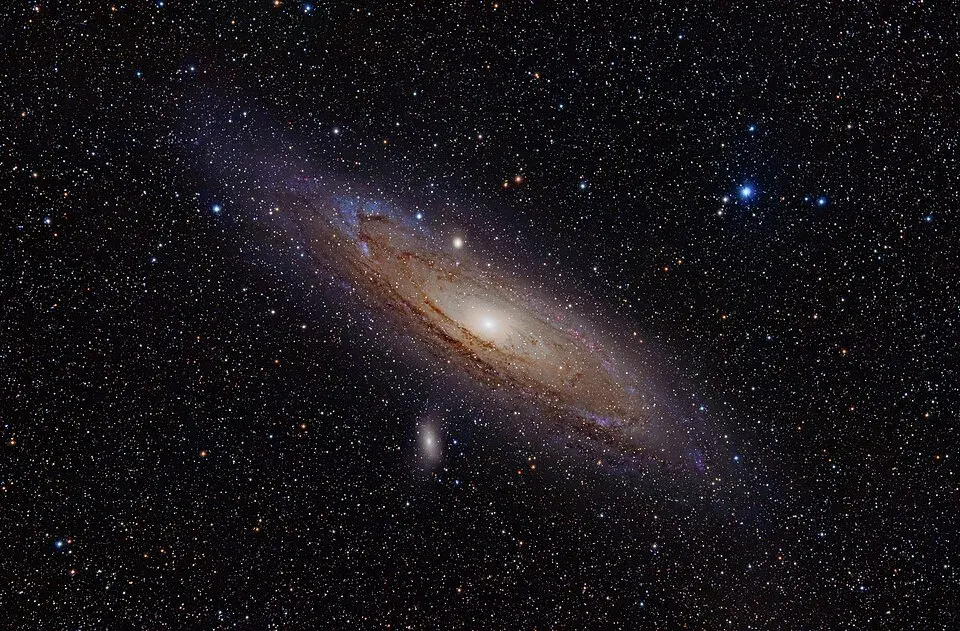
From the Big Bang to Black Holes: Hawking's "A Brief History of Time"
Stephen Hawking's A Brief History of Time explained: the Big Bang, the nature of space and time, black holes and the search for a theory of everything.
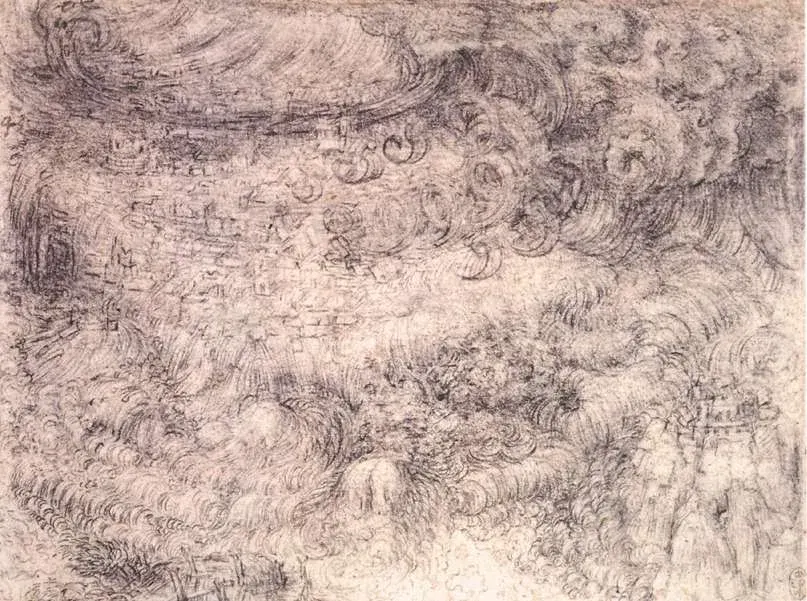
Order in Disorder: James Gleick's "Chaos"
James Gleick's Chaos: the butterfly effect, fractals, strange attractors and the maverick scientists who found hidden order in disorder.
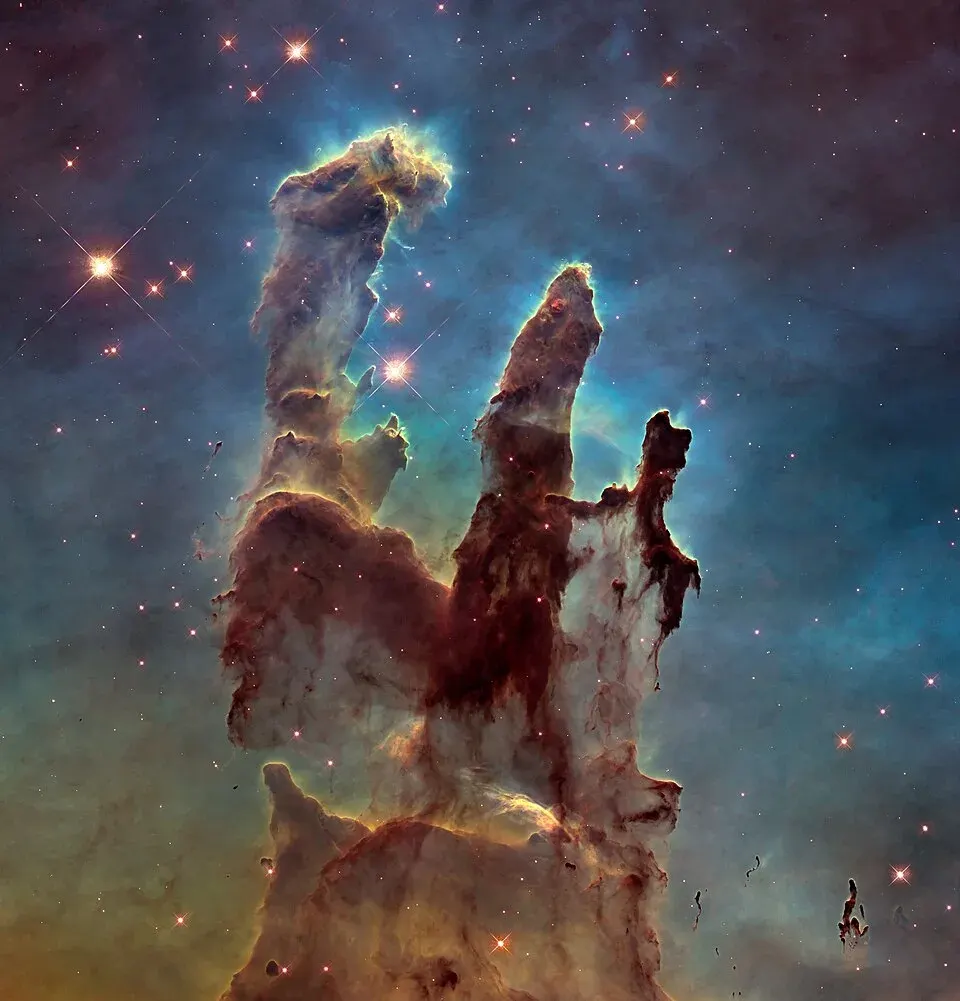
We Are Made of Star-Stuff: Carl Sagan's "Cosmos"
Carl Sagan's Cosmos: we are made of star-stuff, the cosmic perspective, science as a source of wonder and the fragility of knowledge.
Comments
No comments yet. Start the conversation.