Philosophy & Thinking
Big ideas from the thinkers who shaped them.

The Myth of the Blank Slate: Steven Pinker on Human Nature
Steven Pinker's The Blank Slate: the case for an evolved human nature, the fears behind denying it and why it need not threaten our values.
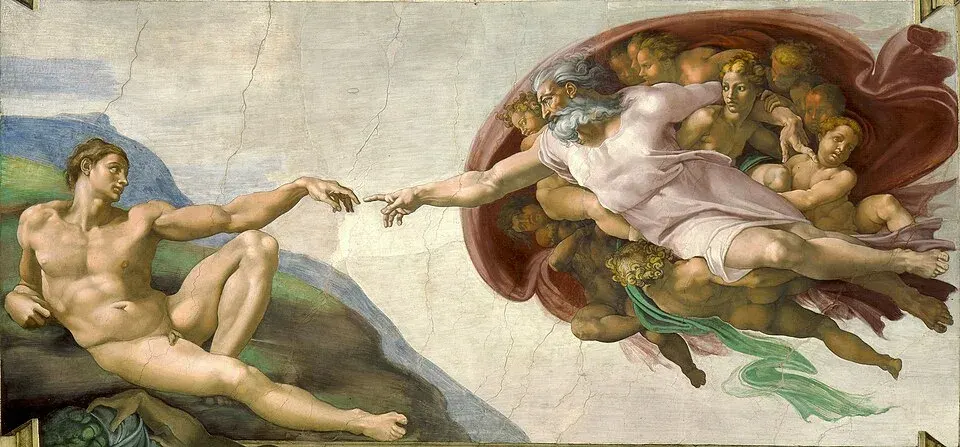
Faith on the Stand: Richard Dawkins' "The God Delusion"
Richard Dawkins' The God Delusion read critically: the case against God, religion and harm, and where the New Atheist polemic falls short.
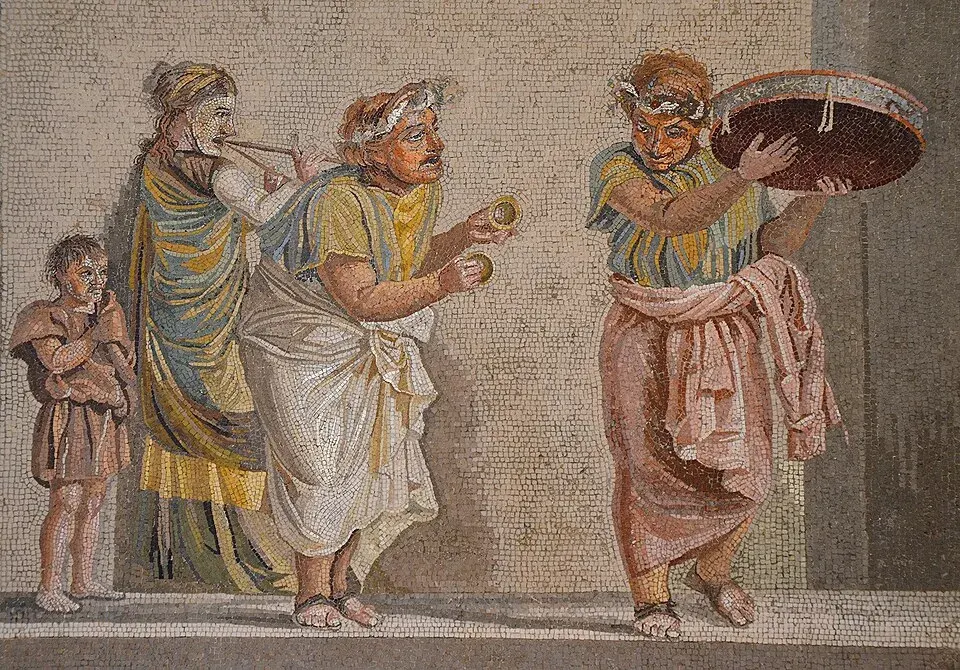
Luck and the Good Life: Martha Nussbaum's "The Fragility of Goodness"
Martha Nussbaum's The Fragility of Goodness: how much a good life depends on luck, what Greek tragedy teaches, and Plato versus Aristotle.
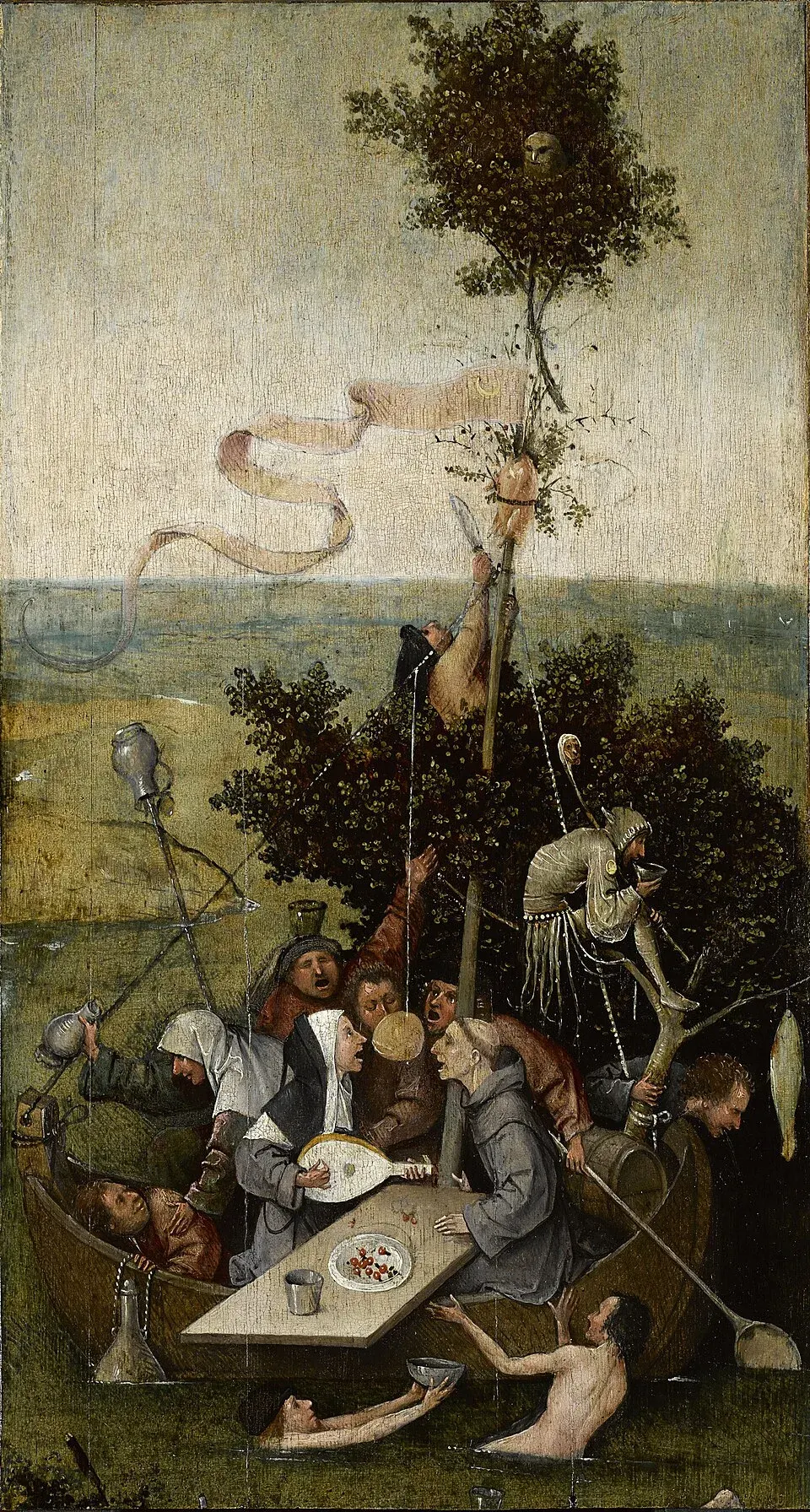
Defining the Mad: Foucault's "Madness and Civilization"
Foucault's Madness and Civilization: the Great Confinement, reason defining itself against unreason, and why psychiatry's progress hides new control.
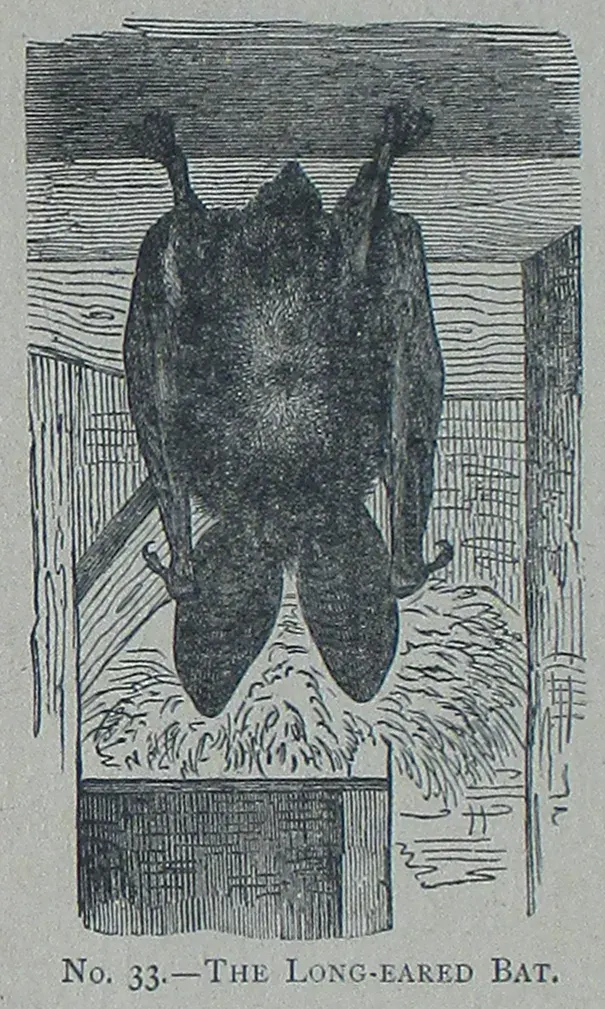
What Is It Like to Be a Bat? Thomas Nagel's "Mortal Questions"
Thomas Nagel's Mortal Questions: what it is like to be a bat, the mystery of consciousness, moral luck and the absurd, faced without false comfort.
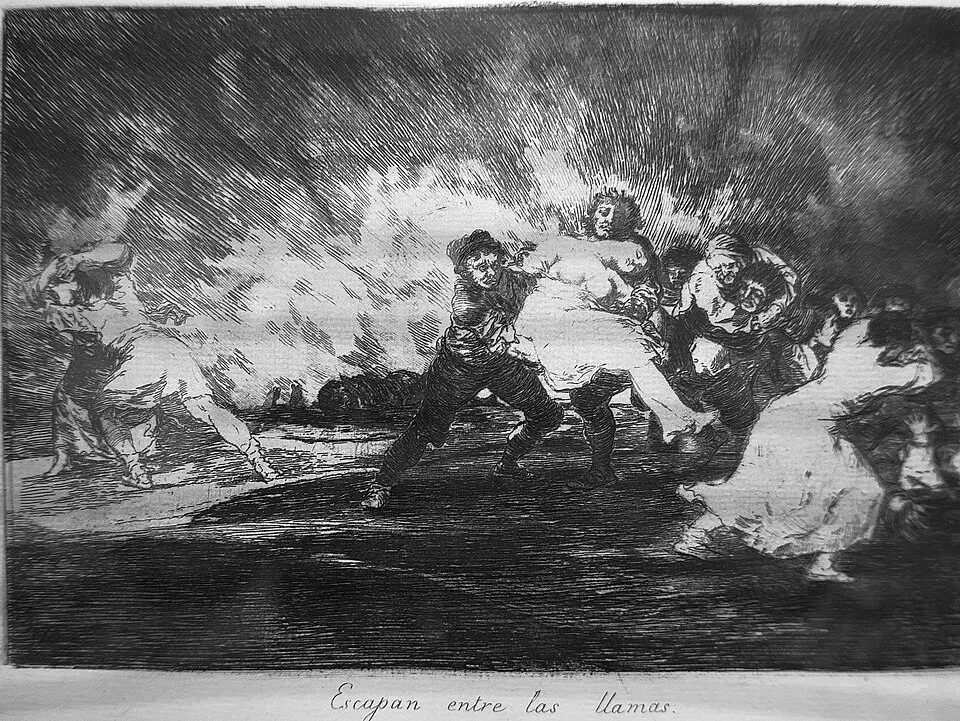
Disaster Capitalism: Naomi Klein's "The Shock Doctrine"
Naomi Klein's The Shock Doctrine: how crises are used to push through free-market policies, and how to read this powerful polemic critically.
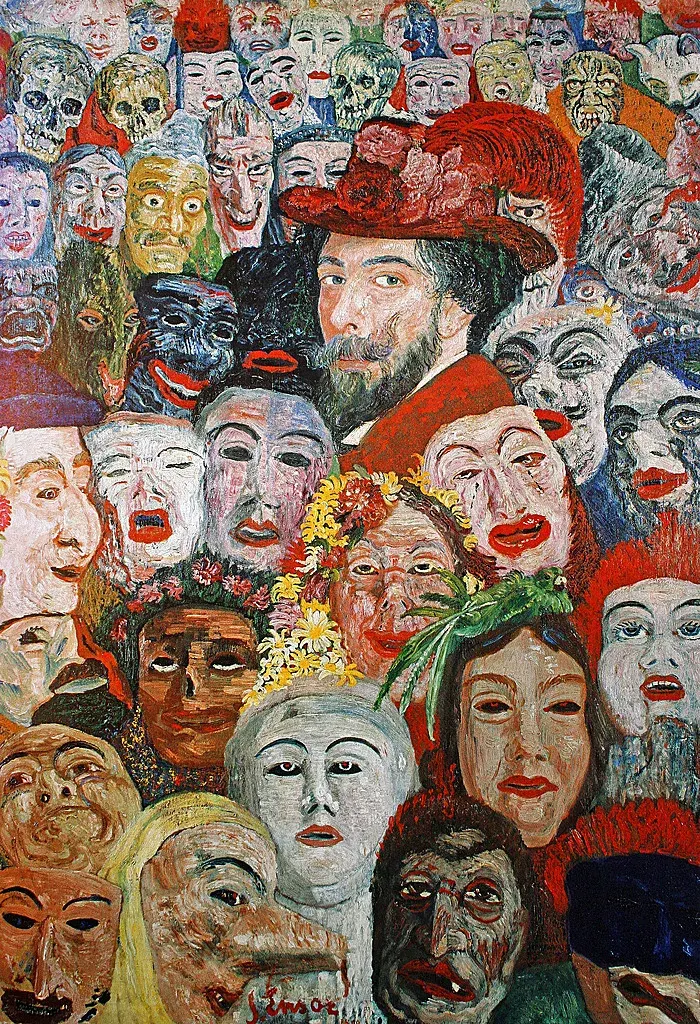
The Mask and the Mirror: Fanon's "Black Skin, White Masks"
Fanon's Black Skin, White Masks: internalised racism, the white mask, how language carries domination and the demand for recognition.
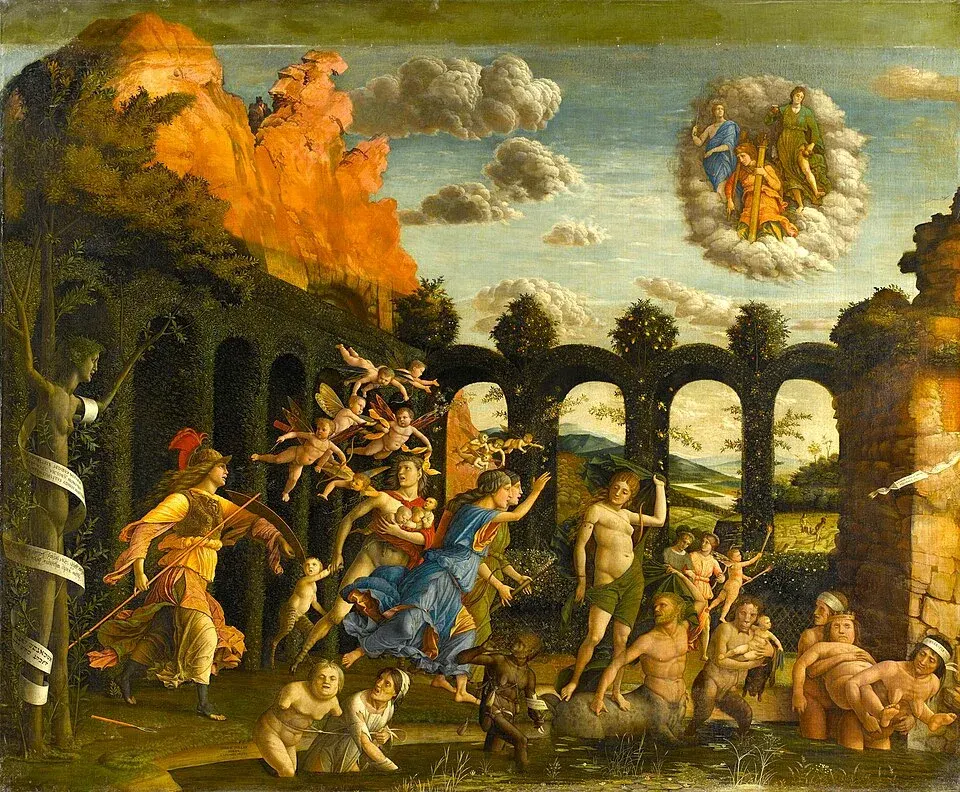
After Virtue: MacIntyre and the Loss of Moral Language
MacIntyre's After Virtue argues that modern moral debate is broken because we use fragments of lost traditions. Here is what the book says and why it matters.
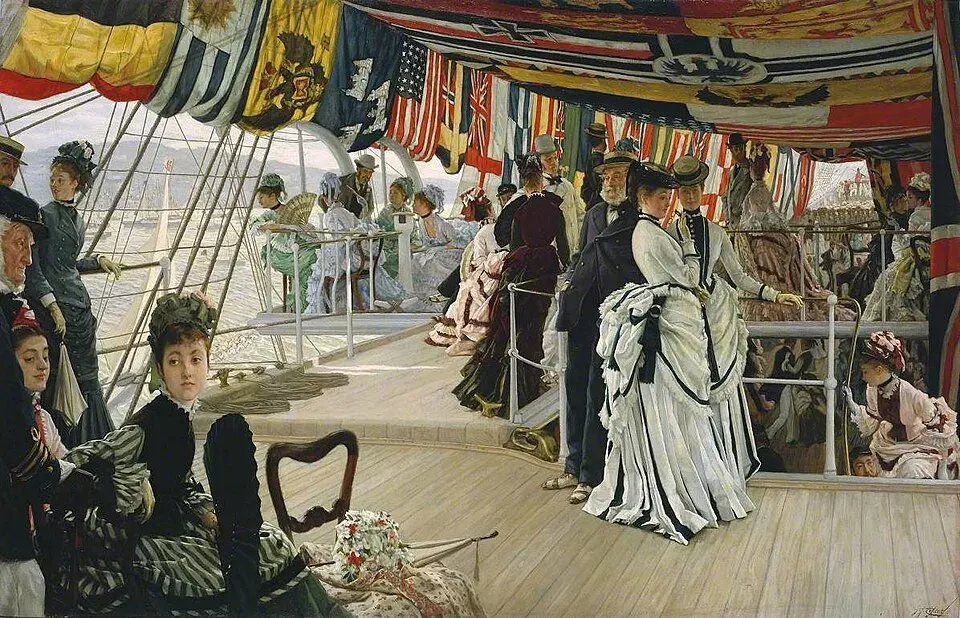
Conspicuous Consumption: Veblen's "The Theory of the Leisure Class"
Veblen's The Theory of the Leisure Class: conspicuous consumption, conspicuous leisure and why status, not need, drives so much of what we buy.
Expanding the Circle: Peter Singer's "Practical Ethics"
Peter Singer's Practical Ethics is one of the most influential, and most challenging, works of applied moral philosophy of recent times.
What Can We Really Know? Russell's "The Problems of Philosophy"
Bertrand Russell's The Problems of Philosophy is a small classic, one of the best short introductions to philosophy ever written.
Language Games and Forms of Life: Wittgenstein's "Philosophical Investigations"
Wittgenstein's Philosophical Investigations explained: language games, meaning as use, forms of life, no private language and philosophy as therapy.
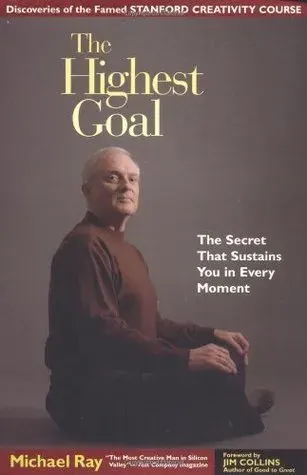
Living with Purpose: Lessons from The Highest Goal by Michael Ray
In a world focused on goals, titles, and achievements, it’s easy to chase one thing after another without ever stopping to ask the bigger question: Why?
The Limits of My Language: Wittgenstein's "Tractatus"
Wittgenstein's Tractatus explained: the picture theory of language, the limits of what can be said and why we must be silent about what matters most.
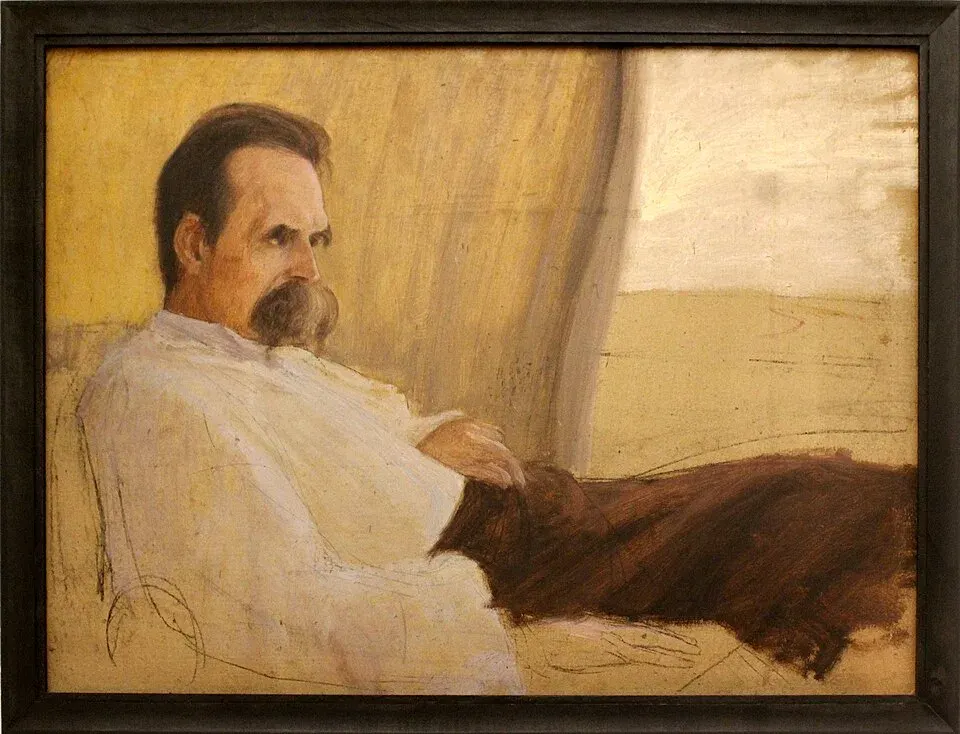
How One Becomes What One Is: Nietzsche's "Ecce Homo"
Ecce Homo was the last book Friedrich Nietzsche wrote before his final mental collapse, and it is one of the strangest autobiographies ever penned.
Strange Loops and the Mystery of Mind: Hofstadter's "Gödel, Escher, Bach"
Hofstadter's Gödel, Escher, Bach explained: strange loops, Gödel's incompleteness, self-reference in art and music and how the mind emerges.
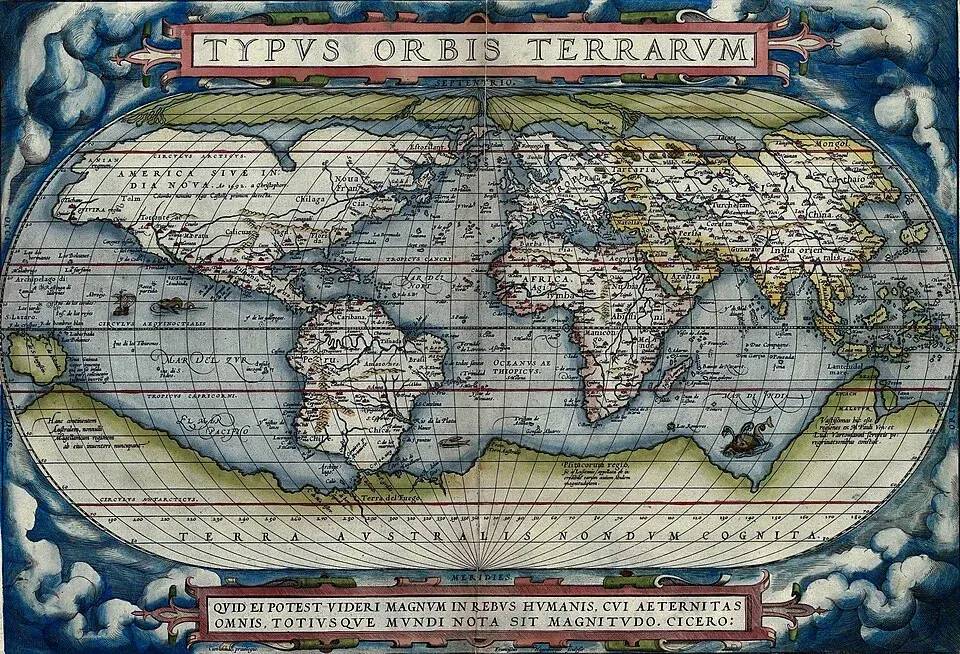
Why History Unfolded Unequally: Jared Diamond's "Guns, Germs, and Steel"
Jared Diamond's Guns, Germs, and Steel: why geography, not race, shaped which societies conquered others, and how to read its big picture critically.
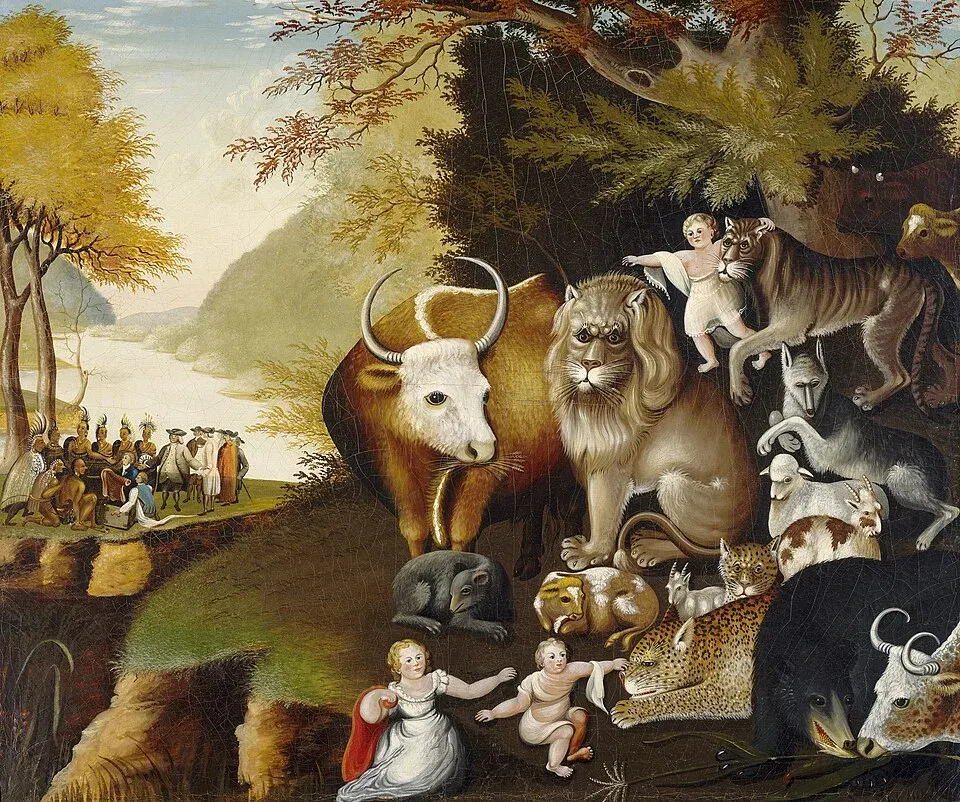
Why Violence Has Declined: Steven Pinker's "The Better Angels of Our Nature"
Steven Pinker's The Better Angels of Our Nature: why violence has declined over history, the forces of peace and how to read the thesis critically.
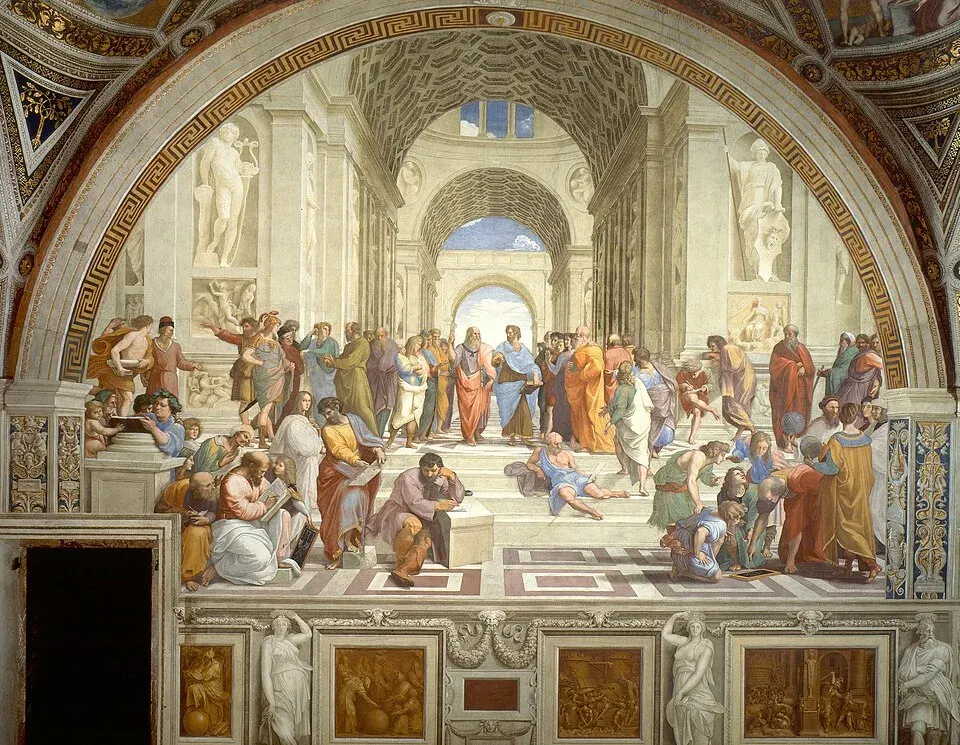
A Map of the Mind's Long Journey: Russell's "A History of Western Philosophy"
Bertrand Russell's A History of Western Philosophy: a witty, opinionated tour from the Greeks to the 20th century, and why it is still worth reading.
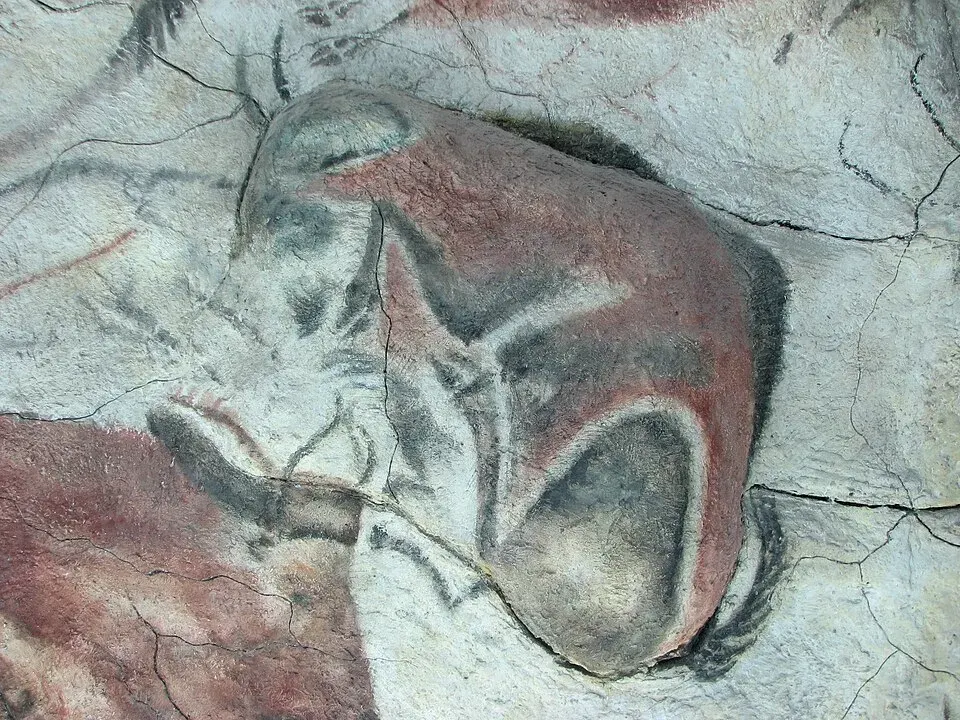
The Stories That Built Us: Yuval Noah Harari's "Sapiens"
Yuval Noah Harari's Sapiens: shared fictions, the cognitive and agricultural revolutions and whether progress has made us happier.

The Possessed and the Possibility of Meaning: Dostoevsky’s Warning to the Modern World
Lessons from Dostoevsky's The Possessed (Demons): ideology without morality, the crisis of meaning without faith and why true change begins within.
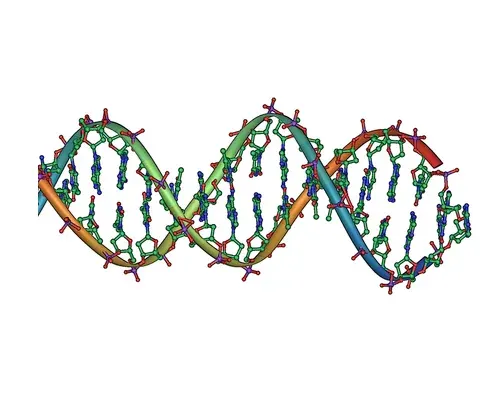
The Survival Machines: Richard Dawkins' "The Selfish Gene"
Richard Dawkins' The Selfish Gene: the gene's-eye view of evolution, what "selfish" really means, how altruism evolves and the idea of memes.
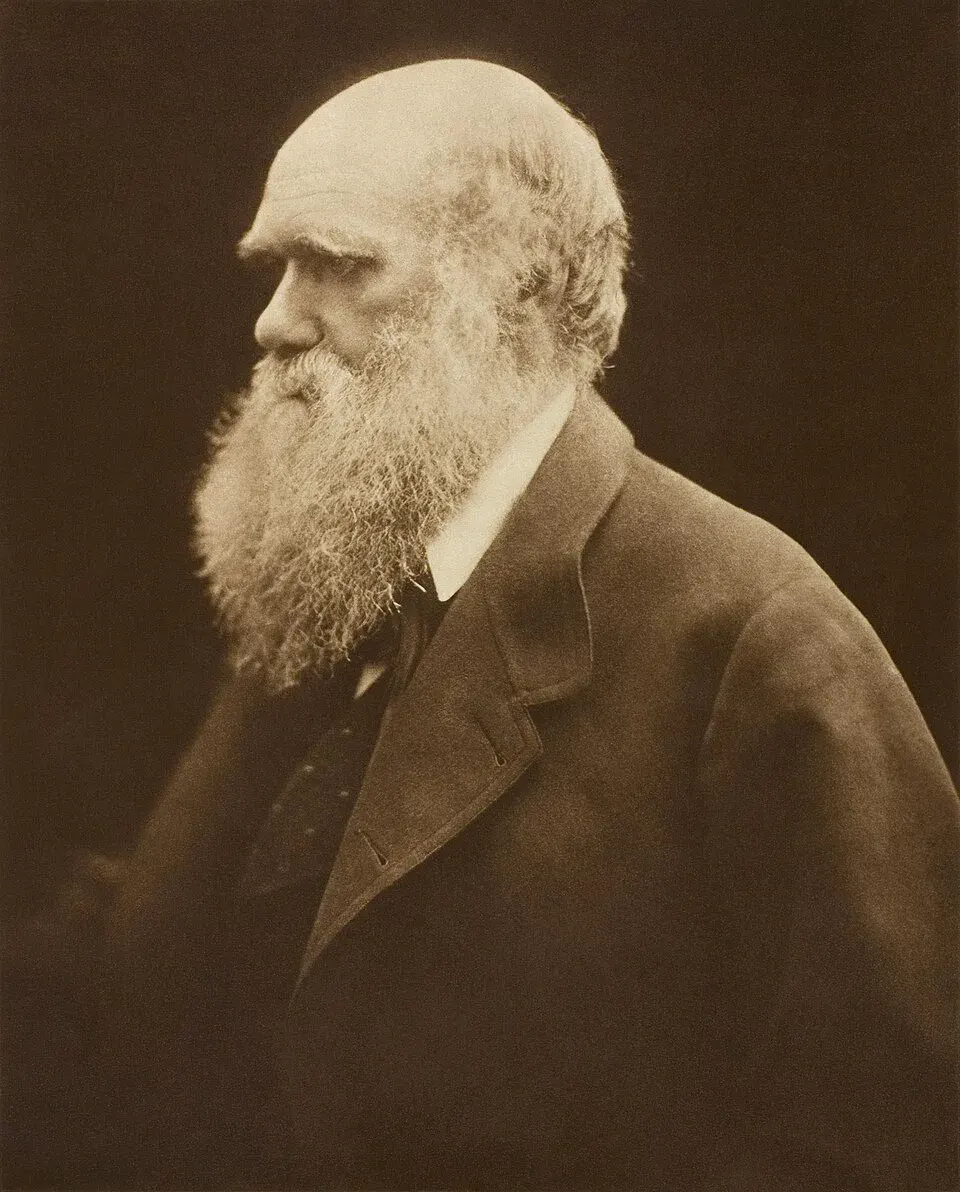
Descent With Modification: Reading Darwin's "On the Origin of Species"
Charles Darwin's On the Origin of Species is one of the few books that genuinely changed how humanity understands itself and the world.

Science as a Candle in the Dark: Carl Sagan's "The Demon-Haunted World"
Carl Sagan's The Demon-Haunted World: science as a way of thinking, the baloney detection kit and why skepticism and wonder belong together.