Cybersecurity Fundamentals: CIA Triad & Threats
You do not need to be a hacker to stay safe online, you just need to understand three ideas and a handful of habits.
TL;DR
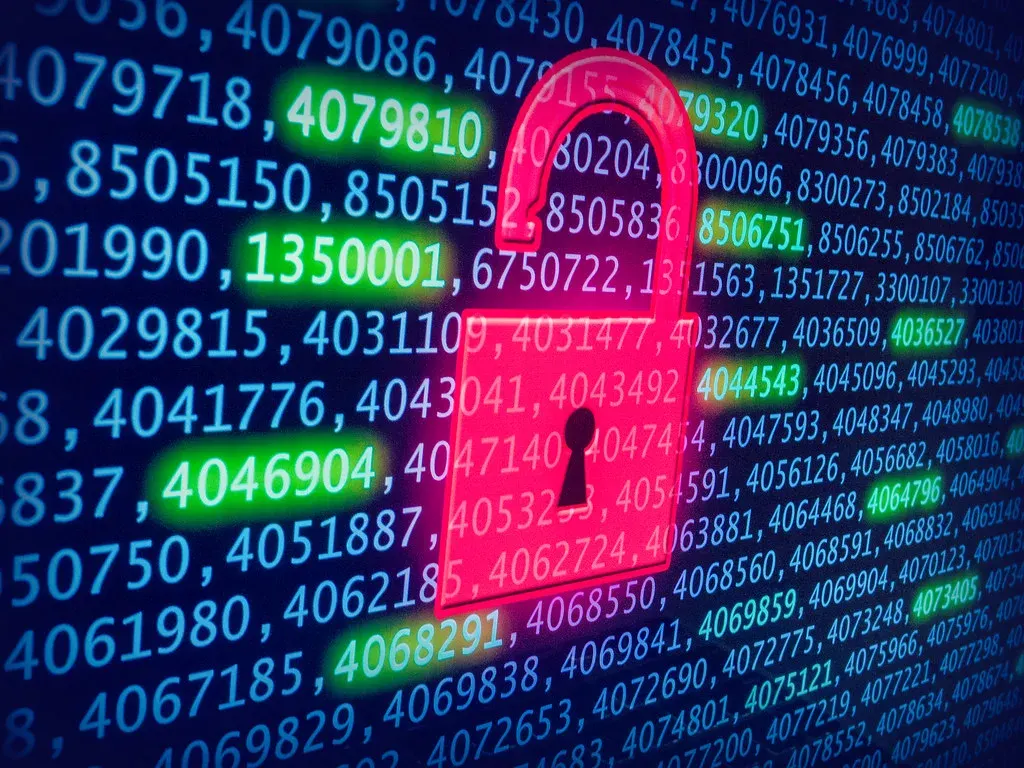
Cybersecurity is less about hooded hackers than ordinary habits. Most attacks target people through phishing and social engineering. The CIA triad of confidentiality, integrity and availability explains what we protect, the common threats are fewer than you think, and a few habits make you a much harder target.
On this page
Ask most people what cybersecurity means and they will describe a scene from a film: a hooded figure in a dark room, fingers flying, green code cascading down a screen. It is a thrilling image and almost entirely wrong. The reality of digital security is far more ordinary, and far more reassuring, because it puts the power squarely in your hands rather than in the hands of a genius adversary.
The quiet truth about how attacks happen
The uncomfortable secret of the security world is that the easiest way into a company is rarely the technology. It is a person. A well-written email, a phone call from a friendly “support agent,” or a tempting attachment will defeat expensive defenses faster than any clever piece of code. Attackers go where the effort is lowest, and a distracted human clicking a link is the path of least resistance.
That sounds discouraging until you flip it around. If people are the most common way in, then people are also the most effective defense. Your everyday choices, the pause before you click, the unique password, the second login step, do more to protect your information than almost any product you could buy. Security is less about being clever than about being consistent.
Three words that explain everything
To make sense of what you are actually protecting, security professionals lean on a simple model called the CIA triad. It has nothing to do with spies; it stands for confidentiality, integrity, and availability.
Confidentiality is about secrecy: keeping information visible only to people who are supposed to see it. When you lock your phone or set a password, you are protecting confidentiality. A failure here is what the news calls a data leak.
Integrity is about accuracy: making sure information is not changed without permission. You trust that your bank balance and your signed contract say what they are supposed to say. An attacker who quietly alters a single figure can cause more damage than one who merely copies the file.
Availability is about access: making sure systems and data are there when you need them. A perfectly secret, perfectly accurate record is worthless if you are locked out of it, which is exactly what ransomware exploits when it freezes your files and demands payment.
Every security habit you will ever adopt supports one or more of these three goals. They are a surprisingly powerful lens. Whenever you read about a new scam or breach, ask yourself which of the three it is trying to break, and the attack suddenly makes sense.
The threats are fewer than you think
The catalogue of cyber threats can look overwhelming, but for ordinary people it collapses into a short list. There is malware, malicious software that arrives through dodgy downloads and attachments, with ransomware and spyware as its best-known faces. There is phishing, the fraudulent message that pushes you to click a link or surrender a password, almost always wrapped in a sense of urgency. And there is social engineering, the broader craft of manipulating people through phone calls, texts, and confident impostors who claim to be from IT.
Notice what these have in common. None of them require you, the target, to be outsmarted by technology. They require only a moment of trust or distraction. The criminal does not pick the lock; they persuade you to open the door. This is why awareness, the simple discipline of slowing down when something feels urgent or asks for your credentials, is worth more than any gadget.
Becoming a harder target
Here is the most liberating idea in all of personal security: you do not have to be invulnerable. Most attacks are a numbers game, weighing effort against reward. Picture a thief walking down a street of parked cars, trying each door handle and breaking into the one that is unlocked. You do not need an impenetrable vehicle. You just need to be locked when the others are not.
In practice, becoming that harder target takes a handful of habits. Use a different, long password for every important account, and let a password manager remember them so you only have to memorize one. Switch on multi-factor authentication, which adds a second step so that a stolen password alone is useless. Keep your devices and apps updated, since those updates quietly close the holes attackers rely on. Pause before clicking, and when in doubt, type a website’s address yourself rather than trusting a link. And back up anything you could not bear to lose, so that a ransomware attack or a dead hard drive becomes an inconvenience rather than a catastrophe.
None of this is glamorous, and none of it requires technical talent. That is precisely the point. Cybersecurity, stripped of its cinematic mythology, is a set of small, repeatable choices that anyone can make. Understand the three goals you are protecting, recognize the handful of threats that target them, and adopt the habits that move you out of an attacker’s path. Do that, and you are already safer than most.
Key takeaways 5
- Most attacks target people, not technology.
- The CIA triad: confidentiality, integrity and availability.
- Common threats include phishing, malware, ransomware and weak passwords.
- A password manager, MFA and updates block most everyday attacks.
- Pause before clicking: urgency is the attacker's favorite tool.
Watch & learn

Frequently asked questions
What is the CIA triad in cybersecurity?
The CIA triad is the core model of information security: Confidentiality (only authorized people can see data), Integrity (data is accurate and unaltered) and Availability (systems and data are accessible when needed).
What is the most common cyber threat?
Phishing, deceptive emails or messages that trick people into revealing credentials or running malware, is one of the most common ways attacks begin.
How can I protect myself online?
Use unique passwords stored in a password manager, turn on multi-factor authentication, keep devices updated, back up important data and be cautious with unexpected links and attachments.
Go deeper with the free masterclass
Workshop, PDF handbook and curated resources for “Cybersecurity Fundamentals: CIA Triad & Threats”.
Related articles
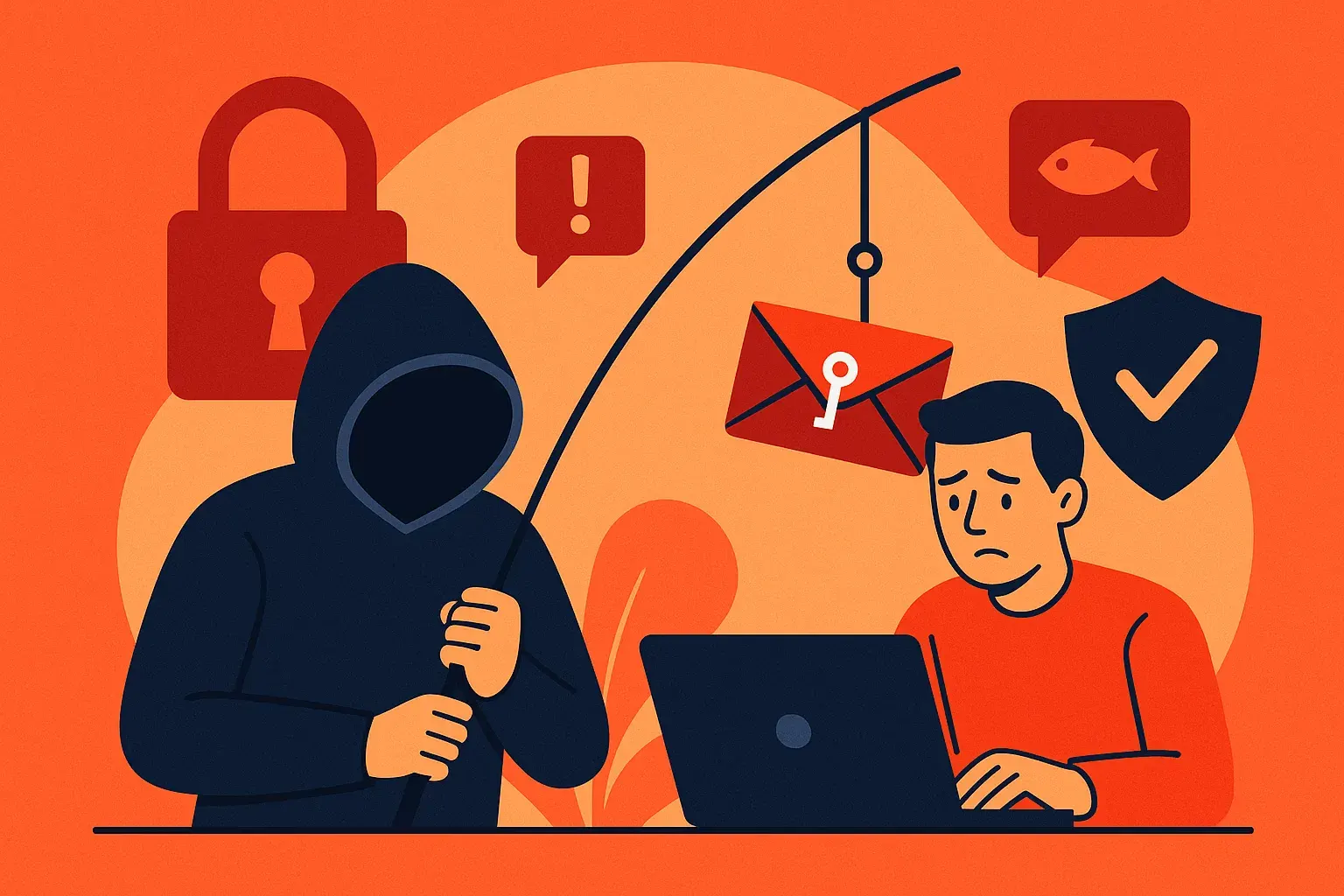
Phishing & Social Engineering Defense
The most dangerous hack of all does not target your computer. It targets you, and the defense is simpler than you think.
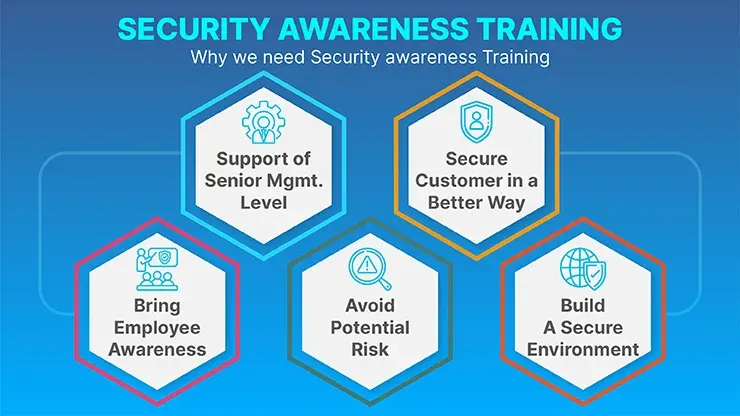
Security Awareness Training That Works
Why most security awareness programs fail to change anything - and how to build one that actually moves human behavior.
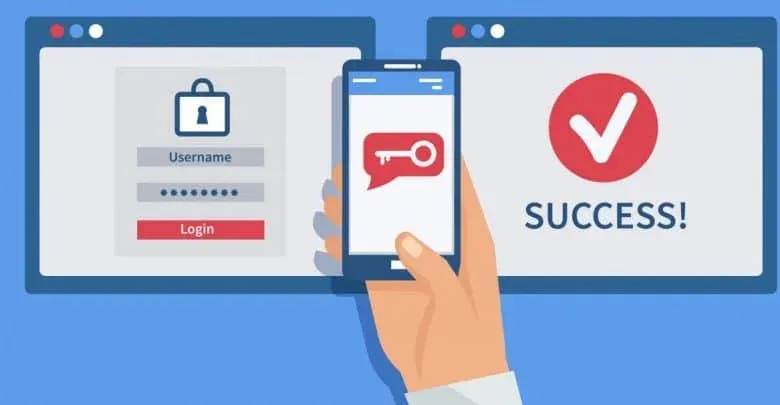
Password Security & MFA
Most account break-ins do not require clever hacking - they exploit ordinary habits. Here is how to fix yours in an afternoon.
Comments
No comments yet. Start the conversation.