The Devil Comes to Moscow: Bulgakov's "The Master and Margarita"
In one breath
Written in secret under Stalin, The Master and Margarita brings the Devil, as the mysterious Woland with a giant talking cat, to atheist Soviet Moscow to expose its greed and cowardice. Interwoven with a story of Pontius Pilate, it insists that manuscripts don't burn and that love and courage redeem.
On this page
Mikhail Bulgakov’s The Master and Margarita is one of the strangest, funniest, and most profound novels of the twentieth century, and it has an extraordinary history: written in secret under Stalin, repeatedly revised, and not published until decades after Bulgakov’s death, in a censored form, and only later in full. It is a wild, genre-defying book in which the Devil, in the form of a mysterious foreigner named Woland, arrives in officially atheist, bureaucratic Soviet Moscow, accompanied by a retinue that includes a giant, talking, pistol-wielding black cat, and proceeds to wreak glorious havoc. Interwoven with this is a second narrative set in ancient Jerusalem, telling of Pontius Pilate and the trial of Yeshua. It is satire, fantasy, romance, and theology all at once.
Here is what The Master and Margarita taught me about satire under tyranny, about courage and love, and about the endurance of art and the spirit.
Key takeaways
- The Devil exposes hypocrisy: Woland reveals the greed and cowardice of Soviet Moscow.
- Satire as resistance: Bulgakov mocks a regime that crushed free expression.
- “Manuscripts don’t burn”: art and truth ultimately survive suppression.
- Cowardice is the great sin, embodied in Pontius Pilate.
- Love and courage redeem, embodied in Margarita.
The Devil as truth-teller
One of the novel’s great inversions is that the Devil, Woland, functions less as a force of evil than as a revealer of truth. Arriving in a Moscow whose officials are smug, greedy, cowardly, and hypocritical, and which has officially banished both God and the Devil from existence, Woland and his demonic retinue expose the corruption beneath the surface. Through a series of fantastical, hilarious, and sometimes terrifying episodes, they strip away the pretensions of the literary bureaucrats, the petty officials, and the materialists who deny the spiritual entirely. The satire is sharp and delicious: in a society built on lies and fear, it takes the Devil himself to tell the truth. Bulgakov uses the supernatural to do what realism could not safely do, to expose the moral rot of a totalitarian society that prided itself on its rational, scientific atheism while running on cowardice and corruption.
Satire under tyranny, and “manuscripts don’t burn”
The novel’s history is inseparable from its meaning. Bulgakov wrote it knowing it could never be published in Stalin’s Soviet Union; at one point, in despair, he burned an early version of the manuscript, an act that echoes within the book itself. And it is here that the novel delivers its most famous and moving line. When the Master, the persecuted writer at the story’s heart, says that he burned his own novel, Woland replies: “Manuscripts don’t burn.” It is a statement of profound faith in the endurance of art and truth, the conviction that what is genuine cannot finally be destroyed by censorship, fire, or tyranny, that the truth, once created, survives. Coming from a writer whose own work was suppressed for decades, only to emerge and become beloved across the world, the line is almost unbearably poignant, and history has vindicated it. Bulgakov’s manuscript did not burn.
Cowardice, love, and redemption
Woven through the Moscow satire is the ancient Jerusalem narrative, the Master’s own novel about Pontius Pilate, and it carries the book’s deepest moral theme. Pilate, who condemns the innocent Yeshua not out of malice but out of cowardice, out of fear for his own position, becomes the embodiment of what the novel presents as the gravest sin: cowardice, the failure of moral courage. Against this stands Margarita, the Master’s devoted lover, who makes a pact with the Devil himself, becomes a witch, and risks everything, out of pure, fearless love, to save the Master and his work. Where Pilate fails through cowardice, Margarita triumphs through love and courage. The novel suggests that in a world of fear and compromise, it is the willingness to love and to act bravely, whatever the cost, that redeems us. Margarita’s fearless devotion is the moral heart of the book.
What I’m taking with me
The Master and Margarita is unlike anything else I have read, a wild, joyous, profound book that should not work and triumphantly does. What I am taking from Bulgakov is its brilliant use of satire and the supernatural to tell truths a tyranny had forbidden; its glorious affirmation that “manuscripts don’t burn,” that art and truth outlast their oppressors; its searing identification of cowardice as the great sin; and its redemptive faith in love and courage, embodied in the fearless Margarita. Written in secret, against all hope of publication, and now read around the world, the novel is itself the proof of its own deepest claim: that what is genuinely created cannot, in the end, be destroyed.
Frequently asked questions
What is The Master and Margarita about?
It is Mikhail Bulgakov’s novel in which the Devil visits Soviet Moscow and exposes its hypocrisy, interwoven with a story of Pontius Pilate and a love story between a persecuted writer (the Master) and the devoted Margarita. It is satire, fantasy, and theology at once.
What does “manuscripts don’t burn” mean?
It is the novel’s famous affirmation that genuine art and truth cannot be destroyed by censorship or suppression. The line resonates because Bulgakov himself burned a draft, and his suppressed novel survived to be published decades later.
What is the main moral theme of the novel?
That cowardice, embodied by Pontius Pilate, is the gravest sin, while love and courage, embodied by Margarita, redeem. Bulgakov also uses satire to expose the moral corruption of a totalitarian society.
References & further reading
- Bulgakov, Mikhail. The Master and Margarita. (Written 1928–1940; published 1966–1967; translated by Michael Glenny, 1967, or Richard Pevear and Larissa Volokhonsky, 1997.)
- Proffer, Ellendea. Bulgakov: Life and Work. Ardis, 1984.
- Curtis, J. A. E. Bulgakov’s Last Decade. Cambridge University Press, 1987.
Watch: others on this book

Read along with me
Book notes, philosophy and the ideas that shape how we build. New essays every month, no spam.
Related reading notes
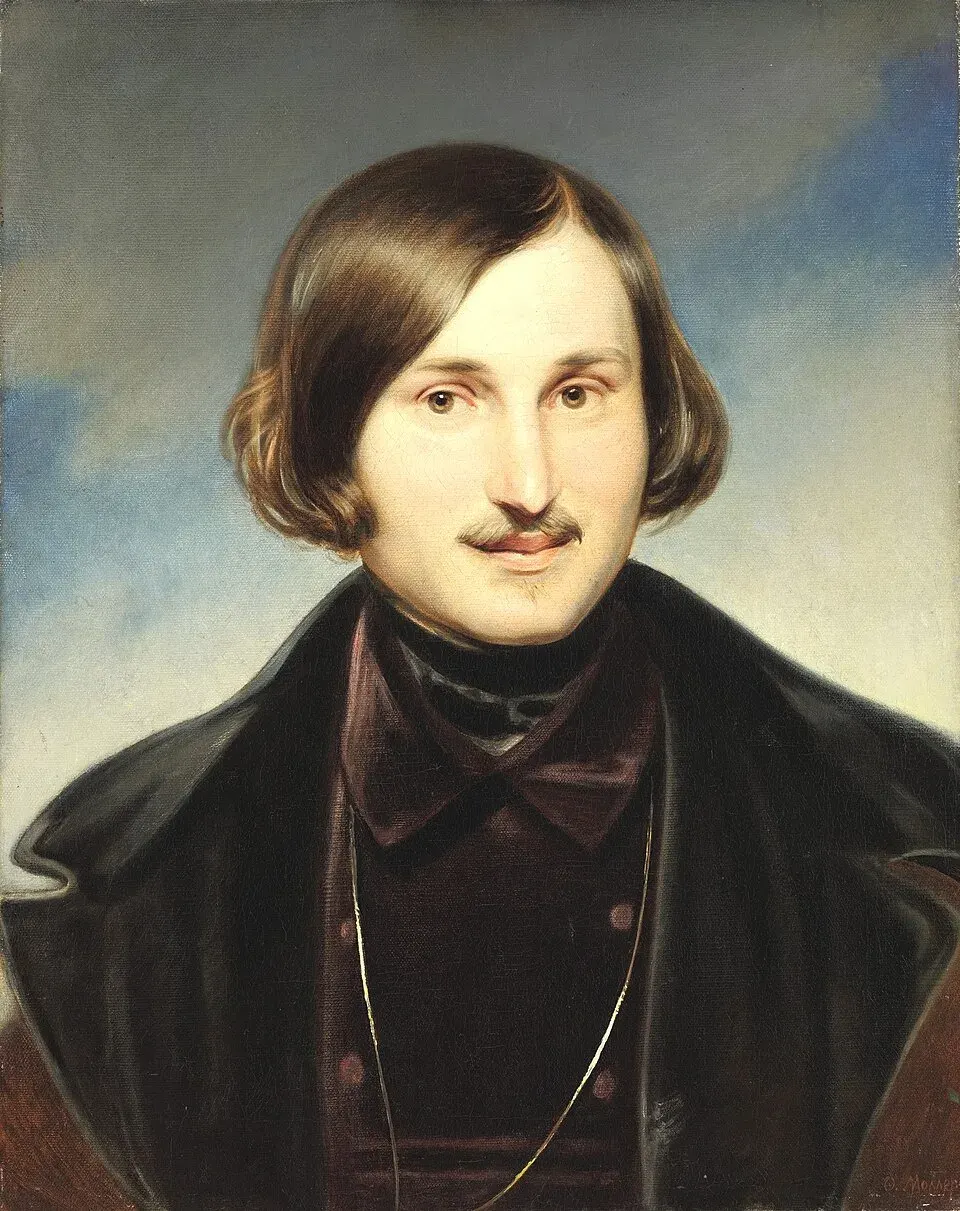
Buying the Dead: Satire and the Russian Soul in Gogol's "Dead Souls"
Nikolai Gogol's Dead Souls has one of the strangest premises in literature, and a darkly perfect one.
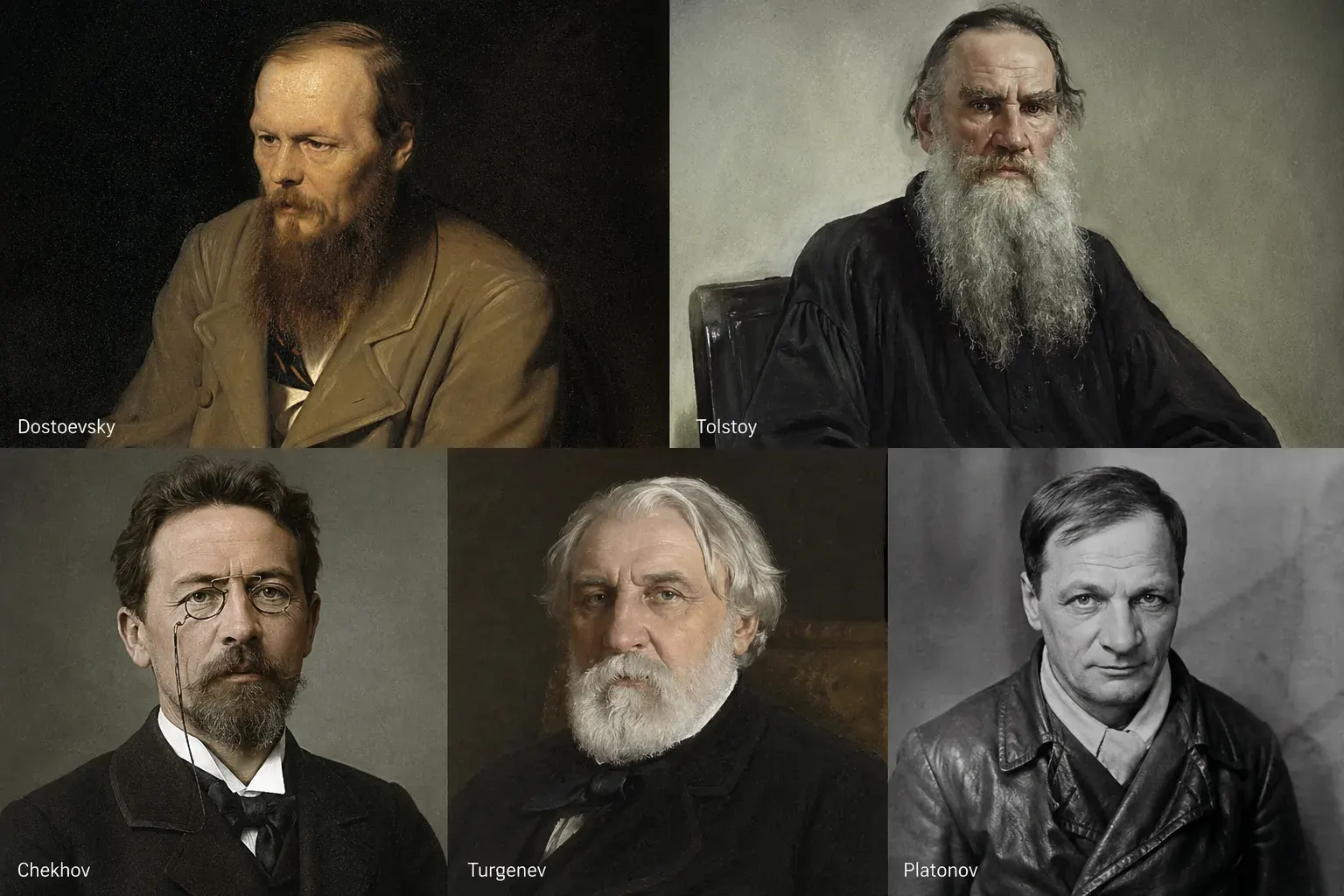
Dostoevsky, Tolstoy, Chekhov, Turgenev and Platonov
Where to start with Russian literature: essential works by Dostoevsky, Tolstoy, Chekhov, Gogol, Turgenev and Platonov, and why each is worth reading.
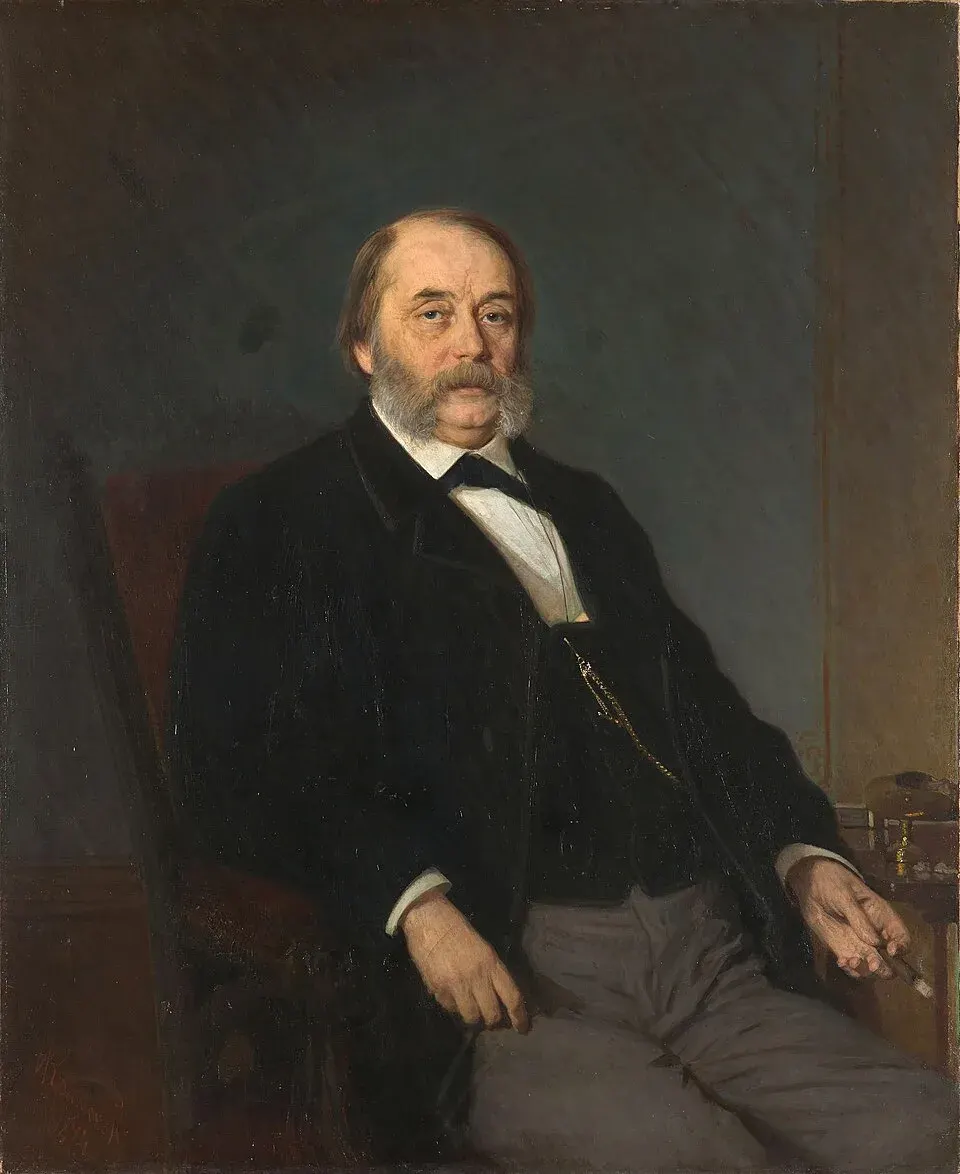
The Man Who Would Not Rise: Goncharov's "Oblomov"
Goncharov's Oblomov: the kindly man who cannot get off his couch, what Oblomovism means and why this comedy of inertia is a gentle tragedy.
Comments
No comments yet. Start the conversation.