Sustainable & Green Manufacturing with Industry 4.0
Green manufacturing finally has a business case, and the surprise is that the same digital tools you bought for productivity are the ones that deliver it.
TL;DR
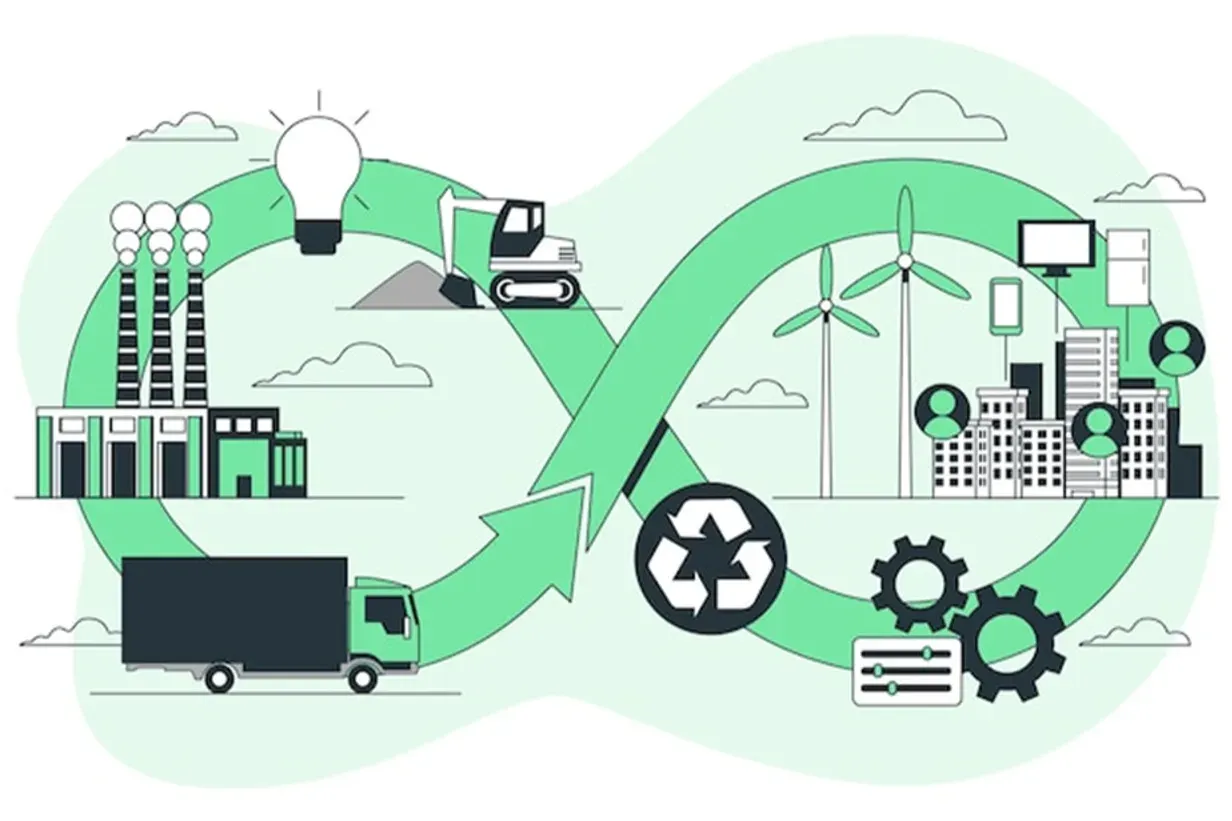
Sustainable manufacturing now has a business case driven by regulation, energy costs, customer audits and investors. The hard part was always measurement, and the same digital tools bought for productivity, such as sensors, energy monitoring and analytics, reveal where energy and material are wasted, turning sustainability into an operations problem.
On this page
For a long time, “sustainable manufacturing” lived in the same drawer as the mission statement: sincere, decorative, and disconnected from how the plant actually ran. You could ignore it and still hit your numbers. That drawer is now empty. Regulation has teeth, energy is expensive and volatile, big customers are auditing their supply chains, and capital is being priced by climate risk. Sustainability has migrated from the brochure to the P&L.
What I want to argue here is narrower and, I think, more useful than the usual exhortation to “go green.” It is this: the hard part of sustainable manufacturing was never wanting to do it. The hard part was seeing. And the thing that finally lets a factory see is the Industry 4.0 stack most plants are already buying for entirely different reasons.
The blindness problem
Walk into almost any factory and ask a simple question: how much energy did that specific machine waste last Tuesday night? You will get a shrug, because the only meter that exists is on the main incomer, and it reports a single number for the whole site once a month. The plant is flying blind on the one thing it most needs to manage.
That blindness is the real reason green programs stalled for years. You cannot reduce what you cannot isolate, and you cannot defend a saving you cannot measure. Intentions ran straight into a wall of missing data. So the programs became what they could become without numbers: recycling bins, a paragraph in the annual report, and a vague sense of trying.
Why the digital stack changes the equation
Here is the part that still surprises operators. The instruments that cure the blindness are not exotic green technologies. They are the ordinary furniture of Industry 4.0.
Put IIoT energy meters on individual machines and lines, and the invisible becomes obvious: the compressor that never stops drawing power overnight because of a leak you could hear if anyone were listening; the machines that sit “idle” at sixty percent of running load; the one old chiller quietly dominating the bill. None of this is clever. It is just measured for the first time.
Layer on the tools you bought for uptime and quality, and they pull double duty. Predictive maintenance, sold as a way to avoid downtime, also keeps equipment in its efficient band, where it burns less energy and makes less scrap. A degraded machine is a wasteful machine; catching the degradation is a green act whether or not anyone files it under sustainability. A digital twin, sold as a way to optimize throughput, lets you tune setpoints and schedules virtually to find the lowest-energy way to hit spec, without scrapping real product to discover it. AI process optimization, sold as a yield play, finds the efficiency frontier in a kiln or an HVAC loop.
The pattern is consistent: the productivity investment and the sustainability investment are the same investment, viewed from two angles. That is the most important practical fact in this whole field, because it means you usually do not have to choose, and you do not have to fund a separate, competing initiative that fights for the same budget.
The reframe that makes it real
Once you accept that visibility is the bottleneck, the program almost designs itself, and it looks a lot like operational excellence. Measure first; you cannot set a target without a baseline. Sub-meter the biggest consumers so the waste has nowhere to hide. Turn the data into a ranked list of opportunities, then sequence the quick wins first, because fixing air leaks and killing idle load pays for the patience that the strategic bets require. Verify every saving against the baseline. Lock the gains in with a management discipline like ISO 50001 so they do not quietly erode.
There is a useful older idea hiding in here too. Lean manufacturing has spent decades hunting muda, and almost every lean waste is also an environmental waste. Overproduction, defects, excess inventory, needless transport, over-processing: each one burns resources twice. If you already run lean, you are already running a sustainability program; you have just been measuring it in dollars and minutes instead of kilowatt-hours and kilograms. Re-tag those projects with energy and carbon KPIs and you have a head start most companies do not realize they own.
A word on honesty
The fastest way to torch a green program is to make a claim that does not survive an auditor. The same data layer that drives the improvement also produces the evidence to report it, and that is a discipline, not a marketing opportunity. Claim only what you can measure. State your boundaries so a number cannot be cherry-picked. Use intensity figures alongside absolute totals so “we got greener” cannot quietly coexist with a rising footprint. And resist the single-attribute brag that ignores what a life-cycle view would reveal, which is the whole reason LCA exists.
The circular economy raises the ambition further, from wasting less to designing waste out, and that work mostly happens at the drawing board where impact is locked in. But you do not have to start there. You start by turning on the lights.
That is the quiet revolution in green manufacturing. It is not a moral upgrade or a new machine. It is the moment a factory can finally see where its resources go, decide it is worth acting on, and use the instruments already on the floor to do it. The destination is a cleaner, cheaper, more resilient plant. The first honest step is just to measure.
Key takeaways 5
- Sustainability moved from the brochure to the P&L.
- You can't reduce what you can't see.
- Industry 4.0 tools measure energy, material and waste in real time.
- Energy and waste reduction usually improve costs too.
- Report honestly and avoid greenwashing.
Watch & learn
Frequently asked questions
How does Industry 4.0 support sustainable manufacturing?
Sensors, energy monitoring, analytics and automation reveal where energy, materials and time are wasted, allowing targeted improvements and accurate reporting.
What is energy monitoring in manufacturing?
Energy monitoring measures electricity, gas, compressed air and other utilities by machine, line or process, so plants can find waste and track efficiency.
Is green manufacturing more expensive?
Not necessarily. Many measures, such as reducing energy waste, scrap and idle running, cut costs while lowering emissions.
Go deeper with the free masterclass
Workshop, PDF handbook and curated resources for “Sustainable & Green Manufacturing with Industry 4.0”.
Related articles
Additive Manufacturing (3D Printing) for Production
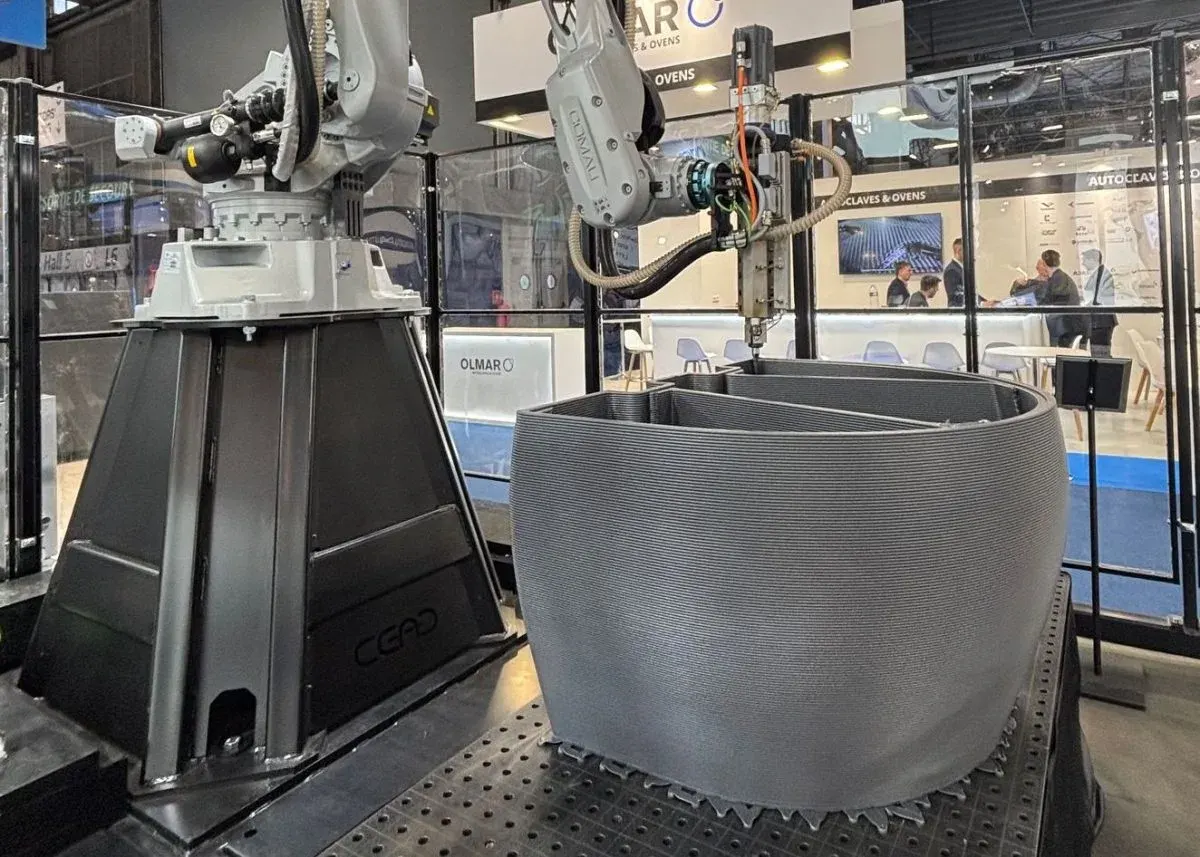
3D printing stopped being a prototyping toy years ago. Here is how to tell when it is the right way to make a real production part - and when it absolutely is not.
Industry 4.0 Foundations: The Nine Pillars
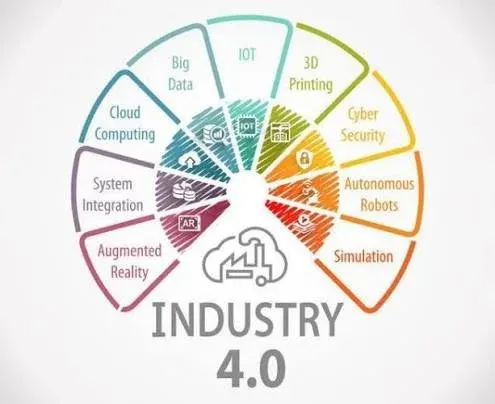
Industry 4.0 sounds like a buzzword, but underneath it is a simple, practical idea. Here is what the fourth industrial revolution actually means for people who make things, and how to take a sensible first step.
Getting Started with Digitalization
You don't need a moonshot to start digitalizing. The fastest, safest way to begin is to pick one annoying process and make it flow better with tools you already have.
Comments
No comments yet. Start the conversation.