Industry 4.0 Foundations: The Nine Pillars
Industry 4.0 sounds like a buzzword, but underneath it is a simple, practical idea. Here is what the fourth industrial revolution actually means for people who make things, and how to take a sensible first step.
TL;DR
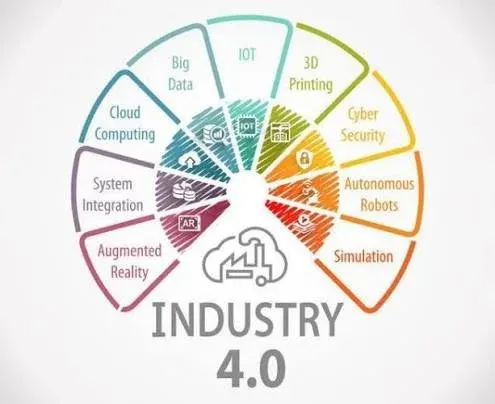
Industry 4.0 is the fourth time technology has transformed how things are made, after steam, electricity and computers. Its nine pillars, including the industrial IoT, big data, simulation, cloud, cybersecurity, additive manufacturing, robotics, augmented reality and system integration, form a toolbox; start with one real problem.
On this page
Walk onto almost any factory floor and you will hear the phrase. Industry 4.0. Smart factory. The fourth industrial revolution. It can feel like marketing noise layered over machines that have been running fine for decades. But strip away the jargon and there is a genuinely useful idea worth understanding, especially if your job is to keep a plant running well.
A story told in four chapters
The number four is not random. It marks the fourth time a new technology has fundamentally changed how things are made. The first revolution put steam and water power behind mechanical looms and mills in the late 1700s. The second, around the turn of the twentieth century, used electricity and the moving assembly line to create mass production; Henry Ford’s Model T line is the classic image. The third, from the 1970s, brought electronics, computers, and programmable controllers, automating individual machines.
Each chapter built on the last rather than erasing it. A modern plant still relies on mechanics, electric power, and automation. Industry 4.0, a term introduced in Germany around 2011, adds the next layer: connectivity and data. Where the third revolution automated single machines, the fourth links them into systems that communicate and, increasingly, think.
The idea in plain language
The heart of Industry 4.0 is the cyber-physical system. That is a serious-sounding name for a simple concept: a physical machine that has a digital twin. Sensors measure what the machine is doing, software studies the data, and the conclusions feed back into the real world. A pump that reports its own vibration and warns you before a bearing fails is a small example. Connect enough of these systems and the whole factory becomes able to see itself, understand itself, and predict its own problems.
Three ingredients make this work. Connectivity, through the Industrial Internet of Things, gives machines a voice. Data, gathered continuously, becomes the new raw material. And analytics turns that data into decisions. A factory drowning in data it never acts on is not yet doing Industry 4.0; the point is to close the loop between measuring and acting.
Nine pillars, one toolbox
In 2015 the Boston Consulting Group laid out nine technologies that together define Industry 4.0, and the list has stuck. They are the Industrial Internet of Things, big data and analytics, cloud computing, autonomous robots, simulation and the digital twin, augmented reality, additive manufacturing (3D printing), horizontal and vertical integration, and cybersecurity.
You do not need all nine on day one, and most plants never use all of them equally. Think of the list as a toolbox. IIoT is the foundation, because without sensors there is no data. Analytics and the cloud are the brain. Robots and 3D printing are the hands. The digital twin lets you test ideas in software before spending money. Augmented reality guides workers through repairs and assembly. Integration ties the shop floor to the business and to suppliers. And cybersecurity protects everything you have just connected, which is why it is a pillar and not an afterthought.
Where the value actually shows up
The most popular starting point is predictive maintenance. Instead of fixing machines after they break or servicing them on a fixed calendar whether they need it or not, you let sensors and analytics tell you when a failure is coming. Downtime falls and you stop wasting service on healthy equipment. Other common wins include catching quality defects early by inspecting every unit, testing line changes on a digital twin before touching the real plant, and printing a spare part overnight instead of waiting weeks for delivery.
These benefits are real, but they are not automatic. The most common reason projects disappoint is starting with a shiny technology instead of a problem worth solving. Clean data, clear goals, and people who trust the tools matter more than any single gadget.
How to begin without boiling the ocean
The sensible path is small and concrete. Pick one painful, measurable problem, such as repeated downtime on a bottleneck machine. Make sure you can collect data about it. Run a tight pilot on that one machine or line. Measure a single clear metric before and after. Then, if it works, scale it to similar machines and add another pillar.
It helps to picture progress as a ladder. First you gain visibility, simply seeing what is happening. Then transparency, understanding why. Then prediction, knowing what comes next. Finally adaptability, where systems act on their own predictions. Almost everyone starts at the bottom, and that is exactly where you should start.
Industry 4.0 is not a product you buy or a switch you flip. It is a connected, data-driven layer you add to the plant you already have, one proven step at a time. Understood that way, the buzzword becomes a plan. And the best first move is not to buy anything at all, but to choose the one problem you most want to solve.
Key takeaways 5
- Industry 4.0 is the fourth industrial revolution, after steam, electricity and automation.
- Its core idea is connected machines and data driving better decisions.
- The nine pillars are a toolbox, not a checklist.
- Value shows up in uptime, quality, flexibility and energy.
- Start small with one problem and one line.
Watch & learn

Frequently asked questions
What is Industry 4.0?
Industry 4.0 is the integration of digital technologies such as IoT, data analytics, cloud and automation into manufacturing, connecting machines, systems and people to make production smarter and more flexible.
What are the nine pillars of Industry 4.0?
Commonly cited pillars are autonomous robots, simulation, horizontal and vertical system integration, the industrial internet of things, cybersecurity, the cloud, additive manufacturing, augmented reality and big data analytics.
How do small manufacturers start with Industry 4.0?
Pick one costly problem, such as unplanned downtime, connect the relevant machines to collect data, act on what you learn and expand once the value is proven.
Go deeper with the free masterclass
Workshop, PDF handbook and curated resources for “Industry 4.0 Foundations: The Nine Pillars”.
Related articles
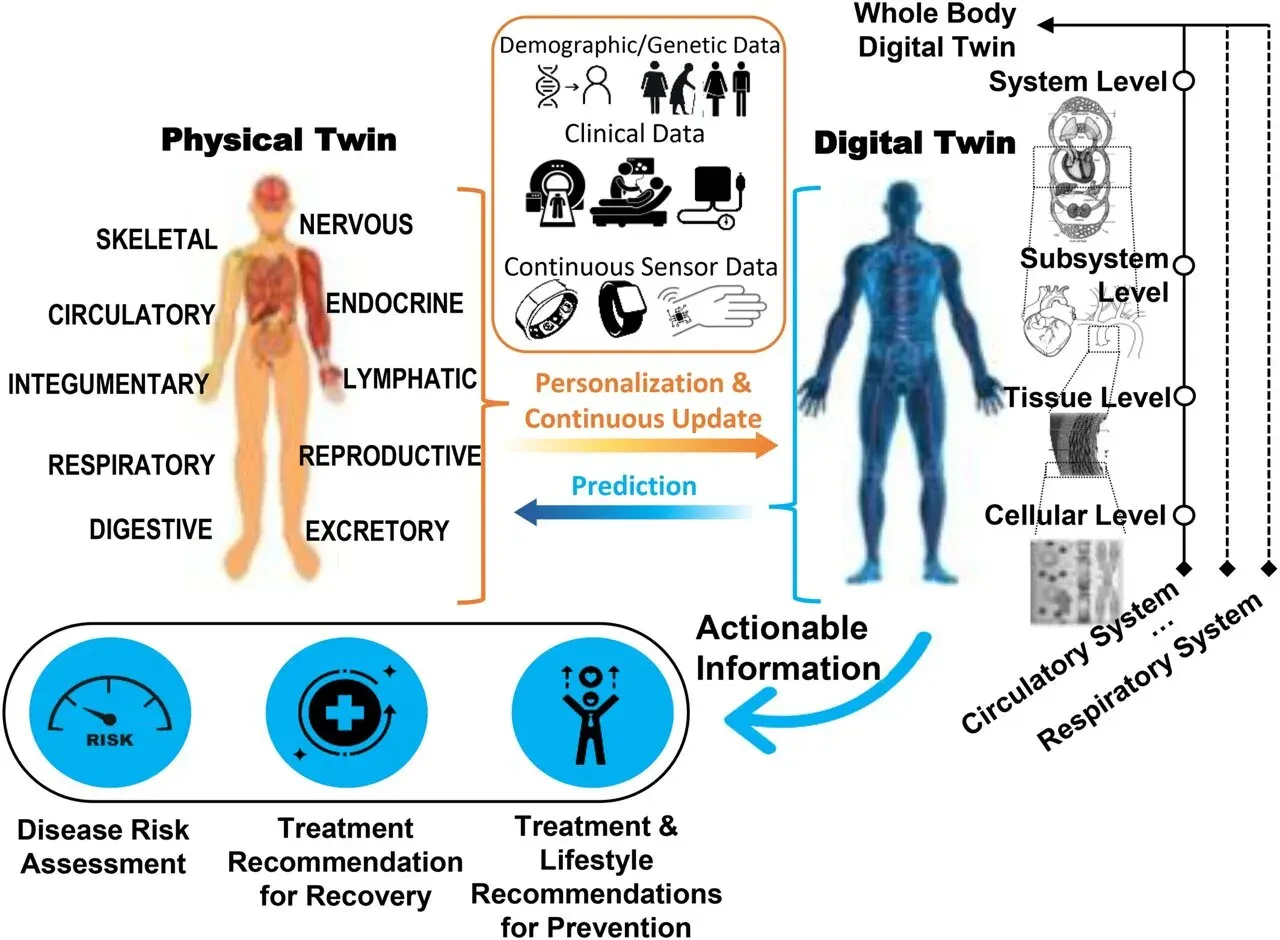
Digital Twin in Practice
Digital twins are real and useful, but most of what gets sold under that name is a dashboard wearing a costume.
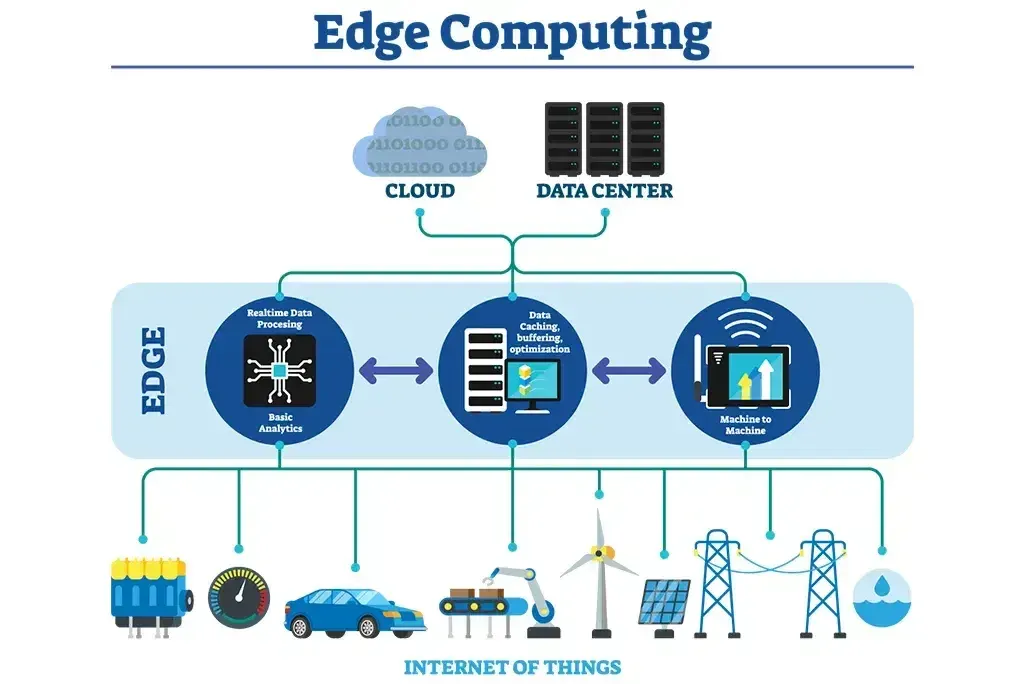
Edge Computing for Smart Manufacturing
The factory cloud dream hit a wall of latency, bandwidth and broken WAN links. The answer was to move the compute back to the machines.
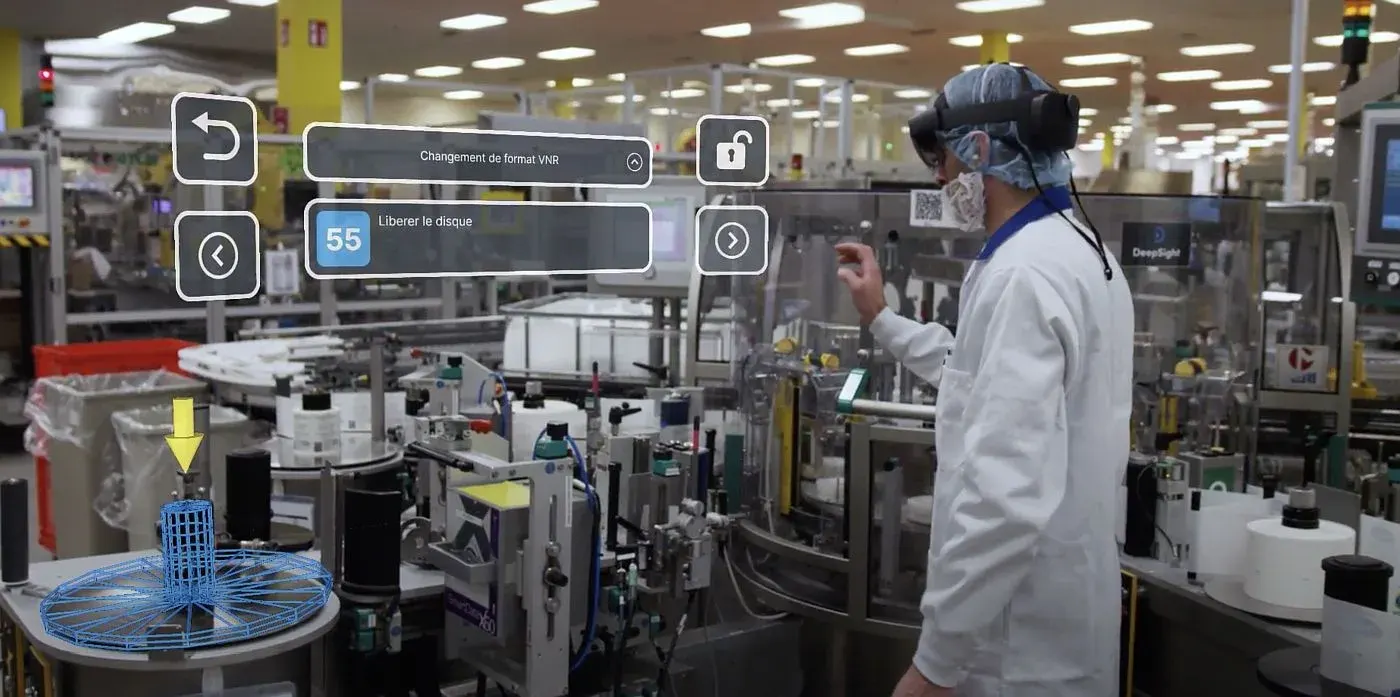
Augmented Reality on the Factory Floor
Industrial augmented reality is not about flashy holograms - it is the last meter of the connected factory, delivering the right information to the worker's hands.
Comments
No comments yet. Start the conversation.