Getting Started with Digitalization
You don't need a moonshot to start digitalizing. The fastest, safest way to begin is to pick one annoying process and make it flow better with tools you already have.
TL;DR
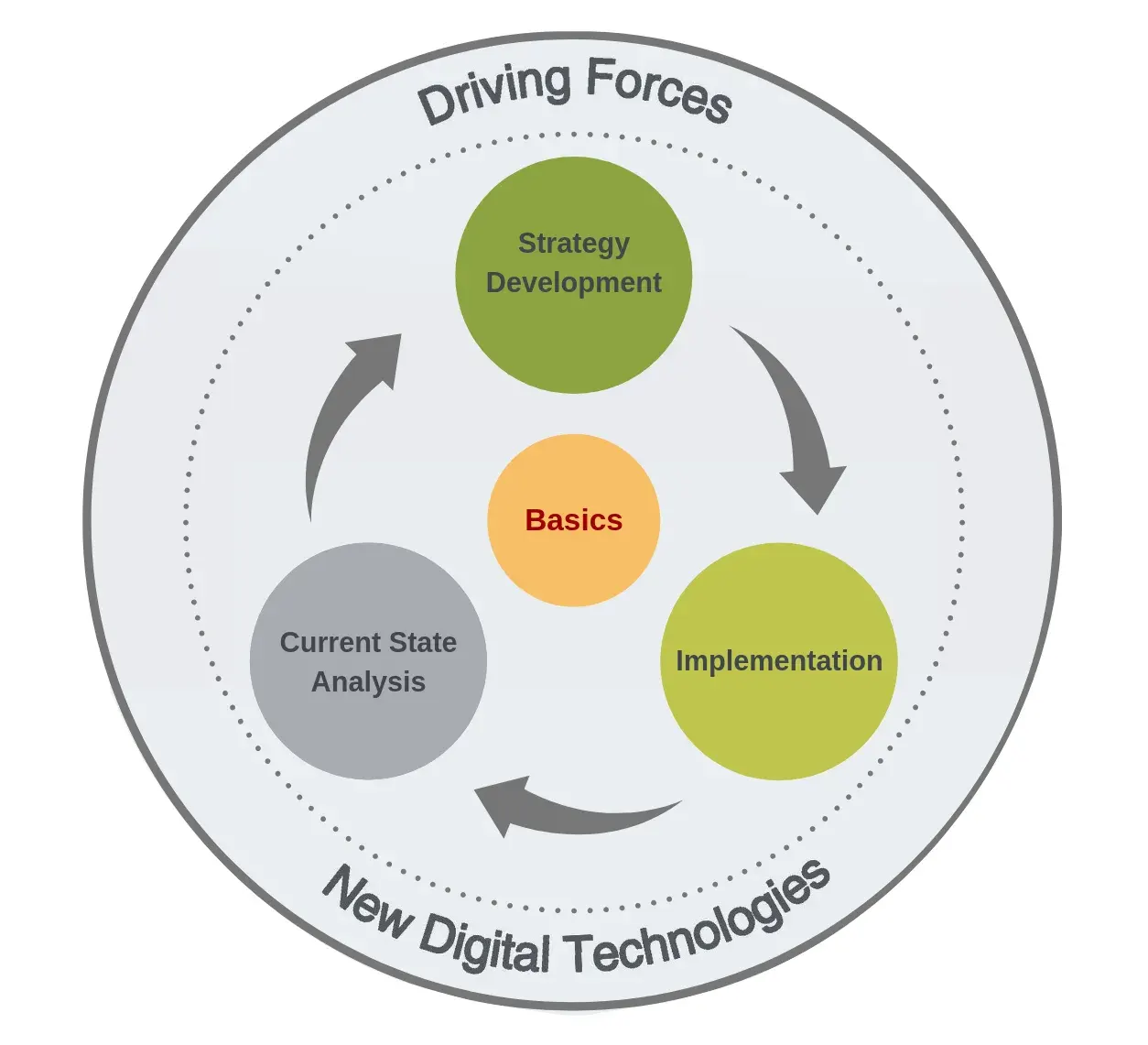
Digitalization sounds enormous, but you don't need a moonshot to start. Pick one annoying process, make it flow better with tools you already have, check that the change earns its place, and avoid the trap of digitizing a bad process instead of improving it.
On this page
There is a particular kind of paralysis that hits people when they hear the word digitalization. It sounds enormous. It conjures images of company-wide platforms, expensive consultants, year-long roadmaps, and a leadership team nodding gravely at slides full of arrows. Faced with that, most people do the sensible thing and put it off. Next quarter. Next year. When we have budget.
I want to make the case for the opposite approach. You do not need a moonshot. You do not need a strategy deck or a transformation office. You need one process that annoys you, and an afternoon.
The word does too much work
Part of the problem is that three different ideas hide behind similar words, and people aim at the biggest one by accident.
Digitization is just turning something physical into a digital format. Scanning a stack of invoices into files. Useful, but on its own it changes very little.
Digital transformation is the giant version: reinventing your whole business model around digital. That is the one that needs the slides and the budget, and the one that genuinely is hard.
In between sits the quiet, practical word that nobody puts on a banner: digitalization. It just means changing how a piece of work gets done by using digital tools. Not the whole business. One process. That middle option is where almost all the real, achievable value lives for a beginner, and it is the one everybody skips because it does not sound impressive at a conference.
Start with the annoying thing
So here is my advice, and it is deliberately small. Do not pick your most important process. Pick your most annoying one. The thing that makes people sigh every week. Approving expenses. Logging customer requests. Stitching together a weekly report from five places.
Then, before you touch any software, draw it. On paper is fine. Write down every step, who does it, what they use, and the moments where work passes from one person to another. Those passing points - the handoffs - are where your time is actually disappearing.
Here is the insight that surprises everyone the first time. When you add up the numbers, you find the work itself is fast. Twenty minutes of real effort. But the task takes three days, because it spends most of its life waiting in someone’s inbox for attention. You are not slow. You are stuck. And waiting is far easier to fix than anything else.
The fix is cheaper than you think
Once you can point at the single worst step, the bottleneck, the fix is usually embarrassingly simple and usually free. You probably already have the tools.
A shared spreadsheet instead of a chain of forwarded emails. A simple form so people stop re-typing the same information. A board with three columns - To Do, Doing, Done - so that work waiting at a handoff becomes visible instead of invisible. Maybe one small automation: when a form comes in, send a notice. You set it once and forget it.
None of this requires a developer. None of it requires permission from on high. It requires you to have understood your own process well enough to know which one thing to change.
Make it earn its place
I am not against rigour. Before you roll anything out, write a single page. What is the problem, what is the fix, how many hours does it save each week, and how long until the saved time repays the time you spent building it. If the setup costs eight hours and saves four hours a week, it pays for itself in a fortnight. After that, it is pure gain.
Keep the estimates honest. A believable rough number beats an impressive made-up one, and the made-up ones always come back to bite you.
The trap to avoid
The reason most beginner efforts fail is not bad technology. It is one of two human mistakes. The first is starting with a shiny tool and hunting for a problem to justify it. Always start with the process; the tool is the last decision, not the first. The second is trying to boil the ocean - fixing everything everywhere at once - and collapsing under the weight of it.
So resist the grand version. Pick one process. Fix one bottleneck. Run it as a two-week pilot with one team. Measure whether it actually saved time and whether people actually used it. Then, and only then, do it again on the next process.
That is the whole secret. Digitalization is not a leap. It is a habit, built one small, finished win at a time. You can start this week, and you can start without spending a thing. The moonshot can wait. The annoying process cannot.
Key takeaways 5
- "Digitalization" bundles three ideas: digitization, digitalization and transformation.
- Start with one annoying, repetitive process.
- Use tools you already have before buying new ones.
- Measure whether the change saves time or errors.
- Don't just digitize a bad process; improve it first.
Watch & learn

Frequently asked questions
What is the difference between digitization and digitalization?
Digitization converts information from analog to digital, such as scanning paper forms. Digitalization uses digital technologies to change processes and how work is done.
How do I start digitalizing my business?
Pick one frequent, frustrating process, map how it works today, improve it with tools you already own such as shared forms or spreadsheets, and measure the result before expanding.
Do I need expensive software to digitalize?
Usually not at the start. Many quick wins come from tools you already pay for, like office suites, shared drives, forms and simple automations.
Go deeper with the free masterclass
Workshop, PDF handbook and curated resources for “Getting Started with Digitalization”.
Related articles
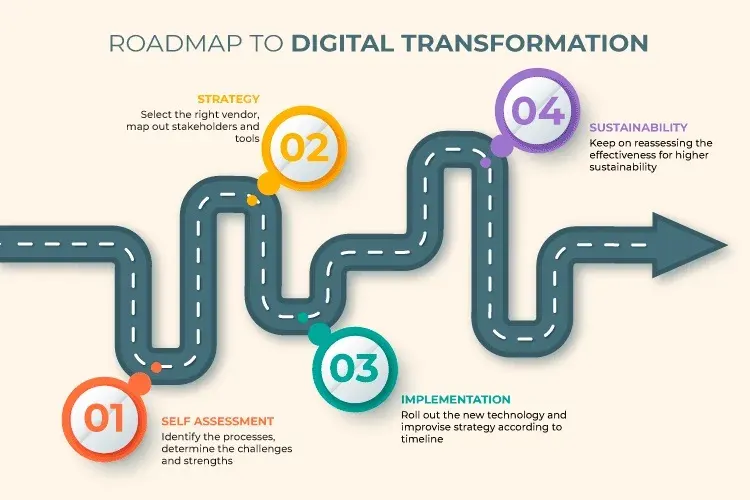
Building a Digital Transformation Roadmap
Most digital transformations do not fail at the keyboard. They fail on a slide deck that confused a list of projects with a plan. Here is how to build a roadmap that actually steers.
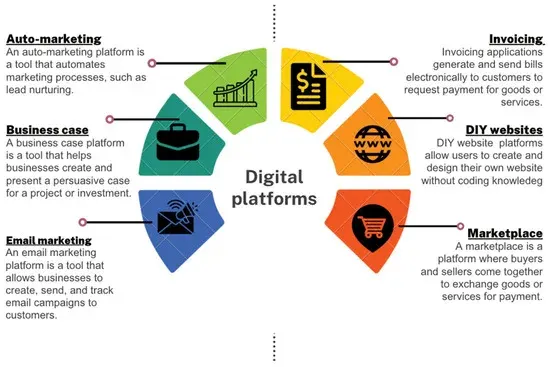
Digitalizing SME Operations End-to-End
Small businesses do not fail to go digital because the software is too hard. They fail because they buy tools before they understand their own work. Here is the order that actually works.
Change Management for Digital Initiatives
Your new platform works perfectly. That is exactly why it is about to fail.
Comments
No comments yet. Start the conversation.