Sensors & Actuators in Automation
Every automated machine runs on the same three-beat rhythm. Learn the sensors that perceive, the signals that carry the message, and the actuators that act, and you can read almost any machine on the floor.
TL;DR
Every automated machine follows the same rhythm: sense, decide, act. Sensors turn physical conditions into electrical signals, digital or analog such as 4-20 mA, a PLC decides what to do, and actuators like motors, valves and cylinders put muscle behind the decision. Learn the loop and you can read almost any machine.
On this page
Walk onto any factory floor and the machines look bewilderingly different: a bottling line here, a robotic welder there, a conveyor snaking through the middle. Yet under the skin they all run on one simple rhythm. Sense. Decide. Act. Once you can hear that rhythm, the mystery drains away and a machine becomes something you can read.
The three-beat loop
The loop begins when a sensor measures something physical and turns it into an electrical signal: a box is present, the tank is half full, the shaft has turned ten degrees. That signal travels to a controller, almost always a Programmable Logic Controller, which runs its program and decides what should happen. The controller then drives an actuator, a device that converts the decision back into motion or force. A valve opens, a motor spins, a cylinder snaps forward. The action changes the world, the sensors measure again, and the beat repeats.
This is more than a tidy diagram. It is the single most useful diagnostic tool a beginner can carry. When a machine acts strangely, do not poke at it randomly. Ask which beat failed. Did the sensor report the wrong thing? Did the program decide wrongly? Or did the actuator simply fail to move? That one question turns a baffling fault into a short list.
Sensors: the senses of the machine
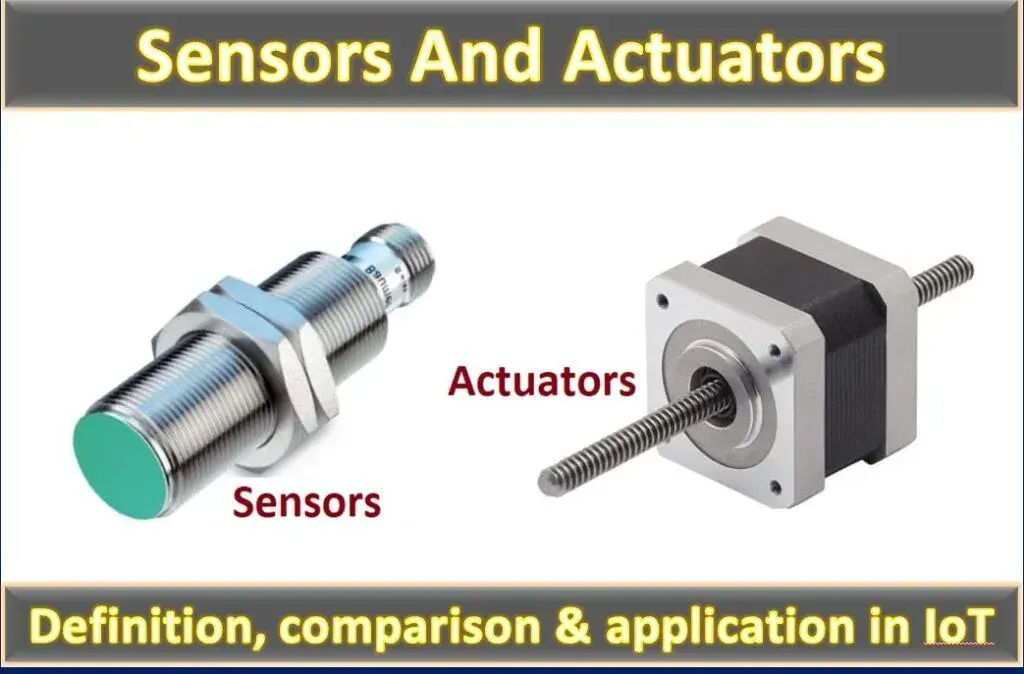
Sensors come in a handful of families you will meet again and again. Inductive proximity sensors detect metal without touching it and shrug off dust and oil, which makes them the rugged default for sensing machine parts. Photoelectric sensors throw a beam of light to spot objects of any material, perfect for a cardboard box on a conveyor. Temperature sensors range from cheap thermocouples to accurate RTDs. Pressure and level sensors watch tanks and pipes. Encoders count the turns of a shaft so a controller knows exactly where a motor is.
The art is matching the sensor to the job. An inductive sensor is useless against plastic. A photoelectric sensor can be fooled by a transparent bottle. A sensor that is flawless on the datasheet but blinded by oil mist on your actual machine is the wrong sensor. Material, range, speed, and environment all have to line up.
Signals: how the message travels
A perfect reading is worthless if it arrives corrupted, so the way a signal is encoded matters as much as the sensor itself. Digital signals are the simplest: on or off, 24 volts or zero, present or absent. They are cheap and almost immune to noise, ideal for presence and limit detection. The only catch for beginners is matching the sensor’s PNP or NPN wiring to the input card.
When you need a continuous value, you reach for analog. The two standards that rule the plant are 0 to 10 volts and 4 to 20 milliamps. Voltage is simple but fades and picks up noise over long cable runs. The 4 to 20 milliamp current loop is the quiet hero of the process world, because current stays constant along a wire no matter how long it is. It even has a built-in trick: 4 milliamps marks the bottom of the range, so a reading of zero can only mean a broken wire. The signal tells you when it has died.
Actuators: putting muscle behind the decision
At the far end of the loop sit the actuators. Solenoids give a short, hard push and usually pilot a valve. Valves steer air and fluid, either fully open and closed or, in proportional form, anywhere in between. Motors driven by variable frequency drives turn conveyors and pumps at any speed the controller asks for. Pneumatic cylinders clamp and lift with fast bursts of compressed air, while hydraulics bring crushing force for presses.
Actuators demand respect. They store energy. A charged air line or a pressurized cylinder can lunge with enough force to injure long after the power is off, which is why lockout, tagout, and bleeding stored pressure are not optional rituals. Every actuator should also have a defined safe state, so that losing power leaves the gate closed and the machine calm rather than in some random and dangerous pose.
Reading the whole machine
Put the three beats together and a machine stops being a black box. You see the inductive sensor watching for a part, the 4 to 20 milliamp transmitter reporting pressure, the PLC weighing the inputs, the solenoid valve firing a cylinder. You can trace a fault to its beat, choose a replacement device with confidence, and wire it so that signal and power do not fight. None of it requires advanced mathematics. It requires knowing the rhythm and the cast of characters.
That is the quiet promise of automation fundamentals. The factory floor is loud and complicated, but the logic underneath is patient and repetitive. Learn to hear sense, decide, act, and every machine you meet starts speaking a language you already understand.
Key takeaways 5
- All automation follows sense, decide, act.
- Sensors convert physical conditions into electrical signals.
- Signals are digital (on/off) or analog (for example 4-20 mA).
- The PLC is the decision-maker in the loop.
- Actuators such as motors, valves and cylinders do the physical work.
Watch & learn

Frequently asked questions
What is the difference between a sensor and an actuator?
A sensor measures something physical, such as presence, temperature or pressure, and sends a signal. An actuator receives a signal and produces physical action, such as moving, opening or heating.
What is a 4-20 mA signal?
It is a common analog current signal in industry where 4 mA represents the minimum of the measured range and 20 mA the maximum. The live zero at 4 mA makes broken wires easy to detect.
What are common industrial sensors?
Proximity sensors, photoelectric sensors, limit switches, temperature sensors, pressure transmitters, level sensors and encoders.
Go deeper with the free masterclass
Workshop, PDF handbook and curated resources for “Sensors & Actuators in Automation”.
Related articles
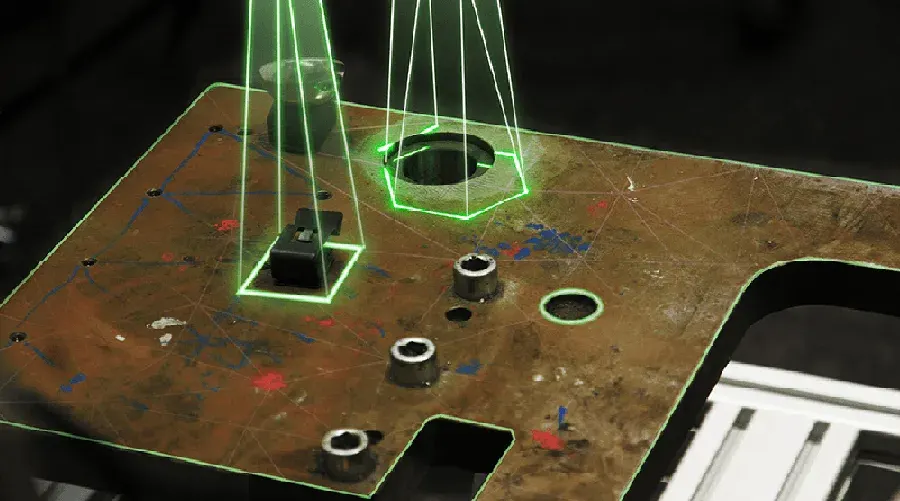
Machine Vision for Quality Inspection
Why the camera is the easy part, the lighting is the hard part, and the algorithm is almost never where your inspection project actually fails.
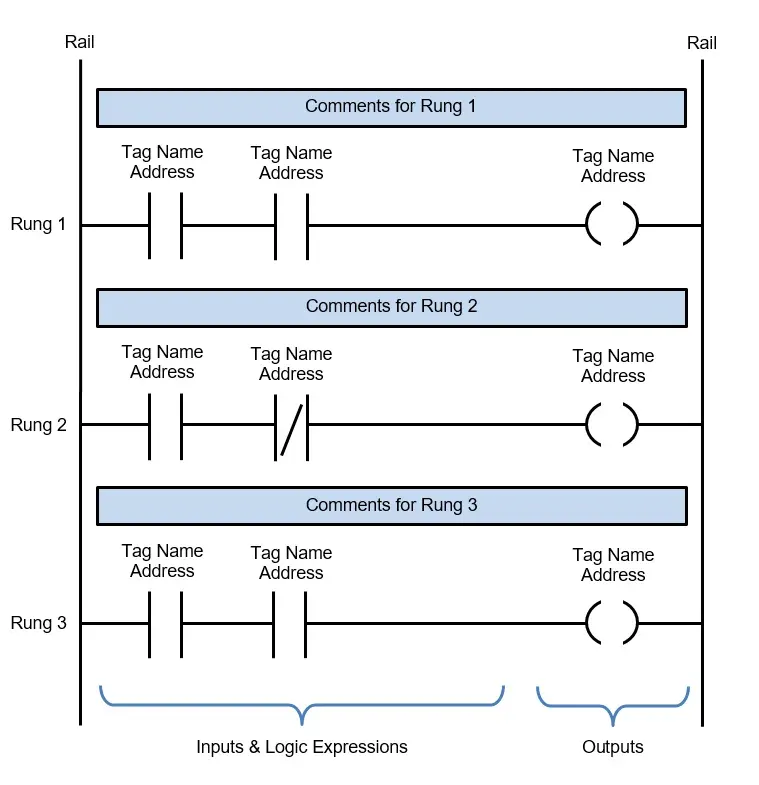
PLC Programming Fundamentals (Ladder Logic)
Ladder logic looks intimidating until you realize it was built to look like the relay diagrams electricians already trusted. Here is how PLCs actually think, and why ladder logic remains the language of the factory floor.
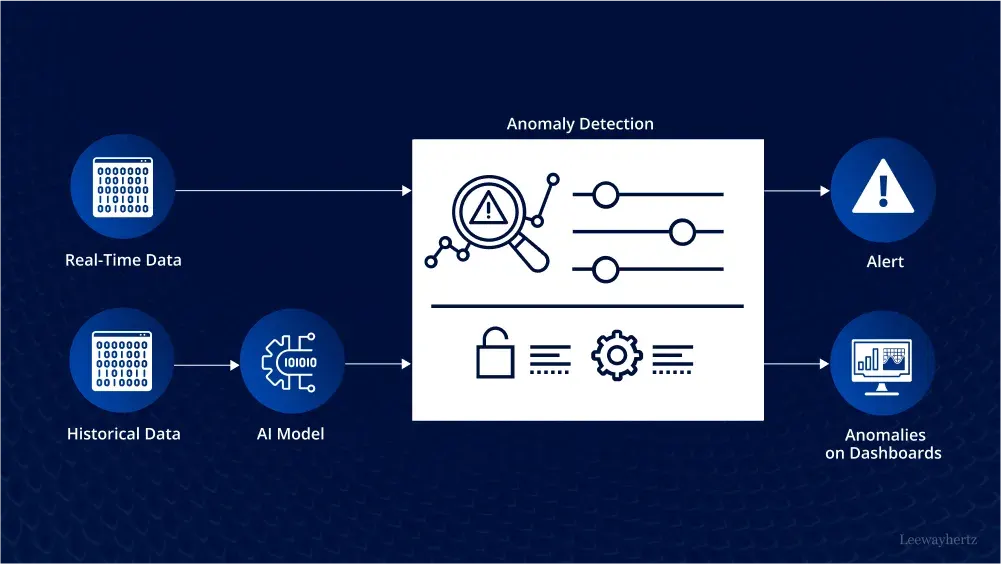
AI-Driven Anomaly Detection on the Line
Why catching abnormal behavior in real time is less about the algorithm and more about trust, data discipline, and the cost of being wrong.
Comments
No comments yet. Start the conversation.