Mastering the Writing Process: Crafting Clear and Effective Communication

TL;DR
Clear writing follows a process: understand your audience, set a precise objective, research and gather evidence, plan the structure, focus on the topic, express ideas precisely, revise rigorously and respect professional standards. Each step turns an idea into communication that lands.
On this page
Crafting Clear and Impactful Writing:
Navigating the Writing Process with Precision
In the realm of effective communication, the journey from idea to impactful writing is paved with careful planning and thoughtful execution. Let’s embark on a journey through the writing process, exploring refined steps to elevate your communication skills to new heights.
Unveiling the Power of Purposeful Writing
Effective writing begins with a clear understanding of your purpose. Each piece of writing serves a distinct objective, whether it’s to inform, persuade, entertain, or inspire. Aligning your purpose with your audience’s needs ensures that your message resonates deeply and leaves a lasting impression.
Step 1: Audience Insight and Empathy
Forge a connection with your audience by delving deep into their perspectives, needs, and preferences. Empathize with their challenges and aspirations to tailor your message to their unique context effectively.
Step 2: Strategic Objective Setting
Define your writing objectives with precision, articulating the specific outcomes you aim to achieve. Whether it’s driving action, fostering understanding, or sparking innovation, clarity in objectives guides your writing journey with purpose and direction.
Step 3: In-depth Research and Data Gathering
Equip yourself with the knowledge and insights necessary to craft compelling narratives. Dive into thorough research, leveraging credible sources and data to substantiate your arguments and enrich your writing with depth and authority.
Step 4: Structured Planning and Organization
Lay the foundation for impactful writing through meticulous planning and organization. Develop a clear outline or framework to structure your ideas logically and ensure seamless flow and coherence in your narrative.
Step 5: Focused Topic Exploration
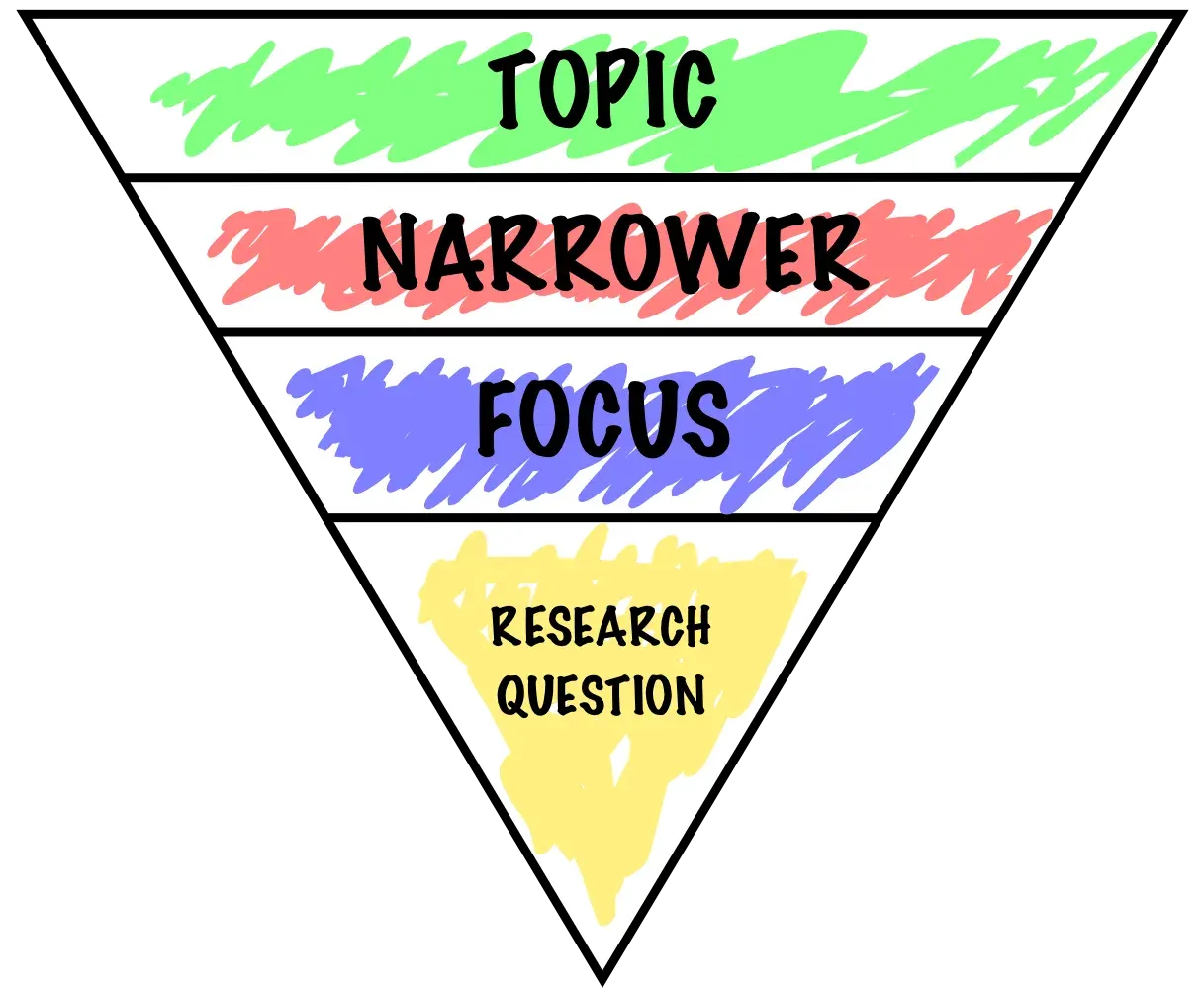
Narrow your focus to a single, well-defined topic to maintain clarity and relevance in your writing. Resist the temptation to dilute your message with extraneous details, instead prioritizing depth and precision to engage your audience effectively.
Step 6: Precision in Expression
Harness the power of clarity and conciseness in your writing, using language that is precise, accessible, and engaging. Strive to convey your ideas with utmost clarity, avoiding unnecessary complexity or ambiguity that may obscure your message.
Step 7: Rigorous Revision and Refinement
Embrace the iterative nature of the writing process through diligent revision and refinement. Review your work with a discerning eye, polishing your prose, refining your arguments, and ensuring coherence and cohesion in your narrative.
Step 8: Adherence to Professional Standards
Uphold the highest standards of professionalism in your writing, adhering to established norms and conventions. From formatting guidelines to etiquette in communication, maintain consistency and professionalism to enhance the credibility and impact of your writing.
Conclusion: Elevating Your Writing Journey
As you embark on your writing journey, remember that mastery of the writing process is a continuous pursuit of excellence. By embracing purposeful writing, conducting thorough research, planning with precision, and refining your expression, you can craft writing that captivates, inspires, and resonates with your audience. So, equip yourself with the tools and insights shared here, and embark on your writing odyssey with confidence and conviction. The world awaits your voice—let your words illuminate and inspire.
Key takeaways 5
- Start every piece of writing with a clear purpose.
- Know your audience and write for their needs.
- Research and plan the structure before drafting.
- Choose precise, concise language.
- Revise rigorously; good writing is rewriting.
Watch & learn

Frequently asked questions
What are the steps of the writing process?
A common sequence is: understand the audience and purpose, research, plan and outline, draft, revise for structure and clarity, then edit and proofread.
How can I make my writing clearer?
Know exactly what you want to say, use short sentences and plain words, put the main point first, use headings and lists and cut anything that doesn't serve the reader.
Why is revision so important?
First drafts capture ideas; revision makes them clear. Rereading with the reader in mind reveals gaps, repetition and confusing sentences.
Learn it hands-on at AL Academy
Free practical programs in software, automation and IT, with labs and certificates.
Related articles

Unlocking the Science Behind Strong Business Writing
The science behind strong business writing: what brain research reveals about clarity, stories and concrete language that keep readers engaged.
Crafting Effective Research Questions: A Guide from The Writing Center
Are you struggling to formulate a research question that will guide your academic inquiry effectively?

Understanding and Crafting Effective Hypotheses in Research
So, you've honed in on your research question, delved into the depths of literature, and are poised to embark on your study.
Comments
No comments yet. Start the conversation.