Crafting Effective Research Questions: A Guide from The Writing Center
TL;DR
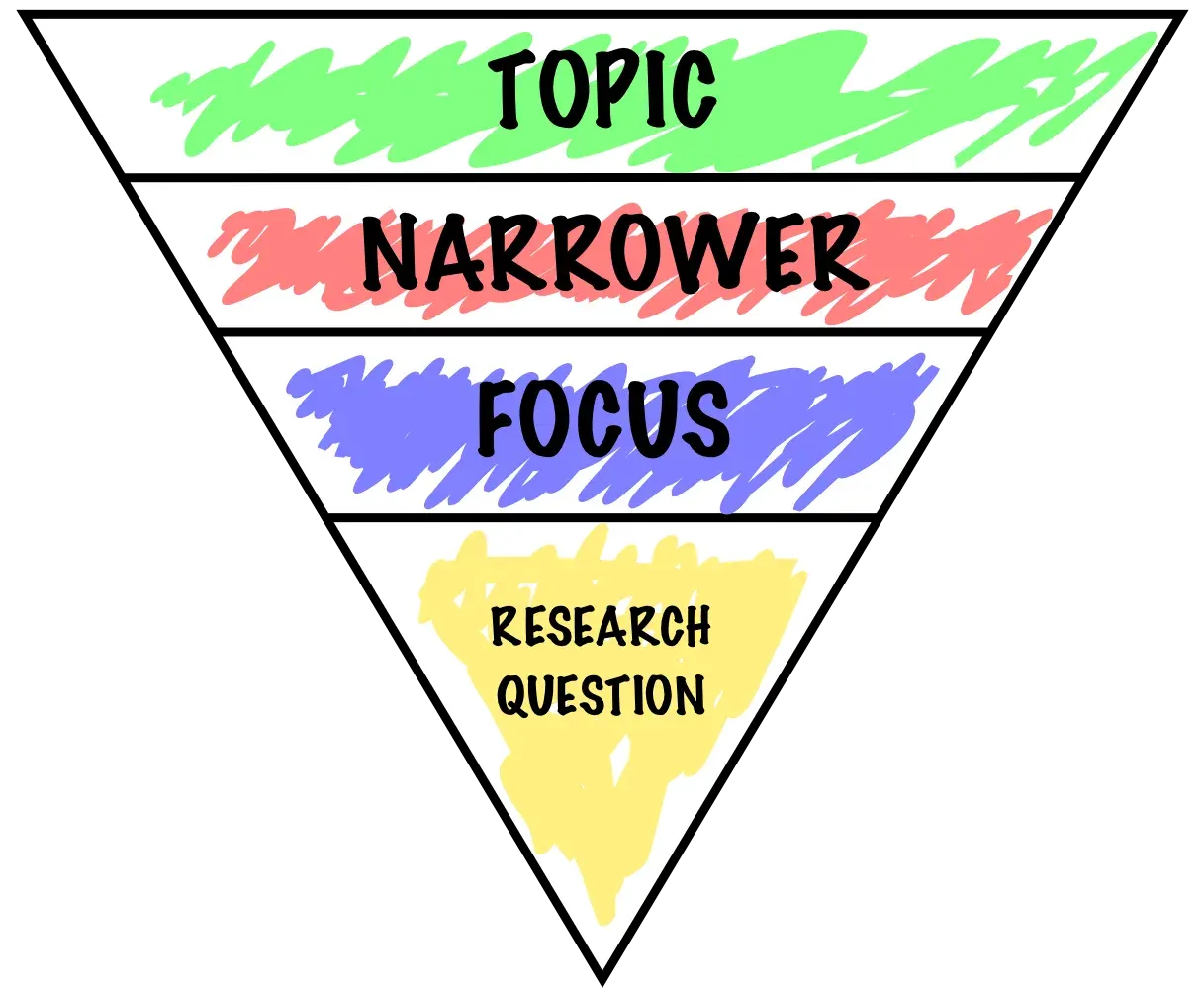
A research question is the cornerstone of any investigation. Good ones come from genuine curiosity, fit your discipline, and are clear, focused, researchable and arguable. Start broad, narrow the topic, ask open "how" and "why" questions, then test and refine the question as you read.
On this page
Are you struggling to formulate a research question that will guide your academic inquiry effectively? Crafting a clear, focused, and engaging research question is crucial for any scholarly endeavor. Let’s delve into the essential steps and considerations outlined by The Writing Center to help you master this foundational aspect of research.
What is a Research Question?
A research question serves as the cornerstone of your investigation. It’s the inquiry around which your research revolves, shaping the direction of your exploration. But what makes a good research question?
- Genuine Curiosity: Your question should stem from a genuine interest or passion about the topic at hand.
- Discipline Relevance: Tailor your question to the specific discipline you’re studying, ensuring its appropriateness and relevance.
Why are Research Questions Essential?
Research questions provide focus amidst the vast landscape of information. They steer you away from producing superficial “all-about” papers and guide you towards developing a specific, arguable thesis. But how do you develop such a question?
Steps to Crafting a Research Question:
- Choose a Broad Topic: Select a topic that genuinely intrigues you, providing a fertile ground for exploration.
- Preliminary Research: Dive into existing literature to grasp the current discourse surrounding your topic and to refine your focus.
- Consider Your Audience: Tailor your question to resonate with your intended audience, ensuring its relevance and interest.
- Ask Open-Ended Questions: Pose open-ended “how” and “why” questions that delve deeper into your topic’s complexities and nuances.
- Evaluate and Refine: Critically assess your questions for clarity, focus, complexity, and arguability. Refine them to meet the standards of effective research inquiries.
Examples of Effective Research Questions:
- Clear and Specific: Addressing specific platforms and issues within social networking sites.
- Focused and Detailed: Narrowing down the impact of global warming on a specific species in a particular habitat.
- Appropriately Complex: Incorporating multiple factors and considerations to tackle a multifaceted issue comprehensively.
Crafting a compelling research question is both an art and a science. It requires a balance of curiosity, critical thinking, and discipline-specific knowledge. By following these steps and guidelines, you can embark on your research journey equipped with a robust foundation for inquiry and discovery.
For more detailed insights and examples, you can visit The Writing Center’s comprehensive guide on how to write a research question here.
Happy researching!
Key takeaways 5
- The research question guides the entire investigation.
- Start from genuine curiosity and your discipline's conventions.
- Narrow a broad topic into a focused, specific question.
- Good questions are clear, researchable and open to argument.
- Refine the question as your reading progresses.
Watch & learn
Frequently asked questions
What makes a good research question?
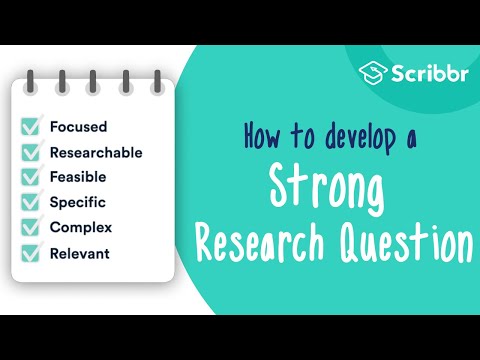
It is clear, focused, specific enough to answer within your scope, researchable with available sources and complex enough to require analysis rather than a simple yes or no.
How do you narrow a research topic into a question?
Start broad, read background material, identify gaps or debates, then limit the topic by time, place, population or angle and phrase it as a "how" or "why" question.
Can a research question change during research?
Yes. Refining the question as you learn more is normal and usually leads to a sharper, better-supported argument.
Learn it hands-on at AL Academy
Free practical programs in software, automation and IT, with labs and certificates.
Related articles

Navigating the Research Methodology Maze: A Comprehensive Guide
A practical research methodology guide: define objectives, choose outputs, scope sources, gather information, evaluate credibility and synthesize findings.

Understanding and Crafting Effective Hypotheses in Research
So, you've honed in on your research question, delved into the depths of literature, and are poised to embark on your study.

Mastering the Writing Process: Crafting Clear and Effective Communication
In the realm of effective communication, the journey from idea to impactful writing is paved with careful planning and thoughtful execution.
Comments
No comments yet. Start the conversation.