Understanding and Crafting Effective Hypotheses in Research

TL;DR
A hypothesis is a structured, testable prediction that gives research direction. Good hypotheses are clear, specific, grounded in existing literature and falsifiable, stating the expected relationship between variables, often alongside a null hypothesis, so the study knows exactly what data to collect and how to analyze it.
On this page
So, you’ve honed in on your research question, delved into the depths of literature, and are poised to embark on your study. Now, it’s time to formulate your hypotheses. But what exactly is a hypothesis, and why is it an indispensable component of the research process?
What is a Hypothesis?
A hypothesis is more than just a guess; it’s a structured prediction that serves as the backbone of your research endeavor. Think of it as a tentative assertion that you aim to test through empirical investigation. Here’s why it matters:
- Organizing and Focusing Research: A hypothesis provides a clear direction for your study, guiding your efforts towards gathering relevant data and analyzing it systematically.
- Testing Existing Knowledge: Hypotheses thrive in the realm of established understanding. They build upon existing theories and observations, offering a platform to validate or challenge prevailing ideas.
- Facilitating Data Analysis: By formulating a hypothesis before data collection, you establish a framework for interpretation. This structured approach streamlines the analysis process and enhances the credibility of your findings.
Crafting Effective Hypotheses:
Crafting a hypothesis requires precision and foresight. Here’s a step-by-step guide to help you articulate hypotheses that drive impactful research:
- Identify Variables: Pinpoint the key variables or factors that you believe are related to your research question. These will form the foundation of your hypothesis.
- Formulate a Testable Statement: Your hypothesis should be concrete and specific, allowing for empirical testing. It should propose a relationship between variables that can be validated through observation or experimentation.
- Predict an Outcome: Express your expectations regarding the outcome of your study. Will there be a positive correlation, a negative association, or no discernible relationship between the variables?
- Consider Null Hypotheses: In addition to your primary hypothesis (often called the alternative hypothesis), consider formulating a null hypothesis, which posits no significant effect or relationship between variables. This serves as a benchmark for comparison.
Examples of Hypotheses:
Let’s explore some hypothetical hypotheses across various domains:
- Educational Intervention: “Implementing a mindfulness program in schools will decrease students’ levels of anxiety.”
- Health and Wellness: “Regular exercise will lead to a decrease in blood pressure among middle-aged adults.”
- Marketing Research: “Increasing the frequency of social media advertisements will result in higher brand engagement metrics for Company XYZ.”
Conclusion:
In the realm of research, hypotheses serve as guiding beacons, illuminating the path towards discovery and understanding. By formulating clear and testable hypotheses, researchers can navigate the complexities of data collection and analysis with purpose and clarity. So, the next time you embark on a research endeavor, remember the power of a well-crafted hypothesis to propel your investigation forward.
Happy hypothesizing!
Key takeaways 5
- A hypothesis is a testable prediction, not a guess.
- It focuses the research and guides data collection.
- Good hypotheses are clear, specific and falsifiable.
- State the expected relationship between variables.
- Pair it with a null hypothesis for statistical testing.
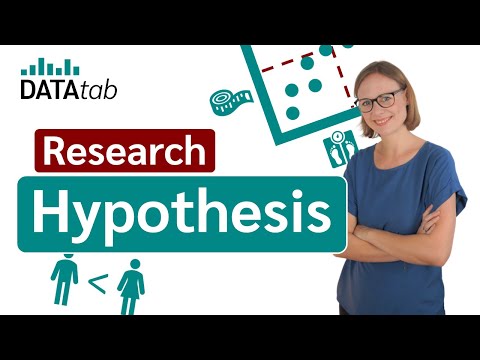
Watch & learn
Frequently asked questions
What is a hypothesis in research?
A hypothesis is a specific, testable statement predicting the relationship between variables, based on theory or prior research, that a study is designed to support or reject.
What is the difference between a null and an alternative hypothesis?
The null hypothesis states there is no effect or relationship. The alternative hypothesis states the effect or relationship the researcher expects to find.
What makes a hypothesis testable?
It must make a prediction that can be checked with data and could be shown to be false, using clearly defined and measurable variables.
Learn it hands-on at AL Academy
Free practical programs in software, automation and IT, with labs and certificates.
Related articles
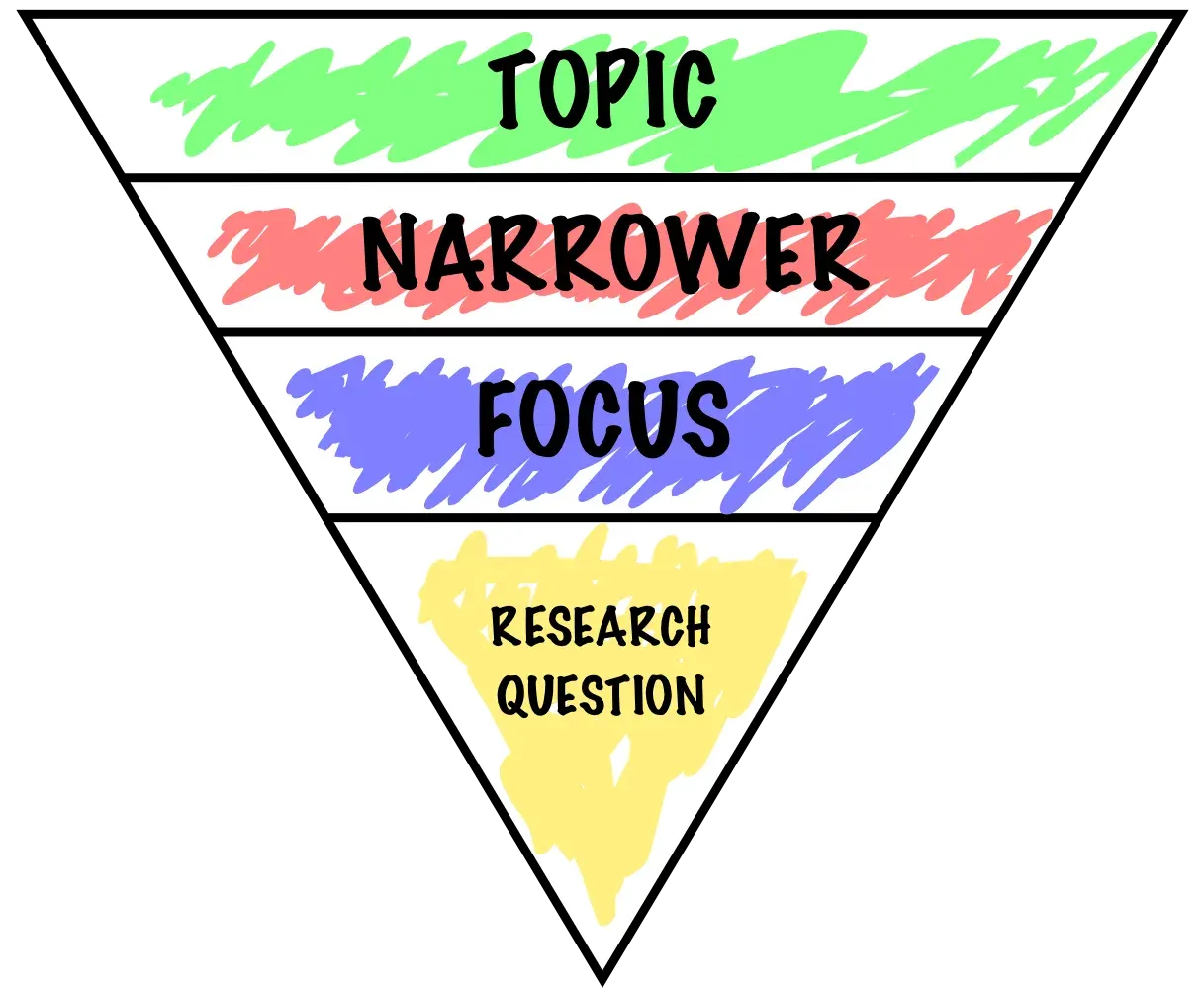
Crafting Effective Research Questions: A Guide from The Writing Center
Are you struggling to formulate a research question that will guide your academic inquiry effectively?

Navigating the Research Methodology Maze: A Comprehensive Guide
A practical research methodology guide: define objectives, choose outputs, scope sources, gather information, evaluate credibility and synthesize findings.
Intro to Statistics for Analysts
You already work with data every day. Here are the five statistical ideas that will stop the numbers from quietly misleading you.
Comments
No comments yet. Start the conversation.