Incident Response Fundamentals
Breaches are inevitable; chaos is optional. The teams that recover fastest aren't the ones with the most tools - they're the ones who decided what to do before the alarm went off.
TL;DR
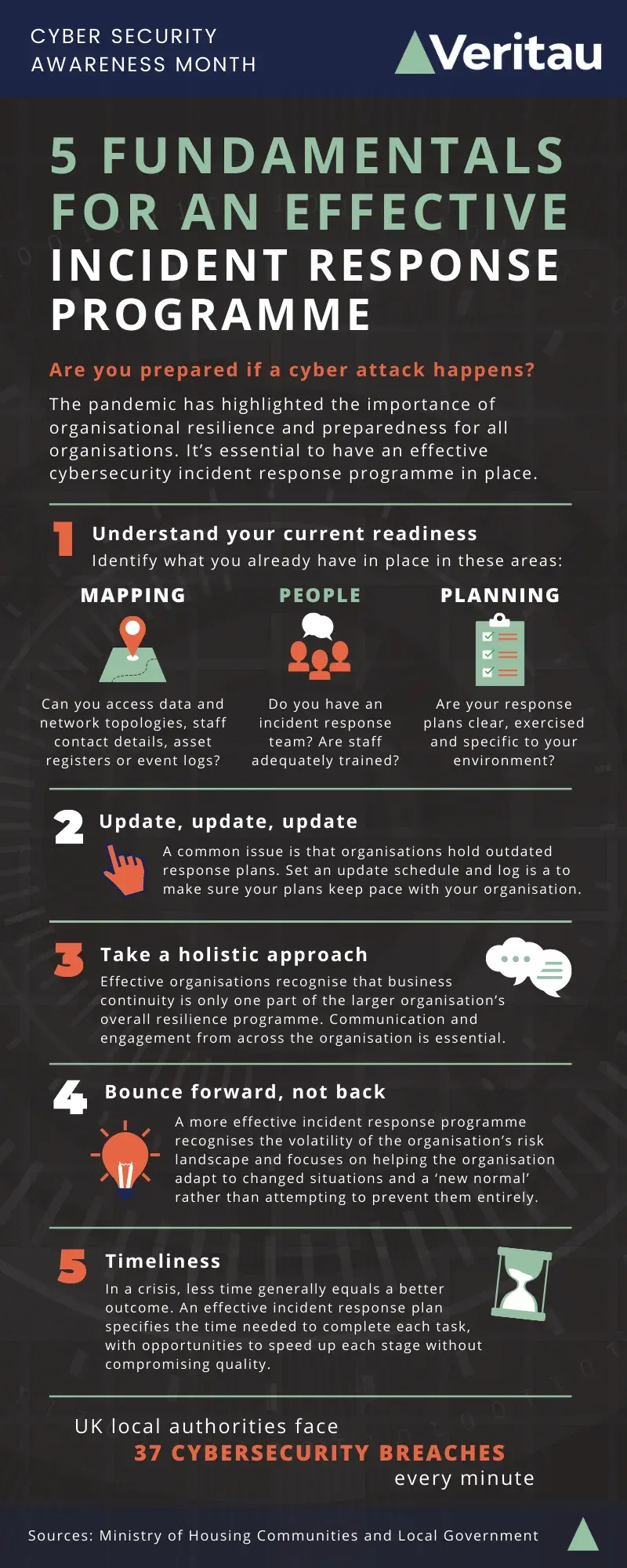
Every breached organization had a wall; walls fail. Modern security assumes compromise and focuses on response. Speed decides damage, the incident response lifecycle should be muscle memory, playbooks let teams think in advance, and careful evidence handling preserves the facts, so each incident makes you harder to hit.
On this page
The Myth of the Perfect Wall
For years, security was sold as a wall. Buy enough firewalls, antivirus, and intrusion-prevention boxes, the pitch went, and the bad guys stay out. It is a comforting story, and it is wrong. Every organization that has ever been breached had a wall. Walls fail. Phishing emails slip through, a contractor reuses a password, a zero-day lands before the patch does. The mature question is not whether you will have an incident, but how well you will respond when you do.
That shift in mindset - from prevention-only to detection-and-response - is the foundation of modern blue-team work. It assumes compromise is a matter of time and asks a more useful question: when an attacker is inside, how fast can we see them, stop them, and recover? The answer to that question is worth more than any single product on the market.
Why Speed Is the Whole Game
The metric that quietly governs the cost of a breach is dwell time: how long an attacker operates undetected. A few hours of access to a workstation is a nuisance. A few months of access to a domain controller is a catastrophe. The entire discipline of incident response exists to compress that number - to shorten the gap between intrusion and eviction.
This is why disciplined responders resist the urge to act immediately and destructively. The temptation, when you find malware, is to delete it and reboot. But a hasty reboot wipes the volatile memory that would have told you how the attacker got in, what they took, and whether they left a second door open. You “fixed” the visible problem and guaranteed it returns. Speed matters, but it must be informed speed - capture first, then contain, then clean. The order is not bureaucracy; it is what separates a real fix from a temporary one.
The Lifecycle as Muscle Memory
The most widely used framework, NIST’s incident-handling guide, lays out a cycle: prepare, detect and analyze, contain, eradicate, recover, and review. Read on paper, it looks like common sense. Lived through a 2 a.m. ransomware outbreak, it is anything but. Under stress, people skip steps, argue about ownership, and reinvent decisions they should have made months earlier in daylight.
That is the real purpose of the lifecycle: it turns judgment into reflex. A team that has rehearsed the cycle - through tabletop exercises and real incidents - does not waste the first frantic hour deciding who is in charge or where to coordinate. They have an incident commander, a scribe starting the timeline, an out-of-band channel in case email is compromised, and a playbook for the incident type in front of them. The lifecycle is not a document you consult; it is behavior you have internalized.
Playbooks: Thinking in Advance
The single highest-leverage artifact in incident response is the playbook - a step-by-step guide for a specific, common incident such as a phishing-driven account compromise or a ransomware outbreak. A playbook is your best thinking, captured when you had the luxury of thinking clearly, made available to a tired analyst who does not.
Good playbooks are specific. They name the trigger, the triage questions, the containment steps in order, the eradication checks, and exactly who to notify. They remove the two enemies of a 3 a.m. response: hesitation and improvisation. And because they are written down, they can be reviewed, tested, and improved - unlike the heroics that live only in one senior analyst’s head and walk out the door when that analyst quits.
Evidence, Custody, and the Boring Discipline That Saves You
Somewhere in the middle of a chaotic response lies an unglamorous practice that can determine whether the whole effort holds up: evidence handling. You rarely know at the outset whether an incident will end in a quiet cleanup or a courtroom, a regulatory filing, or an insurance claim. So you treat evidence as if it matters from the first minute - collecting the most volatile data first, working on copies, hashing artifacts to prove they were not altered, and keeping a chain-of-custody log of who touched what and when. It feels like paperwork during a crisis. It is, in fact, the thing that lets your findings stand up to scrutiny when the crisis is over.
The Real Payoff: Getting Harder to Hit
The phase teams love to skip is the last one - the blameless post-mortem. After the systems are restored and everyone is exhausted, the meeting that asks “what did we miss, and what will we change?” feels optional. It is the opposite. A breach is an expensive lesson; refusing to learn from it means paying for the same lesson again.
The defining trait of a maturing security program is simple to state and hard to achieve: the same incident never succeeds twice. Every post-mortem produces owned, dated action items - a tuned detection rule, a new playbook, a logging gap closed, a team retrained - and those flow straight back into preparation. Done consistently, this turns incident response from a fire drill into a flywheel. Each incident, handled well, leaves the organization measurably harder to breach than it was the day before. That is the quiet promise of the discipline: you cannot stop being a target, but you can absolutely stop being easy.
Key takeaways 5
- Prevention alone fails; assume compromise and prepare to respond.
- Speed of detection and containment decides the damage.
- Practice the lifecycle: prepare, detect, contain, eradicate, recover, learn.
- Playbooks let you make decisions before the alarm goes off.
- Preserve evidence and chain of custody, then learn from every incident.
Watch & learn

Frequently asked questions
What are the phases of incident response?
A common model (NIST) includes preparation; detection and analysis; containment, eradication and recovery; and post-incident activity or lessons learned.
What is an incident response playbook?
A playbook is a predefined, step-by-step guide for handling a specific type of incident, such as ransomware or phishing, so responders act quickly and consistently.
Why does evidence handling matter in incident response?
Preserving logs, disk images and a documented chain of custody supports root-cause analysis, legal action and insurance claims, and prevents the facts from being lost or disputed.
Go deeper with the free masterclass
Workshop, PDF handbook and curated resources for “Incident Response Fundamentals”.
Related articles
Ransomware Defense & Recovery
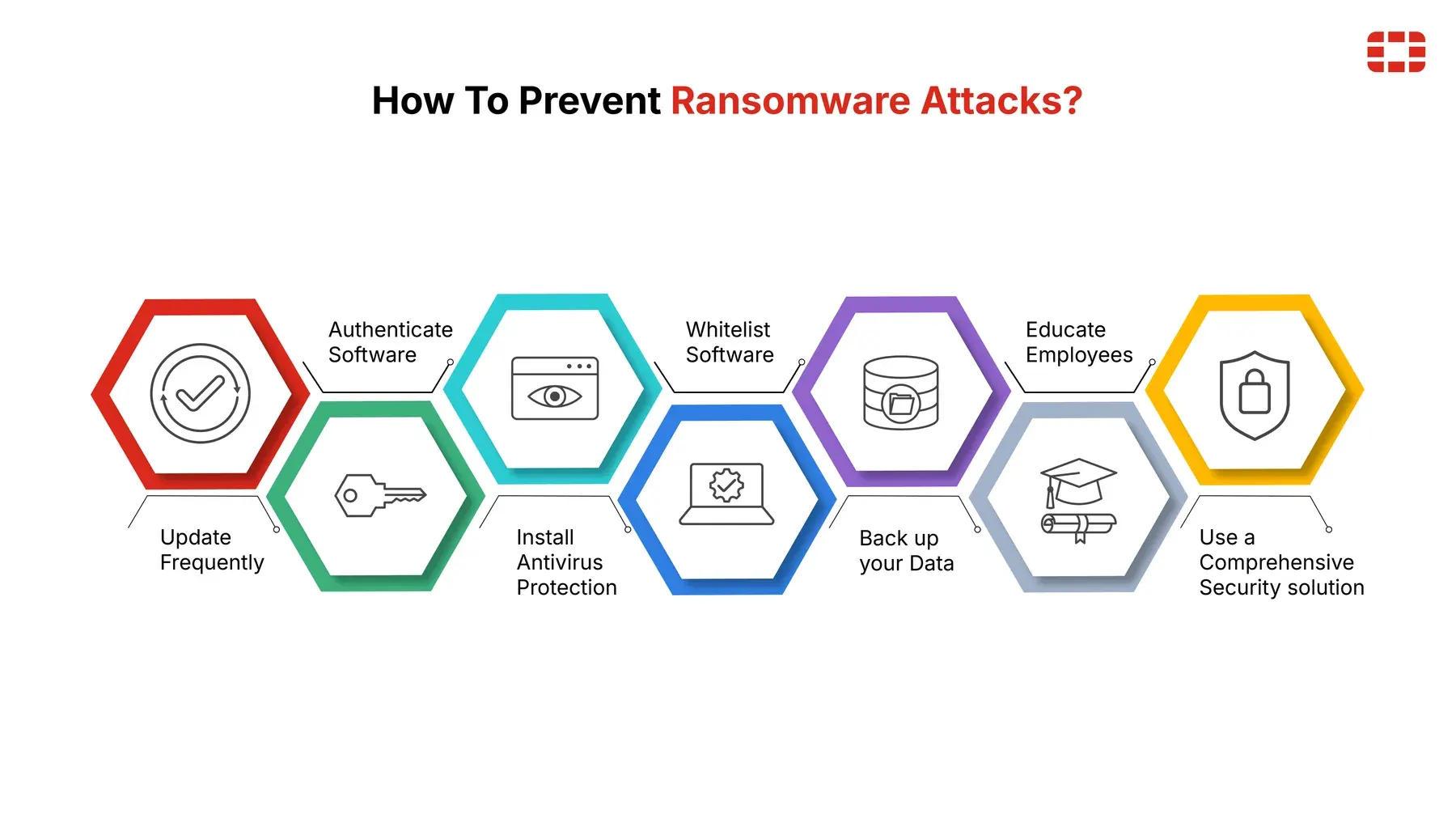
Ransomware is a business-continuity problem wearing a malware costume. Here is how blue teams actually beat it.
Monitoring & Uptime for Web Services
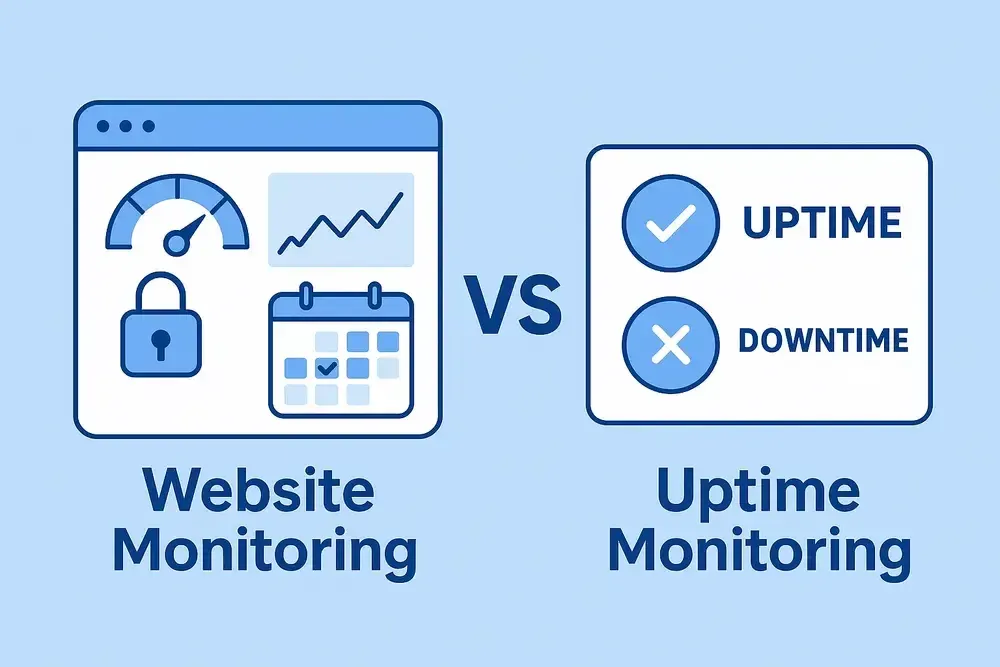
Keeping a website online is not a heroics problem; it is a feedback-loop problem. Here is how a single operator can run a service like a small SRE team, without a war room or a big budget.
Phishing & Social Engineering Defense
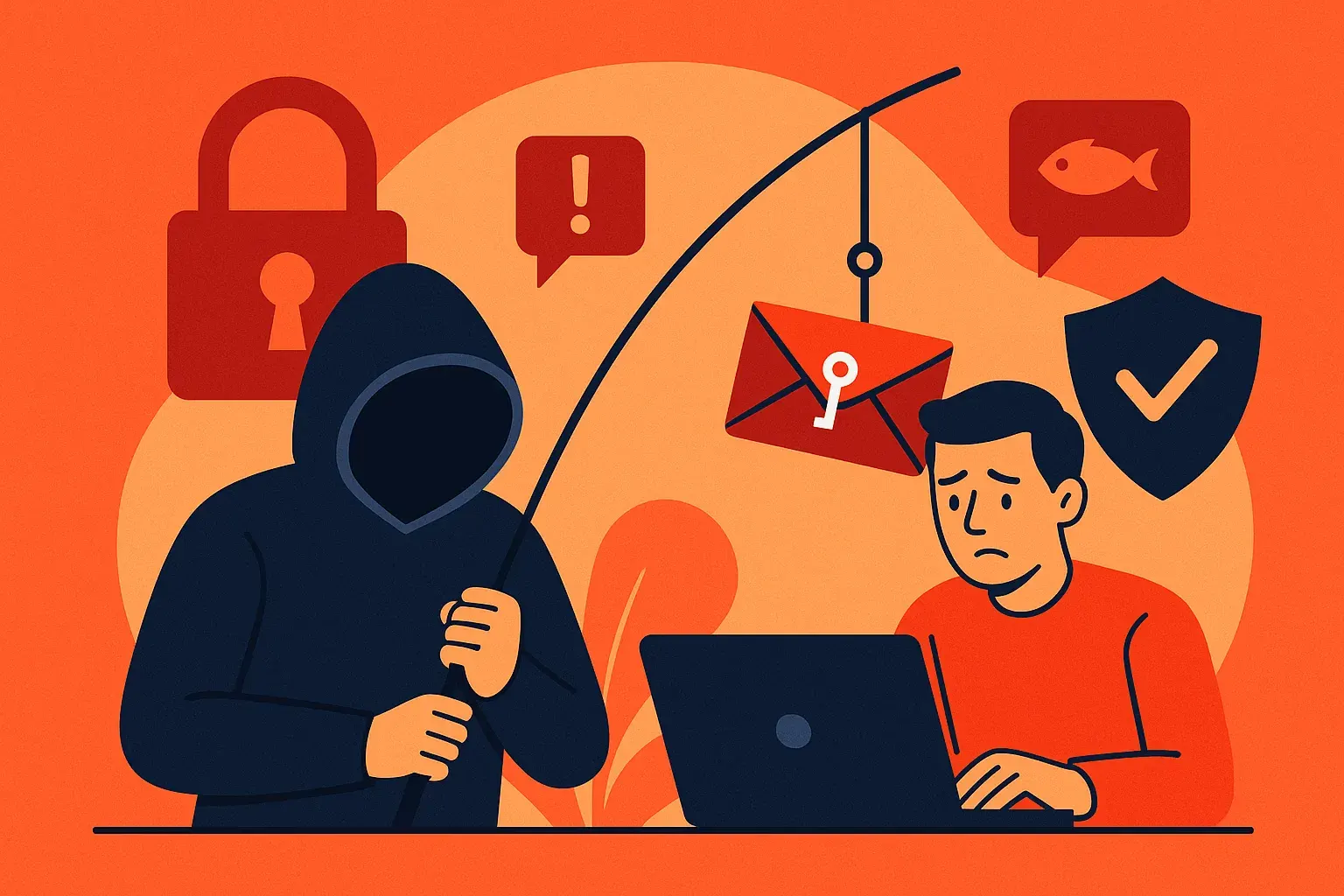
The most dangerous hack of all does not target your computer. It targets you, and the defense is simpler than you think.
Comments
No comments yet. Start the conversation.