Cloud Security & IAM Deep Dive
The firewall is not your perimeter anymore. A credential is. Once you accept that, cloud security stops being a checklist and becomes a single discipline - getting identity right.

TL;DR
In the cloud the perimeter is no longer the firewall but the credential. Breaches mostly live in authorization, so cloud security comes down to identity: least privilege applied as a continuous ratchet, short-lived credentials instead of long-lived keys, and visibility into who can do what.
On this page
The wall moved and nobody sent a memo
For thirty years the mental model of security was a castle. Build a wall, dig a moat, put a gate in front, and trust everyone inside it. The wall was the network, the moat was the firewall, and “inside” was where the work happened. It was a comforting picture, and for on-premises data centers it was roughly true.
The cloud quietly demolished it. Your storage bucket is reachable from the public internet by design. Your services call each other across account boundaries. Your engineers work from cafes and kitchen tables. There is no inside anymore - or rather, “inside” is wherever a valid credential happens to be at this moment. The wall did not fall down; it moved. It now runs through every identity in your account, and the thing standing between you and an attacker is no longer a firewall rule. It is a policy attached to a principal.
This is the uncomfortable, clarifying realization that every cloud security engineer eventually has: Identity and Access Management is not one security control among many. It is the control plane. A leaky network exposes a service. A leaky IAM policy exposes the account. When you internalize that, the sprawling field of cloud security collapses into a single, tractable question - who can do what, to which resource, under what conditions?
Authorization is where breaches actually live
People assume cloud breaches are exotic: a zero-day, a clever exploit chain. The boring truth is that most are failures of authorization, not authentication. The attacker did not pick the lock. They found a key on the ground - a leaked access key in a public repository, a credential baked into a container image, a token in a log file - and that key simply opened far more doors than it ever should have.
That is the part defenders control. You cannot guarantee a credential will never leak; humans paste secrets into the wrong window and bots scrape GitHub around the clock. What you can guarantee is that when a credential leaks, the damage is small - because that identity could only read one bucket, only over TLS, only from a known network, and only for the next forty minutes before its temporary token expired. The discipline is not preventing every leak. It is making leaks survivable.
Least privilege is a ratchet, not a cleanup
Everyone nods at “least privilege” and almost nobody achieves it, for a deeply human reason: the broad grant is always the fast grant. An engineer blocked at the end of the day writes Action: "*", the ticket closes, and that wildcard outlives the person who wrote it. Multiply that by a team and a year and your account fills with identities that can do far more than anyone remembers authorizing.
Willpower does not fix this; structure does. Start every policy from deny and add only what the workload proves it needs - the access-denied errors are your specification. Name the actions instead of reaching for a wildcard. Pin the resource to an exact address instead of a star. Add conditions so the grant evaporates outside its intended context. Then cap the whole thing from above with permission boundaries and organization-wide guardrails, so that even a careless local policy cannot reach past a ceiling you set once.
The right way to think about it is a ratchet. Every quarter, every policy should get narrower or stay the same - never quietly broader. A ratchet only needs you to stop it from slipping backward; the tightening accumulates on its own. Pair that with tooling that observes real usage and generates a tight policy for you, and the narrow path becomes the easy path. That is the whole game: make correct cheaper than careless.
The end of the long-lived key
If there is one concrete move that pays for itself faster than any other, it is deleting standing credentials. The long-lived access key is the asbestos of cloud security - convenient, everywhere, and slowly poisoning you. It sits in a config file, a CI variable, a developer’s shell history, waiting to be copied somewhere it should not be.
Roles and federation make it unnecessary. A role has permissions but no permanent credential of its own; a trusted principal assumes it and receives a short-lived token that expires on its own. Federation extends the same idea to the outside world: your employees sign in through the corporate identity provider, your pipelines present a provider-issued token, and the cloud trades that proof for temporary, scoped access. Nothing static is stored. Your deployment pipeline can hold exactly zero cloud secrets - nothing to leak, nothing to rotate, nothing to forget.
This is not a far-off ideal. The mechanisms - assume-role, STS, SAML and OIDC federation, workload identity - are mature and well documented. Adopting them is mostly a matter of deciding that “we have always shipped keys” is not a reason to keep doing it.
What good looks like
Strip away the tooling and the acronyms and the picture is simple. The root account is a sealed break-glass credential nobody touches. Humans authenticate with MFA and then assume least-privileged roles for the task in front of them. Workloads and pipelines run on federated, short-lived credentials with no stored secrets. Every policy names its actions and pins its resources and carries conditions. Boundaries and SCPs draw lines no one can cross by accident. And everything - every assume-role, every IAM edit, every denied request - lands in an immutable log that nobody, not even an admin, can switch off.
None of this is glamorous. There is no single product you buy to get it. It is the patient, defensive craft of treating identity as the perimeter it has quietly become. Do it well and most of the cloud-security horror stories simply cannot happen to you. The wall moved. The engineers who noticed are the ones still standing behind it.
Key takeaways 5
- In the cloud, identity is the perimeter.
- Most breaches exploit over-broad permissions, not broken encryption.
- Least privilege is a continuous ratchet, not a one-time cleanup.
- Replace long-lived access keys with short-lived, federated credentials.
- Audit who can access what, and alert on unusual identity activity.
Watch & learn

Frequently asked questions
What is IAM in cloud security?
Identity and Access Management (IAM) controls who, whether users, services or machines, can access which cloud resources and what actions they may perform.
What is the principle of least privilege?
Giving every identity only the permissions it needs to do its job, and nothing more, so a compromised account can do limited damage.
Why are long-lived access keys dangerous?
They do not expire, are easily leaked in code or logs, and give attackers lasting access. Short-lived credentials from roles or federation limit that window.
Go deeper with the free masterclass
Workshop, PDF handbook and curated resources for “Cloud Security & IAM Deep Dive”.
Related articles
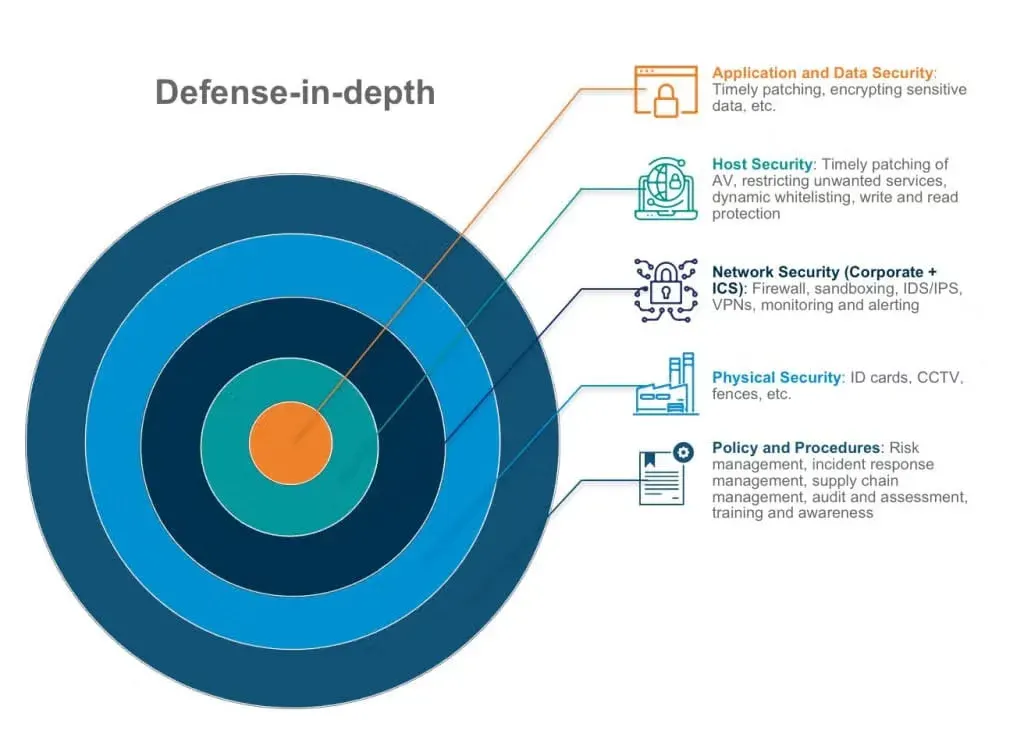
Securing Industrial Control Systems: Deep Dive
Defending industrial control systems is not IT security with a hard hat - it is a different discipline where availability and safety outrank everything, and visibility beats patching.
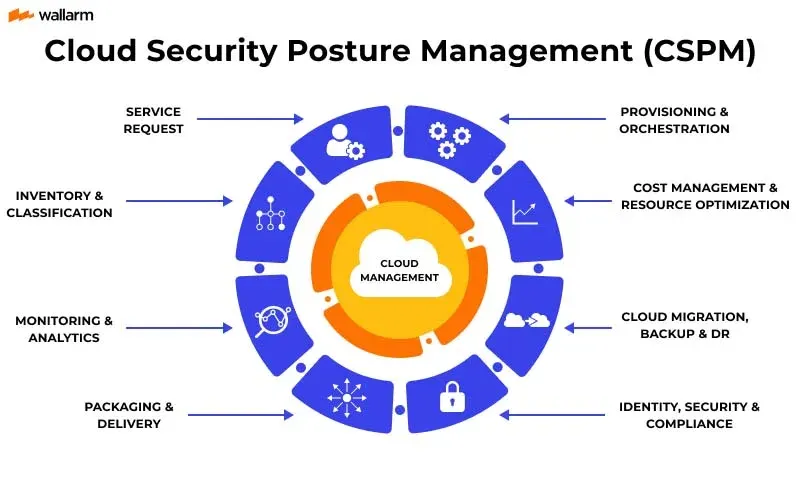
Cloud Security Posture Basics
The cloud did not make you less secure. It made misconfiguration faster, more visible, and one click away from the entire internet. Here is how to see your own account the way an attacker already does.
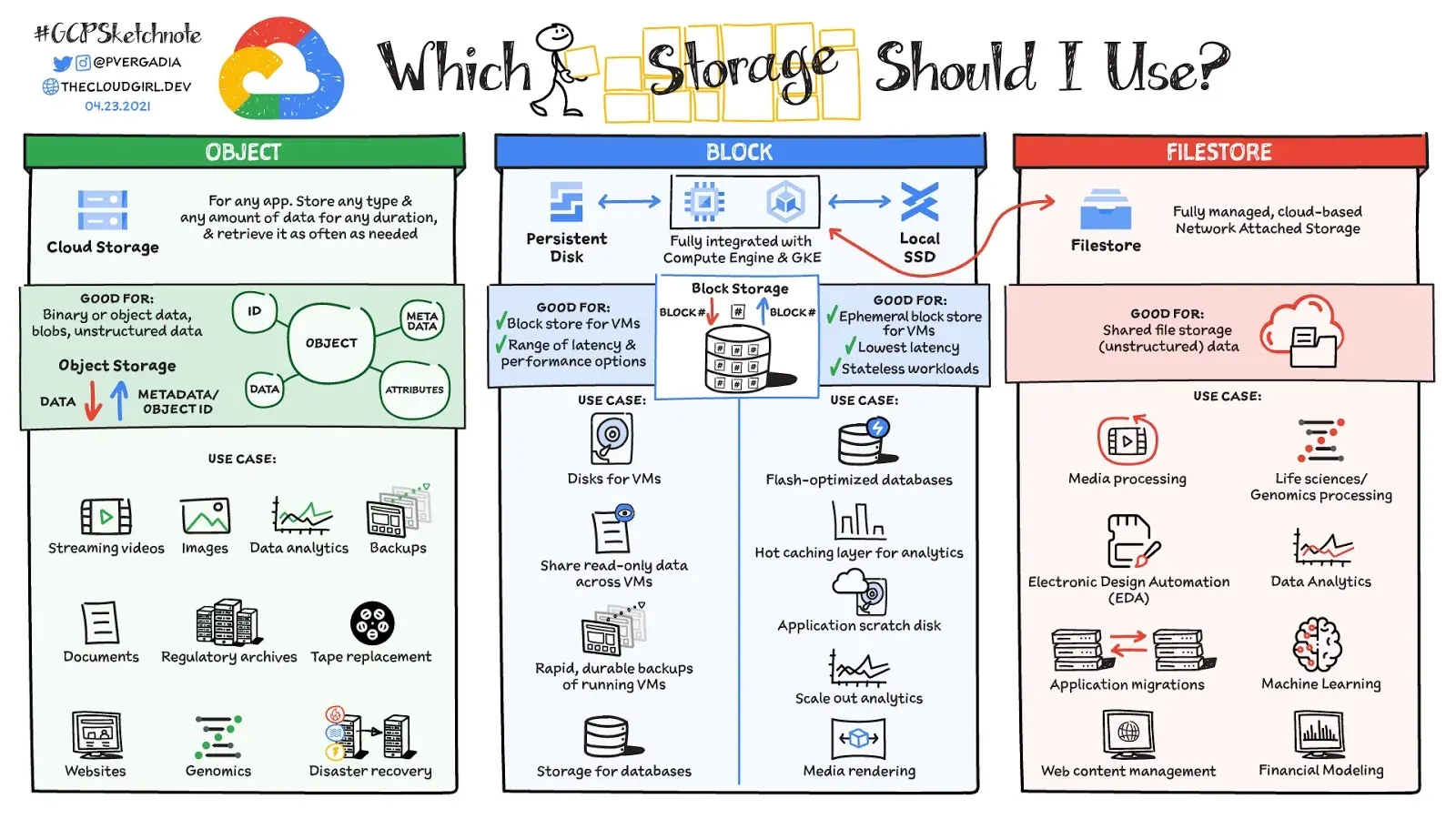
Object Storage & Data in the Cloud
A bucket is the cheapest thing in the cloud to create and one of the easiest to get wrong. Here is the story of one folder of holiday photos, and how it quietly teaches you everything that matters about storing data in the cloud.
Comments
No comments yet. Start the conversation.